Best Column Refrigerators and Freezers by Budget: How to Spend Well for 2026
Disclosure: We may earn a commission when you buy through links on this page, at no extra cost to you. As an Amazon Associate I earn from qualifying purchases. Learn more

Compare the best column refrigerators and freezers by budget, with clear guidance on size, capacity, price tiers, features, and long term running costs.
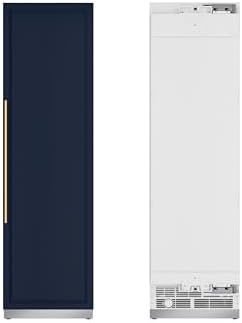
A column setup splits fresh and frozen storage into two separate units, so you can size each side for the way your household cooks and shops. That freedom comes at a wide range of prices, and the gap between a basic pair and a luxury pair can reach thousands of dollars. This guide explains where the money goes, so you can choose the best column refrigerators and freezers for your budget, using the comparison table below as a starting point.
You will learn how price tiers differ, which features change daily use, and which upgrades mostly change looks. You will also find measuring advice, running cost notes, and care steps that protect a large purchase.



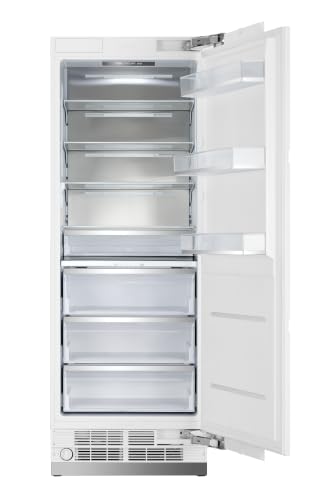
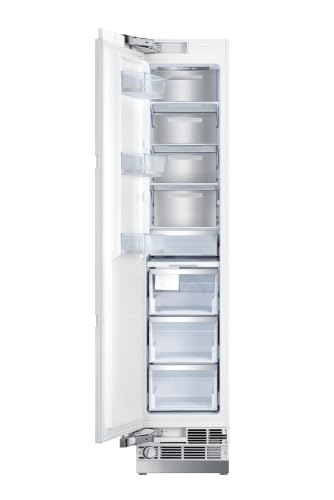
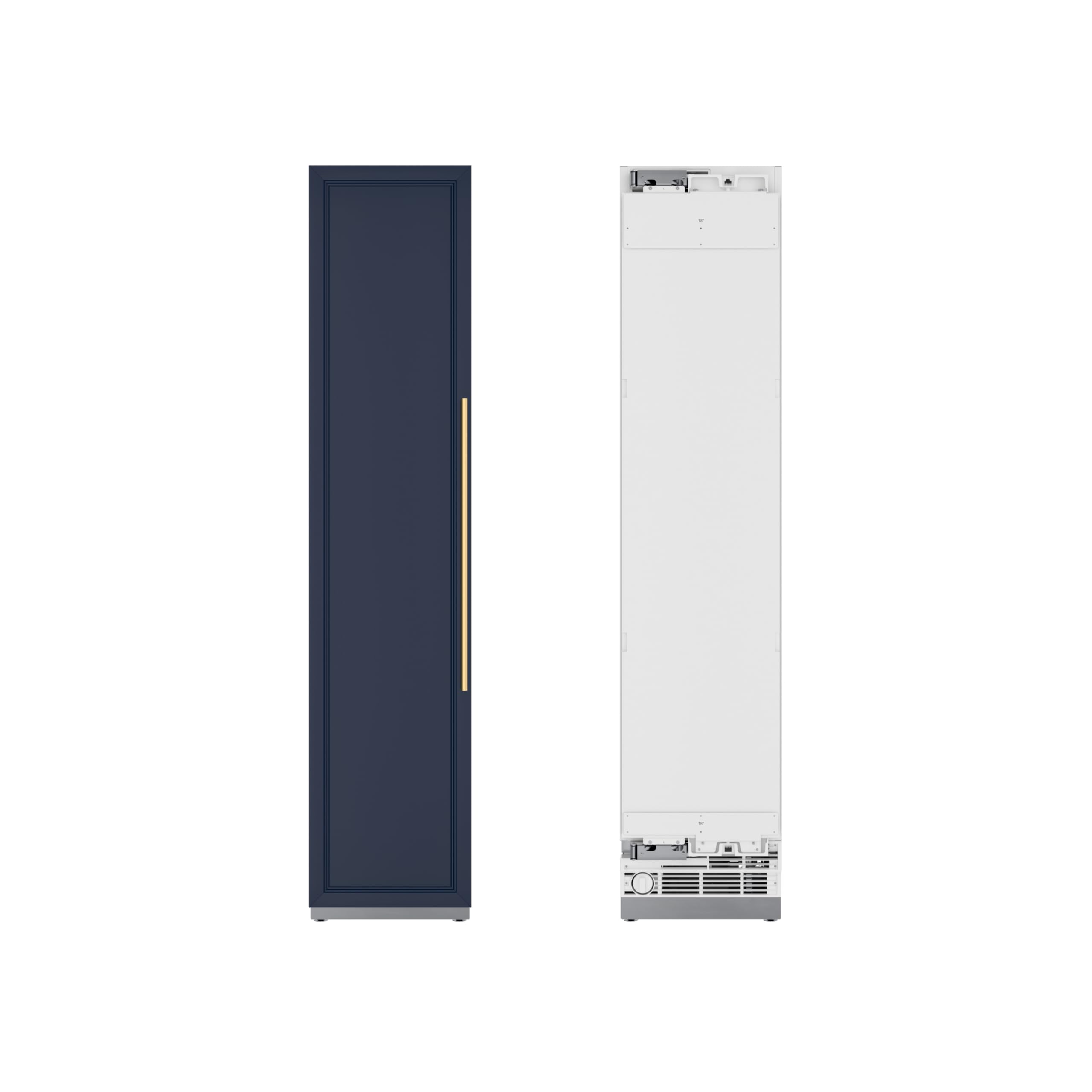
How to Choose by Budget Instead of by Brand Name
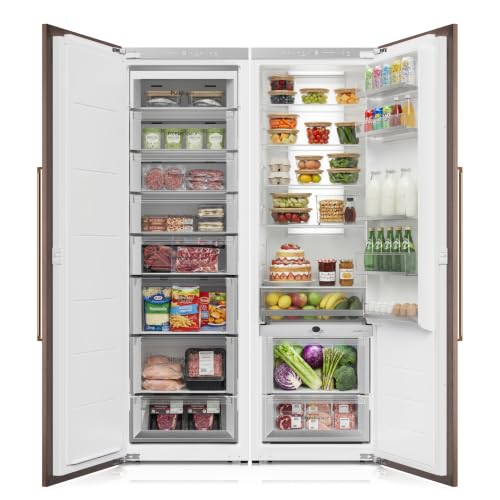
Column units reward planning because the appliance price is only part of the bill. Delivery, installation, trim kits, and cabinet work can add a lot, so set your budget around the finished kitchen. The product table above gives a quick view of current options, and the points below help you read it with care.
Start With the Total Project Cost
List every cost before you compare finishes. Add the columns, a trim kit if your layout needs one, delivery, installation, and any electrical or water line work. Keep a small reserve for cabinet adjustments, because columns sit inside a fixed opening and small errors are costly to fix.
Let Your Shopping Habits Set the Split
Decide how much fresh space you need versus frozen space before you look at brands. A household that buys fresh food twice a week may want a wide refrigerator column and a modest freezer column. A household that cooks in batches or buys meat in bulk usually needs the reverse. If frozen storage is your main gap, see our guide to the best column freezers for sizing ideas.
Spend First on Fit and Cooling
Put fit, door swing, and steady cooling at the top of your list before panel finishes or smart screens. A column that fits the opening with room for the doors to open fully will serve you better than a prettier model that blocks a drawer. Strong temperature control in both temperature zones protects expensive groceries every week.
Who Should Buy a Column Pair?
Large Households That Shop in Bulk
Families who fill a cart every week gain the most from a pair, because each column offers full height shelving with no space lost to a combined unit layout. If your current fridge leaves you playing storage games after every big trip, a pair solves that daily friction.
Home Cooks Who Want Separate Temperature Zones
Serious cooks value columns because fresh and frozen foods can live at different settings with no compromise. Leafy greens, dairy, and leftovers stay in a humid fresh zone while ice cream and meat sit deep frozen next door. Each unit has its own controls, so opening one door never disturbs the other space. For cooks who store delicate ingredients, that separation is the main reason to choose columns.
Renovators Building a Custom Kitchen
Columns suit a planned renovation because they sit flush with cabinets and accept panels that match the room. If your kitchen is small and no renovation is planned, see our guide to the best small bottom freezer refrigerators for a simpler fit.
What Your Money Gets You at Each Price Tier
Prices for columns vary more than for standard refrigerators. The tiers below describe what you typically gain as you move up.
Budget Tier: The Basics Done Simply
Entry level pairs generally run about $3,500 to $5,500 before installation. Expect stainless steel doors, fixed shelving, basic electronic controls, and one ice maker in the freezer column. These models cool well, but finishes are plainer and interior fittings feel less solid. For a modest kitchen with no cabinet work planned, see our guide to the best small top freezer refrigerators to compare a far cheaper route.
Midrange Tier: More Room and Quieter Running
Midrange pairs often land about $5,500 to $8,500 and add features most households notice daily. Look for an inverter compressor that runs quietly and holds temperatures steady, adjustable shelving, better lighting, and soft close hinges. This tier usually gives the strongest balance of price, comfort, and durability for a busy primary kitchen.
Premium Tier: Custom Looks and Finer Control
Premium columns start around $8,500, and large pairs can cost about $12,000 before cabinet panels. At this level you pay for panel ready fronts, precise temperature zones for specific foods, quieter operation, and refined interiors with metal and glass fittings. This tier suits a high value renovation where design matters as much as storage.
Features Worth Paying For, and Ones to Skip
The features below separate the best column refrigerators and freezers from pairs that only look impressive in photos.
Configuration and Layout Choices
A matched pair gives the most storage and the cleanest look, while a single refrigerator column beside an existing freezer suits smaller upgrades. Compare that against French door refrigerators, which cost less but share one cabinet and give less freezer height. If you prefer one unit with split doors, see our guide to the best side by side refrigerator freezers for that format.
Dimensions, Counter Depth, and Door Clearance
Measure the opening width, height, and depth, then check door swing against nearby walls, islands, and handles. Counter depth models sit nearly flush with cabinets and look built in, but they hold less than deeper units of the same width. Most columns come in 24 inch, 30 inch, and 36 inch widths, and pairs combine to fit the planned opening. Leave the clearance the manufacturer lists for airflow, and confirm the delivery path before ordering.
Ice Maker and Water Dispenser
Most freezer columns include an internal ice maker, which keeps the front clean for panels and avoids the leak risk of a through the door dispenser. That trade is worth paying for in a custom kitchen, though a plumbed water line is still required. Skip external dispensers unless your household uses one all day, because they cost more and add parts that can fail.
Reliability and Warranty
Cooling hardware matters more than touch screens. Look for a proven inverter compressor with a sealed system warranty of at least five years, and check that local service covers the brand before you buy. If you are still comparing formats, read our guide to the best reviewed refrigerators bottom freezer models to see how warranty terms differ across styles.
How to Measure and Plan the Installation
Columns are built in appliances, so planning starts with the cabinet opening rather than the appliance alone. Confirm the opening is square and level, the floor can carry the weight of two full columns, and each unit has the electrical supply its manual requires. Many pairs need two dedicated outlets, and the freezer column may need a water line for its ice maker.
Professional installation is worth budgeting for, since two tall units must be leveled, joined, and aligned so the doors sit even. Gaps around the cabinet are covered with trim, and small alignment errors show clearly on flush fronts.
Long Term Costs to Factor In
Ownership costs continue long after installation. Budget for water filter changes for the freezer ice maker, plus gasket and hinge service over the years. Electricity is the other steady cost, and ENERGY STAR rated models can trim that bill compared with older or larger units of similar size. Compare the yellow energy guide figures for each column and add them together, because a pair draws more than one combined refrigerator.
Repairs on built in columns cost more than repairs on freestanding units, because access is harder and parts are brand specific. A longer sealed system warranty therefore has real cash value, not just peace of mind.
Common Mistakes to Avoid
Most column buying regrets come from planning errors rather than cooling performance. Watch for these frequent mistakes before you commit to an order.
- Ordering columns before the cabinet opening is finished, because a small framing change can leave the pair too wide to install.
- Choosing total cubic feet without checking the split, because a huge freezer column cannot help a household that mainly needs fresh space.
- Placing a pair in an unheated garage without checking the garage ready rating, because standard columns can stop cooling properly in deep cold.
- Forgetting the delivery path, because a tall column that cannot pass a doorway may have to be returned at your cost.
- Spending on smart screens before fit and warranty, because a connected display adds repair cost while doing nothing for storage.
- Assuming both columns can share one outlet, because a pair that trips a breaker can warm up and spoil a full load of food.
How to Care for Your Column Refrigerator and Freezer
Clean the condenser coils or grille area as the manual directs, usually twice a year, because dust buildup makes the compressor work harder and raises energy use. Wipe door gaskets monthly and check that they seal evenly, since a leaking gasket on a tall door lets warm air in along its full height. Replace the water filter on schedule so the ice maker keeps producing clean ice.
Keep vents inside each column clear of food packages so cold air can circulate, and avoid packing shelves so tightly that doors bow outward. If a column shows frost buildup or rising temperatures, call for service early, since small cooling faults grow more expensive when ignored.
Column Refrigerators and Freezers: Your Questions Answered
Are counter depth column refrigerators worth the extra cost?
Counter depth column refrigerators are worth the cost when a flush look and a clear walkway matter more than maximum storage. They trade some depth for a built in appearance, so measure your largest trays before choosing this style. One point many buyers miss is resale appeal, because a neat flush installation can make a renovated kitchen feel more finished to future buyers.
How long do column refrigerators and freezers usually last?
A well maintained column refrigerator or freezer commonly lasts about 15 years, and premium units can run longer. Lifespan depends on compressor quality, door seal condition, and how hard the unit works in a warm kitchen. Keep purchase records and warranty papers together, because sealed system coverage may still apply late in life and can turn a major repair into a covered service visit.
What size column refrigerator and freezer pair does a family need?
Most families do well with a combined total of about 20 to 28 cubic feet, split according to shopping habits. A family of four that cooks most meals at home usually wants the larger share in the refrigerator column. Count bulky items rather than groceries in general, because tall bottles, wide trays, and frozen bulk boxes set the real space need. When torn between two sizes, choose the wider refrigerator column first.
Can column refrigerators and freezers work in a garage?
Only garage ready column refrigerators and freezers should be installed in a garage, because standard models are built for indoor room temperatures. In a cold garage the fresh food section can freeze, and in summer heat the compressor may run without rest. Check the rated room temperature range in the manual, and note that some makers limit warranty coverage for units installed outside living spaces.
How much electricity do column refrigerators and freezers use?
A pair of column units together often uses about 600 to 900 kilowatt hours per year, depending on size and efficiency rating. The freezer column accounts for the larger share, because it holds a much lower temperature. Your actual bill also depends on local rates and door openings, so a busy household will spend more than the energy guide figure suggests.
Final Thoughts
Start with fit, then the split of space, then the price tier that matches your kitchen plans. Those three choices decide daily satisfaction far more than decorative extras. Use the product table above to compare capacities, widths, and running costs side by side, and then choose the best column refrigerators and freezers that fit your opening and your budget.