
Best Combi Ovens of 2026: Complete Buying Guide
Disclosure: We may earn a commission when you buy through links on this page, at no extra cost to you. As an Amazon Associate I earn from qualifying purchases. Learn more

Learn how to choose combi ovens for home kitchens, covering fuel type, capacity, convection, installation, and controls in a clear buying guide.
Shopping for best combi ovens means choosing between a microwave combination machine and a full range oven with combination cooking. The two products share a name but serve different kitchens, so this guide explains both paths and helps you pick the right one. Clear measurements and honest cooking habits will narrow the choice fast.
A combi oven can save space, speed up weeknight cooking, and add baking power to a small kitchen. It can also be a major fitted purchase that needs gas or electrical work. The guidance below covers fuel, size, and controls before you spend. The comparison table below gives a quick overview of the main types before the detailed guidance that follows.


Who Should Buy Best Combi Ovens
Your kitchen layout and cooking style decide which kind of combi oven makes sense.
For Small Kitchens
A small kitchen benefits most from a countertop combination machine that microwaves, bakes, and grills in one box. It replaces several appliances without renovation work. Check counter depth and door swing, because a machine that blocks a walkway will annoy you daily.
For Family Kitchens
A family kitchen needs capacity for tray bakes, roasts, and several dishes at once. A full range combi oven with a larger cavity and a strong convection fan suits this workload. Look for easy cleaning and a child lock if young children use the kitchen.
For Renovation Buyers
A renovation buyer can plan gas, electrical supply, and cabinet cutouts from the start. This is the right time to choose a built in or slide in model. Confirm the cutout size, ventilation, and fuel supply with your installer before ordering.
Types Compared
These are the main routes to combination cooking, and each one fits a different budget and kitchen.
| Type | Best For | Typical Price |
|---|---|---|
| Countertop Combination Machines | Small kitchens | about $200 to $500 |
| Built In Combination Ovens | Fitted kitchens | about $900 to $1800 |
| Range Cookers With Combi Ovens | Full kitchen cooking | about $1200 to $2500 |
Countertop Combination Machines
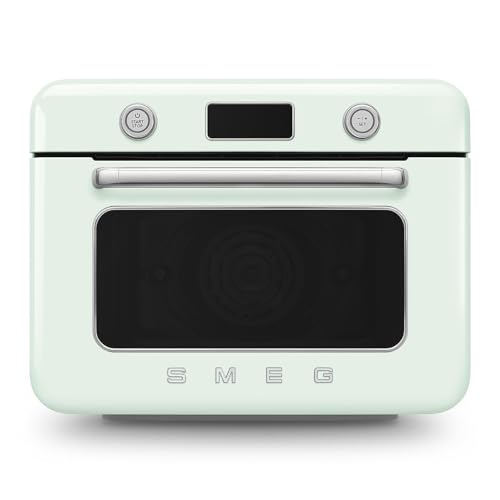
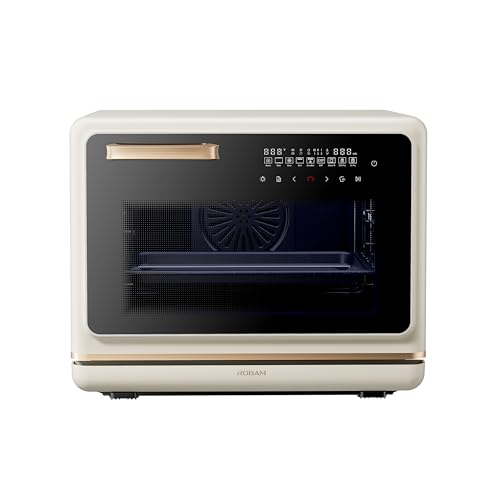
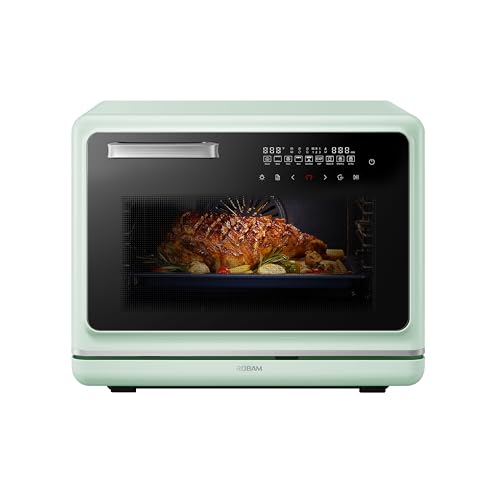
Countertop combination machines combine microwave, convection, and grill functions in one compact box. They suit renters and small households who want flexibility without fitting work. Capacity is limited, so check tray size against your usual dishes.
Built In Combination Ovens
Built in combination ovens sit in a wall cabinet and offer a larger cavity and more even baking. They suit renovation projects and larger households. Professional installation is usually needed, and cutout measurements must be exact.
Range Cookers With Combi Ovens
Range cookers pair a hob with a combination oven below, giving a complete cooking station in one appliance. They suit cooks who bake, roast, and grill often. They need more floor space and a suitable fuel supply, so plan the kitchen layout carefully.
Key Features to Compare
Compare these features before you decide, because they affect cooking results and installation cost.
Fuel Type and Power Supply
Fuel type affects heat control, running cost, and installation work. Gas hobs heat quickly, electric ovens give even baking, and induction hobs offer precise control. Check your home supply early, because adding a gas line or a higher rated circuit adds cost and time.
Capacity and Convection
Capacity should match your largest tray and your usual number of dishes. True convection uses a fan plus a heating element for even heat across shelves. If you bake often, even heat matters more than a long list of preset programs.
Controls and Programs
Controls range from simple dials to touch screens with guided programs. Dials suit cooks who adjust by feel, while guided programs help beginners. Choose controls you can read and use with wet or floury hands, because that is real kitchen use.
Cleaning and Durability
A smooth enamel cavity, removable shelves, and a steam clean mode reduce weekly work. Check door hinges and seal quality, because these parts take daily wear. A sturdy build pays off over years of hot, heavy use.
Price and Value
Budget options around $200 to $500 are mainly countertop combination machines. They suit small households and occasional baking. They will not replace a full oven for large meals, but they add real flexibility at a modest price.
Mid range options around $900 to $1800 include built in combination ovens with larger cavities and better convection. They suit family kitchens and renovation projects. Most buyers who cook daily will find good value here.
Premium options around $1800 to $2500 include range cookers and high specification built in models. They suit serious cooks and large households. Spend at this level only if you use the oven daily and need the extra capacity.
Fit, Setup, and Everyday Care
Measure the cabinet cutout, door swing, and ventilation gaps before ordering a fitted model. Confirm fuel and electrical requirements with a qualified installer, and do not guess at gas or circuit capacity. Keep the manual near the kitchen for the first month while you learn the combination modes.
Clean spills promptly, because baked on grease affects flavor and heat distribution. Remove shelves and clean them separately, and check the door seal for food debris. A worn seal lets heat escape and should be replaced promptly.
Mistakes to Avoid
These mistakes are common with combi ovens, and each one is easy to avoid with careful measuring.
- Confusing a countertop combination machine with a full range combi oven.
- Ordering a fitted model before confirming cutout size and fuel supply.
- Choosing capacity by liters alone without checking tray and dish fit.
- Paying for guided programs you will never use instead of good basic controls.
- Ignoring cleaning needs, which leads to odors and uneven baking over time.
Before You Order
Before you order a combi oven, decide whether you are buying a countertop machine or a fitted oven, because the two have different needs. For a countertop machine, check the outlet and the space above and behind it. For a fitted or range unit, confirm the cutout, the fuel or electrical supply and the delivery route with your installer.
Write down the dish you cook most often and check that it fits the cavity with an inch to spare. Then check the cleaning method and the door seal, and keep the return window in mind in case the size or noise is not what you expected.
Related Guides
Anyone planning a larger kitchen can compare this page with the best commercial combi ovens, the best microwave combi ovens and the best quality ovens. If the heat source is the deciding point, the best gas ovens and best induction ovens guides explain how each one behaves.
Frequently Asked Questions
What is the difference between a combi microwave and a combi oven?
A combi microwave combines microwave energy with convection and grill heat in a compact machine, while a combi oven is usually a larger fitted oven with combination cooking modes. The microwave version suits small kitchens and fast cooking. The fitted version suits larger households and serious baking.
Do I need a gas supply for a combi oven?
Only range cookers with gas hobs need a gas supply, while electric built in models need a suitable circuit. Check the product manual and your home supply before ordering. A qualified installer can confirm what your kitchen can support.
How much capacity do I need?
Capacity should fit your largest tray and the number of dishes you cook at once. A family that bakes several trays needs a larger cavity than a couple that cooks single dishes. Measure your trays, not just the headline liter figure.
Are combination ovens hard to use?
They are easy once you learn the main modes, and most owners use a small set of programs daily. Start with microwave, convection, and grill modes, then explore combination settings. Keep the manual handy for the first few weeks.
What cleaning routine works best?
Wipe spills after cooking, clean shelves separately, and run a steam clean cycle if fitted. Regular light cleaning prevents baked on grease and odors. Check the door seal monthly and replace it if it feels loose or damaged.
Final Thoughts
A sensible pick among best combi ovens is the model that fits your kitchen layout, your fuel supply, and the meals you cook most often. The product table above is a useful starting point, and the sections in this guide explain how to weigh each factor for your own situation.


