
Best Column Refrigerators 2026: A Buying Guide for Real Homes
Disclosure: We may earn a commission when you buy through links on this page, at no extra cost to you. As an Amazon Associate I earn from qualifying purchases. Learn more

Column refrigerator layouts compared by size, features, installation and cost, with a quick checklist for your kitchen.
Picture a remodel where the fridge keeps fighting the cabinets for space, and half your groceries end up buried behind leftovers. A column setup solves that by splitting fresh and frozen food into separate tall units that sit flush with your cabinetry. If you are hunting for the best column refrigerator for your home, this guide walks you through sizes, layouts, features, and costs so you can match a column to your space, household size, and budget. Start with the comparison table below.
Unlike a standard fridge, a column is a single purpose unit. One handles fresh food only, and a matching column handles freezing only. You can install one on its own, pair two side by side, or spread them across the kitchen. That flexibility is the appeal, and it is why planning matters more here.

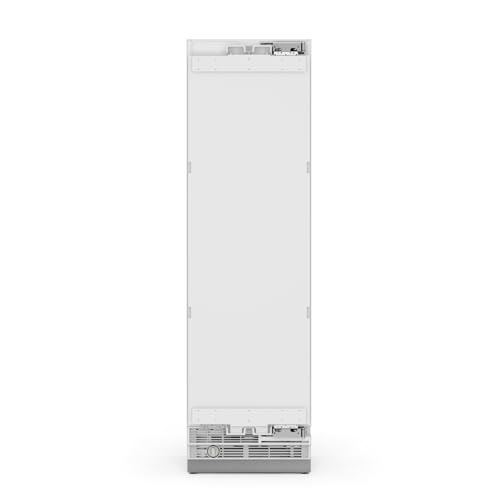
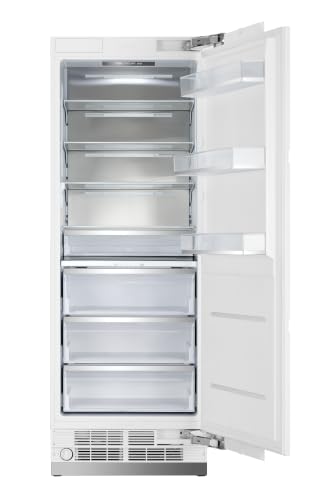


Quick Answer: Three Column Layouts in Brief
Most homes land on one of three layouts. A single fresh food column works as the main fridge for a small household or as a second fridge beside a separate freezer. A paired set, one fresh food column and one freezer column, gives each type of food its own full height space. A wide pair with custom panels costs the most but blends into the cabinetry. If you are still weighing a column against a conventional unit, our guide to the best refrigerator styles covers the broader field.
Before You Buy: A Quick Checklist for Choosing a Column Refrigerator
Size: Match It to Your Space
Columns come in widths of about 18, 24, 30, and 36 inches, and pairing two units fills 48 to 72 inches of wall. A single 24 or 30 inch fresh food column holds enough for a couple or a small family, while larger households usually need the paired layout to match the capacity of a big conventional fridge. Most columns are built in at counter depth so doors sit flush with cabinets, which means less depth per unit than a standard depth model. The trade off discussion in counter depth vs standard depth explains how that shallower box changes storage.
Which Type Fits Your Routine
Think about how your household shops and cooks. If you buy fresh produce often and freeze very little, a single fresh food column plus a small freezer elsewhere may be plenty. If you batch cook, buy meat in bulk, or store frozen meals for a busy family, the freezer column earns its price. Compare that flexibility with a fixed layout like the models in our best counter depth refrigerator guide, where both sections share one box.
Features Worth It (and Ones to Skip)
Features that earn their cost include adjustable glass shelving that moves without tools, door bins sized for gallon containers, a humidity controlled crisper for produce, and bright lighting that reaches the back corners. An internal water dispenser keeps the front clean while still giving you filtered water, and an ice maker in the freezer column suits most families. You can usually skip touch screens, cameras inside the fridge, and smart alerts you will never enable. Simple controls and sturdy bins age better than novelty tech.
Measurements and Compatibility With Your Setup
Measure the cabinet opening in three places for width and height, because older framing is rarely square. Check the depth, the swing of each door against nearby walls and islands, and the path from your front door to the kitchen, since tall columns are awkward to turn on stairs. Confirm a grounded outlet inside the cabinet run and, if you want ice or water, a water line with a shutoff valve nearby. Ventilation clearances vary by maker, so match the cutout to the spec sheet of the exact width you plan to buy.
Certifications That Matter
Look for an Energy Star label if you want a verified efficiency rating, since two columns mean two cooling systems drawing power. Safety listings such as UL or ETL show the unit passed independent testing. If the column has a water filter, check for NSF and ANSI certification for the claims you care about, such as lead reduction. Capacity figures are more trustworthy when they follow the AHAM standard, which lets you compare cubic feet across brands on equal terms.
DIY vs Pro Installation Cost
A single column can weigh well over 300 pounds, and built in models must be leveled, anchored, and aligned so the doors sit flush. That is why most buyers pay for professional installation, which often runs about $300 to $1,000 depending on cabinet work, water line work, and panel fitting. Doing it yourself is realistic only if the opening is already prepared and you have help. A poor install can cause sealing problems and uneven cooling.
Realistic Budget Ranges
Columns sit at the premium end of the fridge market. A single column commonly costs about $3,000 to $7,000 before installation, and a matched pair can run about $6,000 to $14,000. Custom panels, handles, and installation add more. If that total stretches your budget, a quality conventional fridge will store the same food for far less. Spend on the right width and a solid warranty first.
Column Setups Compared: Three Ways to Build Your Layout
Best for Most Homes: A Paired Fresh and Frozen Set
The paired layout is the safest choice for a family kitchen remodel. You get a full height fresh food column with wide shelves for party trays and sheet pans, plus a freezer column that swallows bulk bags without the narrow squeeze of a side by side freezer. Each unit runs its own cooling system, so a problem with one does not warm the other. The trade off is cost and wall space. You need roughly 48 to 60 inches of cabinet run, and you are paying for two appliances instead of one.
Best for Smaller Budgets: A Single Column as the Main or Second Fridge
Buying one column keeps the entry cost as low as this category gets. A single 24 or 30 inch fresh food column can serve a small apartment household that freezes very little, especially with a compact freezer in a pantry or garage. It also works well as a second fridge for drinks or produce overflow. The limit is obvious. One column alone gives you no built in freezer beside it, so this layout only works when your frozen storage already lives somewhere else.
Best Long Term Investment: A Wide Pair With Custom Panels
For a forever home kitchen, a wide pair with panels that match your cabinets delivers the most storage and the cleanest look. Panels hide the appliances completely, and the combined capacity suits large families and serious home cooks. Because the cabinetry work is custom, plan this layout with your kitchen designer from the start rather than as a late swap. The higher price buys capacity and a fitted look, but repairs and panel work will also cost more over the life of the units.
What Columns Do Well and Where They Fall Short
Columns shine on layout freedom. You place fresh food where you prep and frozen food where you store, and every shelf sits at a comfortable height. Full width shelves fit wide platters that strain a split fridge. The weaknesses are price, planning, and repair logistics. Two units mean two delivery slots and two sets of filters. If a single integrated box sounds simpler, the models in our best french door refrigerator guide keep fresh food wide and at eye level for much less money.
Columns also differ from a side by side in how space is divided. A side by side splits one box into two narrow sections, which can pinch pizza boxes and wide trays, while true columns give each section its full width. If your kitchen cannot spare the wall space or budget, the options in our best side by side refrigerator roundup deliver that tall format in a single appliance.
Common Buying Mistakes to Avoid
- Ordering columns before confirming the cabinet cutout, which can leave gaps no trim kit can hide.
- Forgetting the delivery path, so a tall unit cannot turn into the kitchen and the install stalls.
- Buying two fresh food columns for a household that freezes a lot, which pushes frozen food into an old garage unit.
- Spending on smart screens while cutting the budget for proper installation and panels.
- Skipping the water line during the remodel, then paying far more to add one after cabinets are finished.
- Ignoring door swing against an island, which can block a crisper drawer from opening fully.
Cost of Ownership and Care
Running two cooling systems costs more in electricity than one fridge, though efficient models keep the gap modest. Budget for replacement water filters about every six months if your columns dispense water or ice, at about $50 to $100 per filter. Wipe door gaskets monthly, vacuum dust from the ventilation grille as the manual directs, and clean spills quickly. Keep the temperature near 37 degrees for fresh food and 0 degrees for the freezer. For a realistic view of service life, read how long does a refrigerator last before you commit.
FAQ
Are column refrigerators worth it for a home kitchen?
They are worth it when you are already remodeling and the cabinet plan can be built around them. The value shows up daily in placement freedom and full width storage, not in resale promises or novelty features. If your kitchen is finished and the cabinets cannot change, the disruption and cost rarely pay off. Renters and anyone planning to move soon will usually get better value from a conventional fridge.
How long does a column refrigerator last?
Expect a service life similar to other premium fridges, often around 12 to 17 years with normal care. One detail worth checking is the warranty split. Many makers cover the sealed cooling system longer than the rest of the unit, and labor coverage is often shorter than parts coverage. A nearby authorized service network matters too, because a built in column cannot simply be swapped out while you wait for a rare part.
What column refrigerator width works best in a small kitchen?
A single 24 inch fresh food column is the usual small kitchen answer, paired with a compact freezer elsewhere. It gives you tall, well lit storage without eating the wall space a pair demands. Measure your weekly fresh food honestly first, though. A household that shops once a week for four people will overflow a narrow single column fast, and organizer bins cannot fix a basic capacity shortage.
Can a column refrigerator go in a garage or basement?
Only if the model is rated for the temperature range of that space. Many kitchen columns are designed for indoor rooms within a moderate range, and a cold garage can confuse the thermostat so fresh food freezes or the unit barely runs. A hot garage creates the opposite strain and can shorten compressor life. Check the rated ambient range in the manual before placing a column outside the main living space.
How do you clean a column refrigerator without damaging the panels?
Clean the interior with warm water and a small amount of mild soap, then dry every shelf before reloading food. For wood panels, use only the cleaner your cabinet maker approves, since harsh sprays can cloud the finish. For stainless fronts, wipe along the grain with a soft cloth and avoid abrasive pads. Clean the gasket folds with a soft brush, because crumbs collect there and quietly weaken the door seal.
Final Thoughts
A column layout rewards careful planning. Measure the cutout, walk the delivery path, price the full install, and pick the layout that matches how your household stores food. Whether you land on a single unit or a wide paneled pair, the best column refrigerator is the one that fits your cabinets, routines, and budget. Use the product table above to compare widths and finishes before you order.


