
Best Column Freezers in 2026: Which Type Is Right for You?
Disclosure: We may earn a commission when you buy through links on this page, at no extra cost to you. As an Amazon Associate I earn from qualifying purchases. Learn more

Compare column freezer types side by side, from counter depth columns to garage ready uprights, and find the best column freezers for your kitchen space.
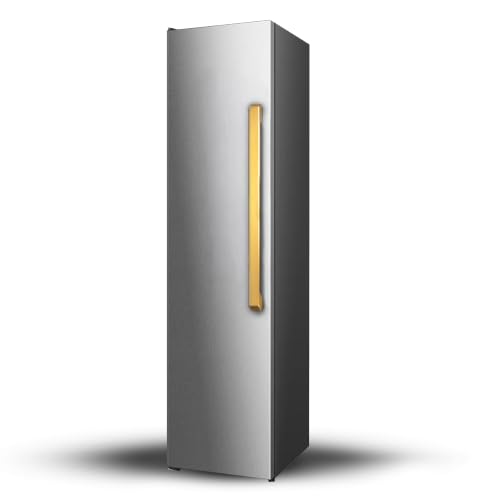
A column freezer is a tall, dedicated freezer with no refrigerator section sharing its cabinet, and the options can feel confusing at first glance. Some shoppers want a true built in column that pairs with a matching refrigerator column, while others are really comparing the freezer space inside other refrigerator styles. This guide walks through the best column freezers by type, so you can match the format to your kitchen, your storage habits, and your budget before you buy.
Most column freezers are sold as single purpose units that stand beside a separate column refrigerator, which is why shoppers often research best column refrigerators and freezers as matched pairs. Use the comparison table below to scan capacities and formats at a glance, then read on for the trade offs behind each type.


Types of Column Freezers Compared
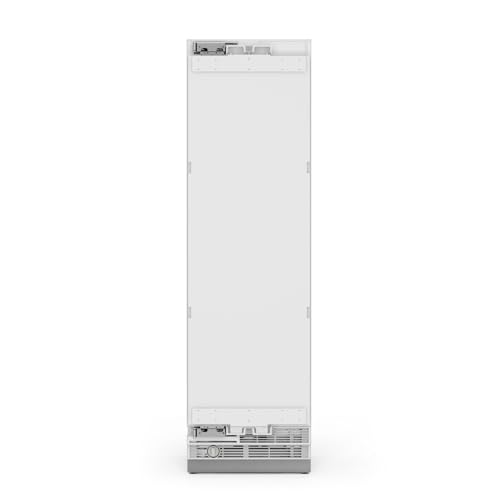
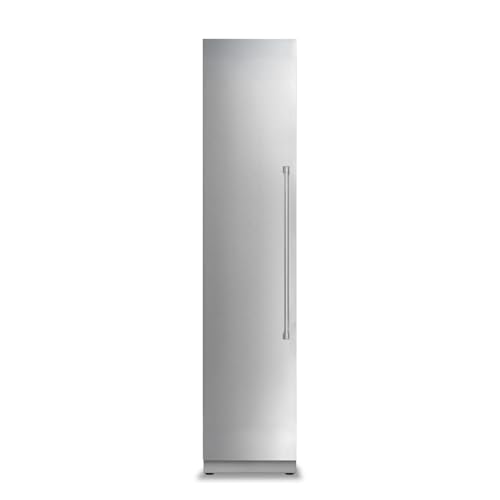
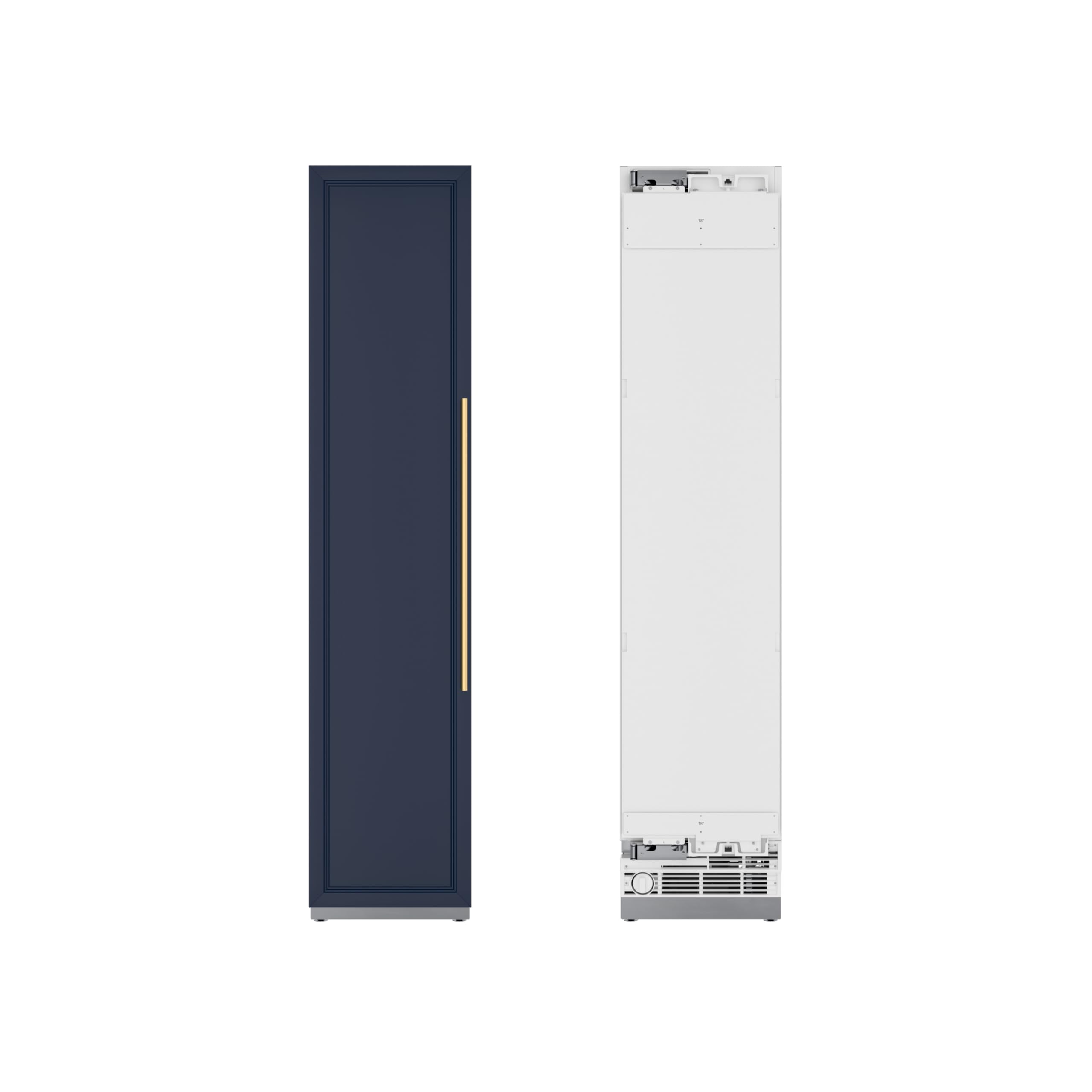
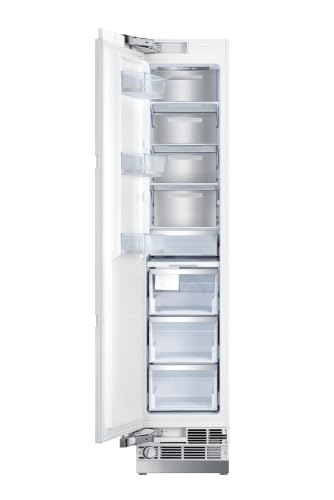
A true column freezer gives you one tall cabinet devoted entirely to frozen food, usually with adjustable shelves, door bins, and a clean front that can sit flush with your cabinetry. Because the whole interior serves one job, you gain organized vertical storage and a consistent temperature from top to bottom. The confusion starts because many shoppers compare this format against the freezer compartments built into other refrigerator types, and each of those alternatives stores frozen food in a very different way.
Price is the first reality check. A dedicated column freezer often costs around $2,000 or more for built in models, while the refrigerator formats below that include a freezer section start much lower. You are paying for capacity, finish, and a tailored fit, so it helps to know exactly what each type does well before you commit.
Side by Side Refrigerators
Side by side refrigerators split the cabinet into two vertical doors, with fresh food on one side and frozen food on the other. The freezer side works like a narrow column, with shelves and door bins that keep small items visible and easy to grab. This layout suits kitchens where you open the freezer often and want ice and water through the door.
The trade off is width. Each compartment is narrow, so wide pizza boxes, large sheet pans, and bulky turkey trays may not fit. If your frozen storage is mostly small packages and boxes, the layout works well, but big batch cooks usually find the slim shelves frustrating within a few months.
Top Freezer Refrigerators
Top freezer refrigerators place a freezer compartment above the fresh food section, and they remain the most affordable route to extra frozen storage. The freezer shelf is wide, so flat items stack neatly, and the simple design has fewer parts that can fail. Many models cost under $1,000, which makes them popular for garages, rentals, and first apartments.
The downside is access. You bend down for everyday fresh food while the freezer sits at eye level, which is the reverse of how most people use a kitchen. Capacity is also modest, and features like an ice maker are often optional add ons rather than standard equipment. Treat this type as a budget friendly freezer source, not a true column.
Counter Depth Models
Counter depth models are built shallower so the cabinet sits nearly flush with standard counters, giving the kitchen a built in look without full custom work. True column freezers are most often sold in this depth, and many refrigerator formats offer counter depth versions as well. You trade a few cubic feet of interior space for that clean, integrated appearance.
This type suits design focused kitchens and smaller spaces where a deep cabinet would block walkways or crowd door swings. Measure carefully, because depth figures usually exclude handles. If sheer frozen volume matters more than the flush look, a standard depth unit will almost always hold more food for the same money.
Side by Side Refrigerators vs Top Freezer Refrigerators: Which Should You Choose?
These two formats solve different problems. A side by side gives you freezer storage at eye level with strong organization, door dispensing, and a narrow door swing that works in galley kitchens. A top freezer gives you a wider, simpler freezer box, a lower purchase price, and usually lower running costs, but everyday fresh food sits low and requires bending.
Think about what you freeze most. Frequent small item access, ice through the door, and a tight kitchen point toward the side by side. Bulk buys, wide flat packages, and the lowest possible price point toward the top freezer. If neither feels right and frozen storage is your real priority, that is the signal to look at a dedicated column freezer instead of a combination unit, and to weigh it against best upright freezers as the closest freestanding alternative.
How to Choose the Right Column Freezer
Once you know the format you want, the details below decide whether one of the best column freezers on your shortlist fits your home and habits. Work through them in order, because a freezer that fails on dimensions or power needs will disappoint no matter how good its feature list looks.
Capacity and Temperature Zones
Capacity is measured in cubic feet, and column freezers commonly range from about 13 to 30 cubic feet depending on width. A useful rule is roughly 4 to 6 cubic feet of freezer space per person for households that buy in bulk, and less for weekly shoppers. Compare usable space, not just the headline number, since thick insulation and ice makers eat into room.
Temperature zones matter just as much. Single zone columns hold one steady setting, while dual zone models let you keep ice cream softer in one area and meat hard frozen in another. Precise electronic controls hold 0°F more reliably than a simple dial, which protects food quality during long storage.
Ice Maker and Water Dispenser
A built in ice maker is convenient if you entertain often or fill coolers every weekend, and many column freezers offer one as a factory option. The cost is space, since the maker and its bin claim a noticeable share of the interior, plus a water line connection that adds a possible leak point behind the unit.
If you rarely use ice, a model without a maker gives you more shelf room and one less component to service. Water dispensers are far less common on dedicated freezer columns than on side by side refrigerators, so treat a dispenser as a bonus rather than a deciding factor here.
Dimensions, Counter Depth, and Door Clearance
Measure the opening width, height, and depth, then measure every doorway, hallway, and turn on the delivery path. Column freezers are tall and heavy, and a unit that fits the kitchen cutout can still fail at a tight entry door. Leave the ventilation gap the manufacturer specifies, usually a small space at the top or rear.
Check door swing direction and hinge side before ordering, since many columns are sold as left or right hinge versions. In a tight kitchen, confirm the open door will not block a walkway or strike an island. Shoppers working with very little room may find that best compact freezers fit the space better than a full height column.
Energy Efficiency and ENERGY STAR
A freezer runs all day, every day, so its yearly energy use in kilowatt hours adds up on your bill. ENERGY STAR certified models meet stricter efficiency limits and typically use less power than standard models of the same size. The yellow EnergyGuide label on each listing shows the estimated yearly cost, which makes comparing two models simple.
Build quality supports those numbers over time, since tight door seals and good insulation keep cold air in as the unit ages. If long term durability matters as much as the power bill, it is worth reading up on best quality freezers alongside the efficiency figures before you decide.
Noise Level
Most modern freezers run at about 40 to 45 decibels, roughly the level of a quiet conversation, but placement changes how noticeable that sound feels. An inverter compressor helps because it runs at variable speeds instead of switching on and off at full power, so the sound stays steadier and softer in open plan homes and apartments.
If the freezer will stand near a bedroom or a home office, look for a listed decibel rating and avoid placing the unit on an uneven floor, which can turn a gentle hum into a rattle. Hard flooring reflects sound more than carpet, so a thin mat under the unit can help in echoing rooms.
Configuration Options Beyond the Column
Configuration decides the shape of your frozen storage. A dedicated column offers the most freezer only space and a tailored look. A French door refrigerator pairs wide fresh storage with a bottom freezer drawer, which is handy for wide items but makes small packages easy to lose at the bottom of the drawer.
A bottom freezer with a single door above keeps fresh food at eye level and frozen food in a deep bin. Match the layout to your habits: drawer styles favor bulk storage, door and shelf styles favor visibility. None of these replaces a true column for sheer frozen volume, but each can be the smarter buy when freezer space is a secondary need.
Setup and Care Tips
Let a new freezer stand upright for a few hours after delivery before plugging it in, so the compressor oil settles after transport. Once it is running, set the freezer to 0°F and give it a full day to reach temperature before loading it with food. Leave a little space between packages so cold air can circulate and cool new items evenly.
For care, vacuum the condenser coils about twice a year, since dust buildup makes the compressor work harder and use more power. Wipe the door gasket with warm water and check that it seals all the way around, because a warped or dirty gasket leaks cold air constantly. Keep the interior organized with labeled bins so you can find items quickly and leave the door open for shorter stretches.
Placement matters too. A garage install only works well with a model rated for wide temperature swings, so review best freezers for garage before putting any column unit in an unheated space. Wherever the freezer lives, keep it out of direct sunlight and away from ovens or other heat sources that force longer run times.
FAQs
What size column freezer does a family of four need?
A family of four that shops weekly usually does well with about 16 to 20 cubic feet of freezer space. Families that buy meat in bulk or freeze garden produce should look closer to 24 cubic feet or more. Count your largest regular items, like a whole turkey or pizza boxes, and confirm the shelf spacing fits them, since headline capacity alone does not guarantee your food will fit.
Are counter depth column freezers worth the extra cost?
Counter depth column freezers are worth it when a flush fit and clear walkways matter in your kitchen. You pay more per cubic foot than standard depth models, so the value is in the look and the saved floor space rather than storage. If your kitchen has room for a deeper cabinet, standard depth almost always delivers more usable space for the same budget.
Can a column freezer go in the garage?
Yes, a column freezer can go in the garage if it is rated garage ready for that use. Garage ready models are built to keep working through hot summers and cold winters that would strain a standard unit. Check the rated ambient temperature range in the manual, and place the freezer away from direct sun and on a level surface for the best results.
How long should a column freezer last?
A column freezer should last about 12 to 20 years with basic care. Built in columns often sit at the longer end of that range because of heavier construction, though repairs can cost more when they do come up. Simple habits extend service life: keep coils clean, avoid overpacking that blocks airflow, and fix a failing door gasket early instead of letting the compressor overwork.
How much electricity does a column freezer use?
A column freezer typically uses about 300 to 600 kilowatt hours per year, depending on size and efficiency rating. That works out to a modest monthly cost at average US electricity rates, with larger and older models at the high end. The EnergyGuide estimate for the exact model you are viewing is the most reliable figure, since your home temperature and door opening habits shift real use.
Final Thoughts
Start with format, then confirm capacity, dimensions, and energy use, and the right choice usually becomes clear. The product table above pulls the key specs together so you can compare your shortlist in one place. If you want one tall, organized, freezer only cabinet that matches your kitchen, the best column freezers deliver exactly that, as long as you measure carefully and choose a configuration that fits how your household actually shops and cooks.


