Best Cold Weather Waterproof Boots for 2026: Matching the Right Boot to Your Routine
Disclosure: We may earn a commission when you buy through links on this page, at no extra cost to you. As an Amazon Associate I earn from qualifying purchases. Learn more

Compare the best cold weather waterproof boots by insulation grams, lining height, fit and socks for wet snow.
There is no single pair that suits every winter routine, because standing on a frozen dock and hiking a snowy ridge ask opposite things of a boot. The best cold weather waterproof boots for you are the ones whose insulation weight, waterproofing height and fit match how you actually spend cold days. The comparison table below lays the main types side by side so you can see those trade offs at a glance.
Start with how still or how active you are outdoors, then check the numbers that govern warmth. Insulation is sold by weight in grams, waterproofing stops at the top of the inner lining, and your socks do a large share of the warmth work. Readers in milder, wetter climates can begin with our guide to the best cold weather boots and add waterproofing only if their routes cross standing water.
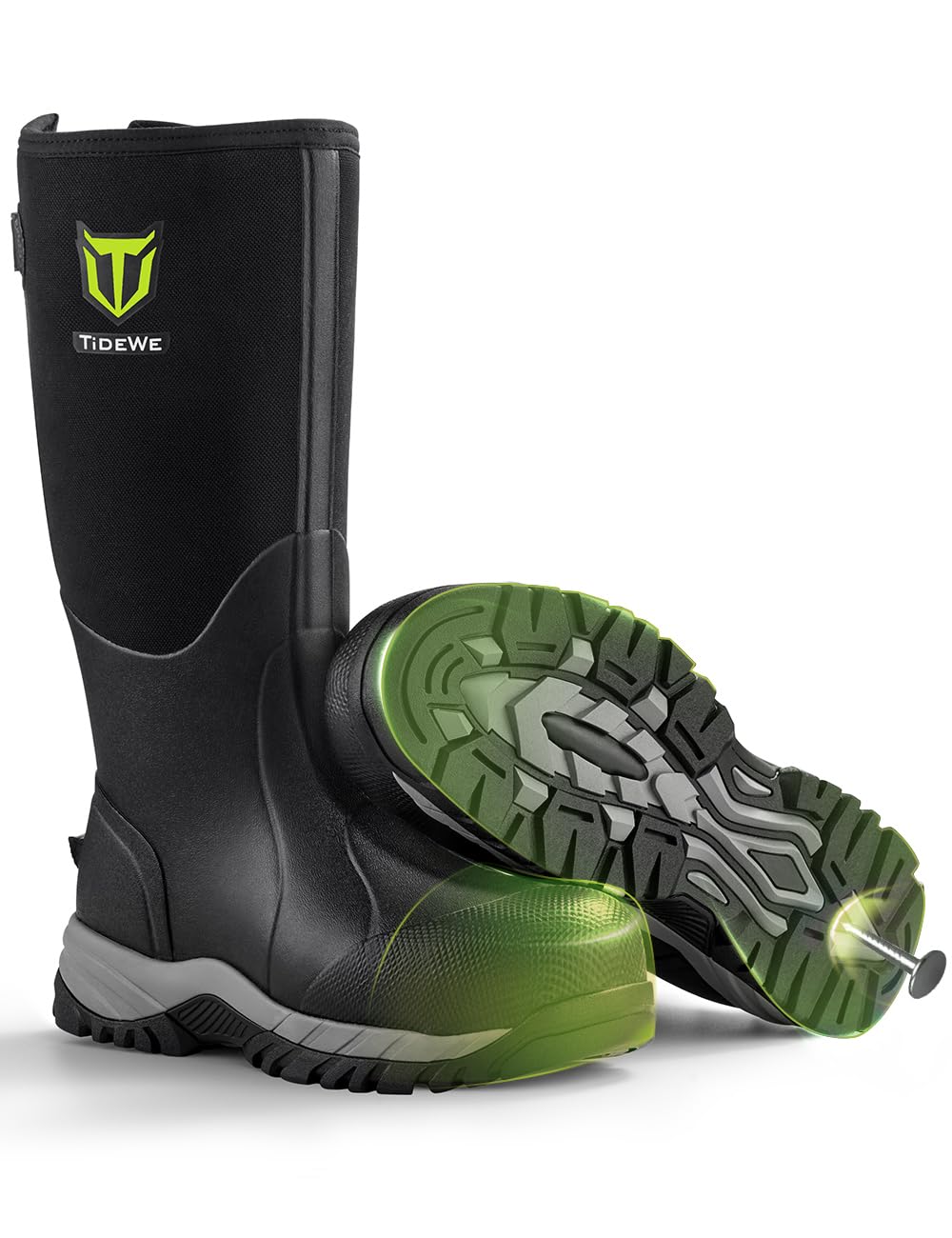


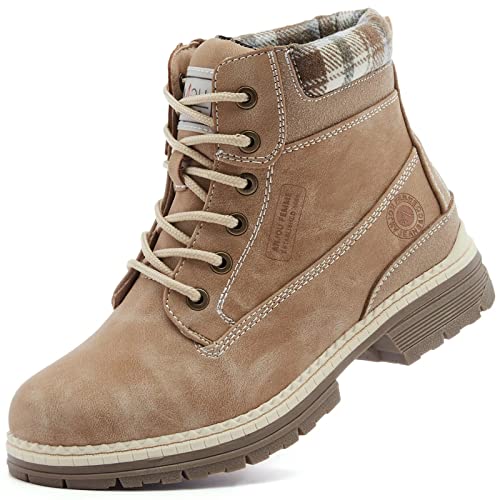
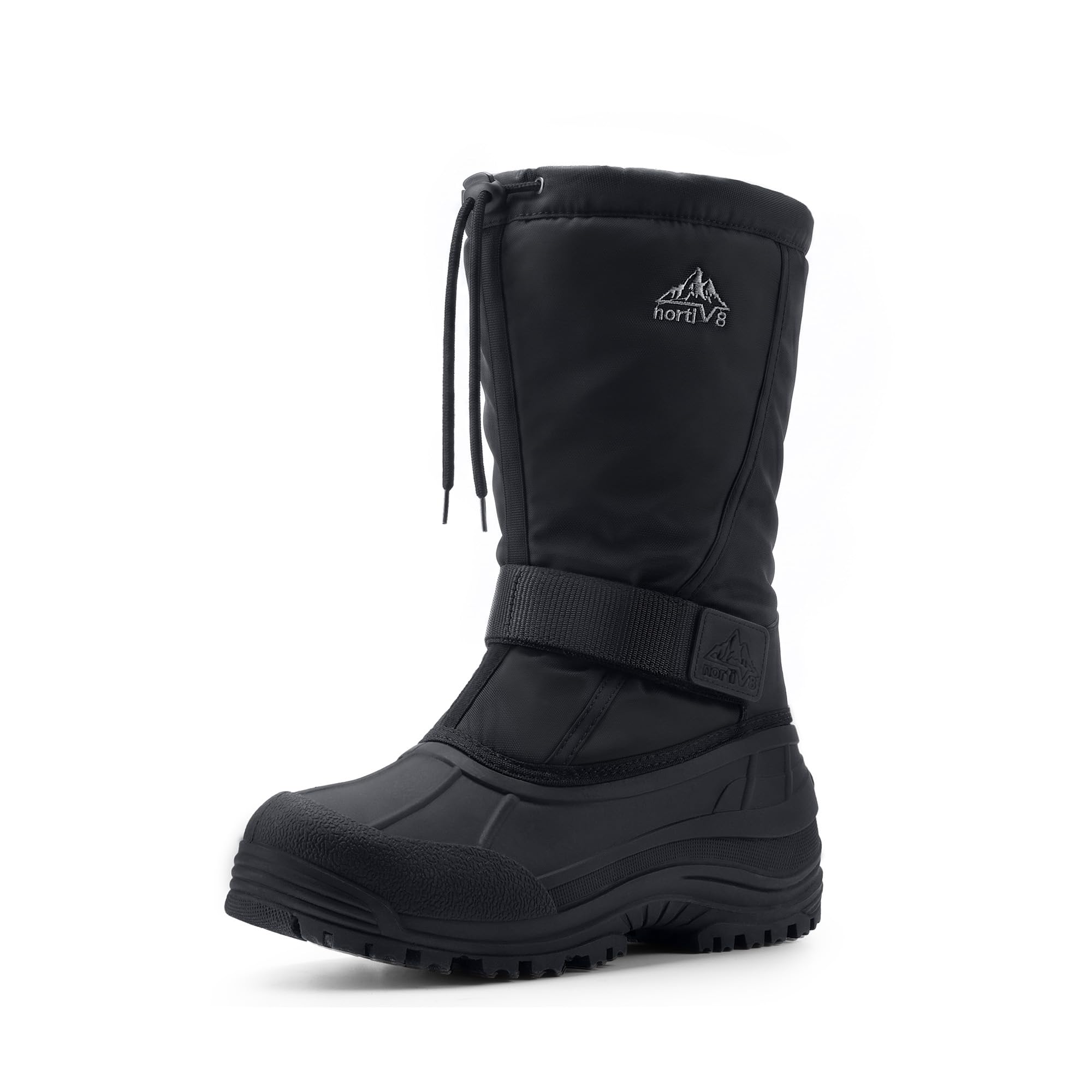
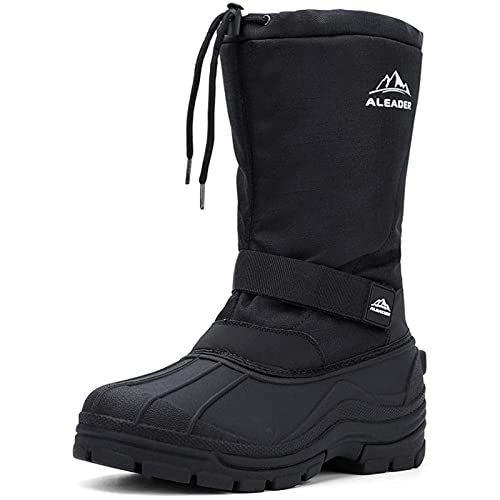

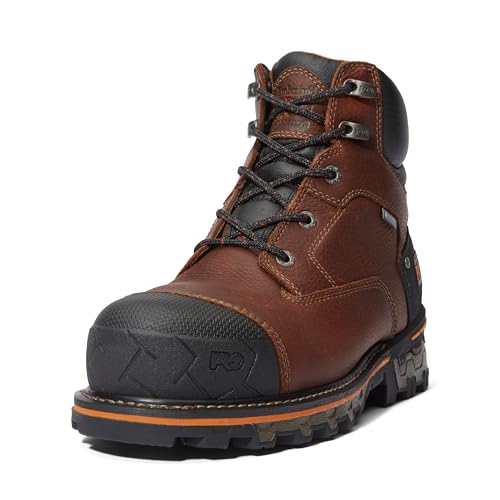
Who Should Buy Which Boots?
Because routine drives every other choice, the groups below sort best cold weather waterproof boots by how people actually use them. Find your group, then carry its insulation class into the features that follow.
For People Who Stand Still in the Cold
If your winter means ice fishing, outdoor posts, snow clearing breaks or watching games from a cold sideline, your feet produce little heat of their own. Choose the still class of insulation, about 600 to 800 grams, with a tall shaft that keeps snow out when you step off the packed path. A removable liner you can dry overnight is worth more here than a light feel. Expect about $130 to $220.
For Active Winter Hikers and Hunters
Steady movement is its own heater, so active walkers overheat in heavy insulation and end up with damp socks. The active class, about 200 grams, pairs with a breathable upper and a grippy sole for packed trails. Hunters who sit in a blind as much as they walk can compare the best cold weather waterproof hunting boots, which lean toward the middle gram classes. For open ground days, the best cold weather hunting boots favor lighter builds and firmer ankle support.
For Mixed Days of Work and Errands
Many buyers move between a cold yard, a warm truck and a heated store all day, and that swing punishes both extremes. The mixed class, about 400 grams, is the safe middle: warm enough for an hour outside, not so warm that indoor stops turn sweaty. Outdoor crews can narrow the field with the best cold weather work boots, which add protective toes to the same classes. Prices for this class run about $100 to $180.
For Weekend Beginners and Short Outings
If your cold weather time is a dog walk, a school run and the odd snowy weekend, you do not need expedition gear. A 200 to 400 gram boot with a simple waterproof lining covers nearly every short outing. Spend on fit and grip rather than on the highest gram rating on the shelf. Most beginners pay about $80 to $150.
Key Features to Compare
Insulation Weight, Read in Grams
Insulation is honestly read in grams, and the three working classes are simple: about 200 grams for active use, about 400 grams for mixed days, and about 600 to 800 grams for standing still in deep cold. Treat the temperature number on the box with care, because a maker rating is not a standardised measurement and each brand measures in its own way. Grams are still the only warmth figure you can compare across brands, even when two boots at the same weight feel slightly different. Pick the class by your stillest hour outdoors, not your warmest.
Waterproofing Stops at the Lining Height
A waterproof membrane is a thin lining sealed inside the boot, and it only guards you up to the height where that lining ends. Step into a stream or slush puddle deeper than the lining, and water pours over the top no matter how good the membrane is. Look for a gusseted tongue that keeps the opening closed and sealed seams on stitched uppers. Height, not the word waterproof, is the figure that matters, and routines with mostly falling snow can accept a shorter, better breathing lining.
Fit, Sizing, and the Toe Box
Measure your feet in the afternoon, when they are at their largest, and try boots on while wearing the socks you plan to use. Your toes need room to wiggle, because a tight toe box restricts blood flow and makes feet feel colder, not warmer. Leave roughly a thumb width in front of your longest toe so downhill steps do not jam your toes forward, and if you fall between sizes, take the larger one. Men comparing lasts across brands can also scan the best cold weather men's boots for notes on wider fits.
Upper Materials and Breathability
Full grain leather uppers shrug off brush and salt, and they hold a waterproof treatment, but they weigh more and dry slowly. Synthetic and split leather builds are lighter, cheaper and quicker to break in, yet they give up some long term toughness. Every waterproof lining traps some vapor too, so the drier a boot keeps outside water, the more sweat it holds. Active users should favor lighter uppers, while still users can accept a heavier, warmer shell.
Socks Do Half the Warmth Work
A sock is half the warmth system, and the wrong sock can defeat an expensive boot. Choose wool blend socks that hold warmth even when damp, and avoid cotton, which soaks up sweat, goes cold and stays cold for the rest of the outing. A thin liner sock under the main sock cuts friction, and a spare dry pair in your bag can rescue a wet afternoon. Match sock thickness to your boot fit before you blame the insulation.
Durability and Expected Lifespan
A good winter boot should last several seasons of regular use, and the wear points are easy to inspect: deep lugs wear first on pavement, linings thin at the heel, and cheap seam glue lets go where the upper flexes. Stitched soles generally outlast glued ones and can sometimes be repaired, while removable liners extend the life of the whole boot. Judge cost per season, not cost per purchase.
Common Mistakes to Avoid When Buying Cold Weather Waterproof Boots
- Trusting the temperature rating on the box instead of comparing insulation in grams, because maker ratings are not standardised.
- Buying your summer shoe size, then finding that thick winter socks turn the fit painfully tight.
- Assuming waterproof means any depth, when every lining ends and deep water simply pours over the top.
- Wearing cotton socks, which soak up sweat and leave your feet colder than a cheaper boot would.
- Skipping the warranty and liner replacement options, which matter more in a boot you keep for years.
Setup and Care Tips
Dry wet boots at room temperature away from direct heat, because radiators and heat vents crack leather and soften sole glue; pull the insoles out, loosen the laces and stuff the boots with newspaper so moisture moves out of the lining. Brush off road salt after each use in town, and store boots clean, dry and upright through the off season. Warmth has a safety limit too: if toes stay numb, pale or waxy after you come indoors, warm them gently and seek medical care, because those are signs of frostbite.
Frequently Asked Questions
How should cold weather waterproof boots fit?
Cold weather waterproof boots should fit snug at the heel and roomy at the toes. Your heel should stay planted when you walk, while your toes need space to spread and wiggle, since cramped toes lose circulation and feel colder. Try them late in the day with winter socks on. A fit that feels perfect with thin socks in the store often turns tight on a real outing, so judge the fit with your full winter setup.
Can I wear cold weather waterproof boots all day?
Yes, you can wear cold weather waterproof boots all day if the insulation class matches your activity. The common failure is wearing a still rated boot through a day of mixed indoor and outdoor stops, which overheats your feet and leaves socks damp for the cold hours. If your day swings between heated rooms and cold streets, the middle gram class and a spare pair of socks will beat the warmest boot on the shelf.
How long is the break in period for insulated winter boots?
The break in period for insulated winter boots is usually about one to two weeks of short wears. Leather uppers need the most time, softening where the ankle flexes, while synthetic uppers often feel fine almost at once. Start with walks of an hour or less and add time as hot spots fade. Thick insulation can hide a poor fit at first, so judge the break in by heel slip and toe room after a full walk, not by the first try on.
Are expensive cold weather waterproof boots worth the money?
Expensive cold weather waterproof boots are worth it when you stand still in deep cold or wear them daily for work. Higher prices usually buy heavier insulation, stitched construction, replaceable liners and better sole rubber. For weekend use in moderate cold, a mid priced pair in the right gram class will keep you just as warm. Spend first on the insulation class and fit, and let brand and finish come last in the decision.
How often should I replace cold weather waterproof boots?
Replace cold weather waterproof boots when the lining leaks, the lugs are worn smooth, or the insulation feels packed flat and cold. For most owners that point arrives after several seasons. A simple home check helps: stand in a few inches of water for a minute and feel for dampness at the seams. Replace the insoles and liners first if the shell is still sound, because worn footbeds alone can make a good boot feel tired.
The Bottom Line
Match the gram class to your stillest hour, respect the lining height, and leave room for real winter socks, and the product table above will sort itself quickly. Active walkers belong near 200 grams, mixed routines near 400, and anyone standing still in deep cold near 600 to 800. Choose the best cold weather waterproof boots for your routine rather than the warmest pair on the shelf, and they will earn their place by the door all winter.