
Best Cold Weather Waterproof Hunting Boots for 2026: What Actually Matters Before You Buy
Disclosure: We may earn a commission when you buy through links on this page, at no extra cost to you. As an Amazon Associate I earn from qualifying purchases. Learn more

Compare the best cold weather waterproof hunting boots by insulation, membranes, fit and traction for late season hunts.
Cold feet end more late season hunts than bad weather does. Once your toes go numb in a stand or your boots soak through in wet snow, warmth and focus disappear fast. The best cold weather waterproof hunting boots solve both problems at once, pairing real insulation with a membrane that keeps meltwater and creek water out.
This guide walks through the checklist that matters before you spend money: insulation matched to how you hunt, honest waterproofing, room for thick socks, and traction on frozen ground. Use it alongside the comparison table below to build a shortlist, then check the details that decide whether a boot stays warm on day five of a hunt, not just on day one.
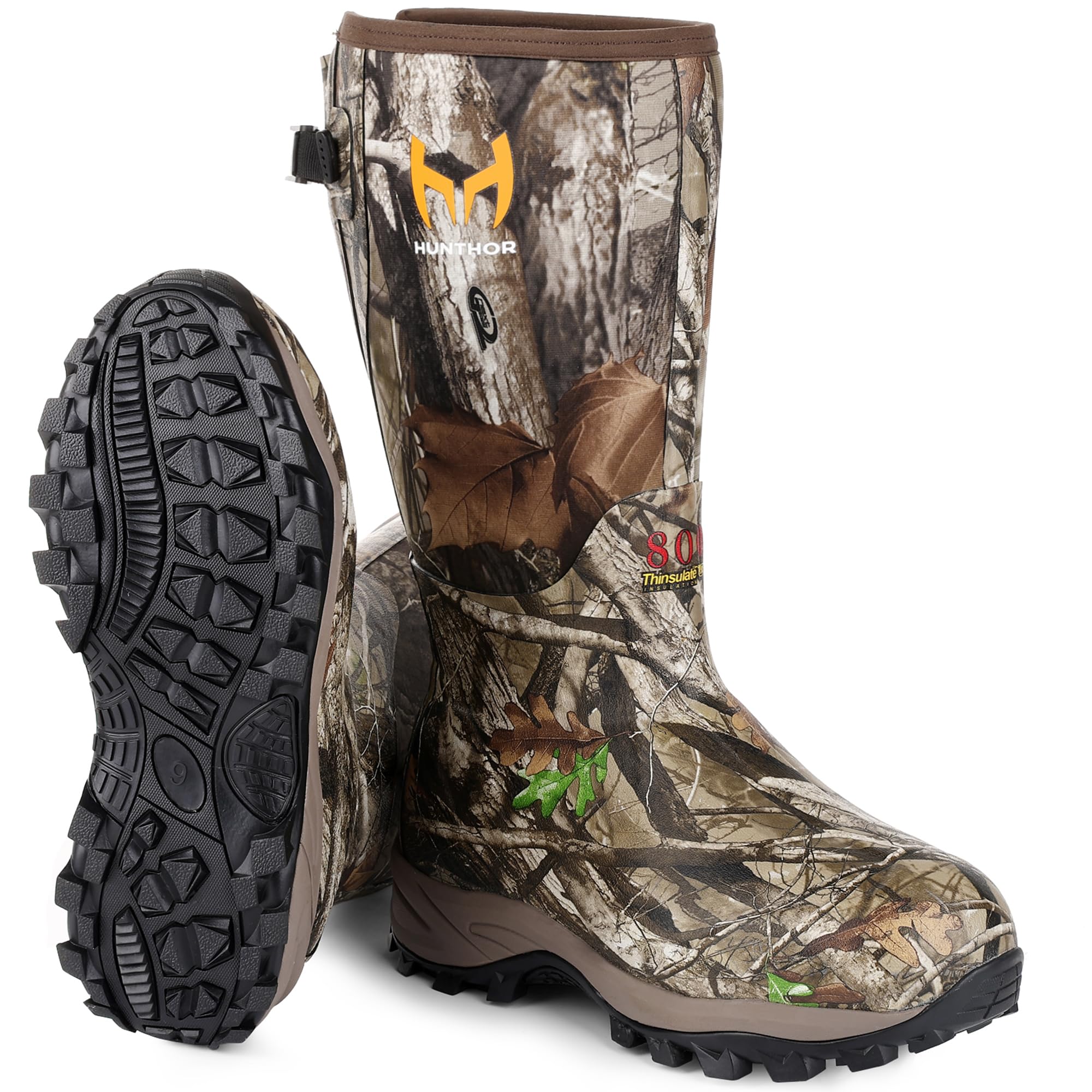


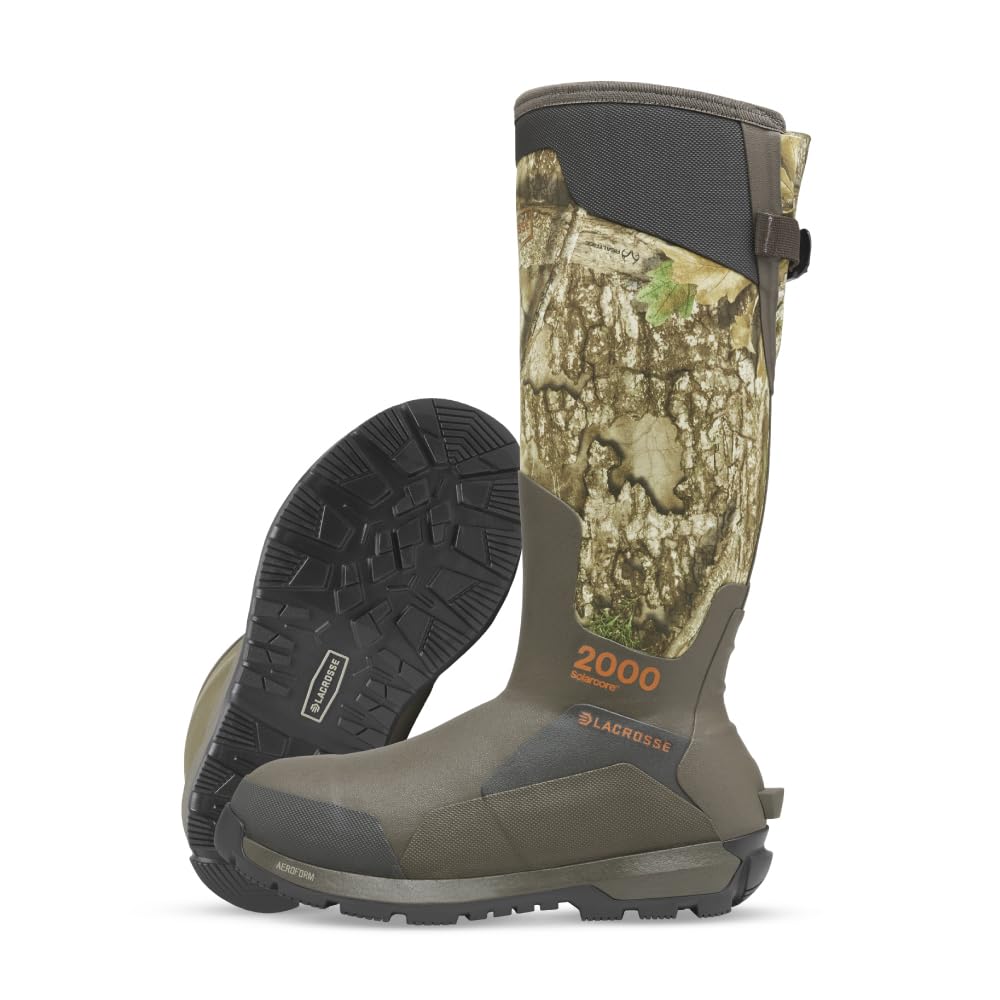


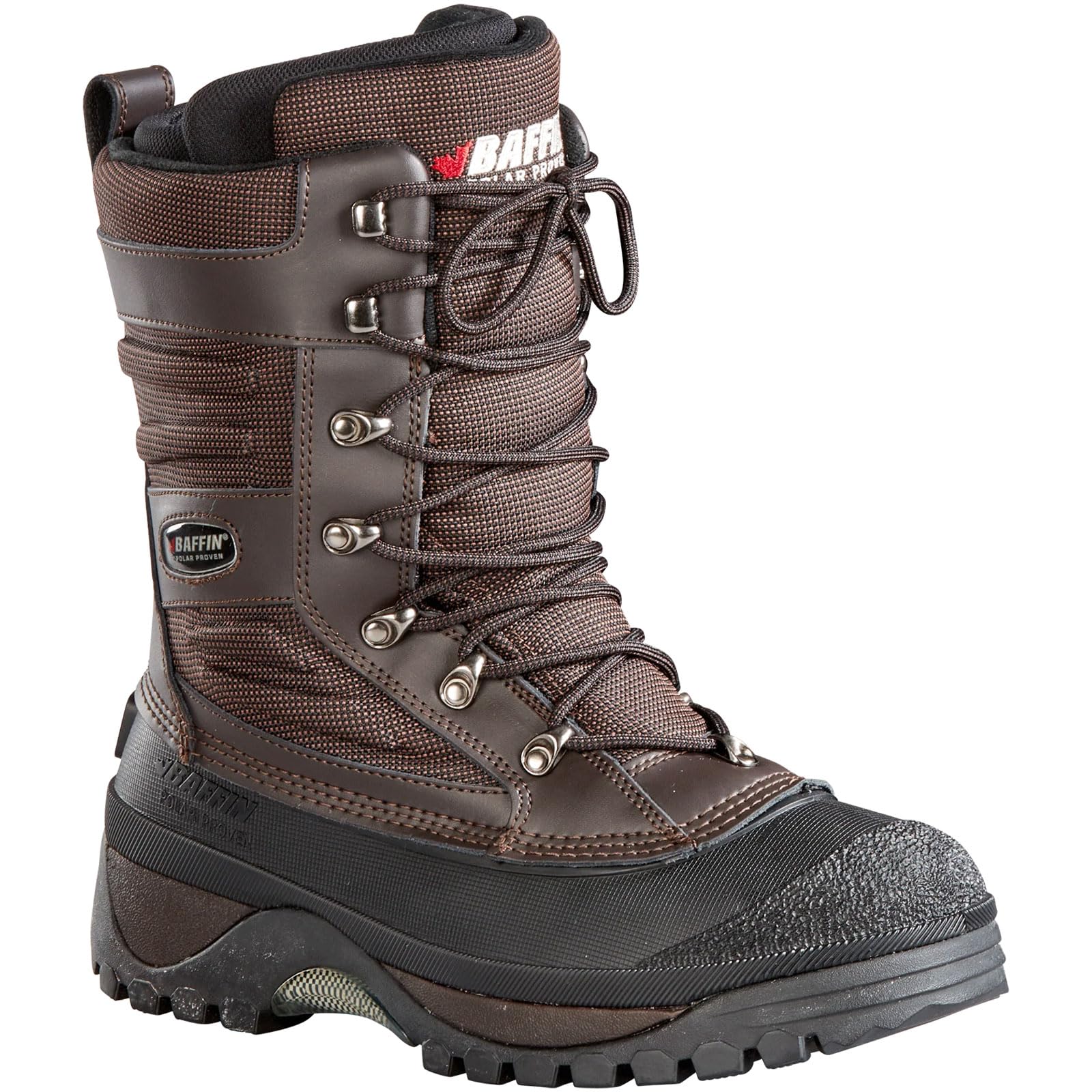
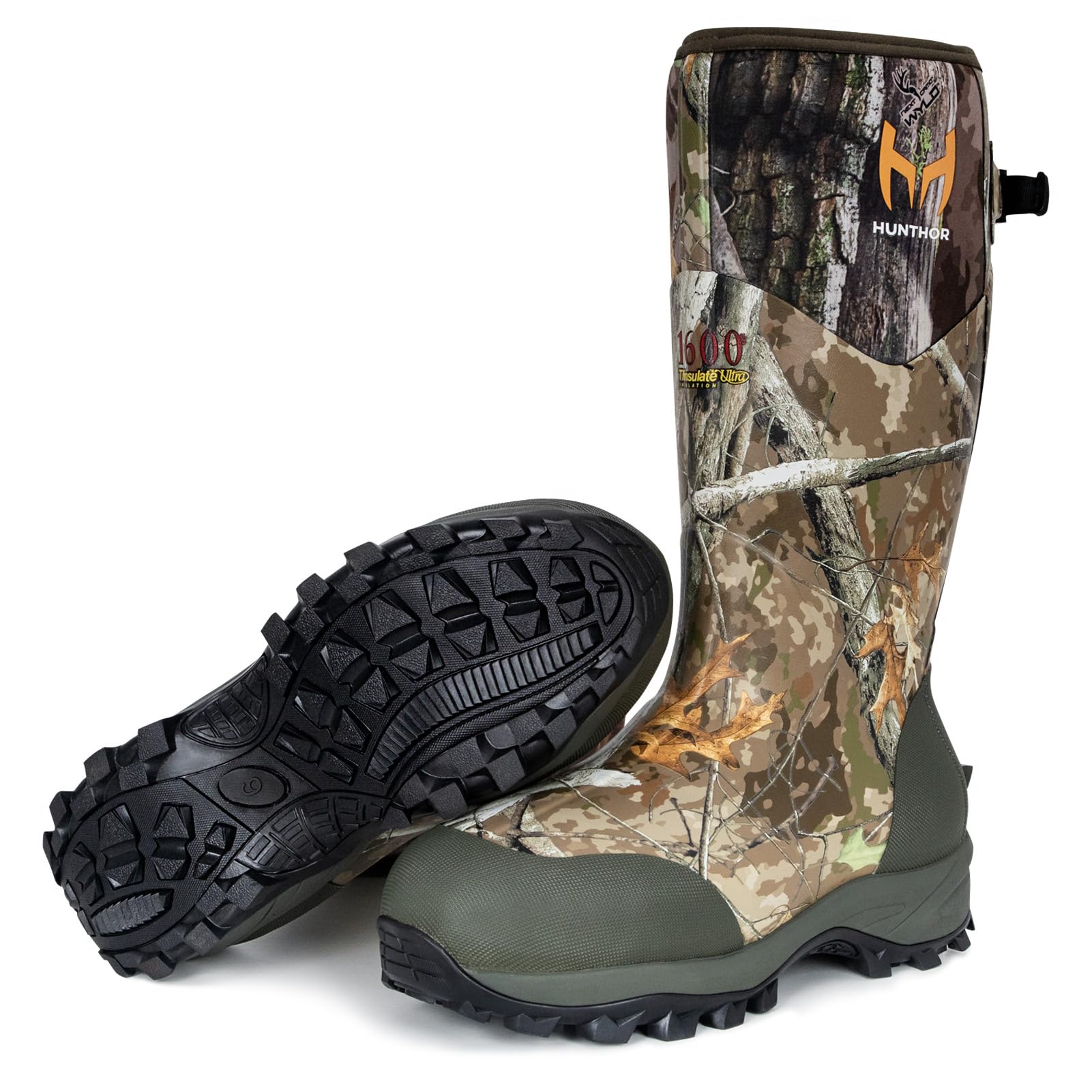
Key Features to Compare Before You Buy
Every factor below affects warmth, dryness, or comfort on a real hunt. Weigh them in roughly this order, because a boot that fails on insulation or fit will disappoint you no matter how tough it looks in photos.
Fit, Sizing, and Toe Box
Try boots on late in the day, when your feet are at their largest, and wear the exact socks you plan to hunt in. You want about a thumb width of space in front of your toes and a toe box roomy enough to wiggle them, because cramped toes restrict blood flow and feel cold much sooner. Your heel should stay planted as you walk, with no lifting at each step.
Sizing runs differently between brands, so measure your foot in inches and compare it with the maker size chart instead of trusting your usual number. Women shopping on a narrower last can start with our guide to the best women's hunting boots for cold weather, since a scaled down men's boot rarely fits a narrower heel and ankle well.
Insulation Matched to How You Hunt
Insulation is sold by weight, commonly 200, 400, 800, or 1200 grams, and more is not always better. Sitters in a blind or a stand generate little body heat, so 800 grams or more helps feet stay warm through long motionless hours. Hunters who walk ridges all day often stay warmer in about 400 grams, because steady movement creates heat and very heavy insulation traps sweat that later chills the foot.
Cold injury is the real risk behind these numbers. Stop and rewarm your feet if toes stay numb after you start moving again, and treat pale or waxy looking skin, or blisters found after a hunt, as signs to seek medical care promptly. If you live with diabetes or poor circulation, talk with your clinician about safe insulation and sock choices before the season opens.
Waterproofing With Gore Tex and Other Membranes
A waterproof boot relies on a membrane bootie inside the upper, often Gore Tex or a maker own membrane, plus sealed seams and a gusseted tongue. That construction keeps water out while letting some sweat vapor escape, which is why such boots are described as breathable. The tradeoff is real: the more waterproof the boot, the slower it dries once moisture from your own feet builds up inside.
Remember that waterproofing only works up to the top of the gusset, so a low boot still floods on a deep crossing. If your hunting is only part of your winter, our guide to the best waterproof boots for cold weather covers general cold weather choices beyond the woods. For hunting, match shaft height to the deepest water and snow you honestly expect to cross.
Arch Support, Cushioning, and Stability
Most hunting boots have a heel to toe drop of about 8 to 12 mm, which suits walking under a pack on uneven ground. Flat feet usually feel better with firmer arch support that limits inward roll, while high arches often need extra cushioning under the heel and forefoot. Good stability matters most on side hills and frozen ruts, where a supportive midsole keeps your ankle from tipping on ground that gives no warning. If a stock insole feels thin, a quality replacement insole is a cheap way to fix support without changing boots.
Upper Materials and Breathability
Full grain leather uppers resist brush and rock better than most fabrics and mold to your foot over time, but they are heavier and dry slowly. Synthetic panels cut weight and dry faster, which suits hunters who cross water often and need boots ready again by morning. In deep cold, a liner sock that moves moisture away from skin often does more for warmth than the upper material itself.
Weight and Flexibility
A pair of insulated hunting boots commonly weighs about 3 to 5 pounds, and every extra pound feels like far more by the last mile of a day. A stiff shank protects your feet on steep, rocky climbs and helps when you carry heavy loads out. Flatter ground and shorter walks call for a more flexible boot that rolls naturally with your stride. Flex the boot by hand in the store: it should bend at the toes, not fold in the middle of the arch.
Durability and Expected Lifespan
Look for stitched or well bonded seams, a rubber rand protecting the toe, and hardware anchored through the upper rather than glued on the surface. One piece rubber lowers shrug off water and mud season after season, while leather uppers last longest when seams sit away from the flex point at the toes. Built this way, a boot should serve several seasons of regular hunting.
Who Should Buy Which Style of Boot
Start from how you actually hunt, then let insulation, height, and weight follow from that. If you want a broader look at warmth first designs before narrowing down, see our guide to the best cold weather hunting boots for the wider category.
Stand Hunters Who Sit for Hours
Sitting still is the hardest challenge a boot can face, because your body produces almost no extra heat. Choose the highest insulation you can find, a tall shaft that keeps snow out when you shift position, and a roomy toe box that leaves space for a heavy sock plus a thin liner. Our guide to the best insulated hunting boots for cold weather focuses on exactly this warmth first style of boot.
Spot and Stalk Hunters Who Cover Miles
If your hunts involve ridges, draws, and long approaches, moderate insulation around 400 grams usually beats maximum warmth. Your own movement supplies heat, and a lighter, more flexible boot with solid ankle support keeps legs fresher for the shot that may come at last light. Prioritize a secure heel fit and an outsole that grips wet rock, and accept that you may add a heavier sock on the coldest mornings instead of buying a second, warmer pair.
Late Season Snow and Slush Hunters
When your season means slush, flooded timber, and snow that melts by noon, rubber boots earn their place. A knee high rubber boot with insulation sheds water completely and carries little scent, which matters for deer hunting in wet ground. Our guide to the best rubber hunting boots for cold weather covers this style in depth. The tradeoff is support: rubber boots give less ankle stability and arch support, so rough terrain hunters should treat them as a second pair rather than an only pair.
Quick Buyer Checklist
Before you pay, run through these questions honestly. A single no on the first four usually means you should keep looking.
- Does the insulation weight match how still or how active your hunts really are?
- Can you wiggle every toe while wearing your thickest hunting socks?
- Does the waterproof gusset sit higher than the deepest water you cross?
- Does your heel stay locked in place when you walk down a slope?
- Are the outsole lugs deep and open enough to shed mud and grip wet logs?
- Can you exchange the boots after indoor wear if the fit feels wrong at home?
- Does the total weight still feel reasonable at the end of a full day on your feet?
Red Flags to Watch For
When you shop for the best cold weather waterproof hunting boots, some models look serious in photos and fail in the first wet week. Watch for these warning signs before you buy.
- Insulation described only with words like warm or extreme, with no gram weight listed anywhere.
- Waterproof claims with no mention of a membrane, sealed seams, or a gusseted tongue in the specs.
- A fit that already pinches your toes in the store, since thick socks and cold stiffened materials only make it worse.
- Smooth outsoles with shallow lugs being sold for icy, muddy, or steep ground.
- A warranty of only a few months on boots priced as if they should last several seasons.
Any one of these is a reason to slow down. Two or more together usually mean the maker spent the budget on looks instead of warmth and waterproofing.
How to Make Your Cold Weather Waterproof Hunting Boots Last Longer
Always dry wet boots slowly at room temperature, away from direct heat. Pull the insoles out, loosen the laces fully, and let air circulate for a full day or more; a low heat boot dryer is fine, but a spot beside a wood stove can crack leather and damage the membrane. Brush off mud after each hunt, because dried mud pulls moisture out of leather and grinds into seams as you walk.
Condition leather uppers when they start to look dry, and restore the water repellent finish on fabric panels when water stops beading on the surface. Store boots upright in a cool, dry place, never crushed under other gear while still damp.
FAQ
Do you need waterproof hunting boots for cold weather hunts?
Yes, in most late season conditions you do, because snow melts on warm leather, slush soaks seams, and one wet crossing can end a hunt. The exception is very cold, dry powder snow that never melts during the day, where water resistant leather may cope. A practical middle step is pairing a waterproof boot with tall gaiters, which extend protection above the shaft when snow gets deeper than expected.
How long is the break in period for cold weather waterproof hunting boots?
Most leather hunting boots need about 10 to 20 miles of walking before the upper softens and the fit settles. Start with short walks near home and an hour of indoor wear, and treat any hot spot as a signal to adjust socks or lacing before it becomes a blister. Rubber boots are the exception: they need almost no break in, but they also never mold to your foot, so the fit you feel on day one is the fit you keep.
How often should you replace cold weather waterproof hunting boots?
Replace them when the membrane leaks even after you restore the outer finish, or when the midsole feels flat and your feet ache after walks that used to feel easy. A simple check is standing in shallow water for a few minutes at home: damp toes confirm the waterproofing has failed. Tread worn smooth at the heel and toe is another clear sign, since no treatment brings back lost grip on ice and wet rock.
Are expensive cold weather waterproof hunting boots worth the money?
They can be, because higher prices usually buy a better membrane, stronger seam work, and insulation that keeps its loft after seasons of compression. Judge value by cost per season rather than by the tag: a costly boot that serves five seasons is cheaper than a bargain boot replaced every year. That said, mid priced boots often cover the needs of hunters who get out a handful of weekends each year, so pay for durability in line with your actual days afield.
How should cold weather waterproof hunting boots fit?
They should fit snug through the heel and midfoot, with open space around the toes for thick socks and air that helps insulation work. One detail many buyers miss: try the boots with the replacement insole you plan to hunt in, because a thicker insole can turn a roomy fit into a cramped one. Measure both feet and fit to the larger one, since feet are rarely the same size and the smaller foot can take an extra liner sock.
Can you wear cold weather waterproof hunting boots all day?
Yes, you can wear them all day if the fit and insulation match your activity, and most hunters do exactly that from before dawn to dark. Two habits make long days easier: loosen the laces while you sit in a stand so blood flow to your toes improves, and swap to a dry pair of socks at midday if your feet have sweated during the walk in. Ending the day in dry socks also makes the walk out noticeably warmer.
Final Thoughts
Three choices decide almost everything with this purchase: insulation matched to how still or active you hunt, a fit that leaves your toes room to move, and waterproofing that reaches higher than the water you cross. Get those right and the boots in the product table above become easy to compare on weight, materials, and price. For most hunters, the best cold weather waterproof hunting boots are simply the pair whose warmth, fit, and shaft height match the season they hunt most, so start there and let the details confirm the decision.


