
Best Cold Weather Socks for Boots: Matching the Right Model to Your Routine for 2026
Disclosure: We may earn a commission when you buy through links on this page, at no extra cost to you. As an Amazon Associate I earn from qualifying purchases. Learn more
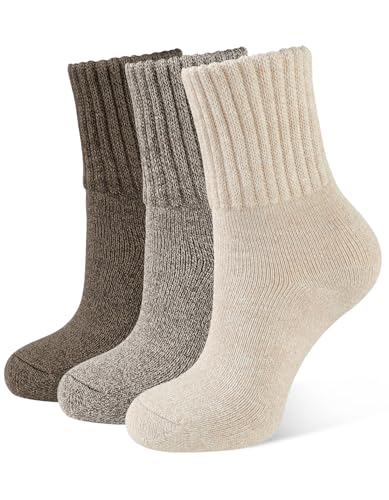
Compare the best cold weather socks for boots by wool content, cushioning, height and fit inside winter boots.
Boots get the credit for warm winter feet, but the sock does much of the real work. A great boot paired with a thin cotton sock still leaves toes cold, because cotton holds sweat against the skin and sweat steals heat fast. There is no single best cold weather socks for boots choice for everyone, since a work shift, a hunt, and a winter hike each stress your feet differently.
This guide matches sock weight, height, and materials to your routine, then explains the features that matter inside a boot. Use the comparison table below to compare options quickly, then read the sections for your use case before you buy a drawer full of the wrong pair.
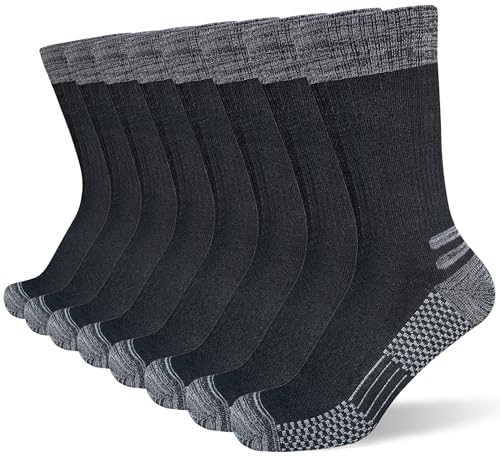

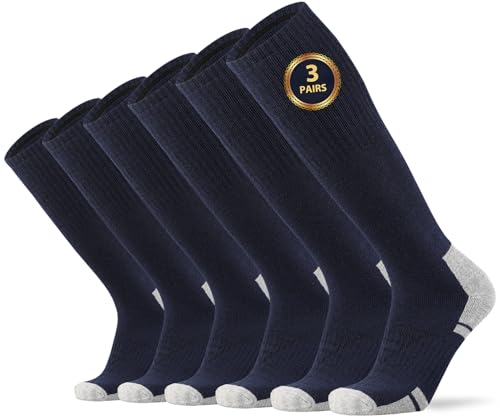

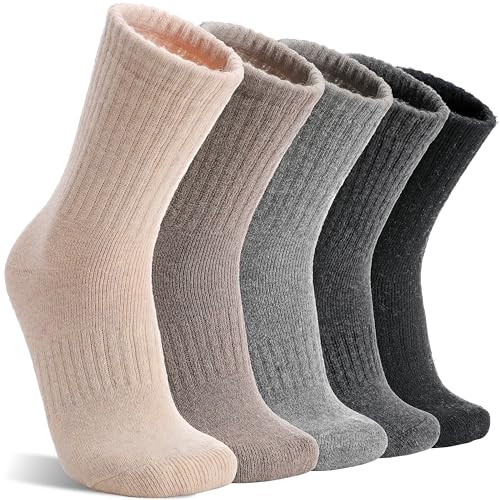
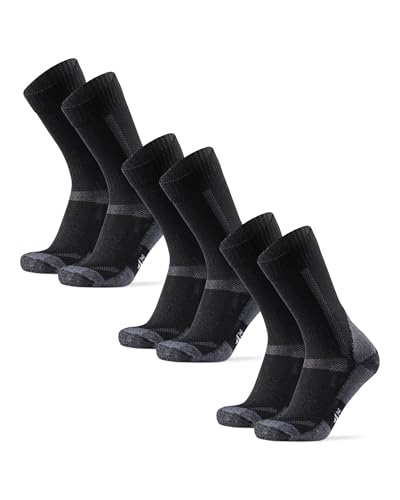
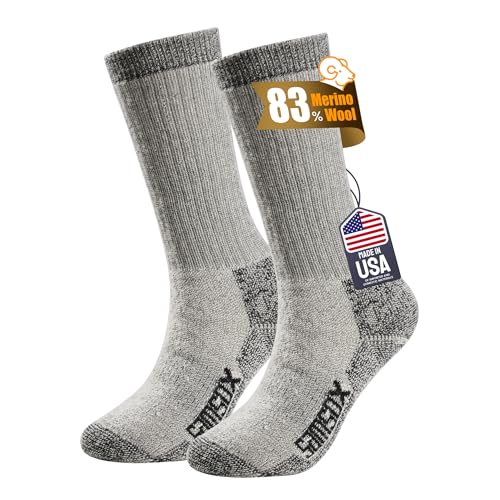
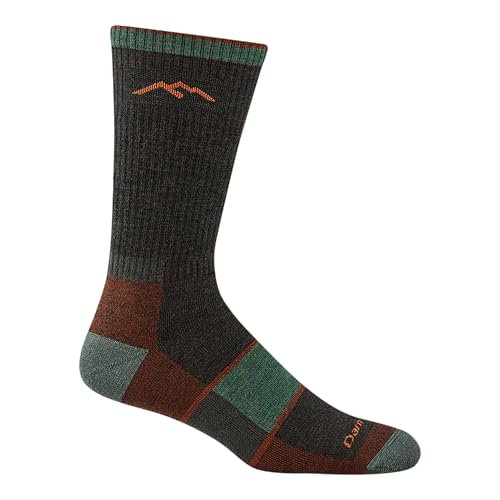

Who Should Buy Which Cold Weather Socks?
For Frequent or Serious Users
If you spend whole winter days in boots, invest in socks built for performance and durability, typically around $18 to $28 per pair. Look for a high merino wool content, targeted cushioning at the shin and sole, and a reinforced heel and toe that resist holes. Serious users also benefit from a structured arch band that keeps the sock from sliding and bunching inside the boot. Buy at least three pairs so rotation never forces you into a damp backup pair.
For Bad Weather and Tough Conditions
Storm days, slush, and unheated work sites call for the warmest category: heavyweight socks with dense terry loops through the whole foot and leg. Pair them with boots that have enough volume, because a thick sock in a snug boot cuts circulation and backfires. If your work happens in insulated footwear already, our guide to the best cold weather work boots explains how boot insulation and sock weight should balance rather than simply stack.
For Small Spaces and Easy Storage
Socks are naturally compact, but multi pair wardrobes still benefit from planning. Midweight socks in a few versatile colors cover most routines and pack flat in a drawer or travel bag. Travelers should favor merino blends, since merino resists odor for two or three days of wear, which means fewer pairs per trip. Store winter socks loosely rather than balled tight, because stretching the cuff elastic during storage shortens its useful life.
Key Features of the Best Cold Weather Socks for Boots
Fit, Sizing, and Toe Box
A winter sock should fit like a second skin without squeezing. Measure your foot in the afternoon and match the measurement to the size chart of the brand, because sock sizing varies more than shoe sizing. Inside the boot, your toes need room to spread and wiggle; a roomy boot toe box helps, but a sock that is too large will wrinkle and rub. If you shop for new footwear as well, the guide to the best cold weather boots covers boot volume and fit in detail.
Cushioning and Support
Cushioning is insulation you can feel. Terry loop padding under the sole traps warm air and softens impact on frozen ground, while lighter padding on top of the foot keeps the boot fit precise. Full cushion socks suit standing work and long hikes; targeted cushion suits active days when feet run warmer. An arch compression band adds support and keeps the sock anchored, which matters because a sock that migrates inside a tall boot is nearly impossible to fix mid day.
Features That Matter for Boots
Boots demand specific sock traits that shoes do not. Height is first: the sock cuff must rise above the boot top with a couple of inches to spare, or the boot edge will rub bare skin all day. A smooth toe seam prevents hot spots where boot volume is tight. Shin padding protects against lace pressure from stiff winter boots. Hunters in tall insulated boots will find more on matching layers in our guide to the best cold weather hunting boots, where long sits in cold blinds raise the warmth bar further.
Durability and Expected Lifespan
A quality winter sock worn weekly should last two to three seasons before the cushioning thins and the elastic relaxes. Nylon blended into the heel, toe, and sole extends life where boots abrade fabric most. Rotate pairs so each rests at least a day between wears, and wash inside out in cool water. Retire socks when the sole padding feels papery thin, because thin padding means thin insulation, and no boot can compensate for that loss.
Upper Materials and Breathability
Merino wool is the benchmark material because it insulates while damp, manages odor, and feels soft against skin. Blends add nylon for strength and a touch of elastane for shape. Synthetic socks cost less and dry faster, which suits very wet work, but they hold odor and feel clammy sooner. Avoid cotton entirely for cold weather boot wear. Whatever the fiber, the sock must move sweat outward; a breathable boot lining completes the system, a point covered for men shopping tall winter footwear in our guide to the best cold weather men's boots.
Common Mistakes to Avoid When Buying Cold Weather Socks
- Wearing cotton socks. Cotton absorbs sweat, loses insulation when wet, and is the fastest route to cold, blistered feet in winter boots.
- Doubling up two thin socks. Two layers often squeeze the foot inside the boot and create friction; one proper winter sock works better.
- Ignoring sock height. A sock shorter than the boot top guarantees a rubbed raw band around your calf by midday.
- Judging by price alone. The cheapest multi packs usually skimp on wool content and cushioning exactly where boots demand both.
- Skipping a home trial. Wear new socks in your boots around the house first, and exchange sizes before a long day exposes a bad fit.
How to Make Your Cold Weather Sock Last Longer
Wash socks inside out on a gentle cycle with mild detergent, and skip fabric softener, which coats wool fibers and weakens their moisture handling. Air dry flat or on a rack away from direct heat, because dryer heat degrades elastic and shrinks natural fibers. Trim toenails regularly, since long nails are the top cause of toe holes. Keep winter socks in their own drawer section so they are not crushed under heavier clothing, and mend a small thin spot early before it becomes a hole. For trail days that mix boots and long miles, the layering notes in our guide to the best hiking boots for cold weather pair well with these care habits.
Cold Weather Socks: Your Questions Answered
What features matter most in cold weather socks for boots?
Merino content, full sole cushioning, and a cuff that clears the boot top matter most. Together they handle warmth, impact, and skin protection in one system. One detail buyers overlook is the toe seam: a flat or linked seam prevents the ridge of fabric that causes toe blisters inside snug winter boots, and it costs nothing extra on well made socks.
How often should I replace my cold weather socks?
Replace them when cushioning feels thin, the cuff no longer stays up, or holes appear at the heel or toe. For weekly wear that is usually every two to three winters. A quick home check helps: hold the sole area up to a light, and if you see a bright, thin patch where padding once was, that pair has given its warmth away already.
Are expensive cold weather socks worth it?
Yes, for anyone spending long days in boots, because price usually tracks wool content, denser cushioning, and stronger reinforcement. A pair around $20 to $28 outlasts two or three bargain pairs and feels warmer throughout its life. Casual wearers who step out for an hour at a time can happily choose mid priced options and put the savings toward a second pair for rotation.
Do I need waterproof socks for winter boots?
Most people do not, because a waterproof boot already blocks outside moisture, and waterproof sock membranes can trap sweat against the skin. The exception is work or hunting in boots that leak or in knee deep slush, where a waterproof sock acts as insurance. If your feet regularly end the day damp in dry weather, the problem is sweat management, and a more breathable sock solves it better than a membrane.
How long is the break in period for cold weather socks?
There is effectively no break in period; a good pair feels right on the first wear. The first wash may soften the fibers slightly and improve the fit as the sock conforms to your foot. If a pair feels scratchy or tight out of the package, that sensation rarely improves, so exchange rather than endure. Note your size and favorite model in your phone for painless reordering later.
Can I wear cold weather socks all day?
Yes, and all day wear is exactly what they are designed for, provided the boot leaves room for their thickness. Change into a dry pair if your feet sweat heavily by midday, because dry socks restore warmth instantly. People with diabetes or circulation problems should inspect their feet after long wear and ask a clinician about sock features, since numb feet may not signal a rub or pressure point in time.
Our Verdict
Choose by wool content, cushioning where your boot presses, and a height that clears the boot top with room to spare. Get those three right and almost any reputable pair will serve you well. Compare the options in the product table above, stock a small rotation, and the best cold weather socks for boots for your routine will keep every winter day warmer from the ground up.


