Best Cold Weather Slippers: Matching the Right Model to Your Routine for 2026
Disclosure: We may earn a commission when you buy through links on this page, at no extra cost to you. As an Amazon Associate I earn from qualifying purchases. Learn more

Compare the best cold weather slippers by insulation, soles, fit and care for chilly floors.
There is no single slipper that suits every cold home, every floor, and every pair of feet. A slipper that feels perfect for slow mornings on carpet can feel flimsy on tile, risky on porch steps, and far too warm for a heated apartment. That is why the best cold weather slippers for you depend on your routine first and the feature list second.
This guide sorts buyers by how they actually live, then explains insulation, soles, fit, and care in plain terms. Scan the comparison table below for a quick overview, then use the sections that match your days to narrow the choice with confidence.


Who Should Buy Which Cold Weather Slippers?
For Weekend Beginners
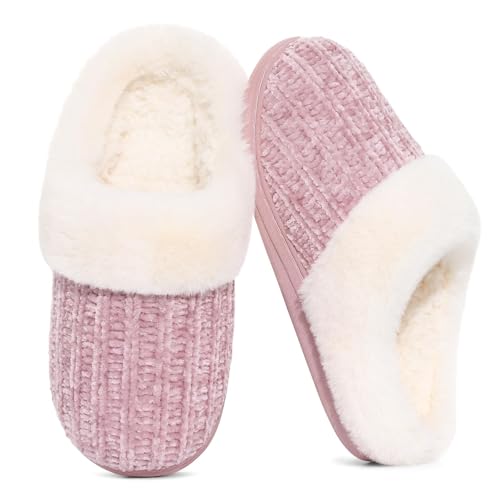
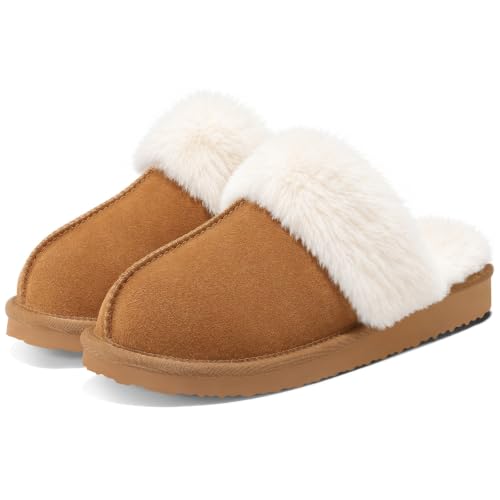
If you just want warm feet for lazy weekends, prioritize easy entry, soft insulation, and a price that feels painless, usually around $25 to $45. A moccasin or slip on style with fleece lining covers most casual use, and a simple rubber sole handles a quick trip to the mailbox. You do not need boot height or technical fabrics. Spend your attention on sizing, since a sloppy heel will annoy you every single morning.
For Frequent or Serious Users
Daily wearers should shop like they are buying footwear, not a novelty gift. Look for dense insulation that will not pack flat in a month, a shaped footbed with mild arch support, and a full rubber outsole rated for indoor and outdoor steps. Expect about $50 to $90, and check the warranty and return window, because you will learn more in one week of evenings than any size chart can tell you. Removable insoles are a bonus if you use orthotics.
For Small Spaces and Easy Storage
Apartment dwellers and frequent travelers need slippers that pack flat and store in a drawer or a shoe rack slot. Soft sided designs with flexible soles fold or compress without damage, and they weigh very little. The compromise is structure: these feel more like thick socks with a sole than supportive shoes. If storage space drives your choice, accept the softer feel and pick the warmest lining you can find in that slim format.
For Bad Weather and Tough Conditions
If your slippers must handle a cold garage, a snowy porch, or a dog that demands a yard trip at dawn, choose a bootie style with a water resistant upper, a high ankle collar, and lugged soles. These cost about $60 to $110 and blur the line between slipper and light boot. For full outdoor duty in deep cold, compare them with the options in our guide to the best cold weather boots, which explains when a real boot is the smarter buy.
Cold Weather Slippers for Specific Needs
Best Cold Weather Slippers for Camping
For a camping trip, think of them as tent and campsite footwear rather than house shoes. You need insulation that still warms after a day inside a damp pack, a sole that grips wet rock and pine needles, and a collar that keeps gravel and cold air out. Down or synthetic booties with a toughened sole panel suit car camping well. Keep them in a dry bag, and never wear your sleeping footwear for firewood runs through mud.
Best Cold Weather Slippers for Backpacking
For backpacking, the case rests on weight and compressibility above all else. Every ounce rides on your back, so hut and camp booties for backpackers use light synthetic fill, thin but grippy soles, and fabrics that dry fast after stream crossings. They will not support a loaded walk, and they are not meant to. Wear them only around camp, and your trail shoes get a rest while your feet recover in warmth.
Key Features to Compare
Weight and Flexibility
Light slippers feel effortless around the house and suit people who dislike anything boot like on their feet. The catch is that very light models often use thin soles and low density foam that compress quickly. Heavier bootie styles protect better on cold floors and outdoor steps. A simple check helps: if you can bend the sole nearly in half with one hand, expect a soft, flexible ride and modest support; a firmer fold means more structure underfoot.
Fit, Sizing, and Toe Box
Measure your feet in the evening, when they are at their largest, and wear the socks you plan to use. Your toes should brush nothing at the front, and the toe box should let them spread, because cramped toes feel cold even inside thick insulation. Many slippers come in whole sizes only, so if you fall between sizes, the larger size usually wins for winter wear. For feet that run cold at rest, our guide to the best slippers for cold feet adds circulation friendly fit advice worth reading.
Durability and Expected Lifespan
A daily wear pair typically lasts one to two winter seasons before the cushioning feels flat. Foam midsoles compress with body weight, linings mat down, and heel counters soften. You can stretch the lifespan by rotating two pairs, which lets foam recover between wears. Inspect the outsole every few months: once the tread smooths out at the heel and forefoot, traction on wet tile drops sharply and replacement time is near.
Break In Period and Comfort Out of the Box
Most soft slippers feel comfortable immediately, while structured styles with leather uppers or firm footbeds need about a week of evening wear to settle. During that period the lining molds to your heel and the footbed takes a light impression of your arch. Mild snugness across the top of the foot is normal at first; sharp pressure on the toes is not. If a pair still pinches after ten days of home wear, exchange the size rather than hoping for a miracle.
Outsole Traction and Terrain
The outsole decides where your slippers can safely go. Smooth or fabric soles belong on carpet and dry wood floors only. Textured rubber with shallow tread suits tile, laminate, and quick outdoor steps, while deeper lugs handle gravel paths and light snow. Cold floors steal heat through the sole, so a thicker outsole with an insulated midsole feels warmer than a thin one, even when the uppers match. Match the sole to your coldest, slickest surface, not your average one.
Common Mistakes to Avoid When Buying Cold Weather Slippers
- Judging by lining thickness alone. A lofty lining over a thin, cold sole still leaves feet chilled on tile or concrete.
- Ignoring weight and flexibility. Stiff boot styles annoy relaxed wearers, and flimsy soft soles disappoint anyone who steps outside often.
- Buying the wrong size on purpose. Oversized slippers cause heel slip and tripping on stairs; undersized ones restrict circulation and feel colder.
- Skipping the return policy. Slipper fit is hard to judge from charts, so buy where exchanges are painless.
- Forgetting the rest of the room. Warm feet pair with warm layers, and our guide to the best blankets for cold weather helps if your evenings are spent mostly on the couch.
How to Make Your Cold Weather Slipper Last Longer
Air your slippers out after wear so moisture from your feet can escape, and stuff them loosely with newspaper if they get soaked. Wash only as the maker directs, since hot water and machine drying can melt adhesives and shrink linings. Keep them away from radiators and direct heat, which crack rubber soles over time. A practical habit: keep one pair by the bed and one by the door, so neither pair works double shifts and both dry fully between uses.
Frequently Asked Questions
Are expensive cold weather slippers worth it?
They are worth it if you wear slippers daily for hours, because higher prices usually buy denser insulation, real rubber outsoles, and footbeds that keep their shape. Casual weekend wearers rarely notice those gains. One extra that justifies cost for some buyers is a replaceable insole, which lets you refresh the feel for a few dollars instead of replacing the whole slipper after one season.
How should cold weather slippers fit?
They should fit snugly at the heel and midfoot with clear space at the toes. Your heel should not lift out with each step, and your toes should never press the front when you stand on a slope or step down stairs. Remember that feet swell slightly in warm rooms, so a fit that feels perfect in a cold store may feel tight at home; when in doubt, favor a touch of extra room.
How often should I replace my cold weather slippers?
Plan on replacing daily wear slippers every one to two years. Tell tale signs include a lining that stays flat after a day of rest, cracked soles, and a persistent odor that washing no longer removes. Occasional wear pairs can last several seasons. Mark the purchase month inside the heel with a pen when they arrive, and you will never guess at the age later.
How long is the break in period for cold weather slippers?
Soft fleece styles need almost no break in period, while leather or firm footbed styles take about one to two weeks of regular evening wear. Wear them indoors only during that window so you can still exchange them if the fit disappoints. Speed the process by wearing them for short periods many times a day rather than one long session, which lets materials flex and recover in cycles.
Do I need waterproof slippers?
You need water resistance, not full waterproofing, unless your routine includes wet grass, slush, or a damp workshop floor. A treated upper and sealed sole edge shrug off porch puddles and kitchen spills. Fully waterproof membranes can feel clammy indoors because foot moisture escapes slowly. Decide by your wettest weekly task: if your slippers never leave dry floors, breathability matters more than waterproof claims.
Can I wear cold weather slippers all day?
You can, provided the pair offers real arch support and a stable sole, and provided you alternate with supportive shoes sometimes. All day wear in completely flat, unsupportive slippers leaves many people with aching arches by evening. If you work from home, keep a supportive pair for desk hours and a softer pair for evenings. Anyone with diabetes or poor circulation should ask a clinician which footwear features suit their feet before all day wear.
Final Thoughts
Start with your routine, then weigh insulation, sole grip, and an honest fit with your winter socks. Those three filters remove most wrong choices before price even enters the picture. Check the product table above for pairs that match your category, and pick the best cold weather slippers that fit the way you actually live, not the way a catalog imagines you do.