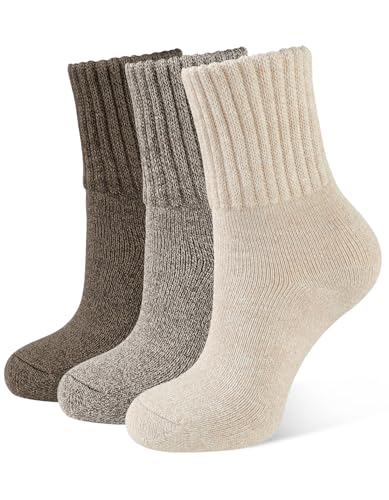
Best Cold Weather Walking Shoes: 2026 Winter Guide
Disclosure: We may earn a commission when you buy through links on this page, at no extra cost to you. As an Amazon Associate I earn from qualifying purchases. Learn more

Compare the best cold weather walking shoes by insulation, waterproofing and grip for walks on cold, wet paths.
Winter walks punish the wrong footwear quickly, with cold toes, wet socks, and slips on icy patches. The best cold weather walking shoes keep feet warm and dry while staying light enough for a natural stride on cleared paths and packed snow. This guide explains insulation, waterproofing, and traction so you can walk confidently through the cold months.
Cold weather shoes differ from summer walkers in upper materials, lining, and outsole rubber, all of which change with temperature. A shoe that grips well in summer can harden and slip in freezing weather, and a warm boot can overheat on a mild winter day. The comparison table below outlines the main winter styles, and the sections that follow explain how to choose among them.


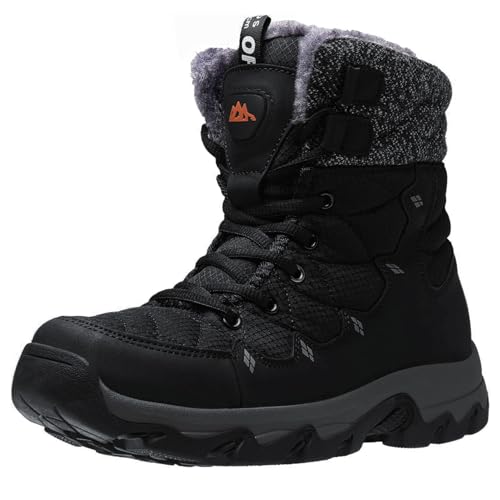
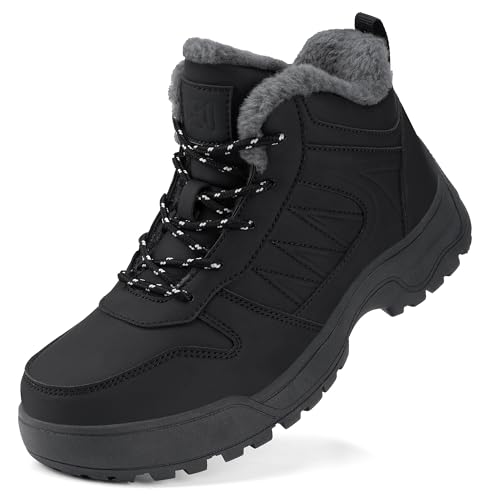
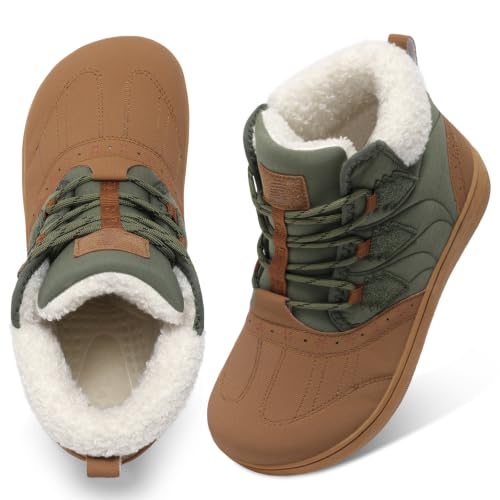
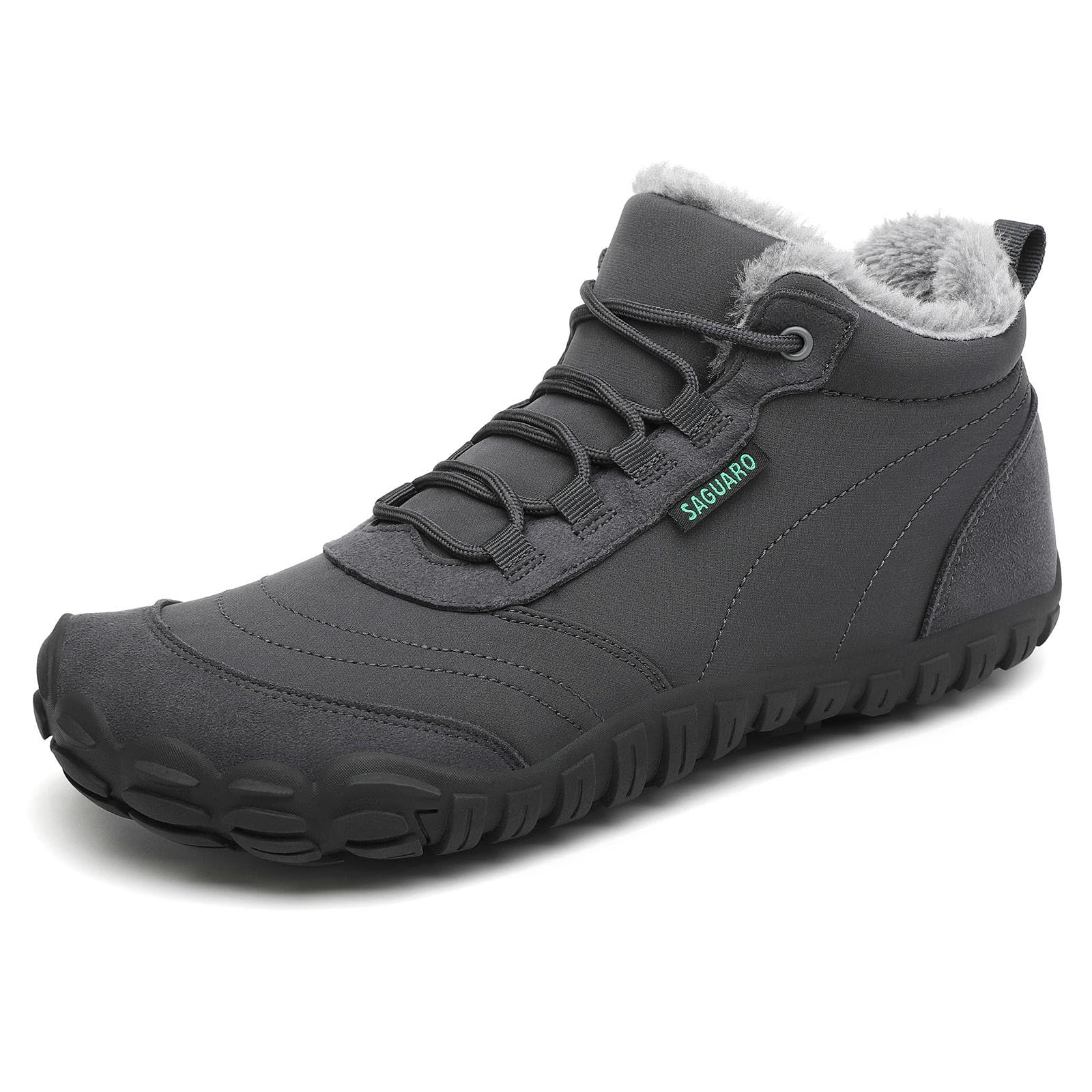
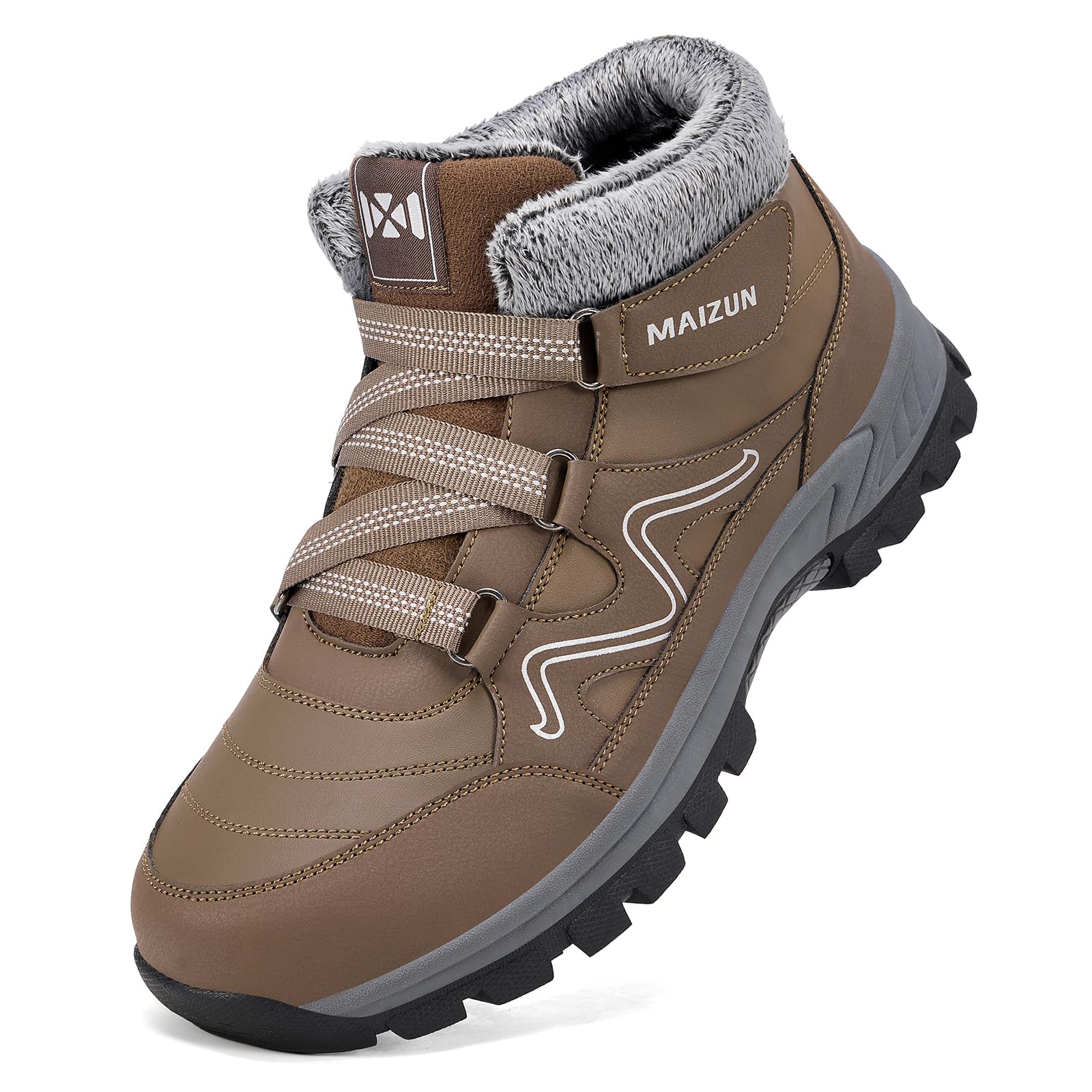

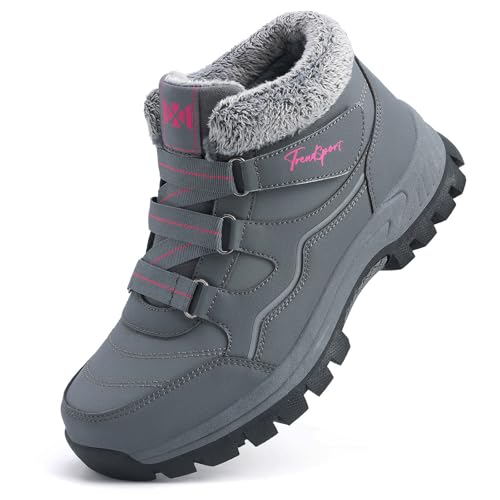

Who Should Buy Each Style
Pavement walkers in town
Insulated walking shoes with water resistant uppers suit cleared sidewalks and light snow. They look like normal trainers, walk naturally, and handle slush without the bulk of a boot. Add traction aids for icy mornings, since even good rubber struggles on black ice.
Trail and rural walkers
Waterproof hiking style shoes or light winter boots suit unplowed paths, mud, and deeper snow. Higher collars keep snow out, and deeper lugs grip soft ground. Accept extra weight here, since warmth and ankle coverage matter more than speed on rough winter terrain.
Key Features of the Best Cold Weather Walking Shoes
Insulation and warmth
Insulation ranges from light fleece linings to thick synthetic fills rated for deep cold. Match insulation to your typical temperature and walking pace, since fast walkers generate heat and overheat in heavy boots. Socks matter too, so try shoes with the wool or thermal socks you will actually wear.
Waterproofing and breathability
Waterproof membranes keep slush and rain out, but they trap sweat on longer walks and in milder weather. Water resistant uppers with a durable coating suit light wet conditions and breathe better. Whichever you choose, dry shoes fully between walks, since damp linings chill feet fast.
Outsole grip in the cold
Rubber compounds harden in freezing temperatures, so winter outsoles use softer rubber that stays flexible. Deep, widely spaced lugs shed snow and grip packed surfaces, while shallow patterns slip sooner. Check grip on a cold, wet surface when possible, and carry traction aids for icy stretches.
Price Tiers and What They Deliver
Shoes around $70 to $120 usually offer water resistant uppers and light insulation for town walking. Shoes around $120 to $180 add waterproof membranes, better winter rubber, and warmer linings. Shoes around $180 to $250 bring premium insulation, rugged outsoles, and durable builds for harsh rural winters.
Living With Your Choice Day to Day
Rotate socks and dry shoes with newspaper or a gentle fan, never direct high heat, which can damage adhesives. Check for numbness, white patches, or pain that persists after warming up, and seek medical care promptly for signs of frostbite or poor circulation. Warm up gradually indoors, and talk with your clinician if cold feet, numbness, or foot pain recur often.
Related Guides Worth Reading
Readers weighing nearby options often look at best walking shoes next, since it covers a closely related choice in more detail.
If you want to compare a related category before deciding, best women's cold weather walking shoes walks through the key differences.
For a different angle on a similar buying decision, best shoes for cold weather is worth a look alongside this guide.
Shoppers who narrow their shortlist here often check best all weather walking shoes to see how a related option compares.
When you are ready to explore adjacent choices, best cold weather hiking shoes explains what changes with a different use case.
A Final Check Before You Order
Try winter shoes with the exact socks you will wear, including thick wool socks for the coldest days and lighter socks for mild spells. Fit changes dramatically with sock thickness, and a shoe that fits summer socks will pinch in winter layers. Walk indoors on hard floors and stairs, checking heel hold and toe room after several minutes. Feet swell slightly during walks, so a fit that feels snug at first will feel tight by mile three.
Check the outsole on a cold, wet surface when possible, since rubber that grips at room temperature can harden and slip in freezing weather. Press the outsole with a thumb in cold air if you can, and look for winter specific rubber compounds in the maker description. Deep lugs shed snow better than shallow patterns, while widely spaced lugs resist packing. Grip deserves a real world check, not just a glance at tread depth.
Plan your layering system, including socks, gaiters, and traction aids, before committing to a shoe. Gaiters keep snow out of low collars, while traction aids add grip for icy mornings but wear fast on bare pavement. A shoe that pairs well with your existing winter gear saves money and hassle. Think of the shoe as part of a system, not as a standalone purchase.
Inspect the waterproofing honestly against your routes, since membranes help in slush but trap heat on dry, brisk walks. Water resistant uppers breathe better and suit mostly cleared pavements, while full waterproofing suits wet snow and standing slush. If your feet sweat heavily, breathability may matter more than absolute waterproofing. Choose for your typical winter, not for the worst storm you remember.
Mistakes Worth Avoiding
Do not buy winter shoes too tight hoping thick socks will compress, since tight shoes restrict circulation and chill feet faster. Cold feet in tight shoes feel colder than cold feet in roomy shoes, because blood flow matters more than insulation thickness. Leave toe wiggle room and lace snugly over the midfoot only. Warmth comes from circulation plus insulation, never from compression.
Do not dry winter shoes with direct high heat, since radiators and hair dryers damage adhesives, leather, and waterproof membranes. Stuff shoes with newspaper and let them dry at room temperature with good airflow, removing insoles to speed drying. Rotate pairs so each pair dries fully between walks, since damp linings chill feet and breed odor. Patient drying extends shoe life substantially.
Do not ignore numbness, white patches, or pain that lingers after warming up, since these can signal frostbite or circulation problems. Warm feet gradually indoors, avoid rubbing numb skin vigorously, and seek prompt medical care for blistering, persistent numbness, or color changes that do not resolve. Winter walking should challenge your fitness, not your circulation, so treat warning signs seriously and talk with your clinician about recurring problems.
One More Check Before You Decide
Break in winter shoes gradually with short walks before tackling long cold routes, since stiff new materials and thick linings need time to flex. Start with indoor walks and short outdoor loops, checking for heel rub and toe pressure after each outing. Adjust lacing to balance heel hold against toe room, since winter lacing differs from summer lacing through thicker socks. Gradual breaking in prevents blisters that would otherwise ruin an otherwise excellent winter shoe.
Frequently Asked Questions
How warm should winter walking shoes be?
Warmth depends on temperature, walking speed, and how long you stay out. Light insulation suits mild winters and brisk town walks, while thick insulation suits slow walks in deep cold. Overheating causes sweat, which then chills feet when you slow down. Choose insulation for your coldest regular walk, and adjust with sock thickness.
Are waterproof winter shoes worth it?
Waterproof shoes help greatly in slush, rain, and wet snow, where soaked socks chill feet quickly. They breathe less, so they can feel clammy on dry, mild days or long brisk walks. If your routes stay mostly dry and cleared, water resistant shoes breathe better and suffice. Choose waterproofing when wet feet are a regular problem, not just a rare worry.
How do I get grip on icy pavements?
Winter rubber and deep lugs improve grip on snow and packed surfaces, but no normal shoe grips black ice reliably. Slow down, shorten your stride, and keep your weight over your feet on icy patches. Removable traction aids add metal grip for the worst days, though they wear quickly on bare pavement. Remove aids indoors to protect floors and avoid slips.
Should winter walking shoes fit looser?
Winter shoes need a little extra room for thicker socks and toe movement, which helps circulation and warmth. Too much room causes heel slip and blisters, so fit with your winter socks on and leave a thumb width ahead of the toes. Lace snugly over the midfoot while leaving the toe box free. Try both feet in the afternoon, when feet are slightly larger.
When should I replace winter walking shoes?
Replace winter shoes when insulation packs down, waterproofing fails, or outsoles lose grip and harden. Creased midsoles, leaning heels, and persistent damp linings all signal worn out shoes. Winter conditions wear shoes faster than summer use, so inspect them each autumn. New shoes before the cold season beats struggling through winter in tired footwear.
Final Thoughts
Match insulation and grip to your coldest regular route, and fit the shoes with winter socks on. The product table above can narrow the styles, but a short walk on a cold morning tells the truth. Keep feet warm, dry, and well gripped, and seek care promptly if numbness or pain persists.
Choosing the best cold weather walking shoes comes down to the route you walk most, so shortlist from the table and fit them with your real winter socks.