
Best Cold Weather Rubber Boots for 2026: Which One Fits the Way You Use It?
Disclosure: We may earn a commission when you buy through links on this page, at no extra cost to you. As an Amazon Associate I earn from qualifying purchases. Learn more

Compare the best cold weather rubber boots by insulation, shaft height, grip and fit for wet and freezing days.
There is no single pair that suits every winter job, because a boot that keeps a farmer warm through hours of barn chores can feel heavy and hot on a short dog walk. Choosing the best cold weather rubber boots starts with how you spend your cold days: standing in slush, walking fields, or moving between a truck and a job site. Match insulation, height, and grip to that routine first, and price questions get easier.
This guide sorts rubber boots by use case rather than by brand. You will learn how insulation ratings really behave, why fit with thick socks matters, and which details separate a one winter boot from a five winter boot. Use the comparison table below to see how the main styles stack up.

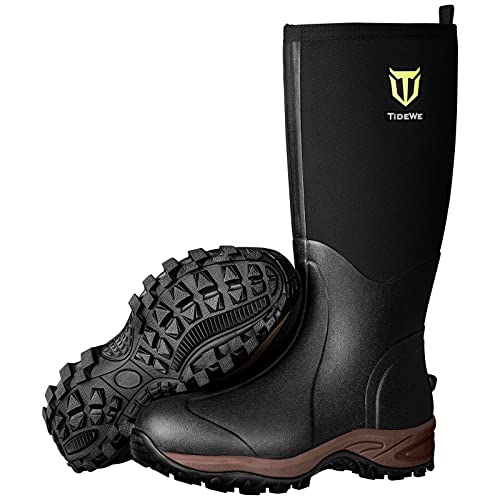

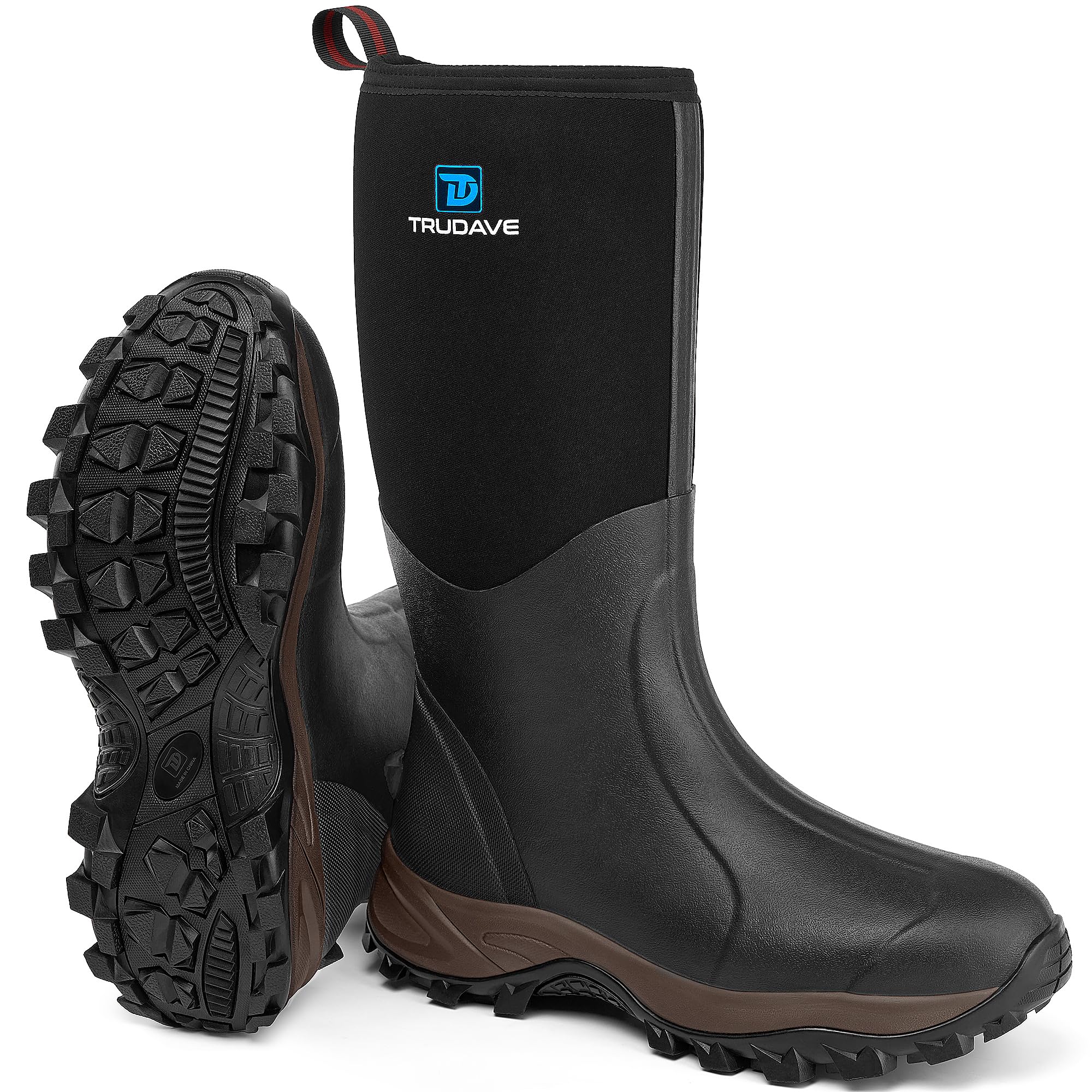

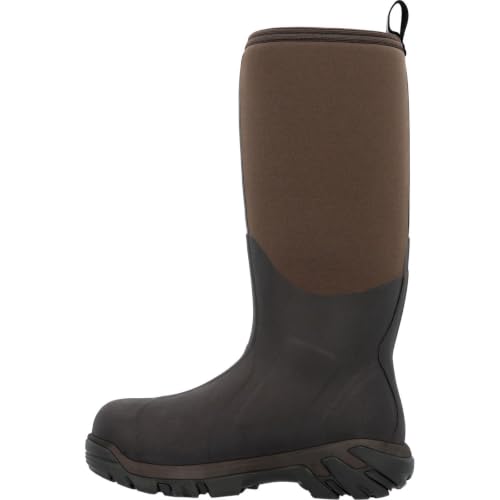
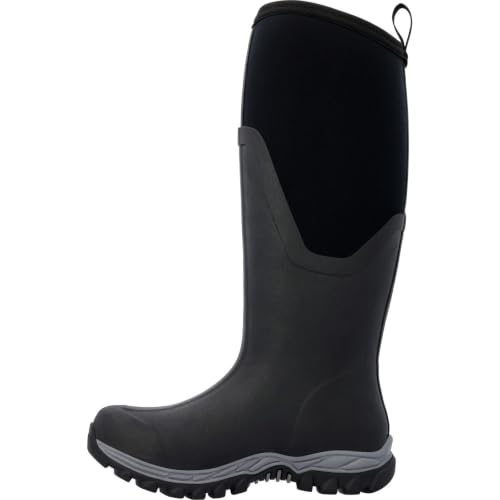

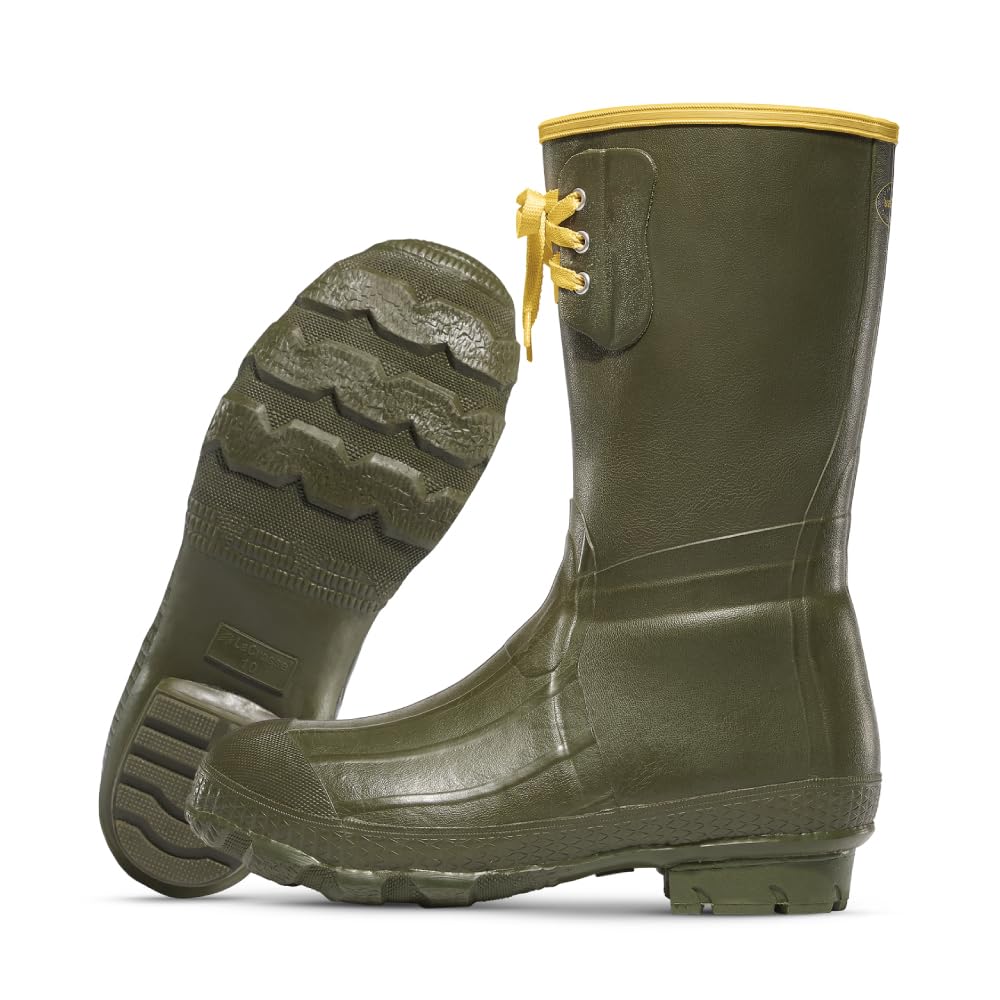
Who Should Buy Which Cold Weather Rubber Boots?
Rubber boots look similar on a shelf, yet they are built for very different days. The three groups below cover most buyers, each pointing to a different mix of insulation, shaft height, and grip.
For Bad Weather and Tough Conditions
If your winter means flooded barnyards, melting snow piled against a driveway, or mud that swallows a normal shoe, you need full rubber coverage and real insulation. Look for a tall shaft that reaches the calf or just below the knee, a sealed rubber lower, and a neoprene or fleece lined upper that keeps warmth in while the outside stays soaked. A lugged outsole sheds mud so each step still bites. Shoppers comparing the wider category can see our guide to the best cold weather boots for styles beyond rubber.
For Frequent or Serious Users
Hunters, anglers, and people who work outside daily ask more from a boot than one storm a month. You will walk farther, stand still in the cold longer, and notice small comfort flaws a casual user never would. Prioritize a contoured footbed with arch support, a stable shank, and insulation matched to your activity level rather than the lowest number on the box. If scent control and quiet uppers matter for the woods, see our guide to the best rubber hunting boots for cold weather for that narrower shortlist.
Some serious users split their season between rubber boots for wet ground and insulated leather or pac style boots for dry, bitter cold. If that mix sounds like your calendar, our guide to the best cold weather hunting boots covers the wider range, so you can decide which hunts truly need rubber.
For Weekend Beginners
If your boots come out for snow shoveling, school runs, and the odd sledding afternoon, you do not need the warmest or toughest model sold. A mid height boot with moderate insulation, a roomy toe box, and an easy pull on fit covers nearly every weekend task. Spend on a decent insole and warm socks before you spend on extreme ratings you will rarely need. Simple boots in this group often cost under $120: pull them on, work, hose them off, and store them upright.
Key Features to Compare
When you compare the best cold weather rubber boots side by side, six factors do most of the deciding. Read each one against your routine, since the right answer changes with how long you stand still and how far you walk.
Insulation and Temperature Ratings
Most cold weather rubber boots insulate with a neoprene upper, a fleece lining, or a foam bootie, and many combine two of these. Neoprene thickness is the easiest spec to compare: about 3 to 5 mm suits active use and milder cold, while 7 mm and added fleece suit long, still sits in serious cold. Printed ratings assume you are moving and wearing proper socks, so a rating means little for someone standing motionless. For a deeper look at ratings and lining weights, see our guide to the best insulated rubber boots for cold weather.
Warmth also depends on blood flow, so a boot that fits too tight will feel colder than its rating suggests. Watch your own limits: toes that stay numb after you come indoors, skin that turns pale or waxy, or pain that does not fade as you warm up are warning signs that need medical care, not a thicker sock. Talk with your clinician about cold tolerance if you have circulation problems or diabetes before relying on any boot for long exposure.
Waterproofing and Breathable Membranes
Solid rubber is waterproof by nature, which is why classic rubber boots skip the membranes that hiking boots depend on. Water usually gets in over the top of the shaft or through a crack at a flex point, not through the material itself. Some hybrid designs add a waterproof membrane such as Gore Tex behind a fabric upper, trading a little of the simple hose it off care of rubber for a lighter, more breathable feel. If your cold is mostly dry and your ground mostly hard, a membrane boot may suit you better than full rubber.
Weight and Flexibility
Rubber boots are heavier than most shoes, and the gap grows with shaft height and insulation. A tall, heavily lined pair can feel fine for chores around one building yet draining on a two mile walk. Flexible neoprene uppers bend at the ankle and calf, which helps on slopes and ladders, while stiff all rubber shafts protect better against brush and ice chunks. Decide which cost you would rather pay: a little weight on every step, or less protection on the worst day.
Outsole Grip and Stability
The outsole decides how the boot behaves on ice, wet concrete, and mud, and lug pattern matters more than lug depth alone. Wide spaced lugs clear mud and snow before they pack flat, while many small edges and siping give extra bite on slick pavement. A modest heel to toe drop and a firm shank keep your foot stable when a hidden rut twists the boot, and stability matters even more when you carry loads like firewood. Soft rubber compounds grip cold surfaces better but wear faster on dry concrete.
Break In Period and Comfort Out of the Box
Rubber and neoprene do not stretch and mold the way leather does, so the fit you feel in the first ten minutes is close to the fit you will have all season. Comfort comes from the footbed: look for cushioning under the heel and forefoot, a shaped insole rather than a flat foam sheet, and enough volume for your toes to spread when you crouch. If a boot pinches across the top of the foot or rubs the calf in the store, a thicker sock will rarely fix it. Walk stairs if you can, since downhill steps reveal heel slip fast.
Fit, Sizing, and Toe Box
Measure your feet in the afternoon, when they are at their largest, and wear the thickest socks you plan to use before you pick a size. Most rubber boots come in whole sizes only, so in between feet usually do better with the larger size plus an added insole than with a tight smaller size. The toe box should let your toes lie flat and wiggle, because curled toes lose warmth and tire quickly. Men comparing boot styles can check sizing notes in our guide to the best cold weather men's boots, since whole size jumps behave differently in rubber than in laced leather.
Common Mistakes to Avoid When Buying Cold Weather Rubber Boots
- Buying by the printed temperature rating alone, because a still hunter and an active worker need very different insulation at the same temperature.
- Sizing up far beyond your sock thickness, because the extra room lets your heel lift with every step and invites blisters and sore shins.
- Choosing a short shaft for deep slush and creek edges, because one splash over the top soaks the lining and ends the warmth for the day.
- Picking a smooth or shallow tread for icy ground, because packed snow turns that outsole into a sled and a fall becomes likely.
- Ignoring the return policy on a first pair, because whole sizes and stiff shafts make fit hard to judge from a chart.
Care and Maintenance Tips
Rinse mud and manure off your boots the same day when you can, since dried grit works into the flex points at the ankle and speeds up cracking. Plain water and a soft brush are enough for cleaning; strong detergents and solvent based dressings made for leather can dry rubber out. After washing, let the boots air dry at room temperature away from direct heat, because radiators and wood stoves make rubber stiff and brittle. Stuffing the shaft with newspaper for the first hours pulls moisture from the lining and helps the inside dry before odor sets in.
Store the boots upright in a cool, shaded spot so the shafts do not fold and crease, and keep them away from electric motors and furnaces, since ozone and heat age rubber. A boot dryer on a low setting is safe for most lined pairs. Pull the insoles out every few wears to dry fully, and wash them by hand when they start to smell. Check the flex points and the bond between the rubber lower and the neoprene upper each month; a crack that opens when you bend the boot means water will follow.
Frequently Asked Questions
How often should you replace cold weather rubber boots?
Replace cold weather rubber boots when cracks at the flex points let water in, the tread has worn smooth, or the lining has packed down enough that your feet chill fast. A hard used work pair may reach that point in about two seasons, while a weekend pair can last five or more. One useful check: stand in a few inches of water for a minute, since damp toes mean the rubber has failed.
How should cold weather rubber boots fit?
Cold weather rubber boots should fit snug at the heel and midfoot with clear space in front of your toes. Try both boots on, because one foot is often slightly larger, and walk down stairs; your toes should not jam the front. A small amount of heel lift is normal in a pull on boot, but your heel should settle back down instead of sliding sideways.
Are expensive cold weather rubber boots worth the money?
Expensive cold weather rubber boots are worth it when you wear them many days each season, because the extra cost usually buys thicker insulation, a better shaped footbed, and stronger bonding at the seams. Think in cost per season: a pair at about $200 that serves four winters costs less per year than a pair at about $90 that cracks in its second. Casual users rarely feel the difference.
Are cold weather rubber boots fully waterproof?
Cold weather rubber boots are waterproof up to the top of the shaft, as long as the rubber has no cracks or punctures. The most common leak point is the bend at the front of the ankle, where years of flexing thin the material, so inspect that spot before each season. Wading deeper than the shaft will still soak the lining, and no membrane or coating changes that height limit.
Can you wear cold weather rubber boots all day?
You can wear cold weather rubber boots all day if the fit is right and you manage moisture inside the boot. Rubber does not breathe, so sweat builds up during active hours; a fresh pair of wool socks at midday makes the afternoon warmer, since damp socks chill feet quickly. If your work mixes indoor and outdoor time, slipping the boots off during indoor breaks lets your feet and the linings dry out.
Final Thoughts
Start with your use case, then check insulation against how still you sit, fit with your real winter socks, and an outsole that matches your ground. Those three checks filter the product table above down to a short list quickly. The best cold weather rubber boots for you are the pair whose height, warmth, and grip fit the days you face, so use the comparison table above with your routine in mind and choose with confidence.


