
Best Cold Weather Military Boots: A Buyer Checklist for 2026
Disclosure: We may earn a commission when you buy through links on this page, at no extra cost to you. As an Amazon Associate I earn from qualifying purchases. Learn more

Run this checklist before you buy the best cold weather military boots: insulation classes, duty fit, waterproofing, sizing with socks, and price bands.
Cold weather duty punishes a bad boot purchase for months, because the failure shows up as cold feet at hour six of a shift, not at the store. This checklist walks through the checks that matter most for best cold weather military boots: how to read insulation, how the duty role changes the fit, and where the money in each price band goes. Run the checks in order and most weak options fall away on their own.
One warning first: maker temperature ratings are not measured to one shared standard, so treat a printed number as a claim, not a fact. The product table lines up the current options, and the checks after it explain how to read them.

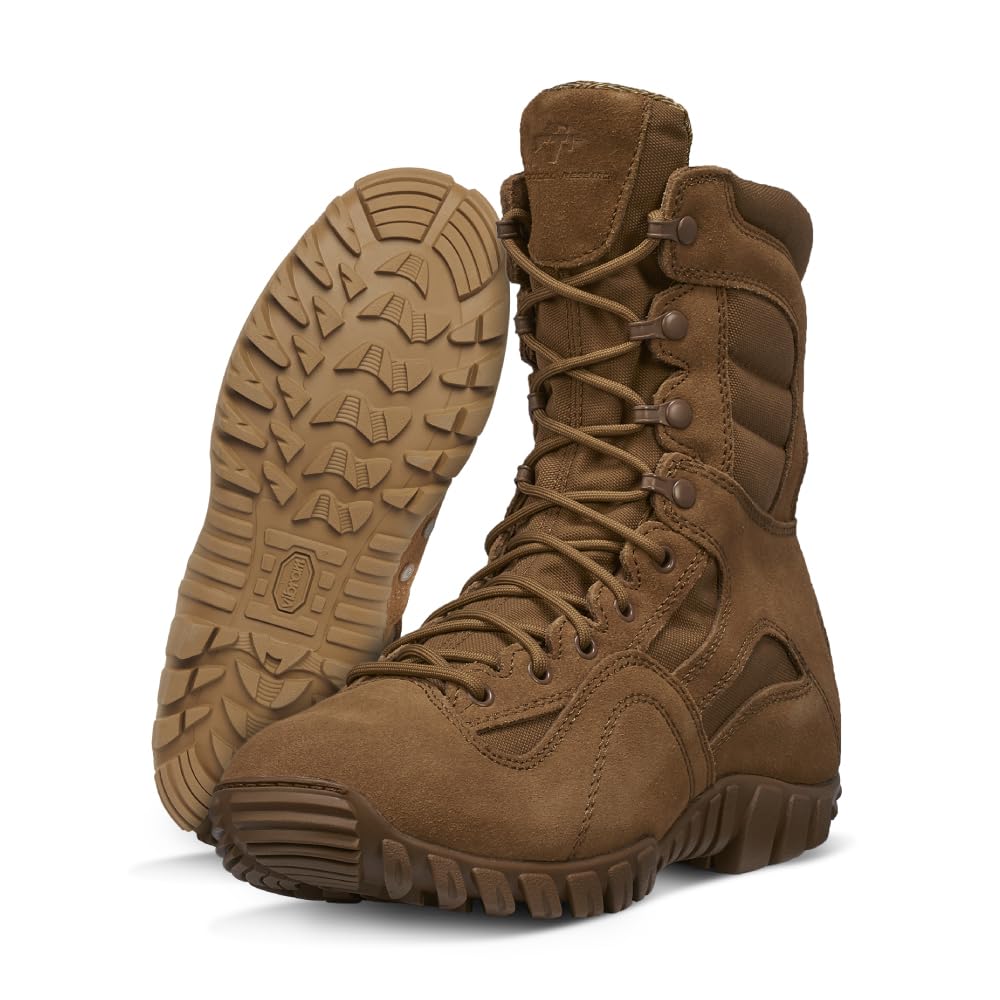
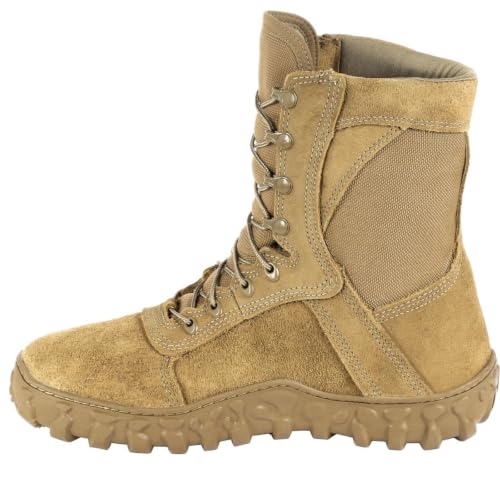
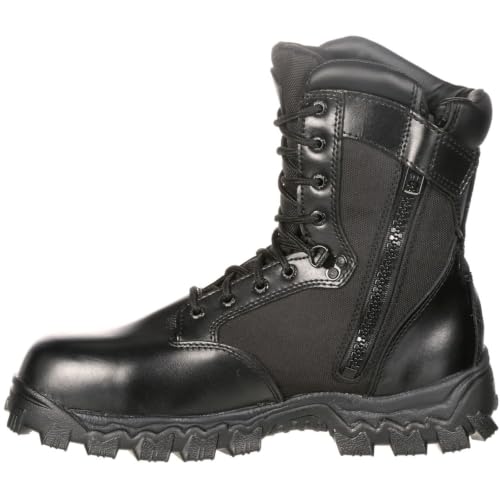
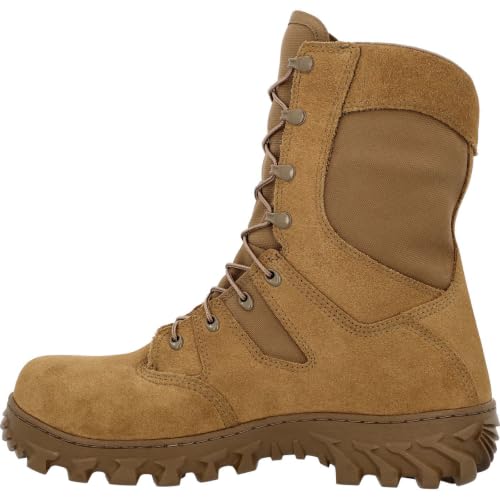


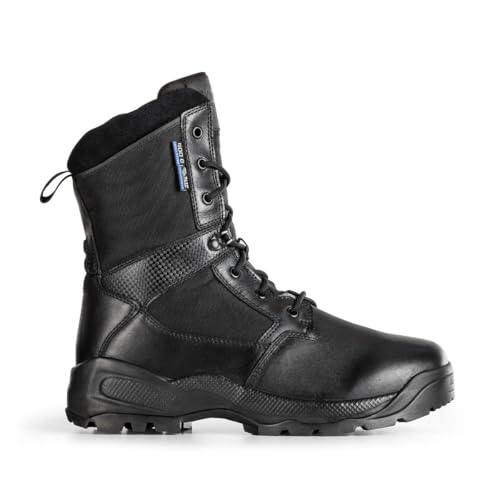


The Checklist: Six Checks Before You Spend
The six checks below build on the ground rules shared by all best cold weather boots: warmth comes from a system of boot, sock, and movement, never from the boot alone. The first three checks decide whether a boot keeps you warm at all; the last three decide how long it stays that way.
Check One: Read the Insulation Class, Not the Temperature Claim
Start with the insulation class, the weight and type of insulation inside the boot, and treat the printed temperature rating as marketing until you know your activity class. A rating earned while walking means little on a static post, because a body standing still makes far less heat than a body on the move. Hunters who sit motionless in a stand shop best cold weather hunting boots for exactly that static case, which is why hunting boots often carry heavier insulation than duty boots with the same printed rating.
Match the insulation class to the coldest, stillest hour of your duty, not to the average hour. And learn the stop signal now: toes that go numb and stay numb mean the boot and sock system has failed, and the feet need warming and dry socks before damage starts.
Check Two: Duty and Uniform Fit Comes Before Warmth
The military class is a duty and uniform class first. Your unit rules decide the color, the height, and whether the upper must take a shine, and a boot that breaks those rules is wrong no matter how warm it runs. Duty also means long hours upright with loads on your back, so judge it as work equipment: a stable base, a supportive midsole class, and a shaft height that matches your uniform and terrain. Civilian shoppers who like the look often land on best cold weather men's boots, which borrow the styling but skip the uniform checks entirely.
Check Three: Fit the Boot With the Sock System
Insulation only works when it stays lofted, and loft needs room. Fit the boot around the full sock system you will wear on the coldest day, not around a thin store sock. Try boots on late in the day, when feet have swollen to working size, and leave a thumb width of space in front of the toes. A boot that feels snug in the store will feel like a clamp at hour eight, and a clamp cuts circulation, which makes feet colder, not warmer.
Check Four: Waterproofing and the Breathability Trade
A waterproof membrane keeps meltwater and slush out, and that matters on wet ground, plowed lots, and melting snowbanks. The trade is breathability: a membrane that keeps water out also slows the escape of sweat vapor, so feet can end damp from the inside on a high output day.
Decide by your ground. Mostly dry cold argues for a plain insulated leather class you can treat and dry fast, while daily slush argues for the membrane. Either way, snow over the top of the shaft defeats every membrane made.
Check Five: Outsole Grip on Ice and Packed Snow
Cold hardens rubber, and a compound that grips in autumn can skate in deep winter. Look for soft cold rated rubber with deep, widely spaced lugs that shed packed snow instead of carrying it. Shallow lugs load up and turn the boot into a sled. Trail walkers comparing best hiking boots for cold weather shop the same lug question from the other side, since a hiking tread is built for dirt first and pavement second.
Check Six: Weight, Flex, and Long Shifts
Every extra ounce is lifted thousands of times on a long shift, so weight is a warmth issue too: tired legs move less, and moving less means colder feet. Heavier builds earn their keep in severe cold, where insulation bulk is the point. For garrison and moderate cold, a lighter, more flexible class usually serves better and breaks in faster. Flex the boot by hand: a sole that bends near the ball of the foot walks naturally, while a plank stiff sole changes your stride all day.
What the Price Bands Buy
The three bands below cover most of the market for best cold weather military boots, from under one hundred dollars to well past three hundred, and each step up buys a specific thing. Readers whose cold weather work sits on civilian job sites, with safety toe rules instead of uniform rules, are better matched by best cold weather work boots.
About $90 to $140: Basic Insulation, Moderate Cold
Expect basic insulation classes, plain leather or mixed uppers, and soles meant for pavement and light snow. These serve garrison duty in moderate cold well enough. The savings show up in thinner insulation and faster wear, so treat this band as a one or two winter purchase in hard use.
About $140 to $210: The Full Checklist
The middle band buys the checks above in full: real insulation weight, a membrane option, cold rated rubber, and construction that survives daily duty. Most buyers in most cold postings belong here, and the product table shows how crowded this band is.
About $210 to $300: Severe Cold Builds
The top band buys severe cold builds: heavy insulation classes, tall shafts, and materials chosen for weeks of hard winter rather than occasional snow. Pay it when your duty includes long static hours in deep cold. If your cold is milder, the extra bulk is weight you carry for nothing.
Quick Buyer Checklist
- Does the insulation class match your stillest, coldest duty hour?
- Does the boot pass your unit rules on color, height, and finish?
- Did you try it on with your full winter sock system, late in the day?
- Is there a thumb width of room in front of your toes?
- Does your ground call for a waterproof membrane, or for plain leather that dries fast?
- Are the lugs deep, widely spaced, and cut in a cold rated rubber?
- Does the weight fit your day, or will tired legs cost you warmth?
Red Flags to Watch For
- A temperature rating with no insulation weight or rating basis stated: the number is decoration.
- A waterproof claim with no membrane named and no seam details: expect a coating that wears off.
- Sizing advice that tells you to order your summer shoe size: insulated boots need sock room.
- A sole described only as slip resistant, with no lug depth given: it will pack with snow.
- A very short warranty on a boot sold for daily duty: the maker knows the lifespan.
Care That Keeps the Warmth Working
Rotate two pairs if you wear them daily, because insulation that never fully dries loses loft and warmth. Dry wet boots at room temperature away from direct heat, since heat cracks leather and can warp the sole bond. Pull the footbeds out overnight so the inside dries as well as the outside.
Brush off road salt the day it lands, and treat leather on the maker's schedule rather than after it cracks. Store the pair stuffed loosely in a cool dry place, not crushed under other gear.
Cold Weather Military Boots: Questions Answered
How should cold weather military boots fit?
They should fit roomy enough to wiggle your toes while wearing your thickest duty socks, with the heel held firm so it does not lift as you walk. Do the heel check on a slope or a stair edge: a heel that stays seated while the forefoot has space is the right balance. A boot that fits like a dress shoe in the store will restrict circulation in the field, and restricted circulation is the fastest route to cold feet.
Are higher temperature ratings always warmer in cold weather military boots?
No. Ratings are set by each maker with no shared test behind them, so one brand's deep cold claim can equal another brand's milder claim in the same insulation class. Compare the insulation weight and your activity class instead. A boot built for moving patrols can feel cold on a static post even with a stronger printed rating, because the rating quietly assumed the heat your body makes while moving.
Do cold weather military boots need to be waterproof?
Only if your ground is wet. In dry deep cold, a plain insulated boot often feels warmer because sweat escapes instead of condensing inside. In slush and meltwater, a membrane earns its place. Remember the limit either way: the waterproofing stops at the top of the shaft, so gaiters or trousers that shed snow over the cuff matter as much as the membrane itself.
How long is the break in period for cold weather military boots?
Plan on one to two weeks of short wear before a full duty day. Start with a few hours indoors, then a half shift, then a full day, adding load as the leather softens. Rushing a stiff new pair straight into a long march is how blisters and sore spots happen. If one spot rubs red at the same place twice, adjust the lacing pattern before blaming the size.
Can cold weather military boots be worn all day on duty?
Yes, if the fit and weight were chosen for it, and if you manage moisture through the day. Carry a dry pair of socks and change at midday on long shifts; dry socks restore more warmth than any boot feature. Stand and move when the duty allows, because even small movement pumps warm blood to the feet.
Final Thoughts
Judge every candidate by the same short list: insulation matched to your stillest hour, a fit made around your sock system, and rules and ground checked before price. The right pair of best cold weather military boots disappears on your feet, which is the whole point of the checks above. Compare the finalists in the product table, and spend any savings on the socks that finish the system.


