
Best Comfortable Basketball Shoes 2026: Buying Guide
Disclosure: We may earn a commission when you buy through links on this page, at no extra cost to you. As an Amazon Associate I earn from qualifying purchases. Learn more

Comfort on court comes from cushioning, fit and traction working together: how to compare the best comfortable basketball shoes for long games.
Basketball asks a lot from your feet: hard cuts, sudden stops, jumps, and hours on an unforgiving court. A search for the best comfortable basketball shoes should focus on how cushioning, fit, and traction work together over a full game, not just how a shoe feels in the store. The comparison table below previews the main comfort factors, and this guide explains each one.
This guide covers skill level, indoor versus outdoor play, sizing, cushioning types, and ankle support, without ranking products. Whether you play pickup games weekly or join a league, the same comfort checks apply, and they will help you choose a shoe that stays comfortable into the fourth quarter.
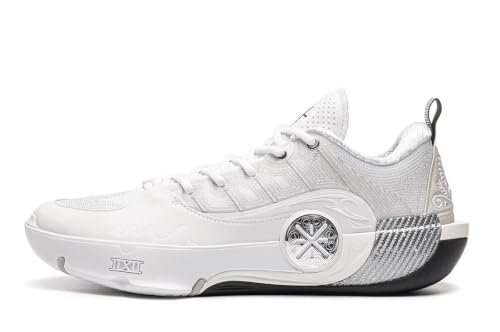


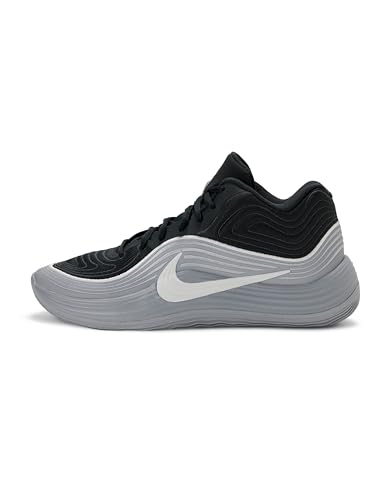
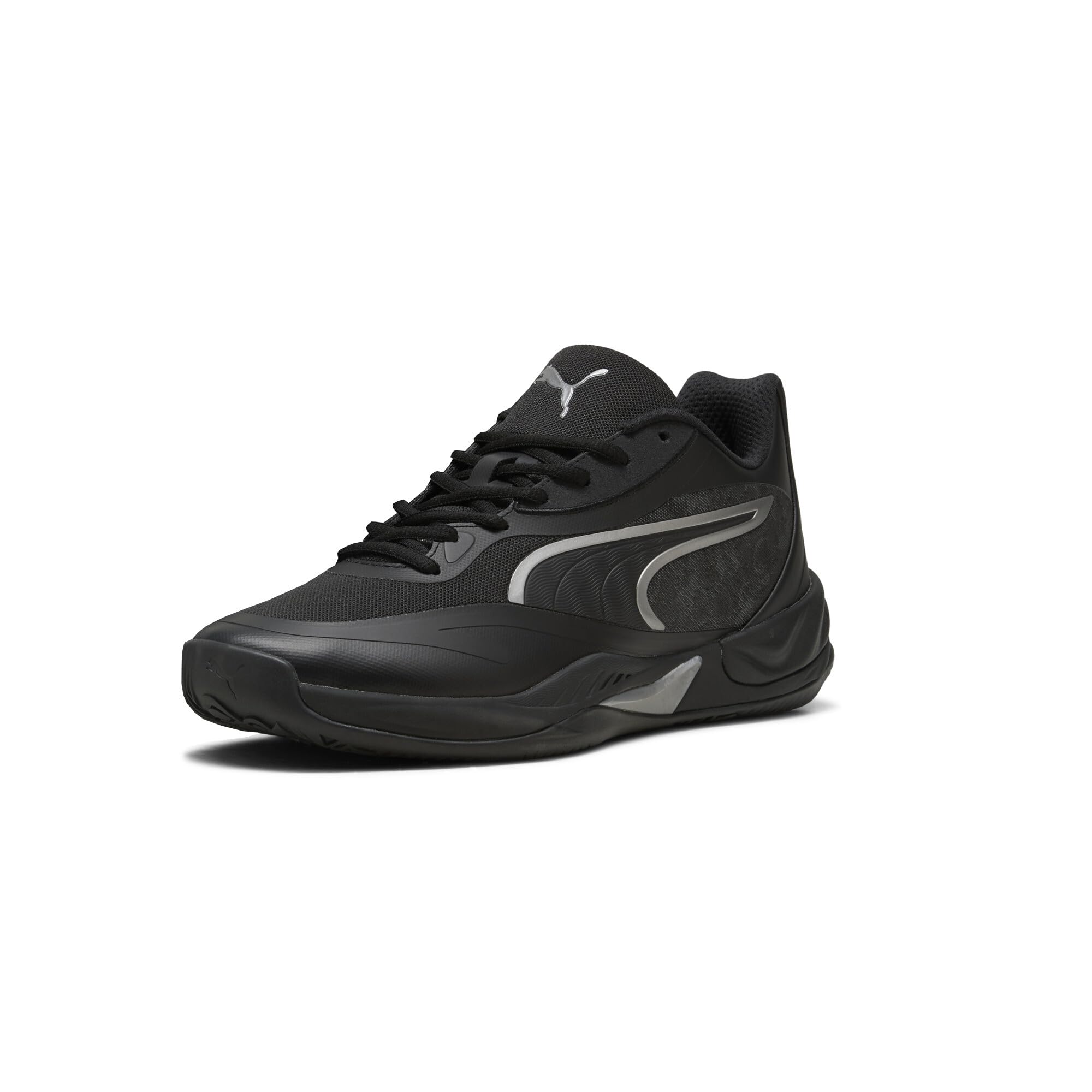


How to Choose the Best Comfortable Basketball Shoes
Skill Level and Intended Use
Beginners benefit from forgiving cushioning and a stable base, since footwork is still developing and the shoe must compensate for less precise movement. Intermediate players often want a balance of court feel and impact protection, while advanced players may prefer lighter shoes with responsive cushioning for explosive moves.
Frequency matters as much as skill. A player who trains three times a week needs durable cushioning that does not flatten quickly. A casual weekend player can prioritize immediate comfort and price. Match the shoe to your real schedule, not an ideal one.
Indoor vs Outdoor Use
Indoor courts reward softer rubber outsoles that grip polished wood. Outdoor courts demand harder, thicker rubber that resists abrasion on concrete and asphalt. Using an indoor shoe outdoors wears the outsole fast and reduces traction, which affects both comfort and safety.
Outdoor players should also consider a slightly heavier build with reinforced toe areas, since rough surfaces scuff uppers quickly. Indoor players can choose lighter uppers that breathe better. If you play both, keep two pairs or choose an outdoor rated shoe for all surfaces.
Size, Weight, and Fit
Basketball shoes should fit snugly through the midfoot with room for toes to spread on landing. Try them with your game socks, and walk, cut, and jump in the store if possible. A shoe that slips at the heel will cause blisters, while one that squeezes the forefoot will ache by halftime.
Weight affects fatigue over a long game. Lighter shoes feel faster but may offer less protection, while heavier shoes cushion more but tire legs sooner. Most players find a middle weight comfortable for full games, especially if the cushioning suits their landing style.
Cushioning and Impact Protection
Foam cushioning absorbs landing impact and returns some energy for the next move. Softer foams feel plush immediately but can bottom out under heavy players. Firmer foams last longer and suit players who value stability. Air or gel units add targeted cushioning in the heel or forefoot.
Check cushioning by landing from a small hop in the store, not just by standing still. The heel should absorb the landing without a hard jolt, and the forefoot should feel responsive on push off. Replace shoes when cushioning feels flat, usually after several months of regular play.
Ankle Support and Stability
High tops wrap the ankle and can feel more secure, while low tops allow freer movement. High tops are no guarantee against sprains, but many players feel more confident in them. Mid tops split the difference and suit most recreational players.
Stability comes from a wide base, a firm heel counter, and a lacing system that locks the midfoot. If you have a history of ankle rolls, add proper warm up and strengthening work alongside your shoe choice, and talk with a clinician or physio about bracing if sprains keep recurring.
Related footwear guides can refine your shortlist. Articles about best basketball shoes cover the category broadly, while best comfortable shoes and best outside basketball shoes focus on all day comfort and outdoor durability respectively.
Breaking In and Maintaining Your Shoes
Break in basketball shoes gradually with short sessions before a full game. Wear them for warm ups and light drills first, so the upper softens and the insole molds to your foot. Jumping straight into a long game in stiff new shoes invites blisters and sore arches.
Rotate two pairs if you play often, since foam needs time to recover between sessions. Clean outsoles after outdoor play to restore grip, and air shoes out rather than sealing them in a bag while damp. Replace laces when they fray, since a secure lace lockdown is part of the comfort system.
Position and Playing Style Comfort Differences
Guards and forwards stress shoes differently, so comfort priorities shift by position. Guards cut hard, change direction constantly, and need light shoes with strong lateral support and responsive forefoot cushioning. A guard shoe that feels heavy or slow on the first step will frustrate a quick player all game. Forwards and centers jump more, land harder, and need thicker heel cushioning plus a stable base that absorbs repeated impact without collapsing.
Playing style matters within positions too. A spot up shooter who moves less can prioritize plush cushioning and a comfortable fit over ultralight speed. A slasher who drives constantly needs grip and lockdown above all, since a slipping foot on a drive costs both comfort and scoring chances. A defensive specialist who slides laterally all game needs lateral support and an outsole that grips without sticking, so slides stay controlled.
Court time also changes the equation. A player logging heavy minutes needs cushioning that survives the fourth quarter, while a bench player entering for short bursts can favor immediate comfort. If you play multiple games in a day, such as a tournament, bring a second pair or at least fresh socks and insoles for the later games. Feet swell and foam compresses over a long day, so a midday refresh restores comfort noticeably.
Finally, pay attention to sock choice, since socks change how a basketball shoe fits and feels. A thin sock lets the foot slide more inside the shoe, while a thick cushioned sock fills volume and improves lockdown. Choose a sock height that covers the ankle bone without bunching under the collar, and replace socks that have lost elasticity. Fresh socks and a well laced shoe together prevent most blisters, even in long tournament days when feet swell and courts stay hot.
Frequently Asked Questions
How should basketball shoes fit?
Basketball shoes should fit snugly through the midfoot with about a thumb width of room in front of your longest toe. Your heel should stay put when you cut and jump, without lifting or slipping. Try them with game socks and check lateral movement in the store. A shoe that fits well standing still can still slip during a hard cut, so move in them before buying.
Are high top basketball shoes more comfortable?
High tops feel more secure around the ankle, which many players find comforting, but they are not automatically more comfortable overall. Low and mid tops allow freer ankle movement and often feel lighter. Comfort depends more on cushioning, fit, and weight than on collar height. Choose the height that matches your playing style and ankle confidence.
Can I wear basketball shoes for running?
Basketball shoes are built for lateral movement and court grip, not forward running efficiency. They are heavier and stiffer than running shoes, which can tire you on long runs. Short warm up jogs are fine, but regular running deserves a dedicated running shoe. Using the right shoe for each activity also extends the life of both pairs.
How long do comfortable basketball shoes last?
Regular players usually replace basketball shoes every three to six months, depending on frequency and surface. Outdoor play wears outsoles faster, while indoor play preserves them longer. Replace shoes when cushioning feels flat, traction fades, or the upper loses support. Waiting too long increases fatigue and blister risk.
Do I need different shoes for indoor and outdoor courts?
Yes, if you play regularly on both surfaces, different shoes are worth it. Indoor shoes use softer rubber for grip on wood, while outdoor shoes use harder rubber for durability on concrete. Using one pair everywhere wears the outsole unevenly and reduces traction. If you must choose one pair, pick an outdoor rated shoe for versatility.
Should basketball shoes feel tight or loose?
Basketball shoes should feel snug through the midfoot and heel, with room for toes to spread on landing. A tight shoe that pinches toes will cause blisters, while a loose shoe that slips at the heel causes instability and hot spots. Lace lockdown should hold the foot without cutting circulation. If your toes go numb, loosen the forefoot laces while keeping the midfoot snug.
Final Thoughts
Comfort on court is a system: cushioning absorbs impact, fit locks the foot in place, and traction keeps every cut confident. Try shoes by moving, not just standing, and match the outsole to your court surface. Check the product table above, and your best comfortable basketball shoes pick will be one that still feels good when the game gets long.


