
Best Comfortable Climbing Shoes 2026: A Checklist and Buying Guide
Disclosure: We may earn a commission when you buy through links on this page, at no extra cost to you. As an Amazon Associate I earn from qualifying purchases. Learn more

A checklist for the best comfortable climbing shoes: fit, shape, closure, rubber and sizing for gym and outdoor climbing days.
Climbing shoes have a reputation for pain, but that reputation belongs to aggressive performance fits, not to the shoes most climbers actually need. A comfortable pair should feel snug and precise while still letting you wear it for a full gym session. This checklist for the best comfortable climbing shoes shows how to judge fit, shape, and rubber before you spend money.
Use the comparison table below to shortlist shoes by closure type and shape, then apply the evaluation criteria that follow. Comfort in climbing is not softness; it is the absence of pressure points combined with enough support that your feet do not tire and curl inside the shoe.


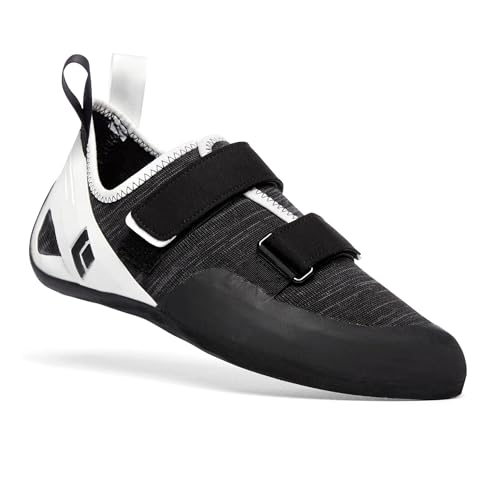


How to Evaluate Comfortable Climbing Shoes
Score each candidate against the criteria in this section: intended use, materials, fit, setting, performance, safety, and value. A shoe that wins on the criteria matching your climbing style will serve you better than a famous model chosen at random. Keep notes as you try pairs, because small fit differences are easy to forget between shopping trips.
Skill Level and Intended Use
Beginners need a flat, supportive shoe that tolerates imperfect footwork and long wear while skills develop. Intermediate climbers can accept a slight downturn for steeper routes, as long as the shoe stays on for multi pitch days or long gym sessions. Advanced climbers chasing hard grades often own a separate aggressive pair and still keep a comfortable pair for volume training. Buy for the climbing you do weekly, not the grade you hope to attempt once this year.
Materials and Construction
Leather uppers stretch and mold to your foot over several sessions, which rewards patience with a custom like fit. Synthetic uppers hold their shape and size more predictably but may feel less forgiving on wide feet. A lined shoe stretches less and manages odor better, while an unlined leather shoe gives the closest eventual fit. Check stitching around the toe and heel rand, because delamination there ends a shoe life earlier than rubber wear does.
Size, Weight, and Fit
Climbing shoe sizing varies wildly between brands, so ignore the number and judge by feel. Your toes should touch the front and lie flat or only gently curled in a comfort oriented model. Knuckles pushed hard upward signal a performance fit that will hurt during long sessions. Try shoes in the afternoon, stand on a small edge in the store if allowed, and confirm there are no empty pockets around the heel, which cause slipping on heel hooks.
Indoor vs Outdoor Use
Gym climbing rewards softer rubber and easy on, easy off closures, because you remove shoes between climbs many times per session. Outdoor use adds approach walks, grit, and temperature swings, so a sturdier upper and slightly stiffer sole help. If you climb mostly indoors, prioritize comfort and closure speed. Outdoor climbers who want route specific advice can also read our guide to the best sport climbing shoes for steeper terrain considerations.
Performance Characteristics
Comfort shoes trade a little sensitivity and edging power for wearability, and that trade is correct for most climbers. Look for a midsole that supports your weight on small edges without folding, plus rubber around 4 to 5 mm thick for a balance of grip and durability. A flatter profile smears well on slabs and volume holds. Forgiveness is a real performance trait here: a shoe you can wear for two hours lets you practice far more than a painful shoe you remove after every route.
Safety and Certifications
Climbing shoes carry no formal safety certification like harnesses do, so safety comes from condition checks and honest fit. Inspect rubber and rands before each session, retire shoes with holes at the toe, and never climb in a pair with a delaminating sole. Fit is a safety issue too: pain that makes you rush foot placements raises fall risk. New climbers should ask gym staff or an experienced partner to check their overall setup, including harness and belay device, before climbing.
Value and Included Accessories
Value means cost per session across the shoe realistic lifespan, including a possible resole. A resole at about $40 to $70 can double the life of a well fitted shoe, which favors models with sturdy uppers worth repairing. Some pairs include a storage bag, but accessories matter less than rubber quality and fit. If you are also building general training footwear, our broader guide to the best comfortable shoes covers everyday options for rest days.
Three Shoe Profiles to Match to the Product Table
Use these profiles to sort the options in the product table above by climbing style. Each one states who it fits, what to demand, and the compromise involved, so you can match a profile to your week rather than chasing a single universal winner.
The All Round Profile
The all round profile is a flat to slightly cambered shoe with a medium stiff midsole, durable rubber, and a closure you can adjust quickly. It suits gym sessions, moderate outdoor routes, and newer climbers building foot strength. Demand flat lying toes, a secure heel, and an upper that will not stretch into sloppiness. Its compromise is limited power on very steep, tiny edges, which most recreational climbers rarely meet in a normal week.
The Value Profile
The value profile prioritizes thick rubber and a resole friendly build over fashionable styling. It often uses a simple lace or single strap closure and a leather or durable synthetic upper. This is the smart buy for climbers logging many gym hours, because rubber wear, not upper failure, sets the budget. Women comparing lasts and volume options may also benefit from the fit notes in our guide to the best comfortable shoes for women, since low volume climbing models follow similar sizing logic.
The Compact Profile
The compact profile means a light, packable shoe that slips into a gym bag or carry on without fuss. Slip on or low bulk strap designs shine here, and they double as warm up shoes for experienced climbers. Demand enough midsole support that the light build still edges acceptably. The compromise is durability and support on long outdoor days, so treat this profile as a second pair or a travel and gym specialist rather than your only shoe.
Quick Buyer Checklist for the Best Comfortable Climbing Shoes
- Do your toes lie flat or only gently curled when you stand in the shoe?
- Is the heel snug with no dead space when you weight a small edge?
- Does the shape match your climbing, flat for comfort and mileage, cambered for steep routes?
- Can you open and close the straps or laces quickly between climbs?
- Is the rubber thick enough, around 4 mm or more, for your weekly volume?
- Does the upper material stretch in a way that suits your foot width?
- Can the shoe be resoled, and does the maker support that service?
- Did you try the shoes later in the day, when your feet are slightly larger?
Red Flags to Watch For
- Advice to size down two or more sizes for a comfort oriented shoe, which invites injury and numbness.
- Rubber described only with marketing names and no stated thickness.
- Sharp internal seams over the big toe joint, a classic blister source.
- No resole pathway and thin uppers that will not survive one.
- Sizing charts that ignore the known variation between brands, with no exchange policy.
Style still matters for motivation, and if appearance is a genuine priority alongside comfort, our look at the best looking climbing shoes shows which designs pair clean styling with sensible shapes.
Setup and Care Tips
There is no assembly, but care habits decide how long grip lasts. Air your shoes after every session and store them out of direct sun and extreme heat, which age rubber and glue. Brush grit from the soles before climbing, since dirt kills friction and grinds rubber away. Check wear before each use, especially thinning rubber over the big toe, and plan a resole before you wear through into the rand. Clean and dry shoes after outdoor use, and keep them unclipped from your harness bag so air can circulate.
FAQs
What size comfortable climbing shoes should I get?
Start near your street shoe size and judge by toe position, not the printed number. For a comfort fit, toes should meet the front of the shoe and stay mostly flat. Sizes differ enough between brands that a half size in one equals a full size in another. If you order online, choose sellers with free exchanges and try both candidate sizes at home on carpet.
Is it worth buying premium comfortable climbing shoes as a beginner?
Usually not at first, because beginners wear rubber quickly while learning footwork, and a mid priced pair teaches the same skills. Premium models add sensitivity and materials you may not yet use. Spend the savings on gym time or a lesson. Upgrade once your footwork is quiet and precise, when better rubber and fit will translate into grades rather than faster wear.
Does it matter whether I climb indoors or outdoors when choosing comfortable climbing shoes?
Yes, it changes what you should prioritize. Gym climbers benefit from quick closures and softer, grippier rubber, while outdoor climbers need sturdier uppers and support for longer wear and approaches. Many climbers eventually own one pair per setting. If you must choose one, pick for the setting that fills most of your calendar and accept small compromises in the other.
How long do comfortable climbing shoes last?
With two to three sessions a week, expect roughly six to twelve months before the toe rubber needs a resole, depending on footwork and wall texture. Dragging toes shortens life dramatically, so quiet feet are a money saving skill. Uppers often outlast two resoles on a well made pair. Retire the shoe when the shape no longer holds your heel or the midsole feels collapsed.
Final Thoughts
Prioritize a fit your toes can live in, rubber thick enough for your weekly volume, and a shape matched to your usual terrain. Those three choices decide comfort far more than brand or price. Compare the profiles in the product table above, and choose the best comfortable climbing shoes you can wear for a whole session without counting the minutes.


