
Best Cold Weather Hiking Boots: What Matters Before You Buy in 2026
Disclosure: We may earn a commission when you buy through links on this page, at no extra cost to you. As an Amazon Associate I earn from qualifying purchases. Learn more

Use this checklist to choose cold weather hiking boots for winter trails, covering insulation, waterproofing, traction, ankle support, and fit for snowy hikes.
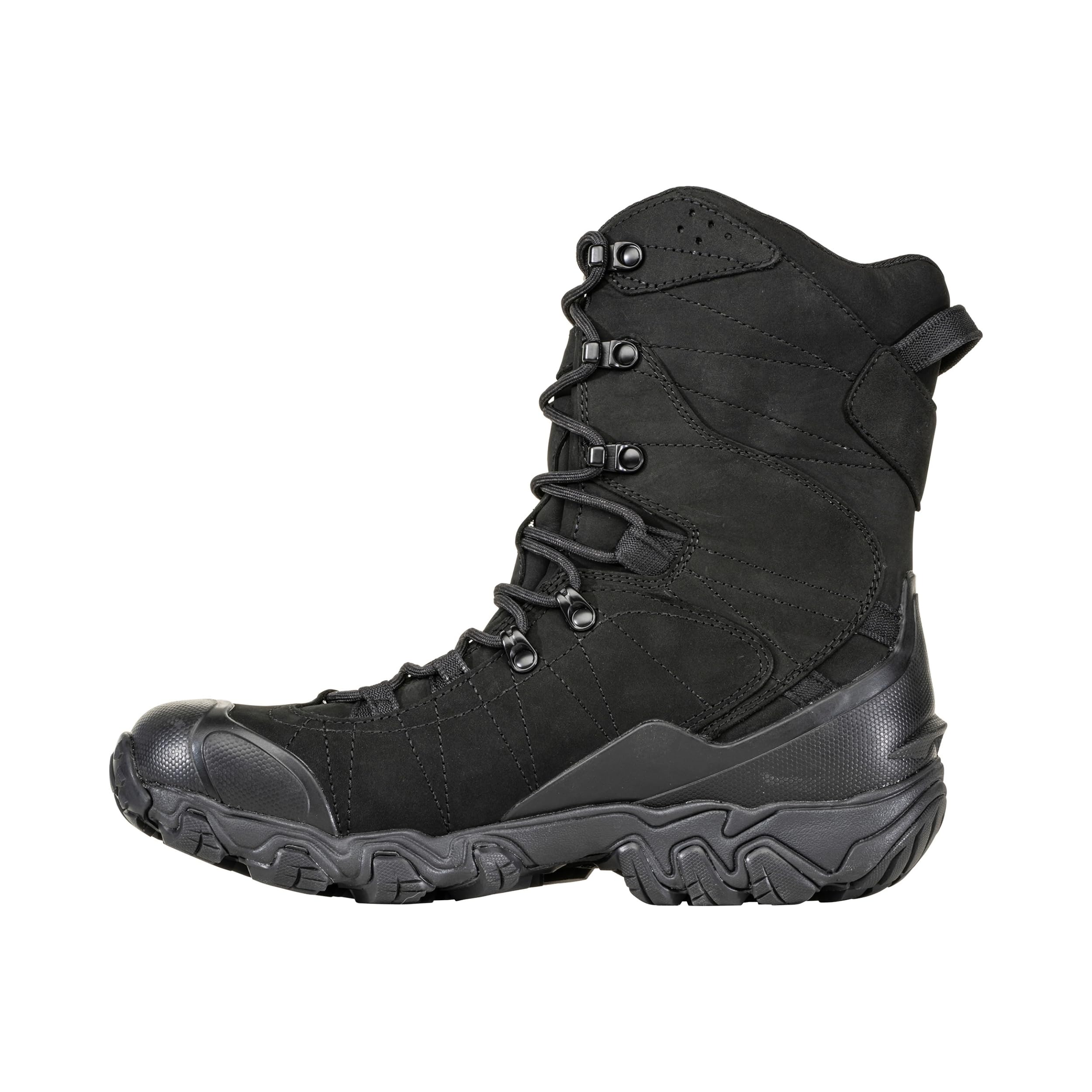
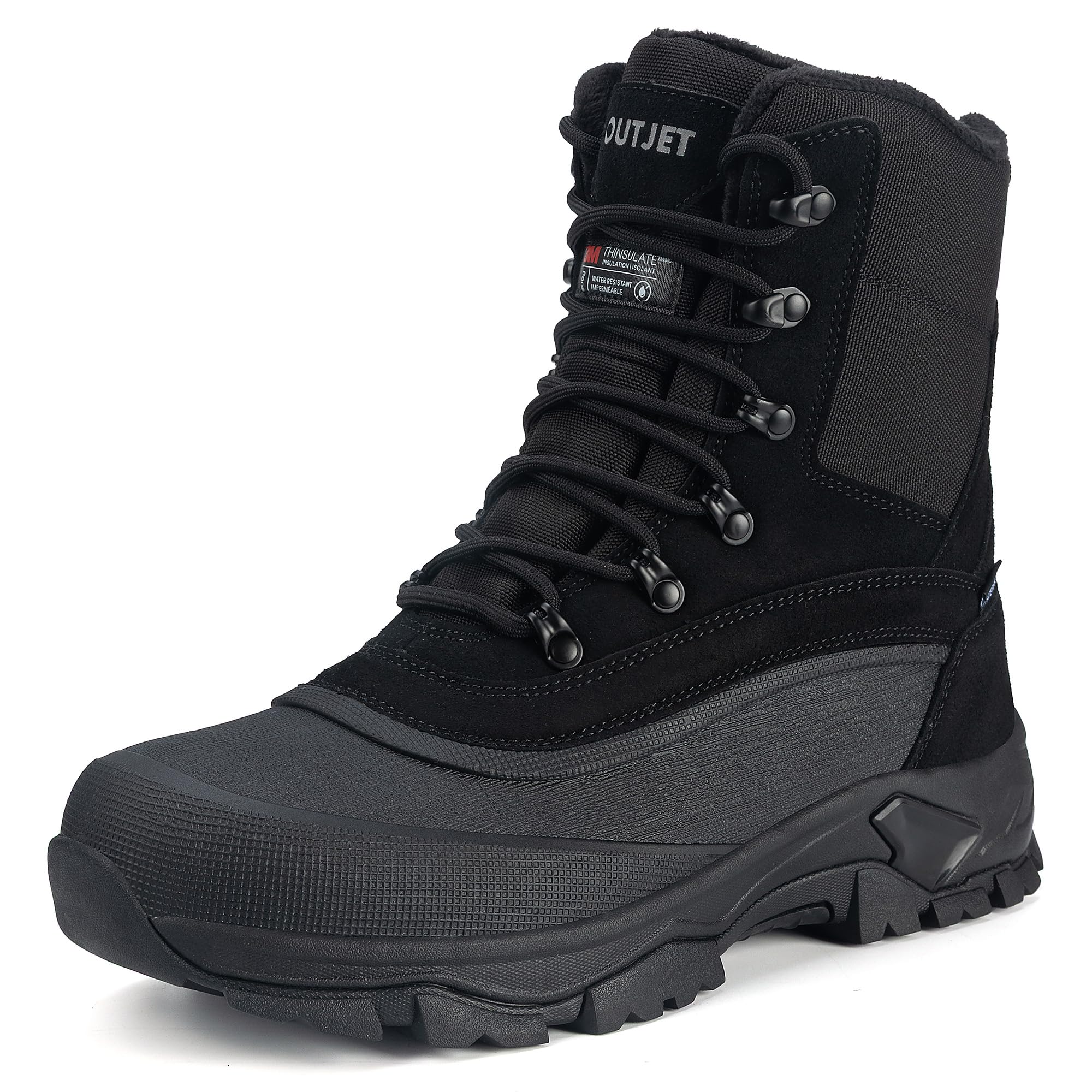
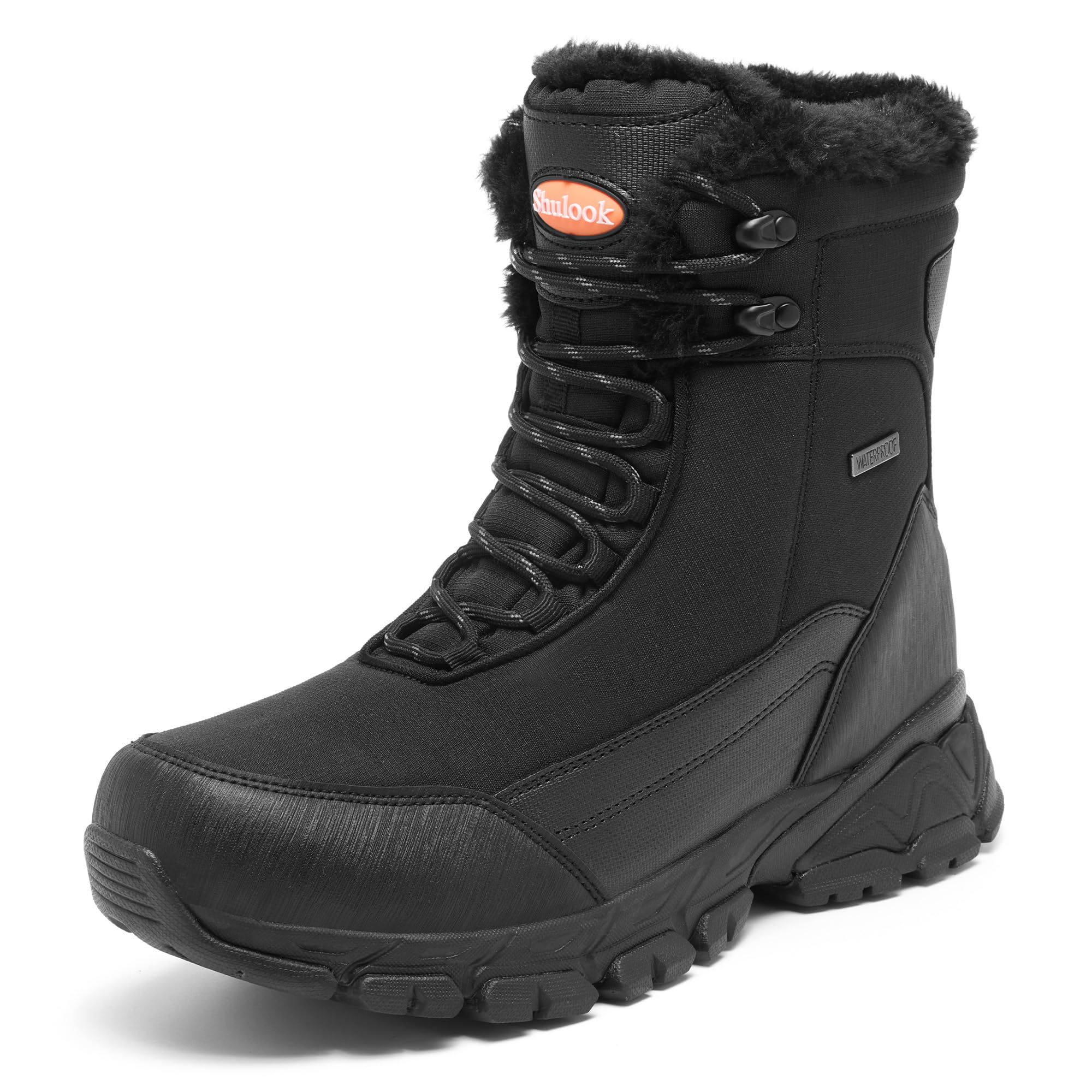
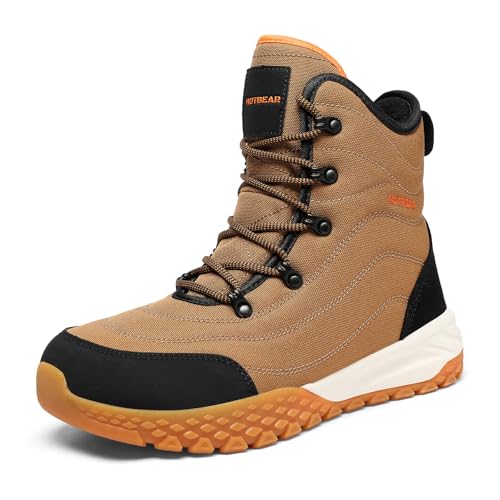
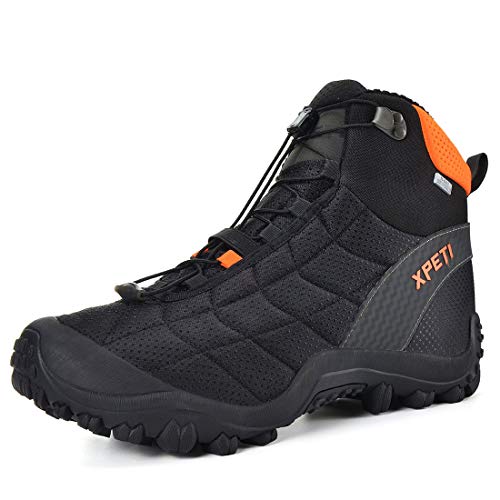
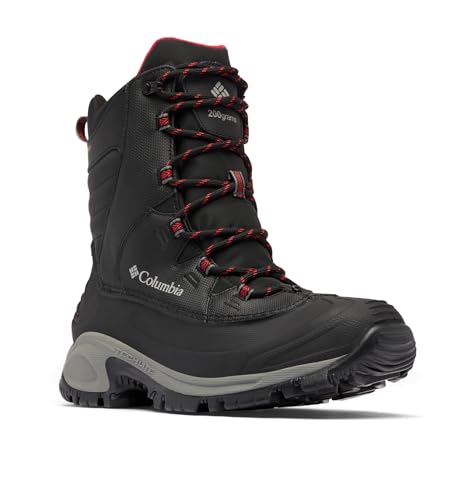
Winter trails demand more from footwear than a summer path does, with snow, ice, mud, and freezing streams all testing fit and grip. This checklist guide to best cold weather hiking boots helps you judge insulation, waterproofing, traction, and support before you buy. The product table gives a quick overview of the main choices.
Rather than ranking products, this guide gives you a set of questions to ask about any boot you consider, from how it handles deep snow to how it feels after several miles. Use the checklist in each section to compare options side by side, and keep your usual trail conditions in mind as you read.


Who Benefits From Winter Hiking Boots
Day hikers on snowy trails need boots that keep feet warm during rest stops, when movement slows and cold sets in quickly. A waterproof upper, a tall shaft to keep snow out, and a sole that grips packed snow matter more than speed for this group. Gaiters can add extra snow protection on deeper trails.
Backcountry and Snowshoe Hikers
Hikers who break trail or use snowshoes need stiffer soles for stability, strong ankle support for uneven snow, and insulation that works during slow, strenuous climbs. Compatibility with snowshoe bindings matters here, so check that the boot shape and sole width work with your bindings before buying. A roomy toe box helps toes stay warm during long, slow ascents.
Winter Trail Runners Turned Hikers
People who move fast on winter trails may prefer lighter boots with flexible soles, accepting less insulation in exchange for agility. Even for faster hiking, waterproofing and ice grip remain important, since wet feet and slips slow you down more than a little extra weight. Choose insulation based on your pace and rest habits, not on the coldest possible day alone.
Key Features Checklist
Fit, Sizing, and Toe Box
Measure feet in the afternoon and try boots with thick hiking socks, since winter socks change the fit noticeably. Toes should wiggle without hitting the front on downhill sections, and the heel should stay put to avoid blisters. If you plan to wear gaiters, check that the shaft and lacing work comfortably with them.
Insulation for Trail Conditions
Insulation needs depend on temperature, pace, and how often you stop, since standing still on a windy ridge cools feet fast. Removable liners let you dry boots overnight on multi day trips, while built in insulation suits day hikes better. Avoid boots so tight that insulation compresses, because compressed insulation traps less warm air.
Waterproofing and Membranes
A waterproof membrane helps when crossing streams, walking through wet snow, or hiking during a thaw, but it cannot keep water out if snow enters over the top of the boot. A gusseted tongue and a taller shaft reduce that risk, and gaiters add another layer of protection. Remember that waterproof boots dry more slowly once wet inside, so good socks matter too.
Outsole Traction and Terrain
Deep lugs shed mud and snow, while a rubber compound that stays soft in cold weather grips icy rock and packed snow better. Look for a lug pattern with enough spacing to clear snow, and a heel brake that helps on steep descents. No hiking boot grips smooth ice perfectly, so carry traction aids for icy trails when conditions call for them.
Ankle Support and Stability
A higher shaft supports the ankle on uneven, snow covered ground, especially when carrying a pack. Stiffer boots offer more support but feel less nimble, while flexible boots suit smoother trails and faster paces. Test side to side stability on a slope or uneven surface before deciding, since flat store floors hide this difference.
Weight and Flexibility
Heavier boots protect and insulate better but tire legs over long miles, especially in deep snow. Lighter boots feel more agile but may offer less warmth and support for rough terrain. Balance weight against your usual distance, pack weight, and trail roughness, rather than choosing the lightest or heaviest option by default.
Types of Winter Hiking Boots Compared
The table below compares common types by warmth, support, and best trail use, so you can narrow your search before checking details. Pair it with the checklist above, since your pace and terrain matter as much as the boot type.
| Type | Warmth | Support | Best Use |
|---|---|---|---|
| Insulated hiking boots | High | High | Cold day hikes and snowshoeing |
| Waterproof leather hiking boots | Moderate | High | Mixed trails and rocky ground |
| Lightweight winter hiking boots | Moderate | Moderate | Faster hikes on packed trails |
| Mountaineering style boots | Very high | Very high | Steep snow and very cold conditions |
Insulated hiking boots suit most winter day hikes, while waterproof leather boots handle rocky, mixed terrain with good durability. Lightweight winter boots feel better for faster miles on groomed trails, and mountaineering style boots suit steep, very cold routes where support and warmth matter most. For general cold weather footwear, see our guide to best cold weather boots.
Spending Guidance for Trail Boots
Lower Spending Range
At lower prices, prioritize waterproofing, a grippy sole, and a fit that works with thick socks over extra insulation or premium materials. Boots in this range suit shorter winter hikes and milder cold, especially on well maintained trails. Inspect seam sealing and lug depth closely, since those details affect trail performance.
Middle Spending Range
Middle priced boots usually offer better insulation, stronger waterproof membranes, and more durable uppers, which helps on longer or rougher winter hikes. You may also find removable liners and improved ankle support in this range. For most winter hikers, this range offers the best balance of warmth, durability, and comfort.
Higher Spending Range
Higher priced boots tend to use advanced insulation, tougher materials, and more precise fits, which can matter for multi day trips or very cold, steep terrain. They also tend to last longer under hard use, though fit still matters more than price. If you hike often in winter, durability and repairability can justify the extra cost.
Quick Buyer Checklist
- Do the boots fit with thick hiking socks and leave room for toes to move?
- Is the insulation right for your pace, rest stops, and coldest expected trail?
- Does the waterproofing cover seams, tongue, and lower shaft adequately?
- Do the lugs grip packed snow and shed mud without clogging?
- Does ankle support feel stable on uneven ground with a pack?
- Do the boots work with your gaiters and snowshoe bindings, if you use them?
- Can you walk comfortably in them for at least an hour without hot spots?
Red Flags to Watch For
- Vague insulation claims with no temperature guidance or material detail.
- Soles that feel hard and slick at room temperature, since cold makes them harder.
- Seams or tongues that look unsealed despite waterproof claims.
- A fit that pinches toes or lets the heel lift, even after lacing adjustments.
- Very short warranties or unclear care guidance for winter use.
How to Make Winter Hiking Boots Last Longer
Air dry boots away from direct heat after every hike, and remove liners or insoles so moisture escapes fully. Brush off mud and salt, and treat leather uppers as the maker directs to keep them supple and water resistant. Rotate pairs when possible, and replace worn laces and insoles before they fail on the trail. For women specific winter hiking options, see our guide to best women's hiking boots for cold weather, and for all weather trail use, see our guide to best all weather hiking boots.
Hunting focused cold weather boots differ in quiet walking and scent control needs, covered in our guide to best cold weather hunting boots, while men specific sizing is covered in our guide to best cold weather men's boots.
Cold Weather Hiking Boots: Your Questions Answered
Can I wear cold weather hiking boots all day?
Yes, if the fit, insulation, and weight suit your pace and trail length, since a well fitting winter hiking boot can stay comfortable for a full day. Test boots on a long walk before a full day hike, and watch for hot spots, heel slip, or toe pressure on descents. Bring an extra pair of dry socks for long days, since dry feet stay warmer and more comfortable. If boots feel heavy or stiff after an hour, they may suit shorter hikes better.
How often should I replace cold weather hiking boots?
Replace hiking boots when lug depth wears down, waterproofing fails despite care, or support and cushioning no longer feel stable on uneven ground. Frequent winter hikers may wear boots out in one or two seasons, while occasional hikers can get several years from a good pair. Inspect soles, seams, and ankle support at the start of each winter season. A new insole can refresh comfort, but it cannot restore worn traction or a leaking upper.
How long is the break in period for cold weather hiking boots?
Most winter hiking boots break in over a few short hikes, though stiff leather boots may need several outings to soften. Start with short walks on easy trails, wearing the socks and gaiters you plan to use, before tackling a long winter route. Persistent sharp pain, numbness, or blistering after several wears usually signals a fit problem rather than normal break in. In that case, try a different size, width, or lacing pattern.
How should cold weather hiking boots fit?
Winter hiking boots should fit snugly around the heel and midfoot while leaving room for toes to wiggle in thick socks. On a downhill slope, toes should not jam against the front, and the ankle should feel supported without pinching. Try boots later in the day, when feet are slightly larger, and walk up and down a slope if possible. A fit that feels perfect in thin socks may feel tight in winter socks.
Are expensive cold weather hiking boots worth it?
Higher priced hiking boots often offer better insulation, stronger waterproofing, and more durable construction, which can matter for frequent or demanding winter hikes. For short hikes on maintained trails in mild cold, a mid priced pair with good traction and fit may serve just as well. Compare fit and sole quality first, then insulation and durability, rather than assuming price alone guarantees trail performance. The best value is the pair that fits well and lasts through your winter seasons.
Do I need waterproof hiking boots for winter?
Waterproof hiking boots help most when trails involve wet snow, stream crossings, or thaws, since wet feet lose warmth quickly on winter hikes. In very dry, cold conditions, a breathable non waterproof boot with good insulation may feel more comfortable. Consider your usual trails, including low sections that collect water, and whether you use gaiters. For mixed winter conditions, waterproofing adds useful protection against surprise wet sections.
Final Thoughts
Choose winter hiking boots by matching insulation, waterproofing, traction, and ankle support to your trails, pace, and pack weight, rather than by warmth alone. Use the checklist above to compare any boot you consider, test fit with thick socks and gaiters, and walk on uneven ground before committing. The product table above gives a useful starting point, but your own trail habits decide which type fits best. With a careful choice, best cold weather hiking boots become dependable companions for snowy miles rather than a source of cold, wet feet.


