
Best All Weather Hiking Boots: A Buying Guide for 2026
Disclosure: We may earn a commission when you buy through links on this page, at no extra cost to you. As an Amazon Associate I earn from qualifying purchases. Learn more

Compare the best all weather hiking boots with honest guidance on waterproof membranes, breathability, fit, pair weight, and what each price band buys.
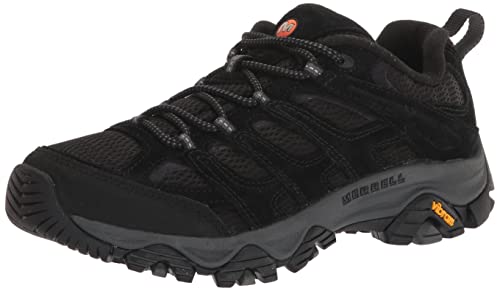
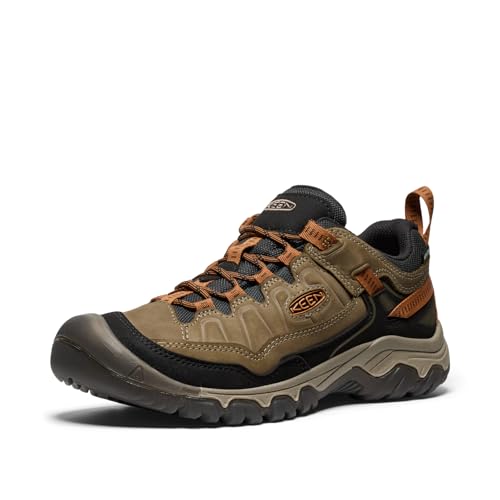
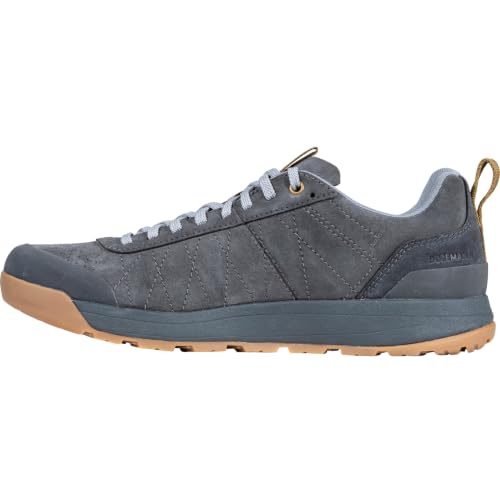
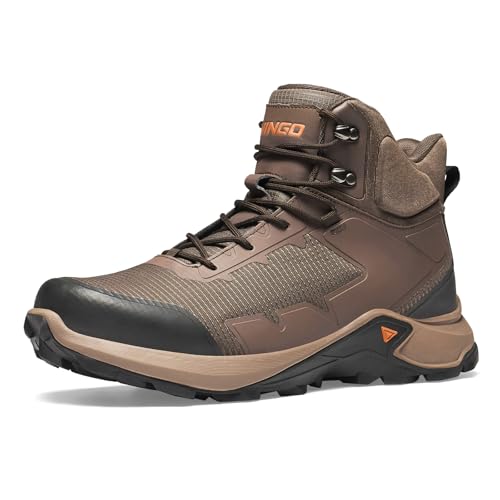
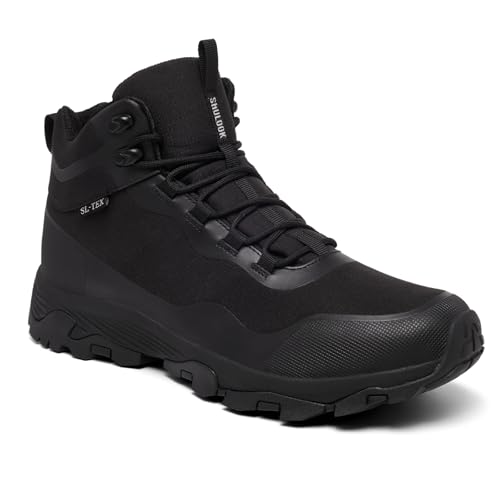
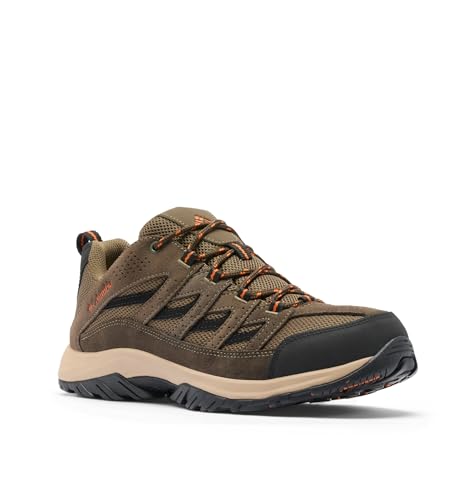
One pair of boots that handles spring rain, autumn mud, cold snaps, and warm dry trails is an appealing idea, and it is mostly realistic if you accept the trade offs involved. The best all weather hiking boots pair a waterproof membrane with an upper that still breathes a little, and they ask you to give something up on the hottest days. The product table below lists pairs across the main styles, so you can see where each type sits before reading on.
This guide explains what the waterproofing really does, where its limits sit, and why fit and weight matter more than marketing claims, so you can match a pair to the weather you actually hike in.




Who the Best All Weather Hiking Boots Suit
The all weather label fits some hikers perfectly and others poorly. These are the three groups who get real value from one versatile pair.
Hikers in Wet, Changeable Climates
If your trails deliver rain in any month, mud for weeks at a time, and puddles on every low section, a waterproof pair is the sensible default. Dry feet blister less and stay warmer when the temperature drops mid hike. If most of your walking is rain first, the narrower guide to best hiking boots for rainy weather goes deeper on drainage and wet grip.
Four Season Day Hikers
Walkers who go out all year in a temperate climate, and who do not want three pairs in the closet, are the natural owners of this class. A midweight waterproof boot covers wet winters, muddy springs, and cool autumn days without drama. Deep snow and serious cold are the exception: for that end of the year, the guide to best hiking boots for cold weather covers insulated models built for freezing ground.
Backpackers Crossing Mixed Country
On a multi day route you may start in a wet valley, cross a dry ridge, and finish in rain, all with everything on your back. One boot that handles all of it saves the weight and bulk of a second pair. The cost is heat on the dry days, which most backpackers accept in exchange for never gambling on the forecast.
How to Choose All Weather Hiking Boots
Five factors decide whether a pair earns the all weather name, and the first two are about honesty: what the membrane can do, and what it costs you in breathability. The best all weather hiking boots are the ones whose limits match your trails.
Waterproofing: What a Membrane Can and Cannot Do
Every boot in this class carries a waterproof membrane or a heavily treated leather upper, and the honest limit is height. The membrane works only up to the top of the boot opening, roughly the height of the inner lining, and no further. Step into water deeper than the collar and water pours in from above, membrane or not. A mid cut boot therefore keeps feet dry through puddles, wet grass, and steady rain, but not through a deep stream crossing.
Once water gets inside, a waterproof boot also dries slowly, because the barrier that blocks rain traps the flood.
The Breathability Trade on Hot Days
The membrane that keeps rain out also slows sweat vapor on its way out, so all weather boots run warm compared with plain mesh boots. On a hot day that trade shows up as damp socks and softer skin by the afternoon. For summer only hiking, the breathable end of the range in our guides to best warm weather hiking boots and best hot weather hiking boots is often the better tool. Choose this class when wet days outnumber hot ones in your calendar.
Fit, Sizing, and Toe Box
Measure and try boots in the afternoon, when your feet are at their largest, and wear the socks you hike in. You want about a thumb width, roughly half an inch, of space in front of your longest toe, so descents do not jam your toes into the front of the boot. The heel should stay seated when you walk, with no lifting or rubbing. Fit varies by last, and many makers cut a women's specific shape with a narrower heel; our guide to best all weather hiking boots women's compares those fits directly.
Weight: Judge the Pair, Not One Boot
Makers often list the weight of a single boot, which flatters the number on the page. Your legs lift the pair, one after the other, all day, so pair weight is the honest figure to compare. Light trail pairs run about 1.5 to 2.5 pounds, midweight pairs about 2.5 to 3.5 pounds, and rugged pairs about 3.5 to 4.5 pounds. Extra weight buys ankle support, thicker soles, and durability, and it also costs energy on every step of a long climb.
Cushioning, Support, and Traction
A firmer midsole protects your feet from sharp stones on long days, while a softer one feels kind on short walks and tiring by mile ten. Heel to toe drop on hiking boots commonly sits around 8 to 12 mm, and higher drops suit walkers used to heeled footwear. For mud and wet roots, look for lugs about 4 to 5 mm deep with space between them, so mud clears instead of packing in.
Types of All Weather Hiking Boots
Prices follow the same ladder inside every type: about $80 to $130 buys entry level pairs, about $130 to $200 the durable middle, and about $200 to $300 the longest lasting builds.
Light Trail Boots for Mild Weather
These are low or mid cut boots built like sturdy shoes, with flexible soles and light uppers. They suit maintained trails, travel days, and hikers who feel clumsy in stiff footwear. Their waterproofing handles rain and puddles well, but thin soles transmit stones and ankle support is modest, so keep them for shorter routes.
Midweight Boots for Mixed Conditions
This is the true all weather middle: ankle height uppers, membranes, supportive midsoles, and enough structure for a loaded day pack. Most four season walkers should start here, because the balance of dryness, support, and weight is the best in the category. If you buy one pair for everything, buy this type.
Rugged Boots for Rough Country
Full leather or heavily built synthetic uppers, stiff soles, and deep lugs define this class. They suit rocky ground, heavy packs, and cold wet seasons where a soft boot would be punished. The penalties are price, break in time, and the highest pair weights in the guide.
Care and Maintenance Tips
- Dry wet boots slowly at room temperature, away from direct heat, because strong heat cracks leather and weakens the glues that hold a sole on.
- Brush off mud after each hike, and reproof leather or fabric uppers when water stops beading on the surface and starts soaking in.
- Rotate two pairs on multi day trips when you can, so each pair dries fully between wears and the cushioning recovers.
- Judge replacement by worn lugs and a midsole that feels flat and dead, not by a fixed mileage number, because surfaces wear boots at very different rates.
- Store boots clean, dry, and loosely laced in a ventilated place, away from sunlight that fades and weakens upper materials.
Questions Answered
Do hikers really need waterproof boots for all weather trails?
Waterproof boots earn their place when rain, wet grass, and mud are regular features of your routes, because they keep feet dry from the outside for hours. They help least at stream crossings, where water enters over the collar, and on hot dry routes, where they only trap sweat. A practical test: if your socks usually come home wet from the trail rather than from your own feet, you need the membrane. If they come home wet with sweat, you need ventilation instead.
How often should all weather hiking boots be replaced?
Replace them when the signs stack up, not on a schedule: lugs worn smooth at the heel and ball, a midsole that feels flat on rocky ground, or uppers cracking at the flex point above the toes. Any one sign can be lived with, but two together mean the boot is no longer protecting your feet. Waterproof pairs add one more signal: when feet start getting wet in ordinary rain, the membrane has likely torn or delaminated inside.
Are expensive all weather hiking boots worth it?
Higher prices mainly buy better materials and longer service, not extra features. A pair at about $220 with a full leather upper and a resolable sole can outlast two pairs at about $110, which makes it cheaper per season for a frequent hiker. The value disappears if you hike a few times a year, because calendar aging still works on glues and foams. Match the spend to your mileage: regular walkers gain from the top of the range, occasional walkers do not.
Can all weather hiking boots be worn all day?
Yes, a well fitted pair can be worn from trailhead to evening without trouble, and many hikers use them as travel and work footwear too. The limit is heat: on warm days your feet will feel the membrane by mid afternoon, and a sock change at lunch restores comfort surprisingly well. Stand and walk in a new pair around the house for an hour before a long day out. If hot spots appear at home, they will be blisters on the trail.
How should all weather hiking boots fit?
They should hold the heel firmly, leave about a thumb width in front of your toes, and let your toes spread without pressing the sides of the toe box. Test on a slope or a step edge if the shop allows it, because downhill toe bang is the most common fit failure and it only shows under load. Lace snugly over the instep to lock the heel back, then loosen the top hooks if your ankles feel trapped. Fit judged in the morning, in thin socks, misleads almost everyone.
Final Thoughts
Choose for the weather you meet most: a membrane that keeps rain out up to the collar, enough breathability for your warm days, a fit with room for downhill toes, and a pair weight your legs accept. The product table above gathers the strongest current options in one view. Judged by those checks, the best all weather hiking boots are the pair you stop thinking about by the second mile, whatever the sky is doing.


