Best Cold Weather Heat Pumps: Types Compared and How to Choose in 2026
Disclosure: We may earn a commission when you buy through links on this page, at no extra cost to you. As an Amazon Associate I earn from qualifying purchases. Learn more

A clear buying guide to cold weather heat pumps, covering system types, low temperature performance, correct sizing, installation, and winter running costs.
Choosing the best cold weather heat pumps can feel complex, because low temperature performance, sizing, and installation all affect comfort and bills. This guide explains heat pump types, cold climate ratings, and sizing in plain language, so you can pick a system that heats reliably through winter without excessive backup heating.
You will learn how to read low temperature capacity, how defrost cycles work, and how to plan installation with a qualified technician. The comparison table below gives a quick overview of the main cold weather types, and the sections that follow help you match a system to your home size, climate, and existing heating.




Who This Guide Is For
This guide suits homeowners in cold climates replacing a furnace or boiler, building a new home, or adding efficient heating to a specific area. If your winters regularly fall well below freezing, cold climate performance matters far more than headline efficiency at mild temperatures. If you live in a milder cold region, a standard heat pump with good low temperature ratings may be enough.
It also helps buyers comparing quotes from installers, because sizing, ductwork, and backup heat shape real performance. Think about your home insulation, window quality, and coldest winter temperatures, then let those answers shape your short list. A correctly sized system with good installation will outperform an oversized system installed poorly.
Types Compared
Cold weather heat pumps differ in design and distribution, so compare them by home layout and existing systems.
| Type | Best For | Typical Price |
|---|---|---|
| Air Source Cold Climate Pumps | Whole home heating in cold regions | about $5,000 to $15,000 |
| Ductless Mini Split Pumps | Room by room heating and retrofits | about $3,000 to $8,000 |
| Ground Source Heat Pumps | Stable efficiency in very cold climates | about $15,000 to $35,000 |
| Hybrid Dual Fuel Systems | Heat pump plus backup furnace | about $6,000 to $16,000 |
Air Source Cold Climate Pumps
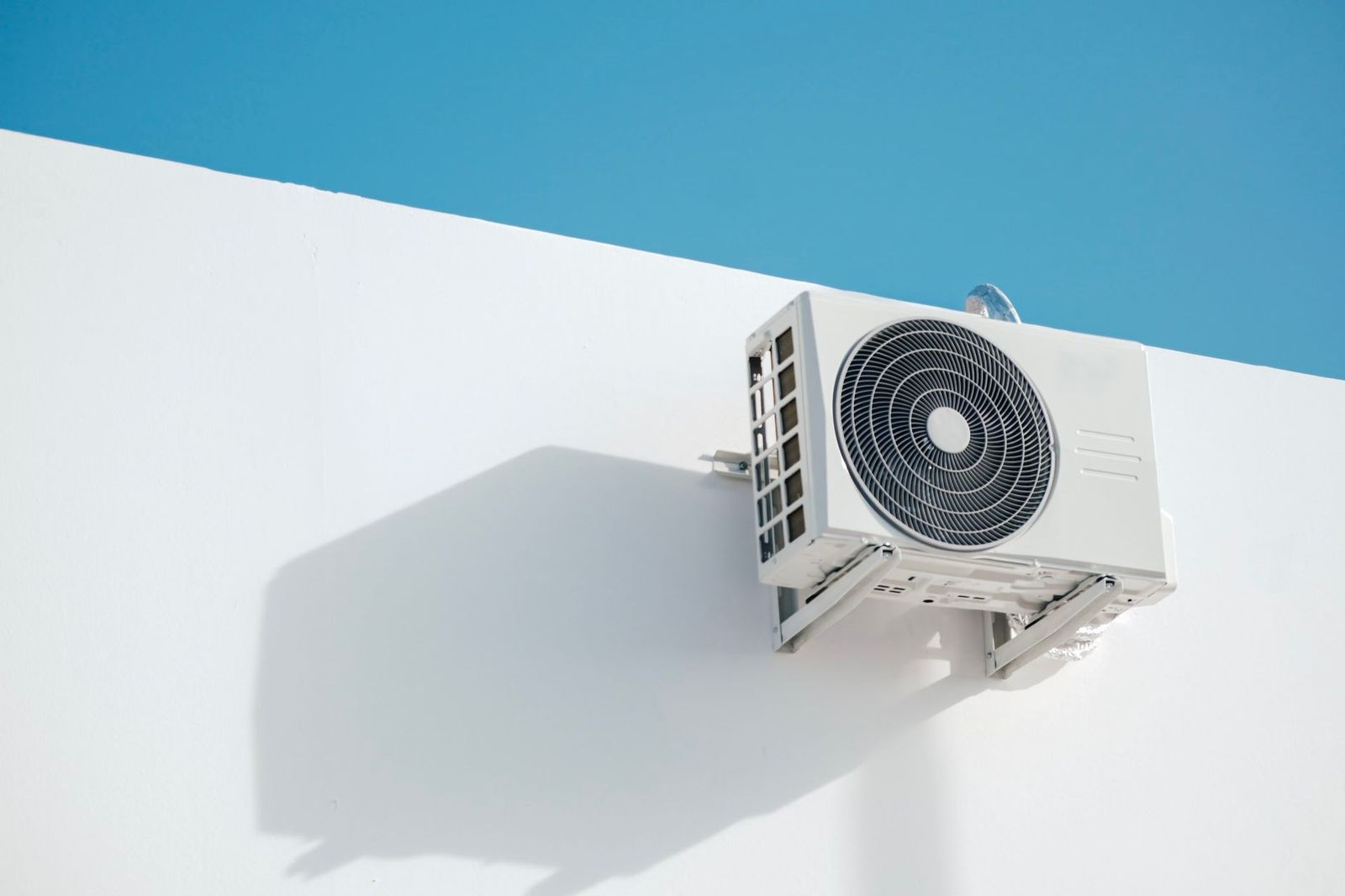
Air source cold climate pumps extract heat from outdoor air even at low temperatures, using enhanced compressors and defrost controls. They suit many homes with ductwork or ductless indoor units, and they also provide cooling in summer. Check capacity at your coldest design temperature, not only at mild ratings.
Ductless Mini Split Pumps
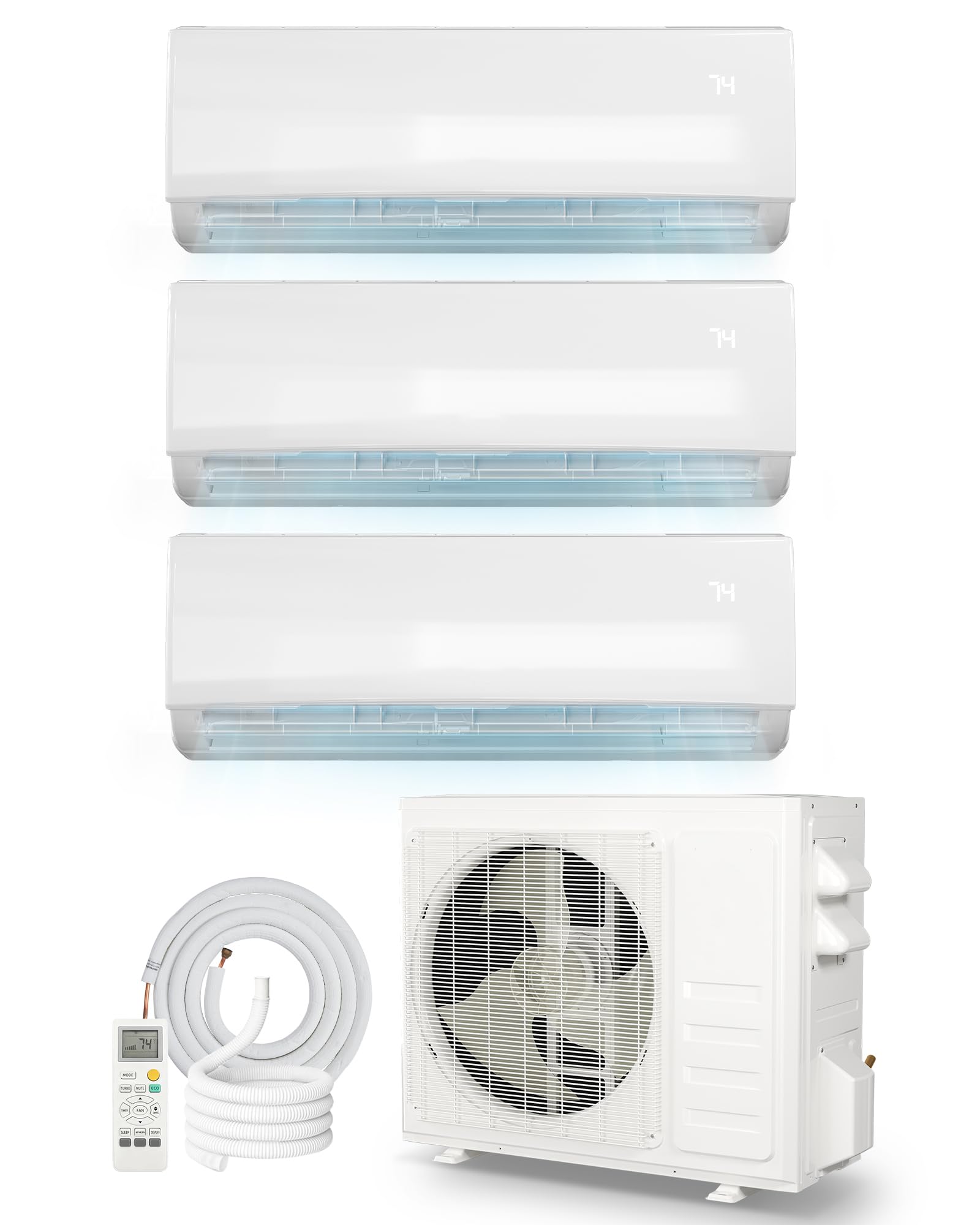
Ductless mini splits heat individual rooms or zones without ductwork, which suits older homes, additions, and rooms that are hard to heat. They offer precise zone control and high efficiency, but multiple indoor units add cost. Check outdoor unit capacity at low temperatures and indoor unit placement for even warmth.
Ground Source Heat Pumps
Ground source pumps use stable underground temperatures, which gives consistent efficiency even in very cold weather. They cost more upfront and need land for loops or wells, plus professional design. This type suits new builds and large properties where long term efficiency justifies higher installation cost.
Hybrid Dual Fuel Systems
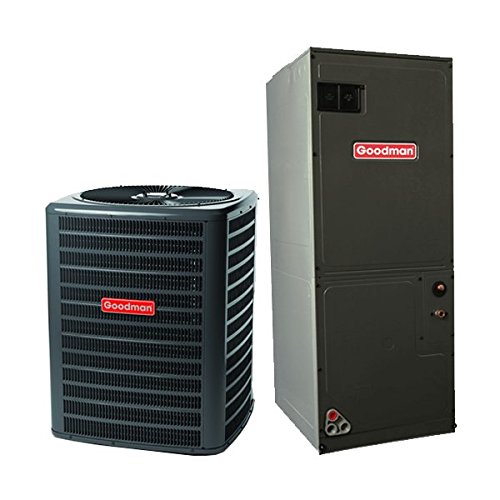
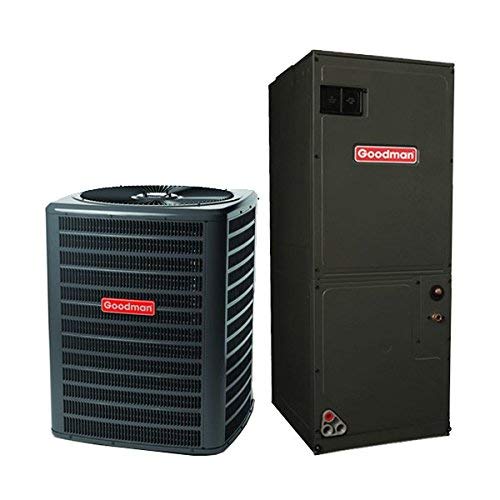
Hybrid systems pair a heat pump with a gas or electric furnace that takes over in extreme cold, which can reduce running costs and ensure comfort. They suit homes with existing furnaces and very cold winters, but controls must switch efficiently between systems. Ask installers about switchover temperature and backup fuel costs.
Key Features to Compare
These features decide winter comfort and running costs more than headline efficiency alone.
Low Temperature Capacity
Low temperature capacity tells you how much heat the system still delivers at cold outdoor temperatures, which is the key number for cold climates. Check capacity at about 5 degrees Fahrenheit or your local design temperature, and compare it with your home heat load. A system that loses most capacity in cold weather will rely heavily on backup heat and cost more to run.
Coefficient of Performance in Cold
Coefficient of performance, or COP, measures heat output per unit of electricity, and it falls as outdoor temperature drops. Compare COP at cold temperatures, not only at mild ratings, and ask installers for seasonal performance estimates for your climate. A higher cold weather COP usually means lower winter bills, even if purchase price is higher.
Sizing and Heat Load
Correct sizing is critical, because an undersized system cannot keep up in cold snaps, while an oversized system cycles on and off and feels less comfortable. Ask for a proper heat load calculation based on insulation, windows, and local climate, rather than sizing by old furnace capacity alone. Good installers measure and model your home before quoting.
Defrost and Controls
Defrost cycles melt ice from the outdoor unit in cold, humid weather, and they briefly pause heating. Good controls minimize defrost frequency and duration, and smart thermostats help manage setback and backup heat. Ask about defrost behavior, thermostat compatibility, and whether the system can maintain comfort during defrost in your climate.
Installation and Ductwork
Installation quality shapes performance as much as equipment choice, including refrigerant charge, airflow, duct sealing, and outdoor unit placement. Poor ductwork leaks heat and reduces efficiency, while a sheltered outdoor unit with good airflow defrosts better. Choose a qualified installer with cold climate experience, and check references and warranty terms.
Related Guides to Compare
For climate specific sizing and performance notes, see our guide to best heat pumps for cold weather climates alongside this buying guide.
For a broader cold climate overview, see our guide to best heat pumps for cold climates before you compare quotes.
To compare build quality and reliability across brands, see our guide to best quality heat pumps before you settle on a system.
For thermostat compatibility and smart controls, see our guide to best thermostat heat pump alongside this guide.
Common Mistakes to Avoid
A common mistake is choosing a heat pump by mild weather efficiency alone, then finding it struggles in a cold snap. Another mistake is skipping a heat load calculation and sizing by guesswork or old equipment. Ask for cold temperature capacity, a proper load calculation, and installer experience in cold climates before you sign a quote.
Care and Upkeep Over Time
Keep outdoor units clear of snow, ice, leaves, and debris, and check airflow around the unit regularly in winter. Change indoor filters as directed, keep vents clear, and schedule professional maintenance yearly to check refrigerant, coils, and controls. Listen for unusual noises or frequent defrost cycles, and call your installer promptly if heating becomes uneven or bills rise sharply.
Questions to Ask Before You Order
Ask yourself what your coldest winter temperatures are, how well your home is insulated, and whether you have ductwork or need ductless units. Ask installers about low temperature capacity, COP in cold, sizing method, backup heat, and warranty, and compare at least two quotes. Finally, plan for professional installation, thermostat setup, and yearly maintenance so the system performs well for years.
Frequently Asked Questions
Do heat pumps work in very cold weather?
Yes, cold climate heat pumps work in very cold weather, but capacity and efficiency fall as outdoor temperature drops. Modern cold climate models still deliver useful heat well below freezing, often down to about minus 13 degrees Fahrenheit or lower, depending on model. Check capacity at your local design temperature, and plan backup heat for extreme cold snaps if needed.
Will a heat pump replace my furnace completely?
A heat pump can replace a furnace in many cold climate homes, especially with good insulation and a correctly sized cold climate model. In very cold regions, a hybrid system with backup heat may be more comfortable and cost effective. Ask an installer for a heat load calculation and running cost estimate for your home before deciding.
How much does a cold weather heat pump cost to run?
Running cost depends on electricity prices, home insulation, system efficiency in cold, and thermostat settings. Cold climate models with higher cold weather COP usually cost less to run than standard models, even if they cost more upfront. Ask installers for seasonal cost estimates based on your climate and current heating bills for a realistic comparison.
Do I need backup heating with a heat pump?
Backup heating may be needed for extreme cold, power outages, or homes with poor insulation, and it can be electric resistance, a furnace, or a wood stove. A hybrid system switches to backup automatically at a set temperature, while a standalone heat pump may use built in electric backup. Discuss backup options with your installer based on your climate and comfort needs.
How long do heat pumps last?
Heat pumps often last 15 to 20 years with regular maintenance, depending on climate, use, and installation quality. Outdoor units in harsh weather may need more frequent service, and compressors are a major long term cost if they fail. Schedule yearly maintenance, keep units clear, and check warranty terms for compressor and parts coverage.
Final Thoughts
The best cold weather heat pump is the one that delivers enough heat at your coldest temperatures, fits your home layout, and is installed correctly by an experienced technician. Use the product table to narrow the type, then compare low temperature capacity, cold weather efficiency, sizing, and installation before you decide.
Get a proper heat load calculation, compare installer quotes, and plan for maintenance, because best cold weather heat pumps should keep your home warm through winter reliably and efficiently. If you are unsure about sizing or backup heat, ask a qualified installer for guidance.