Best Air Source Heat Pumps in 2026: Mini Split Buying Guide
Disclosure: We may earn a commission when you buy through links on this page, at no extra cost to you. As an Amazon Associate I earn from qualifying purchases. Learn more

Compare the best air source heat pumps by BTU size, SEER2, cold climate output, noise and installation needs for a ductless home system.
An air source heat pump moves heat between the outdoors and your rooms instead of burning fuel to make it, so one unit can heat in winter and cool in summer. For a house without ducts, a spare room, an addition, or a garage workshop, the ductless mini split is the version most buyers can actually shop for online. This guide to the best air source heat pumps explains how to size one, which ratings predict real bills, and what to plan for before the unit arrives. Use the product table above to compare current systems as you read.






How Air Source Heat Pumps Work
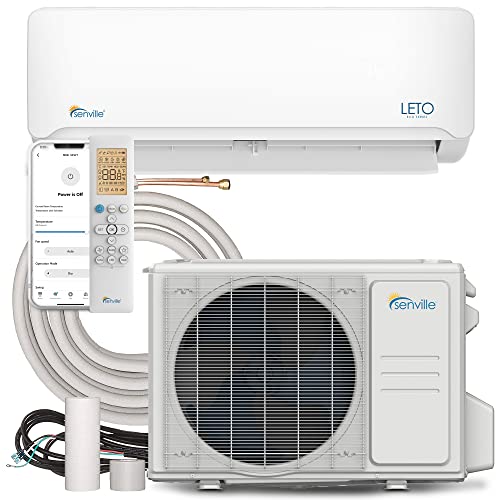
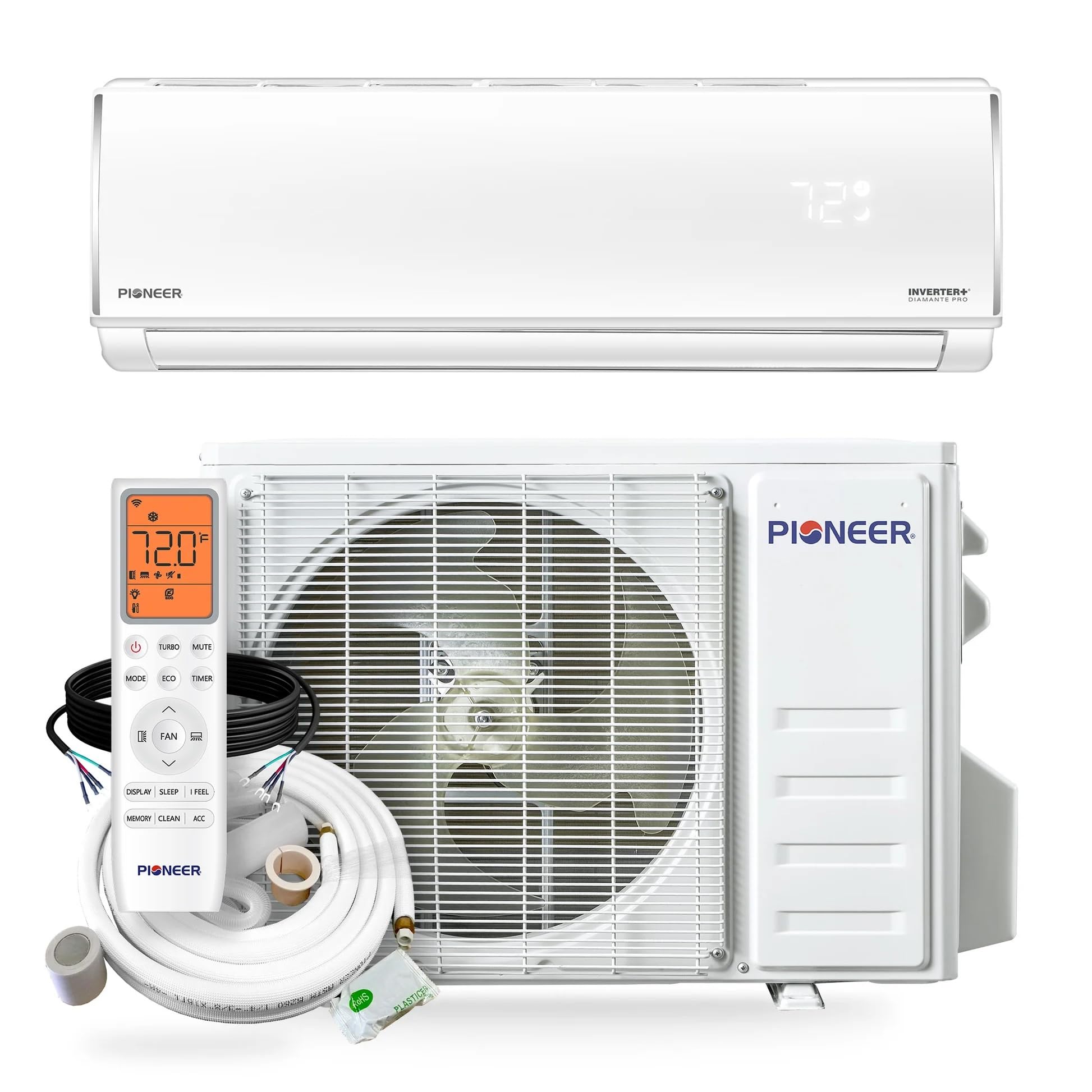
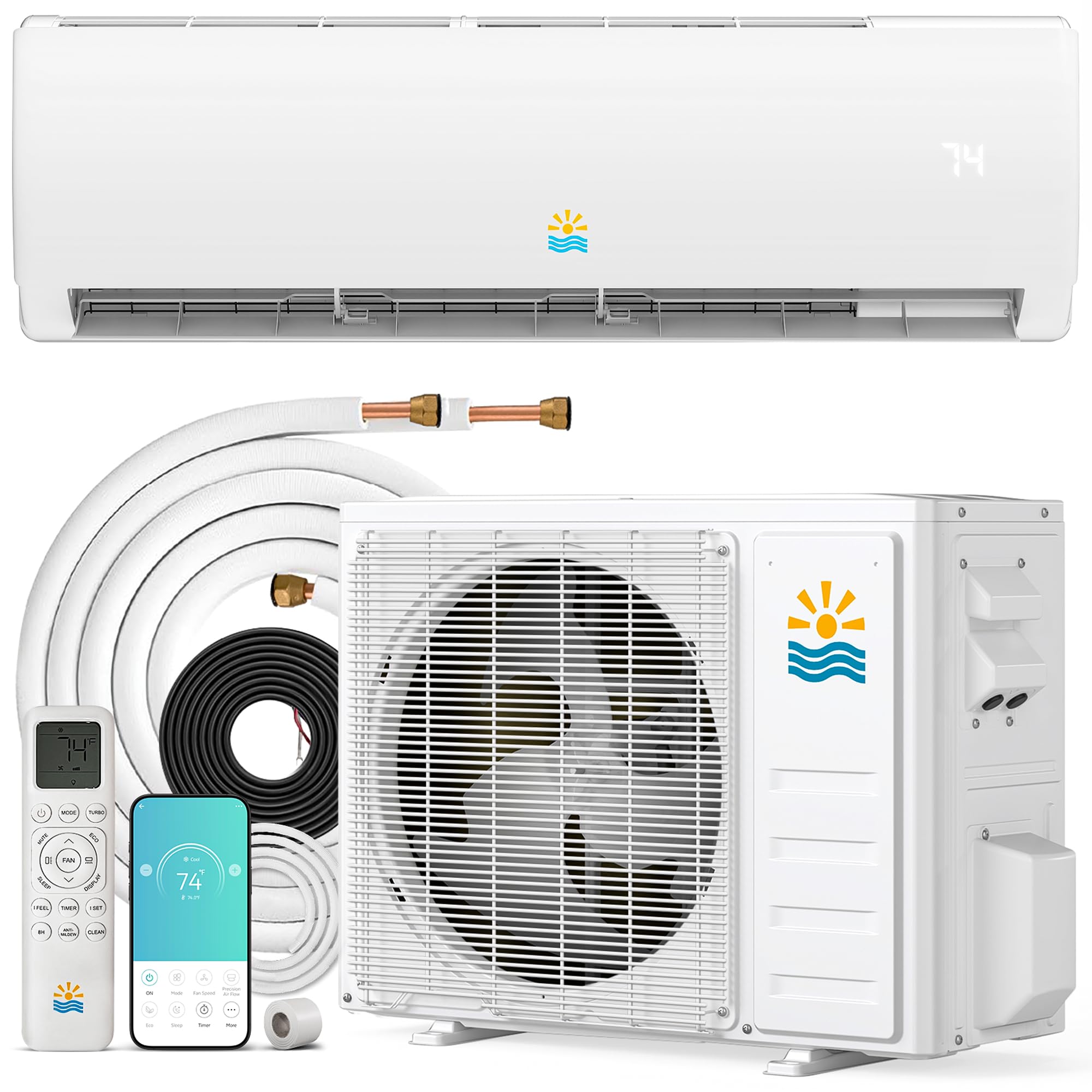
An outdoor compressor unit connects to one or more wall mounted indoor heads through a thin line set carrying refrigerant. In heating mode the system pulls heat out of outdoor air, even cold air, and releases it indoors. Because it moves heat rather than creating it, a modern inverter system can deliver two to four units of heat for every unit of electricity it uses.
Inverter models vary compressor speed instead of switching on and off, which keeps rooms steadier and is quieter. They also draw less power once the room reaches temperature. Older fixed speed units cycle harder and are rarely worth buying today.
Single Zone, Multi Zone and Ducted Types
Single zone mini splits
One outdoor unit serves one indoor head. This is the simplest and cheapest layout, and it suits a bedroom, an office, a sunroom, or an open living area. Most online systems are single zone.
Multi zone systems
One outdoor unit feeds two to five indoor heads in different rooms. You save outdoor space and can control each room separately, but the system costs more and needs a careful design so every room gets the right capacity.
Ducted and central split systems
These connect to existing ductwork and heat the whole house from one air handler. They usually require a licensed contractor to design and install, so they are more often bought through an HVAC dealer than through a shopping cart.
What to Compare Before You Buy
Capacity in BTU
Match capacity to room size and insulation. As a rough guide, 9,000 BTU suits about 350 square feet, 12,000 BTU suits about 550 square feet, 18,000 BTU suits about 900 square feet, and 24,000 BTU suits about 1,200 square feet. Oversizing sounds safe but makes a system cycle too often, so use a load calculation when the room has big windows, high ceilings, or poor insulation.
SEER2 and HSPF2 efficiency
SEER2 rates cooling efficiency and HSPF2 rates heating efficiency over a full season. Higher numbers use less electricity, so a unit rated around 20 SEER2 or above costs less to run than a basic 15 SEER2 unit. Look for ENERGY STAR labeling when available, and compare ratings only between the same type of system.
Cold climate performance
If winters drop below freezing where you live, check the output at 5 degrees Fahrenheit and the lowest rated operating temperature. A cold climate model keeps most of its capacity in low temperatures, while a standard model may need backup heat. Always read the maker table rather than a headline claim.
Noise level
Indoor heads often run near 20 to 40 decibels on low, quieter than a refrigerator hum, and outdoor units are typically around 50 to 60 decibels. Place the outdoor unit away from bedroom windows and shared property lines to keep neighbors comfortable.
Voltage, refrigerant and controls
Many larger systems need a 230 volt circuit, while some small units run on standard 115 volt power. Pre charged line sets let you avoid handling refrigerant yourself, but local rules often require a licensed technician for refrigerant and electrical work. Wi-Fi control, a remote, and sleep modes are useful extras but secondary to sizing and efficiency.
Installation and Local Rules
Plan the line set path, the condensate drain, and a level pad or wall bracket for the outdoor unit before ordering. Check that your electrical panel has room for a dedicated breaker and a disconnect. Many areas require a permit and a licensed installer, and some warranties are void if the unit is not installed by a professional, so read the warranty terms first. Utility rebates and federal tax credits may apply to qualifying systems, and the rules change, so confirm current details with your utility and tax adviser.
Care and Running Costs
- Rinse or vacuum the indoor filters every month during heavy use.
- Keep two feet of clear space around the outdoor unit and clear leaves, snow and ice from the coil.
- Book a yearly service visit to check refrigerant pressure, drains and electrical connections.
- Use schedules and moderate setpoints instead of large temperature swings to keep power use down.
Common Mistakes to Avoid
The biggest mistake is picking a unit by BTU alone. Windows, ceiling height, sun exposure and insulation all change the load. Another is ignoring the installation cost, which can equal a large share of the equipment price. Finally, do not mount the indoor head directly above a bed or over a sofa without checking airflow direction, since cold draughts feel worse than the same temperature from a distance.
Frequently Asked Questions
Do air source heat pumps work in cold weather?
Yes, many modern inverter models heat well below freezing, and cold climate models are rated to keep much of their output at low temperatures. Check the rated output at 5 degrees Fahrenheit for your region and consider backup heat for the coldest days.
What size heat pump do I need?
Start with floor area, then adjust for insulation, ceiling height, windows and sun exposure. A 12,000 BTU unit suits many bedrooms and small living rooms, while an open plan area may need 18,000 BTU or more. A load calculation gives a firmer answer.
Can I install a mini split myself?
Some pre charged DIY kits exist, but electrical work and refrigerant handling are regulated in many places and warranties may require a licensed installer. Check local rules before you buy and use a professional if you are unsure.
Are heat pumps cheaper to run than a furnace?
Often yes, because they move heat rather than create it, especially against electric resistance heating. Savings depend on your electricity and fuel prices, your climate and the efficiency of the system.
How long does an air source heat pump last?
With yearly care, a quality system commonly lasts 12 to 20 years. Clean filters, a clear outdoor coil and prompt attention to unusual noise or drips protect that lifespan.
Final Thoughts
Size the unit to the room, compare SEER2 and HSPF2, confirm cold weather output, and plan the installation before you order. For related reading, see our guide to the best ground source heat pumps if you are weighing a different heat source. Chosen with those checks, the best air source heat pumps deliver steady heating and cooling for years at a lower running cost.