
Best Cleaner for Refrigerators in 2026: Which Type Is Right for You?
Disclosure: We may earn a commission when you buy through links on this page, at no extra cost to you. As an Amazon Associate I earn from qualifying purchases. Learn more

Compare every type of cleaner for refrigerators side by side, from everyday sprays to concentrates, and choose the right option for your fridge and budget.
Spilled milk, sticky jars, and lingering food smells can make a fridge feel unclean even when the food inside is fresh, so choosing the best cleaner for refrigerators for your surfaces and your routine matters more than grabbing the nearest spray. Fridges mix food contact surfaces, glass shelves, plastic drawers, rubber gaskets, and often a stainless exterior, and each surface responds differently to the same formula. The comparison table below sets out the main cleaner types side by side, so you can match a type to your fridge before you buy.
This guide compares everyday sprays, concentrates, and natural options, explains which features matter inside a fridge, and covers safe use around food. It does not rank individual products, because the right choice depends on your fridge surfaces, how often you clean, and whether scent or residue worries you most. Start by checking your fridge manual for surface guidance, then choose the type that fits your cleaning habits.
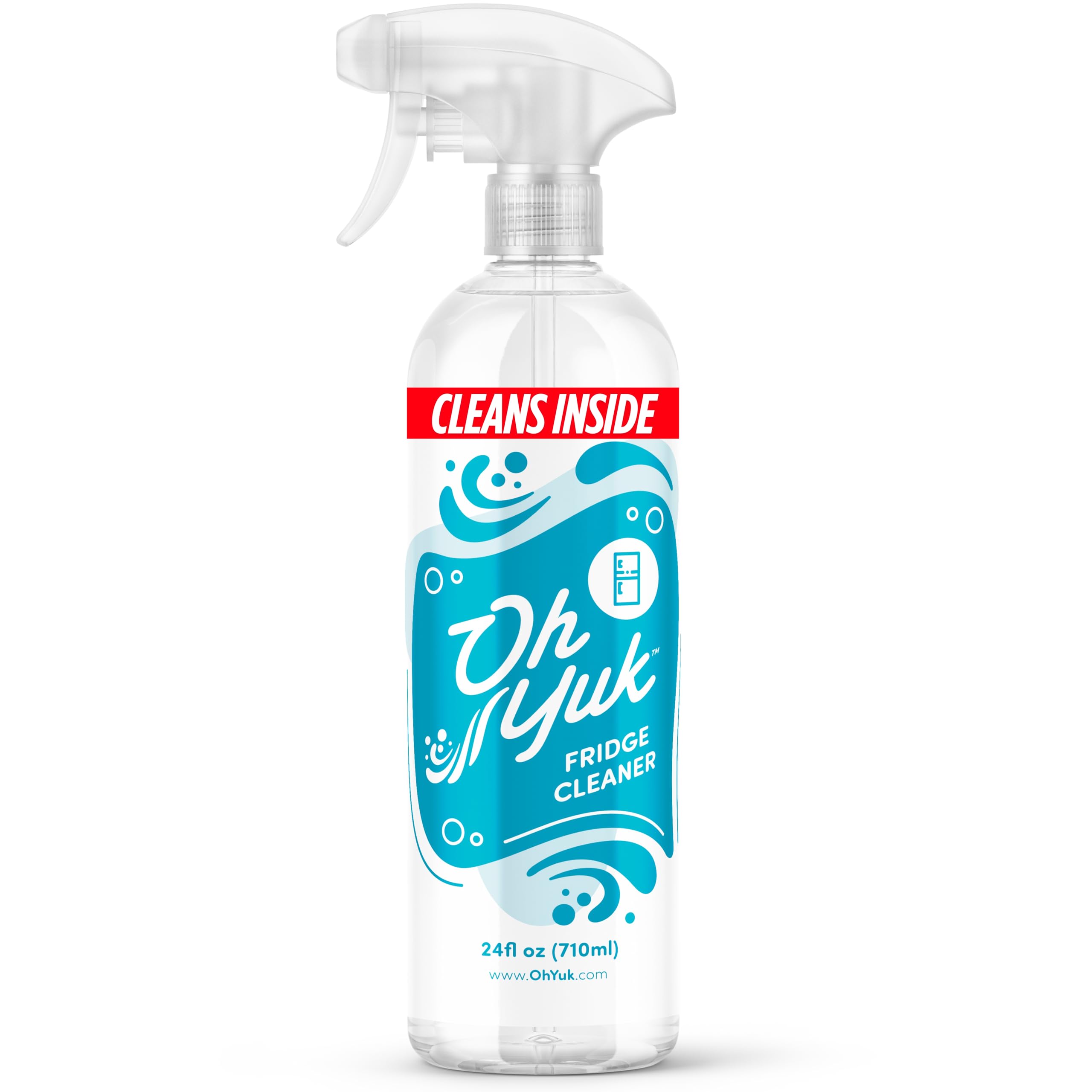

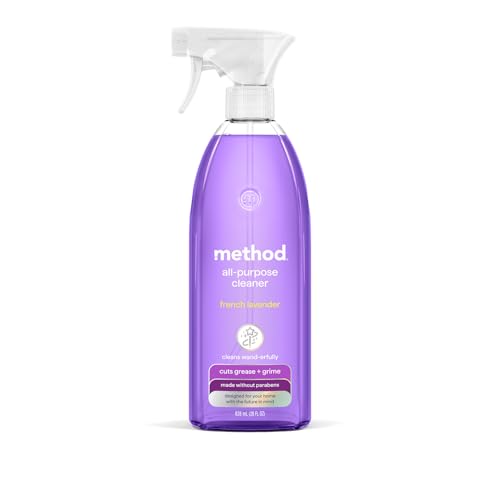

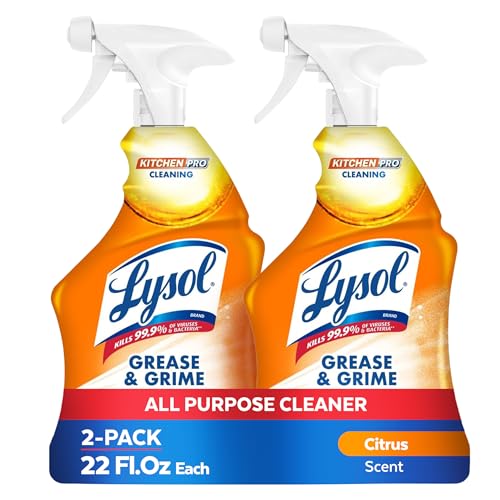
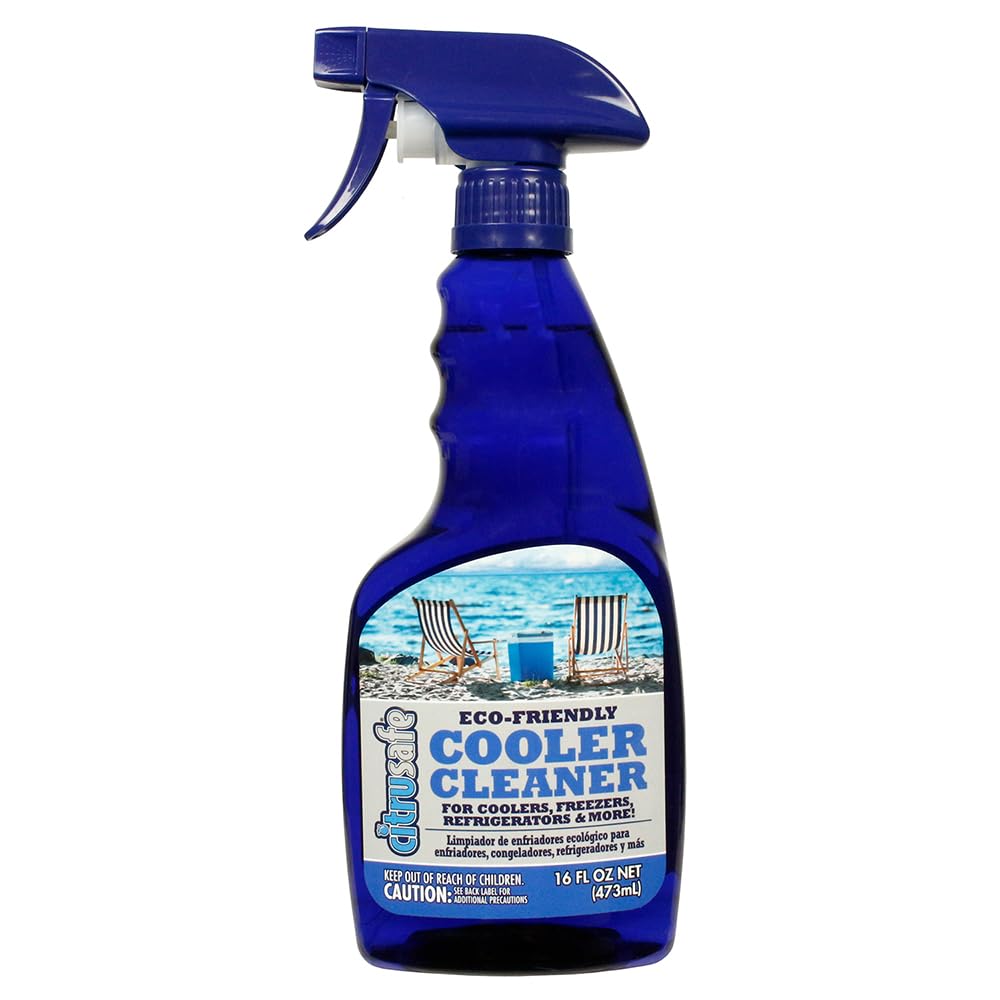


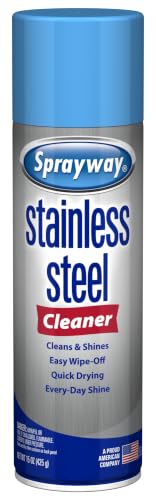
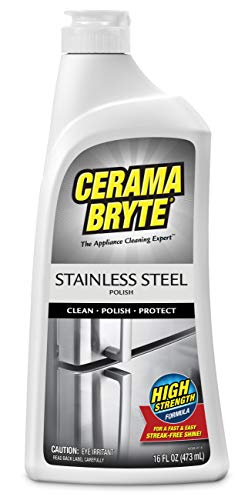

Types of Cleaners Compared
Everyday sprays suit quick weekly wipe downs, because they are ready to use, fast on light spills, and easy to keep beside the fridge for immediate cleanups. Natural and eco friendly options suit households that prefer plant based ingredients and fragrance free formulas, though they may need more dwell time or a second pass on sticky spills. Concentrates and refills suit deep seasonal cleaning and larger households, because one bottle dilutes to many uses and costs less per cleaning session once you count the refills.
| Type | Best For | Pros | Cons | Typical Price |
|---|---|---|---|---|
| Everyday Cleaners | Weekly wipe downs | Fast, ready to use, simple | Higher cost per use, limited stain power | About $4 to $10 |
| Natural/Eco Friendly Options | Fragrance free, food area care | Gentle ingredients, low scent | Slower on set in spills | About $5 to $14 |
| Concentrates and Refills | Deep cleaning, large households | Low cost per use, less packaging | Needs measuring and dilution | About $8 to $20 |
Natural/Eco Friendly Options
Natural and eco friendly fridge cleaners rely on plant based surfactants, baking soda, or vinegar free blends to lift light soil without strong scent or harsh residue. They suit daily and weekly cleaning of interior surfaces, and they suit households with scent sensitivity or young children who may touch fridge handles and shelves. Their limits show on dried milk, sticky syrup, and long ignored spills, where a longer dwell time, warm water, and gentle scrubbing help more than extra product. Choose one with a clear food contact rinse direction, and rinse any surface that touches food directly.
Concentrates and Refills
Concentrates mix with water to make a working solution, and refills top up a spray bottle you already own, so both cut packaging waste and cost per use over time. They suit a planned deep clean, when you empty shelves, remove drawers, and wash every surface in one session, because you can mix exactly the amount you need. They need care with measuring, since too strong a mix can leave residue and too weak a mix may not lift grime, so follow the label ratio and label your spray bottle clearly. Keep concentrates sealed, upright, and out of reach of children.
Everyday Cleaners
Everyday fridge cleaners are ready to use sprays or wipes made for fast spill response, and they suit busy households that clean little and often rather than in one big session. They work well on fresh spills, fingerprints on handles, and light shelf marks, and wipes suit a single shelf or drawer without fetching a bucket. Their cost per use runs higher than concentrates, and wipes create more waste, so they suit maintenance cleaning rather than a full deep clean. Keep a spray for the interior and a separate approach for the exterior, since stainless steel needs its own care.
Natural/Eco Friendly Options vs Concentrates and Refills: Which Should You Choose?
Choose natural options when scent, residue, and gentle ingredients matter most, and choose concentrates when cost per use, deep cleaning power, and lower packaging matter most. Natural formulas win for frequent light cleaning inside food storage areas, because they rinse clean and leave little scent to transfer to food. Concentrates win for seasonal deep cleans and large fridges, because one bottle covers many sessions and can be mixed stronger for drawers and shelves that need extra work. Many households use both, keeping a natural spray for weekly wipes and a concentrate for the quarterly deep clean, which balances gentleness with value.
How to Choose the Right Cleaner
Features That Matter for Refrigerators
Fridge cleaning needs a formula that lifts food soil, rinses fully from food contact surfaces, and leaves no scent that transfers to stored food. Look for clear rinse directions, a short ingredient list you can understand, and guidance for interior plastic, glass, and rubber gaskets. If you are still choosing the appliance itself, see our guide to the best recommended refrigerators. Skip heavy fragrance and strong disinfectant claims for routine interior cleaning, since a clean rinse matters more than a strong scent.
Scent and Fragrance Free Options
Fragrance free options suit fridges because scent clings to open food, butter, and produce, and a strongly scented cleaner can change how food tastes for days. Scent sensitivity also matters for households where a family member reacts to fragrances, and fragrance free formulas remove that worry entirely. If you enjoy a light scent, use it only on exterior handles and doors, never inside food storage areas, and air the fridge briefly before restocking. For most homes, fragrance free inside and lightly scented outside is the practical split.
Effectiveness on the Specific Mess
Match the cleaner to the mess, because a light spray may handle a fresh juice spill yet struggle with dried sauce, sticky syrup, or a spill that sat for a week. Warm water softens dried food before cleaning, a short dwell time lets the formula loosen grime, and a soft cloth or sponge lifts it without scratching shelves. For set in marks, repeat a gentle pass rather than switching to a harsh chemical, and soak removable shelves and drawers in warm soapy water when the manual allows it. Stain match beats all purpose strength for fridge work.
Surface Compatibility
Interior plastic and glass shelves tolerate most gentle cleaners, while rubber gaskets need a mild formula and a full rinse, since harsh chemicals can dry and crack the seal over time. Stainless exteriors need a cleaner made for stainless steel, applied with the grain and buffed dry to avoid streaks, and for that task see our guide to the best stainless steel cleaner for refrigerators. Never use abrasive pads on glass shelves or stainless doors, and test any new formula on a small hidden area first. Wipe gaskets dry after cleaning, since trapped moisture encourages mildew in the folds.
Ingredients and Safety
Read the ingredient list and the label warnings before using any fridge cleaner, and favor formulas with clear food contact guidance and no bleach for routine interior use. Bleach has a place for disinfection in some situations, but it needs careful dilution, a full rinse, and ventilation, and it should never be mixed with ammonia or acids. Keep every cleaner away from children and pets, store bottles upright and sealed, and rinse any surface that will touch food directly. When a label says to rinse, rinse twice, since residue inside a fridge transfers to food more easily than residue elsewhere.
Setup and Care Tips
Plan a fridge clean by removing food to a cool bag, taking out shelves and drawers that lift out, and working top to bottom so drips fall onto surfaces you have not yet cleaned. Always read the label and test on a small area first, never mix bleach with ammonia or acids, and ventilate the room while cleaning, even though the fridge itself is small. Wipe with a damp cloth after cleaning to remove residue, dry gaskets and shelves before replacing them, and return food only once surfaces are dry and scent free. A quick weekly wipe plus a deeper clean every few months keeps the job small and the fridge fresh.
Cleaners: Your Questions Answered
What features matter most in cleaners for refrigerators?
The features that matter most are food contact safety, clean rinsing, and surface compatibility, because those three decide whether a fridge ends up clean without residue or damage. A formula with clear rinse directions, gentle ingredients, and guidance for plastic, glass, and gaskets covers nearly every home fridge. Scent, color, and disinfectant strength matter less for routine cleaning, and a strong chemical can harm gaskets or transfer taste to food. Start with the fridge manual, then choose the simplest formula that rinses clean on your surfaces.
How often should I use it?
Most fridges benefit from a quick wipe once a week, focused on handles, spills, and shelf fronts, plus a deeper clean every two to three months when shelves and drawers come out. Spills should be wiped as soon as you notice them, since dried food bonds to shelves and attracts odors over time. Households that store lots of fresh produce or open containers may need a wipe every few days, while a lightly used second fridge may need only a monthly check. Match frequency to visible spills and smells rather than a rigid calendar, and always dry surfaces before restocking.
Are natural cleaners as effective?
Natural cleaners match standard cleaners well for fresh spills, light soil, and weekly maintenance, especially when paired with warm water and a short dwell time. They often need a second pass or a longer soak for dried sauce, sticky syrup, and long ignored spills, where a stronger formula may work faster. For routine fridge care, a plant based or fragrance free cleaner is a sound choice that leaves little scent or residue. Judge by the result on your own shelves, and keep a stronger option for the occasional deep clean rather than using it every week.
Is it safe to use around kids and pets?
Most fridge cleaners are safe around children and pets once surfaces are rinsed and dry, but the cleaning stage itself needs care. Keep children and pets out of the kitchen while you spray and wipe, store bottles sealed and out of reach, and choose a fragrance free formula for interior surfaces. Rinse food contact areas twice and dry them fully before returning food, since residue transfers easily inside a fridge. If a child or pet contacts a wet cleaner, rinse the area with water and follow the label first aid directions.
What should never be mixed together?
You should never mix bleach with ammonia or acids, including vinegar and many limescale products, because the mixture can release fumes that irritate the lungs and eyes. You should also avoid mixing two different cleaners together, since the combination can weaken cleaning power, damage gaskets or shelves, or create unexpected reactions. Use one product at a time, rinse fully between products if you switch, and read both labels before combining anything. When in doubt, use plain warm water for the rinse step and start fresh with a single cleaner.
Our Verdict
Choose by food contact safety, clean rinsing, and surface fit first, then let your routine decide the type. Everyday sprays suit quick weekly wipes, natural options suit scent free food areas, and concentrates suit deep cleans and larger households at a lower cost per use. The best cleaner for refrigerators for your home is the one you will use often, rinse fully, and store safely, so check the product table above once more before you decide.


