
Best Climates for Heat Pumps: A First Time Buyer's Guide for 2026
Disclosure: We may earn a commission when you buy through links on this page, at no extra cost to you. As an Amazon Associate I earn from qualifying purchases. Learn more
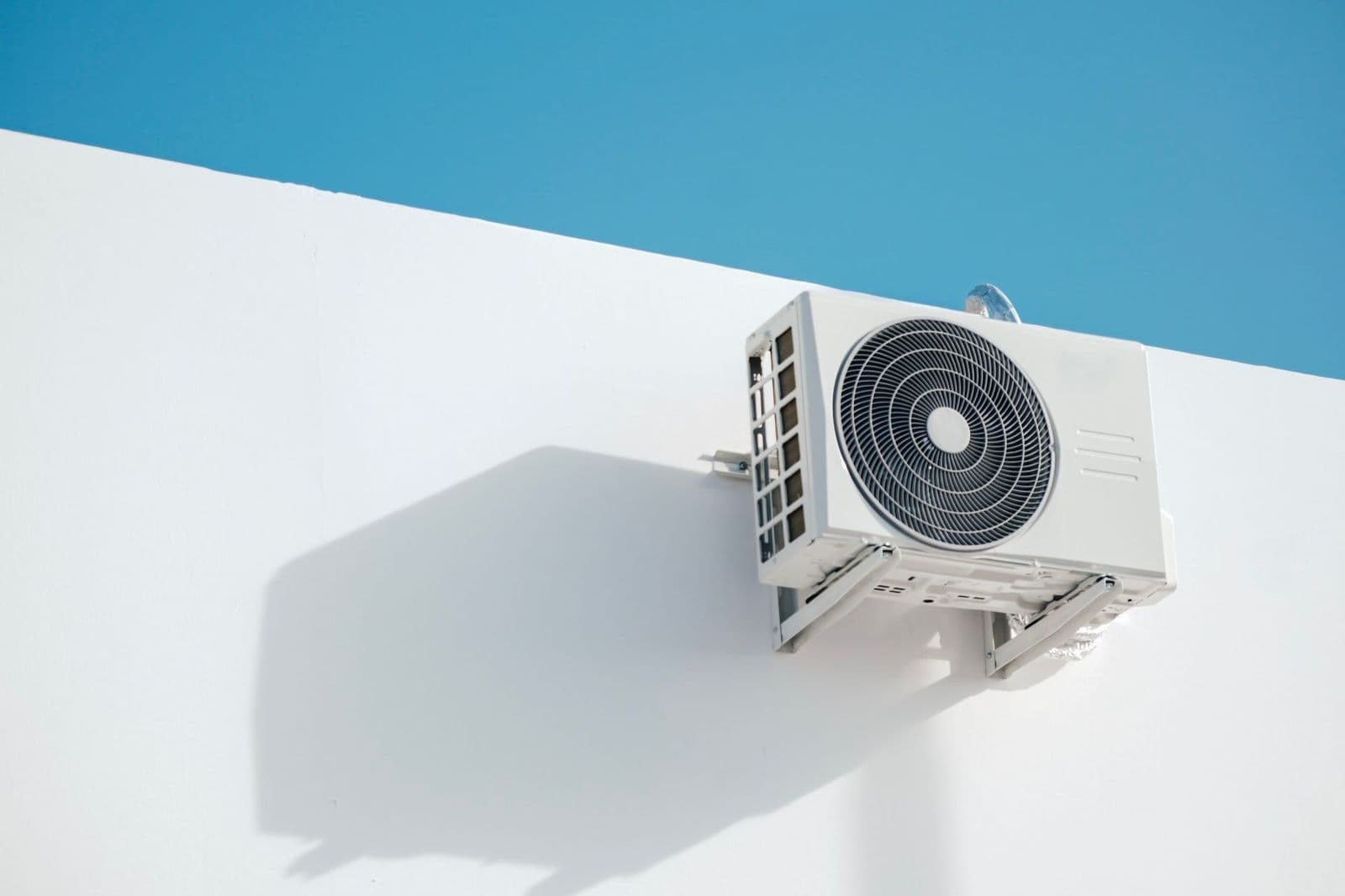
The best climates for heat pumps explained: how winter lows, low temperature ratings, backup heat and installation decide whether a heat pump suits your home.
If you are new to heat pumps, the first question is not which brand to buy, but whether your climate suits one and which type your winters demand. The good news is that modern heat pumps work in far more places than the mild regions where they first became popular. This guide explains the best climates for heat pumps in plain language, translates the key ratings, and flags the mistakes first time buyers make most. Read on to match a system to your weather, your home, and your budget.
Best Climates for Heat Pumps 101: The Basics
A heat pump moves heat instead of making it. In summer it pulls heat out of your home like an air conditioner, and in winter it reverses, gathering heat from the outdoor air and moving it inside. Because it moves heat rather than burning fuel or heating a wire, it can deliver two to four units of heat for every unit of electricity it uses in mild weather. That efficiency is exactly why climate matters: the colder the outdoor air, the harder the system works to gather heat from it.
Climate suitability comes down to your winter lows, how many days stay near those lows, and your summer humidity. Mild and mixed climates with winter lows mostly above freezing are the easiest fit, where a standard air source system shines. Colder regions need cold climate models rated to keep working well below zero, often paired with backup heat for the harshest nights. Hot humid regions also suit heat pumps well, since the same system cools and dehumidifies all summer. Your electricity and gas prices matter too, because they decide which system costs less to run month by month.
Key Specs Explained in Plain English
Features That Matter for Heat Pumps
Three ratings tell most of the story. COP, or coefficient of performance, shows efficiency at a given outdoor temperature, and higher is better. HSPF2 rates heating efficiency across a whole season, while SEER2 does the same for cooling. For cold regions, look for strong capacity retention, meaning the system still delivers most of its rated heat at 5 degrees Fahrenheit, plus a low temperature cutoff that goes below zero. Shoppers comparing models built for harsh winters will find more detail in our guide to the best heat pumps for cold climates.
Your Climate Zone and Winter Lows
Start with facts about your own weather: the average January low, the coldest nights in a typical year, and how many weeks stay below freezing. A place with lows around 30 degrees Fahrenheit needs a very different system from one that sees minus 15. Installers use these figures, along with your home size and insulation, to size equipment. If your region swings widely, a system with a wide operating range and smart controls will ride out both shoulder seasons and cold snaps without leaning on backup heat.
Performance Ratings in Real Terms
Ratings only help when you read them at the right temperature. A heat pump rated at 47 degrees Fahrenheit will show a flattering COP that says little about a January night. Ask for the capacity and COP figures at 17 degrees and at 5 degrees if you live anywhere with real winters. ENERGY STAR certified cold climate models must meet rated output at low temperatures, which gives first time buyers a trustworthy shortcut. Compare like with like: the same rating temperatures, the same rating standard, and the full system cost including installation.
Installation and Placement
The outdoor unit needs level ground, clearance for airflow, and a spot where melting frost can drain away from paths that freeze. In snowy regions it should sit on a raised stand so drifts and ice do not block the coil. Indoors, the air handler or ductless heads need sensible placement away from bedrooms if fan noise bothers you, though modern units are quiet. A good installer checks your ducts for leaks and sizing, because even the best unit underperforms when it pushes air through leaky, narrow ductwork.
Backup Heat and Running Costs
Most cold climate setups include backup heat for the coldest hours: electric heat strips inside the air handler, or a gas furnace in a dual fuel system that takes over below a set temperature. Backup heat costs more per hour, so the goal is a system sized and rated to need it rarely. Ask any installer how many hours a year the backup should run in your climate, and what that adds to a winter bill. Climate matched systems in our guide to the best heat pumps for cold weather climates show how rarely well chosen equipment needs that help.
Safety Features and Certifications
Look for UL or ETL listing, proper refrigerant leak safeguards, and a dedicated electrical circuit with the right breaker, all confirmed by a licensed installer. Heat pumps produce no carbon monoxide themselves, which removes one furnace risk, but any gas backup furnace still needs a working carbon monoxide alarm in the home and annual checks. Keep the outdoor coil clear of ice damage and never run the system with a blocked filter, since low airflow strains the compressor and can trip safety shutoffs.
Rookie Mistakes to Avoid
- Judging by summer ratings alone. A unit that cools beautifully may lose half its heating capacity on the coldest nights if it is not a cold climate model.
- Skipping the load calculation. Oversized systems cycle on and off, wear faster, and leave rooms clammy in summer, while undersized ones lean on pricey backup heat.
- Ignoring local electricity prices. The same system can be a bargain in one state and a poor deal in the next, depending on your rates and any gas alternative.
- Forgetting the thermostat. The controls decide when backup heat kicks in, and a poor match wastes money every cold night.
- Choosing on brand fame alone. Build quality, warranty support, and a skilled local installer matter more than a logo.
On controls, it is worth reading our guide to the best thermostat heat pump pairings before installation day, since the right thermostat protects your savings. And for a view of build quality across brands, our roundup of the best quality heat pumps explains what separates durable systems from short lived ones.
Getting Started: Setup and First Use
Once your system is installed, walk through it with the installer before they leave. Learn where the filter lives, how to switch modes, and what the thermostat settings for backup heat mean. Set a steady temperature rather than large setbacks, because heat pumps recover slowly and deep setbacks often trigger the costly backup heat you want to avoid. Clean or replace the indoor filter on schedule, usually every one to three months, and keep shrubs and snow at least two feet from the outdoor unit. In the first cold snap, note when backup heat engages; if it runs on merely chilly days, call the installer while the visit is still part of commissioning.
Small homes, additions, and single rooms follow the same climate logic at a smaller scale, and our guide to the best window heat pumps covers those compact options if a full system is more than you need.
FAQs
What features matter most for heat pumps in my climate?
Low temperature capacity matters most in cold regions, while dehumidification and cooling efficiency lead in hot humid ones. Check the output at your typical winter low, not the headline rating, and confirm the system operating range covers your coldest nights. A variable speed compressor helps everywhere, since it runs steadily at low power instead of blasting on and off.
Where is the best place to install a heat pump?
The best place for the outdoor unit is a level, open spot with clear airflow on all sides, raised above expected snow, and close enough to the indoor unit to keep refrigerant lines short. Keep it away from bedroom windows and from roof edges where snow slides off. Indoors, place ductless heads high on a wall where their airflow can spread across the room without blowing straight onto beds or desks.
Do heat pumps really work in cold climates?
Yes, cold climate heat pumps really work well below zero, because they are built and rated to keep delivering heat at 5 degrees Fahrenheit and lower. They do lose some efficiency as temperatures fall, which is why sizing and backup heat planning matter. Millions of homes in Scandinavia and the northern United States heat this way through long winters, which is the strongest proof the technology has matured.
Is a heat pump expensive to run all day?
A heat pump is usually cheapest when it runs steadily for long stretches at low power, which is how variable speed models are designed to work. Letting the house go cold and reheating later costs more, because recovery often triggers backup heat. Your real cost depends on local electricity rates and how cold it is outside, so steady settings and good insulation beat any on and off schedule.
How often should I replace a heat pump filter?
Check the indoor filter every month and clean or replace it every one to three months, sooner if you have pets or dusty conditions. A clogged filter cuts airflow, raises bills, and strains the compressor in both heating and cooling. Mark the date on the filter frame when you fit a new one, and keep a spare on hand so a dirty filter never tempts you to run the system without one.
What size heat pump do I need for my home?
The right size comes from a load calculation that weighs your floor area, insulation, windows, and local winter lows, not from floor area alone. A typical well insulated home needs far less capacity than an older leaky one of the same size. Insist that your installer shows you the calculation, because both oversizing and undersizing cost you money for the life of the system.
Wrapping Up
Match the system to your winter lows, read ratings at the temperatures you actually get, and insist on a proper load calculation. Do those three things and you will land in one of the best climates for heat pumps outcomes: lower bills, steady comfort, and backup heat that rarely runs. Keep your local weather in mind, and get quotes from two installers before you commit.


