
Best Cleaning Tablets for Washing Machine 2026: A Practical Buying Guide
Disclosure: We may earn a commission when you buy through links on this page, at no extra cost to you. As an Amazon Associate I earn from qualifying purchases. Learn more

Musty drum or gray residue? See how the best cleaning tablets for washing machine care dissolve buildup, which cycle to run and how often to use them.
A washing machine that smells musty, leaves gray flecks on dark clothes, or drains slowly is usually suffering from detergent scum, fabric softener film, and mineral scale that build up where you cannot see them. The best cleaning tablets for washing machine care dissolve that buildup in one empty hot cycle, so you do not have to scrub the drum or guess at bleach measurements. This guide explains what the tablets actually remove, which type suits your machine, how to run the cycle, and how often to repeat it. The comparison table below lines up the main options so you can shortlist before you read on.
Tablets are convenient because they are pre measured and dissolve slowly through the cycle. The useful differences between them come down to formula, pack size, and whether they are built for a specific problem such as pet hair or hard water.
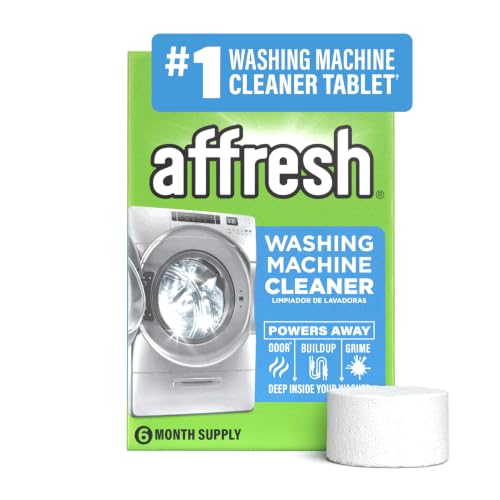
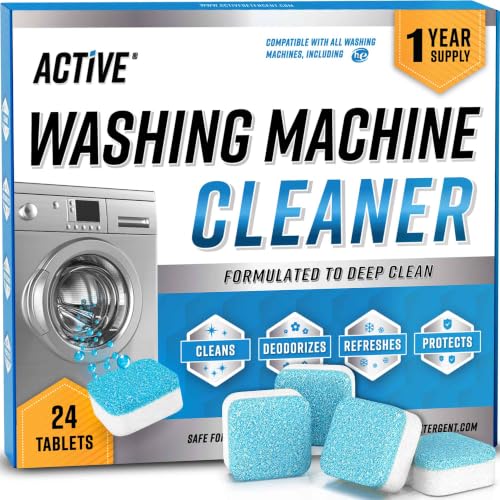

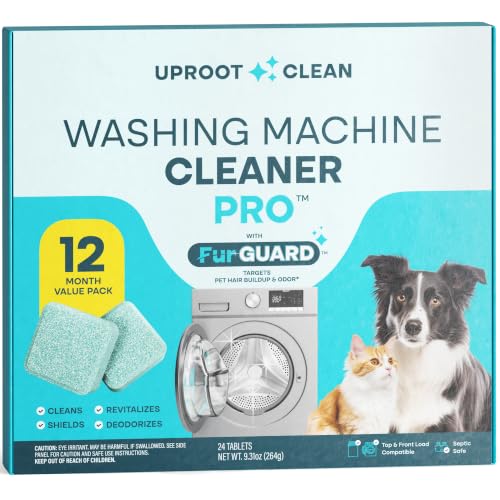


What Washing Machine Cleaning Tablets Actually Do
Every wash leaves a thin layer of detergent residue, body oils, and lint on the inner and outer surfaces of the drum, inside the pump housing, and along the drain hose. In a front loader that film stays damp between loads and becomes a breeding ground for the bacteria and mold that cause the sour smell. Hard water adds mineral scale on the heating element and drum, which makes the machine work harder and holds onto more grime.
A cleaning tablet is mostly oxygen bleach, usually sodium percarbonate, plus surfactants that lift greasy film and sometimes citric acid or other descaling agents for mineral scale. Dropped into an empty drum and run on a hot cycle, it foams gently, dissolves the residue, and rinses it out through the drain. It is not laundry detergent and does nothing for clothes, so never run it with a load.
Who Needs the Best Cleaning Tablets for Washing Machine Maintenance
Front Loader Owners
Front loaders are the main reason this product category exists. Their low water use leaves more residue behind, and the rubber door gasket traps water that never fully dries. If your machine is a front loader, plan on a tablet every month and a quick wipe of the gasket fold after each wash day. Tablets reach the drum and pump; the gasket still needs a cloth.
Top Loader and HE Owners
High efficiency top loaders without an agitator share the low water problem and benefit from the same monthly routine. Older top loaders with a deep fill and an agitator rinse themselves better, so every two to three months is usually enough unless your water is very hard or you wash heavily soiled loads often. Check the label says the tablet suits both front and top load machines, which most do.
Households With Pets, Hard Water, or Odor Problems
Pet owners deal with hair and dander that cling to the drum and clog the pump filter, and some tablets add enzymes aimed at that organic buildup. Hard water homes should favor a formula that lists descaling as a benefit, since scale is their main enemy. If the smell is already strong, run two cycles a week apart, then settle into the monthly routine rather than doubling the dose in one go.
Key Features to Compare
Formula: Oxygen Bleach, Citric Acid, and Enzymes
Oxygen bleach handles the greasy film and most odor causing residue, and it is the base of nearly every tablet. Citric acid or similar descalers matter in hard water areas because they dissolve the chalky scale that plain oxygen bleach leaves behind. Enzyme blends target organic material such as pet hair, skin oils, and food stains that migrate from clothing to the drum. A general household does fine with a plain oxygen bleach tablet; pick the enzyme or descaling versions only when you have that specific problem.
Pack Size and Cost Per Clean
Packs run from about 5 or 6 tablets to 24 or more. A 6 pack covers half a year on a monthly schedule, while a 24 pack covers two years for a single machine or one year if you also clean a second washer at a vacation home or a rental. Divide the pack price by the tablet count, because the cheapest looking box is often the most expensive per clean. Tablets keep well if the pack stays sealed and dry, so a larger pack rarely goes to waste.
Septic and HE Compatibility
Nearly all tablets are labeled HE safe, but check for a septic safe note if your home uses a tank. Oxygen bleach breaks down into water, oxygen, and soda ash, which is generally gentle on septic bacteria, while chlorine based products are not. The label should also confirm the tablet is safe for stainless and porcelain drums and for rubber seals.
Fragrance and Residue
Scented tablets leave a fresh smell for a day or two, which some households like and others find masks the real problem. Unscented tablets let you judge whether the odor is truly gone. Whatever you choose, run a short rinse cycle after the cleaning cycle if your machine does not include one, so no cleaner is left for the next load of laundry. For a broader look at tablet options beyond washers, see our guide to the best cleaning tablets.
How to Run a Cleaning Cycle Properly
Empty the drum completely, including the odd sock stuck in the gasket fold. Drop one tablet directly into the drum, not the detergent drawer, unless the label says otherwise. Select the hottest cycle your machine offers, or the dedicated tub clean or self clean program if it has one, and let it run to the end. While it runs, pull out the detergent drawer and wash it in the sink, because softener gel builds up there too.
When the cycle finishes, wipe the gasket fold and the glass door with a dry cloth, and leave the door ajar for an hour. Open the drain pump filter at the bottom front of a front loader, drain the trap into a shallow pan, and clear out coins, hair, and lint. A clean filter is what stops the slow drain and sour smell from coming straight back.
How Often to Use Cleaning Tablets
Once a month suits most front loaders and HE top loaders, or roughly every 30 loads if you wash less often. Machines in hard water areas, homes with pets, and households washing athletic wear or cloth diapers may need a cycle every two to three weeks. If your washer has a maintenance indicator, follow it, because it counts actual cycles rather than calendar days. Write the date on the tablet box after each use so nobody has to guess.
Between cleaning cycles, two habits do most of the work: leave the door open between washes so the drum dries, and use less detergent than the bottle suggests, since excess detergent is the main source of the film the tablet has to remove. Our related guides to the best washing machine tablets and the best washing machine cleaner tablets cover nearby options if you want to compare formulas further.
Common Mistakes to Avoid
- Running the tablet with laundry in the drum, which wastes the cleaner and can leave oxygen bleach residue on fabric.
- Using two or three tablets at once in the hope of a faster result, which creates excess foam and leaves more residue to rinse.
- Substituting dishwasher or toilet tablets, whose formulas are too harsh for rubber seals and are not made for a washer drain path.
- Skipping the pump filter and gasket, so the smell returns within a week even though the drum is clean.
- Choosing a cold or quick cycle, which does not dissolve the tablet fully or lift greasy film.
Frequently Asked Questions
Can cleaning tablets damage a washing machine?
Tablets made for washers are safe for stainless drums, porcelain, and rubber seals when used as directed, one tablet per empty cycle. Problems come from misuse: overdosing, running the cleaner with clothes, or using a product meant for another appliance. If your manual lists an approved cleaner type, follow it, and keep any receipt in case a warranty question comes up.
Do I still need to clean the gasket and filter if I use tablets?
Yes. The tablet cleans surfaces the water reaches during the cycle, but the folded door gasket holds standing water above the water line, and the pump filter traps solids the cleaner cannot dissolve. Wipe the gasket after wash day and clear the filter every month or two. Those two minutes are what keep the smell from coming back.
Are washing machine cleaning tablets safe for septic systems?
Most oxygen bleach tablets are, because they break down into water, oxygen, and soda ash rather than lingering chlorine. Look for a septic safe statement on the pack if your home uses a tank, and avoid chlorine based cleaners in that situation. Using the recommended dose once a month puts very little load on the system.
What if the smell comes back a few days after a cleaning cycle?
A smell that returns quickly usually means the source is outside the drum: a clogged pump filter, a gasket fold full of black mold, or a drain hose with standing water. Clean the filter, scrub the gasket with a cloth and a little of the tablet solution dissolved in warm water, and leave the door open between loads. If the odor persists, have the drain hose and standpipe checked for a trap problem.
Can I use the same tablet in a dishwasher?
No. Dishwasher cleaner tablets are formulated for different water volumes, temperatures, and soils, and the two products should not be swapped in either direction. Some brands sell a combined pack with separate tablets for each appliance, which is a convenient way to keep both on a monthly schedule without mixing them up.
Final Thoughts
Pick a plain oxygen bleach tablet for a typical household, a descaling formula for hard water, and an enzyme blend for homes with pets, then run one tablet on the hottest empty cycle every month alongside a filter check and a gasket wipe. The product table above compares the main packs by count and formula. Choose the best cleaning tablets for washing machine care that match your water and your machine, and the musty smell and gray flecks should stay gone.


