
Best Cold Weather Fishing Boots: A Buyer Checklist for 2026
Disclosure: We may earn a commission when you buy through links on this page, at no extra cost to you. As an Amazon Associate I earn from qualifying purchases. Learn more

Use this buyer checklist for the best cold weather fishing boots: insulation, waterproofing, traction, fit, and care, so you choose with confidence.
Cold weather fishing is hard on your feet. You stand on frozen banks, sit still for long stretches in an open boat, and cross wet docks where one slip can end the day early. The best cold weather fishing boots keep warmth in, water out, and your footing secure, all without feeling like anchors strapped to your legs.
Rather than judging boots by brand names or bold temperature claims, this guide uses a simple checklist of criteria that decide whether a pair works on the water. Work through each point, compare it with the product table, and you will know what to look for.
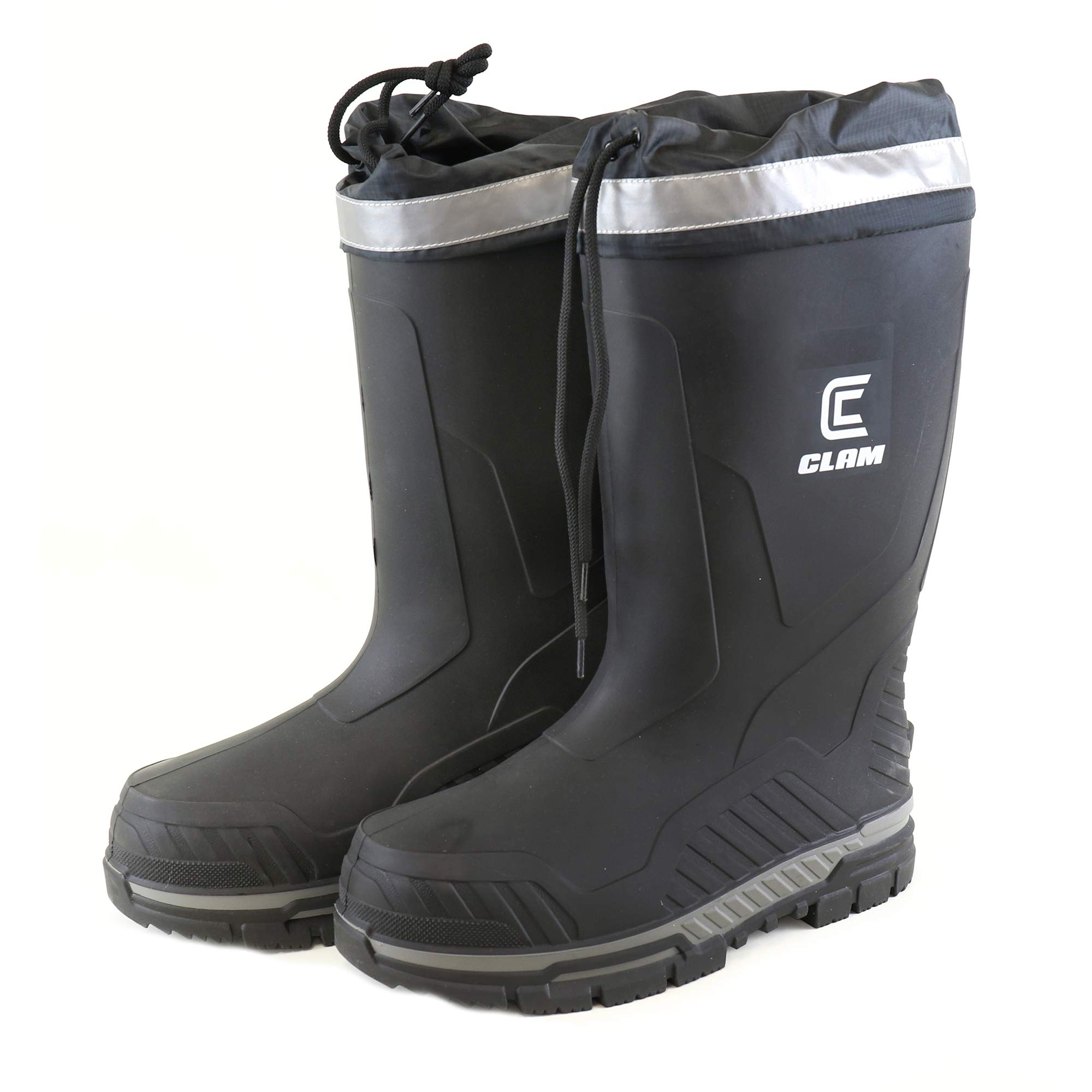


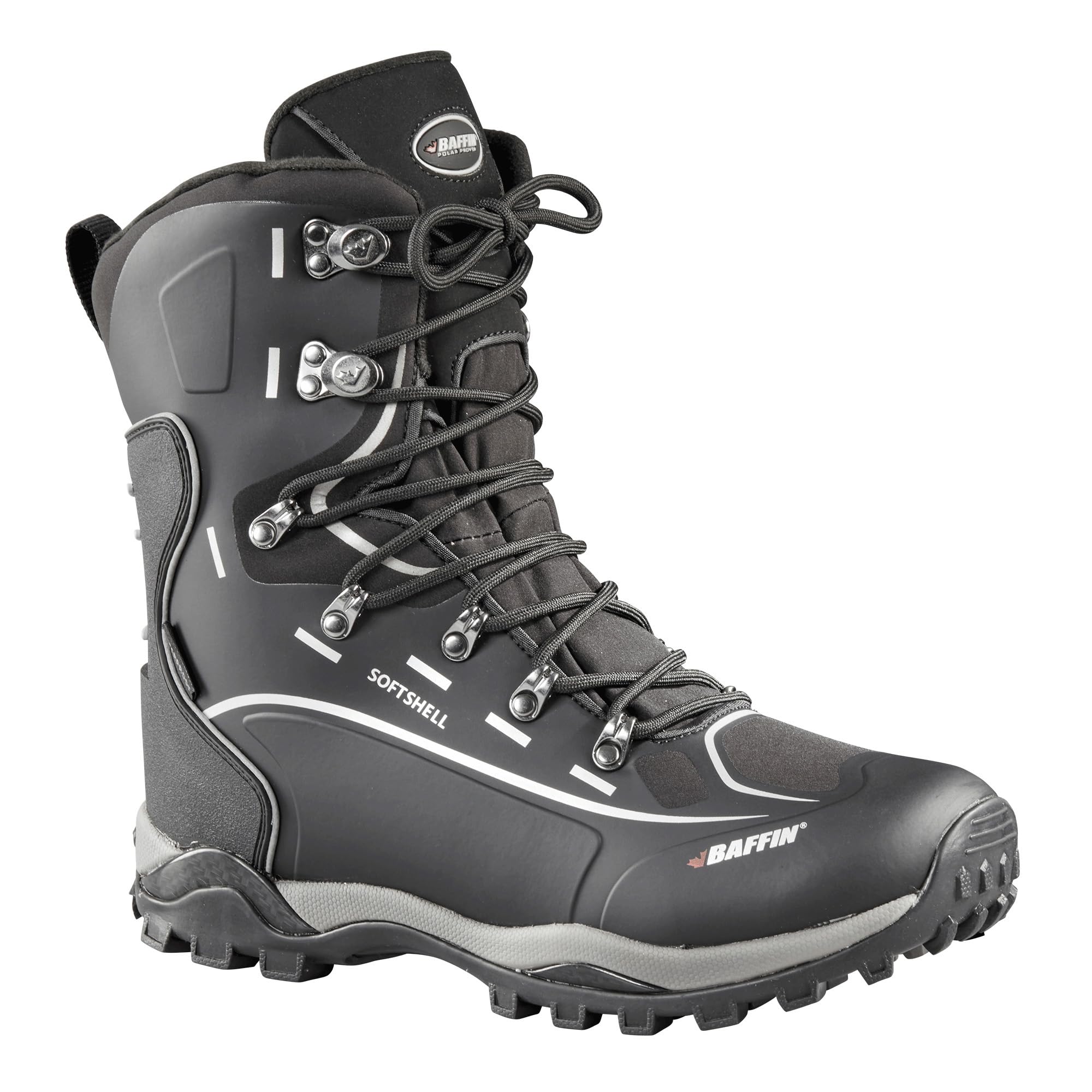
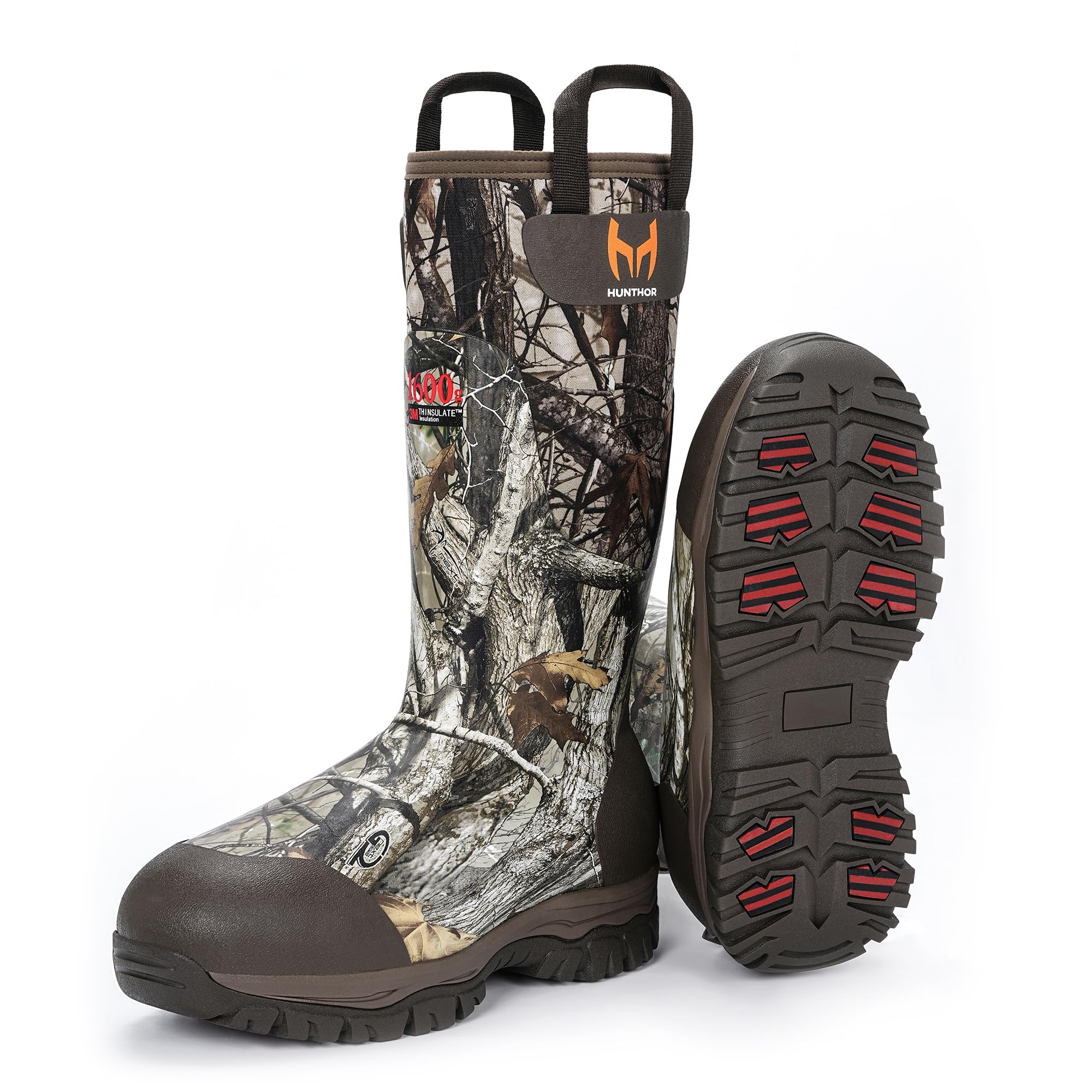
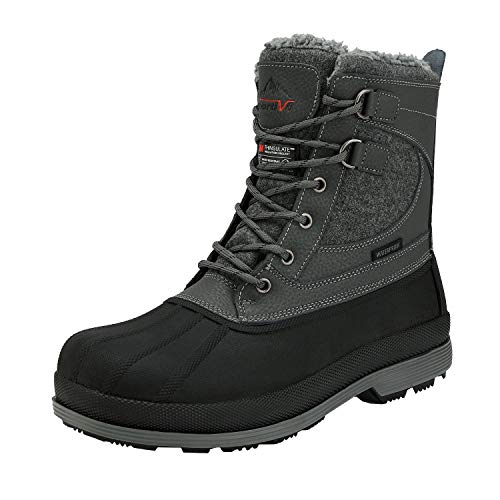


How to Judge Cold Weather Fishing Boots: The Buyer Checklist
Every criterion below follows the same pattern. It explains what the feature is, what separates a strong boot from a weak one, and which anglers should weight it most heavily.
Insulation and Warmth
Insulation is usually listed in grams, and the right amount depends on how much you move. Around 200 grams suits active anglers who walk banks and cast all day, while 400 to 600 grams or more suits sitting still in a boat or on the ice, where your body makes little heat of its own. Treat printed temperature ratings as rough guides only, because wind and activity change the result for every person.
Warmth also has a safety side. Numbness that does not fade, skin that turns pale or waxy, or toes that stop hurting after aching are warning signs of frostbite, and they mean you should stop fishing, warm up gradually, and get medical care. If you have poor circulation or a condition such as diabetes, talk with your clinician about cold exposure and footwear before a long winter trip.
Fit, Sizing, and Toe Box
Measure your feet late in the day and try boots on with the thick socks you actually fish in. You want roughly a thumbs width of space in front of your longest toe, a toe box roomy enough to wiggle your toes, and a heel that stays put when you walk. Wiggle room matters more in the cold than in summer shoes, because cramped toes restrict blood flow and feel colder. If you shop from the mens range and want to see how lasts and sizing differ across styles, read our guide to the best cold weather men's boots before you order.
Arch Support and Cushioning
Hours of standing on a deck or a frozen shore punish unsupported feet. Anglers with flat feet generally do better with firmer arch support, while anglers with high arches usually prefer softer cushioning that spreads pressure across the sole. Most fishing boots have a modest heel to toe drop and a fairly neutral platform, closer to neutral shoes than to corrective footwear, so the insole does most of the work. Removable insoles are a real plus, since you can swap in a supportive aftermarket pair.
Waterproofing and Membranes
A fishing boot needs true waterproofing, not a light water resistant coating that gives up in the first puddle. Look for a waterproof membrane or a rubber lower section with sealed seams, and check how high the waterproof zone reaches, since launch and bank water climb high. The trade off is breathability. Membranes let some sweat vapor escape, but a fully rubber boot lets out almost none, so your socks can end the day damp from the inside.
Traction and the Outsole
The outsole decides whether you stay upright on wet docks, muddy banks, and slick rock. Deep, widely spaced lugs shed mud and grip soft ground, while softer rubber compounds stay flexible and grippy in freezing weather when hard rubber turns slick. A flatter, siped sole pattern suits boat decks, where tall lugs can feel unstable. Stability matters as much as grip, so favor a sole that resists twisting and a heel with a defined edge for steep banks.
Break In Period and Comfort Out of the Box
Stiff leather and rubber boots rarely feel perfect on the first wear. A short break in period at home and on short trips lets the shaft and ankle area soften before a full day on the water. Pressure points that feel mild at home can become trip ending blisters after six hours of standing and walking. Boots built mostly from flexible rubber and synthetic materials usually need almost no break in.
Upper Materials and Breathability
Most cold weather fishing boots combine a rubber lower section with an upper of leather or synthetic fabric. Full grain leather is tough and molds to your leg, but it needs conditioning and dries slowly once soaked. Synthetic uppers dry faster, weigh less, and ask for almost no upkeep, though they can scuff and wear sooner at flex points. Breathable panels help on the walk to the water, but for fishing, durability and weather sealing matter more than maximum airflow.
Durability and Expected Lifespan
Judge durability at the stress points: the join between sole and upper, the stitching around the shaft, and the flex area across the toes. A bonded or vulcanized rubber lower resists the cracking that starts where a boot bends thousands of times per season. Quality boots fished regularly should serve for several seasons. If you stand on hard surfaces all day, our guide to the best cold weather work boots covers the same sole bonding and seam checks.
Weight and Flexibility
Insulation, rubber, and tall shafts add weight, and heavy boots tire your legs on long walks to the water. A lighter pair will never feel like lightweight shoes, and chasing the lowest weight usually costs warmth or ankle support. A boot that bends naturally at the ball of the foot is easier to walk and kneel in. Mobile anglers should treat every extra pound as a real cost.
Matching Boots to Your Kind of Fishing
The checklist above narrows the field, but the right answers depend on how you fish. For general winter use beyond fishing, our guide to the best cold weather boots covers versatile options. For fishing first, start with the three patterns below.
Sitting Still on Ice and Winter Lakes
Stationary fishing is the coldest kind, because your muscles generate little heat while you wait over a hole or watch a tip up line. Prioritize maximum insulation, a tall shaft, and a wide toe box that leaves room for a heavy sock and a liner. If this is your main winter pattern, our guide to the best cold weather boots for ice fishing goes deeper on shelter use, cleats, and traction on bare ice.
Boats, Docks, and Wet Decks
On a boat, waterproofing and deck grip outrank extreme insulation. Choose a mid height boot with a siped or shallow lug outsole that grips wet fiberglass without marking it, and moderate insulation. Ankle support helps when the boat rocks, and a shaft that seals well at the top keeps out spray.
Walking Banks, Trails, and Rough Ground
Mobile anglers need a boot that walks like a hiking boot: lighter weight, a lugged outsole, firm arch support, and a shaft height matched to the snow and shallow water they cross. This is also where insulated hunting footwear overlaps with fishing, and walkers who cover miles of rough ground may want to compare our guide to the best cold weather hunting boots for stiffer, more supportive builds. Test the walking fit on a slope, because a heel that slips on flat ground will blister fast on a bank.
Quick Buyer Checklist
Run through these questions before you order any of the best cold weather fishing boots on your shortlist, and treat any no as a reason to keep looking or to order a second size for comparison.
- Does the insulation level match how still you sit and how cold your water gets?
- Can you wiggle your toes freely while wearing your thickest fishing socks?
- Does the waterproof zone reach at least as high as the water and slush you step in?
- Does the outsole pattern suit your main surface, whether deck, mud, rock, or ice?
- Does the heel stay in place when you walk and climb a bank?
- Can you swap the insole if you need more arch support or cushioning?
- Is the weight acceptable for the distance you walk on a typical trip?
- Does the seller allow returns after an indoor fit check?
Red Flags to Watch For
Most weak boots reveal themselves in the product listing long before they reach your feet. Walk away when you spot these signs.
- An extreme temperature rating with no insulation weight stated, which usually means marketing rather than measurement.
- The word waterproof with no mention of a membrane or sealed seams, which often hides a light coating that fails fast.
- No sizing guidance about socks or fit, which leaves you guessing on a common reason for returns.
- A sole with almost no tread depth sold for winter use, which will skate on wet docks and packed snow.
- A very short warranty or no return window, which tells you the maker does not expect the seams and sole bond to last.
How to Make Your Cold Weather Fishing Boots Last Longer
After every trip, rinse off mud, grit, and salt, then let the boots air dry at room temperature away from heaters, radiators, and direct sun. Direct heat cracks rubber and leather and weakens sole bonds. Removing the insoles and loosening the shaft speeds drying. If your boots have leather uppers, condition them once they are clean and dry so the leather stays supple through flexing.
Store boots upright in a cool, dry place, stuffed loosely with newspaper or a boot tree so the shafts keep their shape. Check the flex points across the toes and the seam lines each season, and retire a pair once the tread is worn smooth or cracks reach through the rubber. Rotating two pairs on back to back fishing days gives each pair a full day to dry.
Frequently Asked Questions
How long is the break in period for cold weather fishing boots?
Most cold weather fishing boots need two to four short outings before they feel fully comfortable. Wear a new pair around the house, then on a short trip, and let stiff areas soften gradually. Rubber heavy styles settle fastest, while thick leather takes the longest. One extra tip: wear your fishing socks during break in, since thin household socks hide pressure points that only appear with the real setup.
Do cold weather fishing boots need to be fully waterproof?
Yes, cold weather fishing boots should be fully waterproof rather than merely water resistant. Launches, slush, spray, and shallow bank water soak through light coatings quickly, and wet feet in winter go from uncomfortable to unsafe. Look for sealed seams and a waterproof zone that reaches above the deepest water you step in. Also check the top of the shaft, because a loose opening lets in rain and spray.
Are expensive cold weather fishing boots worth the money?
Expensive cold weather fishing boots are worth it when the extra cost buys better insulation, stronger sole bonding, and a longer warranty. The value case weakens if you fish only a few mild days each winter, where a mid priced boot covers your needs. Compare cost per season rather than the sticker price, because a boot that lasts five seasons is cheaper than two boots that last two.
How often should you replace cold weather fishing boots?
Replace cold weather fishing boots when the tread wears smooth, the rubber cracks at the flex points, or water starts entering despite clean, well kept seams. For most anglers that point arrives after several seasons of regular use. A useful early test is to stand in a few inches of water for a minute or two at home. Damp socks during that test mean the waterproofing has failed somewhere, even if the outside still looks sound.
How should cold weather fishing boots fit with thick socks?
Cold weather fishing boots should fit snug at the heel and midfoot, with clear space and wiggle room at the toes, while wearing your thickest fishing socks. Your toes should never press the front of the boot, because contact points chill quickly and can blister on the walk back. If you fall between sizes, choose the larger size and manage volume with a thicker insole or a liner sock. Avoid solving a loose fit with two pairs of bulky socks, which bunch up and create pressure spots.
Can you wear cold weather fishing boots all day?
You can wear cold weather fishing boots all day if the fit is right and you manage moisture. Supportive insoles, a heel that does not slip, and socks that wick sweat keep feet comfortable through long days. The weak point on warm afternoons is heat, because heavy insulation traps sweat that later chills you at dusk. Changing socks at midday makes the final hours far more comfortable.
Final Thoughts
Warmth, waterproofing, and fit decide almost everything about a winter fishing boot, and the checklist above shows you how to weigh each one. Start from the product table, check insulation against how still you sit, confirm the toe room with your real socks on, and match the outsole to the surface under your feet. Do that, and the best cold weather fishing boots for your season stop being a guess and become a simple, confident choice.


