
Best Cold Weather Boots for Ice Fishing: Fit, Warmth and Traction for 2026
Disclosure: We may earn a commission when you buy through links on this page, at no extra cost to you. As an Amazon Associate I earn from qualifying purchases. Learn more

Learn how insulation, waterproofing, traction, and fit shape the best cold weather boots for ice fishing, plus care tips for long, cold days on the ice.
Ice fishing asks more of your feet than almost any other winter pastime, because you spend hours standing or sitting nearly still on a frozen lake while the cold pulls heat straight through the soles. Choosing the best cold weather boots for ice fishing is therefore less about finding one top model and more about matching insulation, height, and traction to the way you actually fish. A boot that suits a sheltered shanty can feel clumsy for an angler drilling fresh holes all morning.
This guide walks through the decisions that matter, from temperature ratings and liner types to fit with thick socks and grip on glare ice. Use the product table to see how the main styles differ at a glance, then read on for the detail behind each feature. If your winter plans also cover other hard water trips, see our guide to the best ice fishing boots for a wider look at dedicated designs.


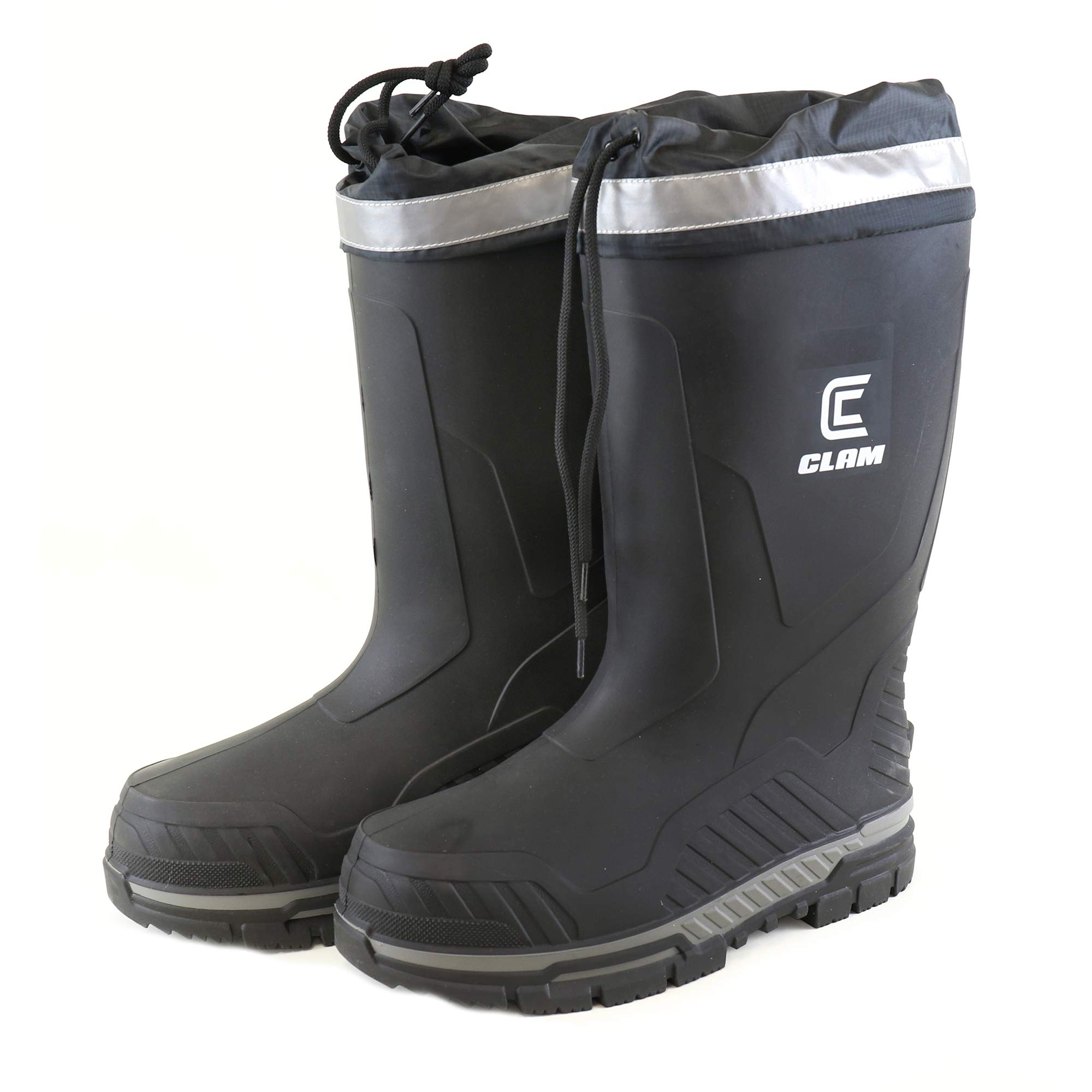


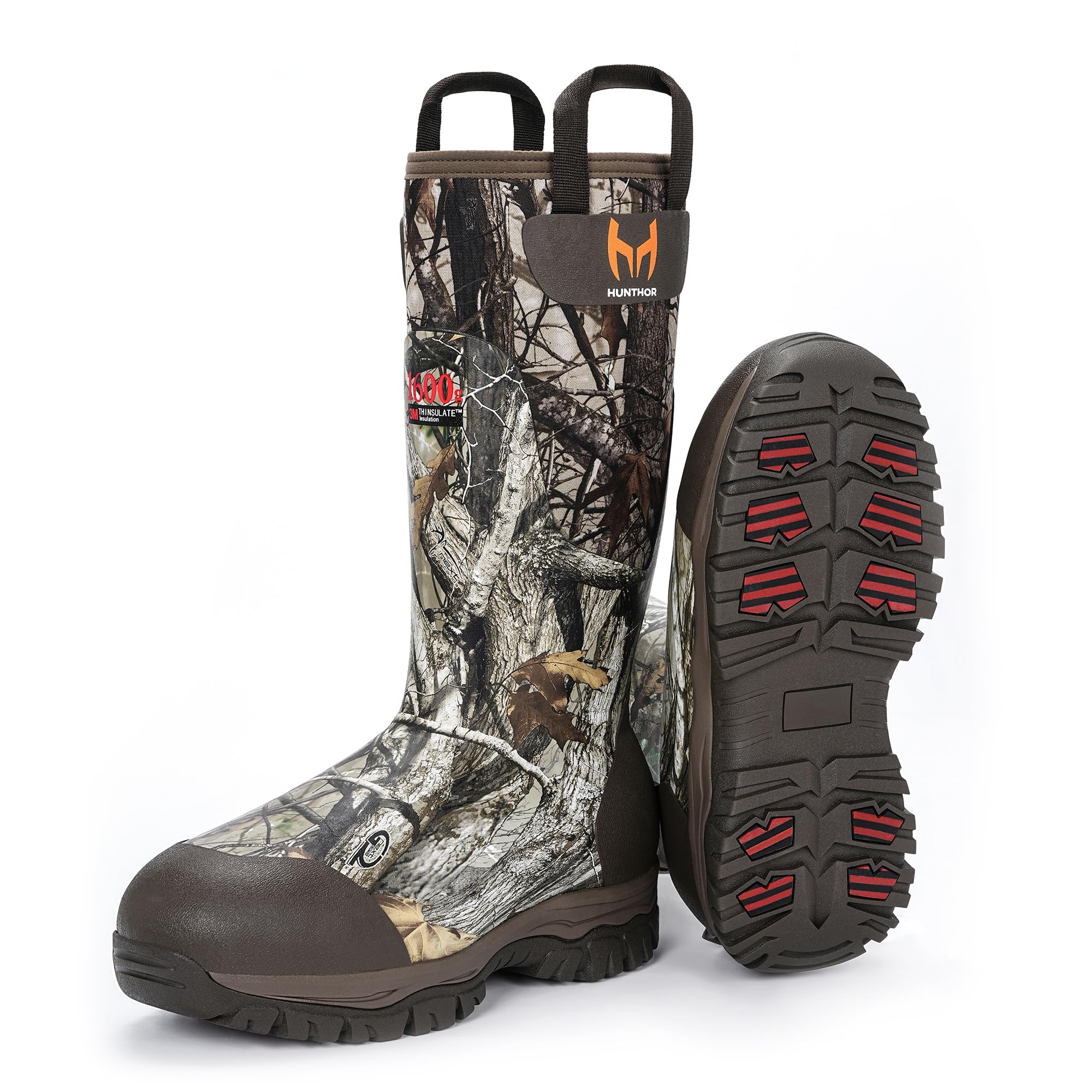

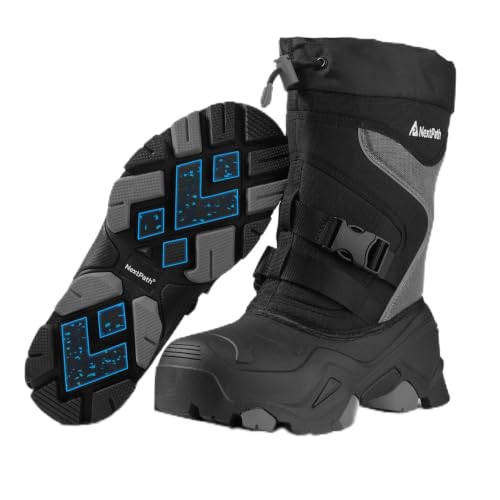

Who Should Buy Which Cold Weather Boots?
Your routine on the ice should drive every other choice, because time spent sitting still, distance walked, and the weather you fish through change what your feet need. Anglers who also fish cold open water from a boat or a bank in the shoulder seasons may prefer a more versatile pair, and our guide to the best cold weather fishing boots covers those crossover uses. Start with the group below that sounds most like you, then confirm the details in the features section.
For Anglers Short on Space in the Sled and Shanty
If your gear rides in a compact sled and your shelter floor space is tight, a shorter and lighter boot earns its place. Look for ankle or mid calf heights with flexible uppers that pack neatly beside your tackle and take up little room inside the shanty. You give up some deep snow protection, so this style suits groomed access paths, short walks, and lakes where snow stays shallow and packed.
For Frequent or Serious Anglers
Anglers who fish several days a week need insulation that survives a full season of long, still hours, plus liners that come out for drying between trips. Prioritize tall pac style boots with thick insulation, sturdy rubber lowers, and replaceable felt or foam liners. Solid warranty coverage matters at this level, because a cracked shell or failed seam in mid season can end your fishing until a replacement arrives.
For Bad Weather and Tough Conditions
If you fish through wind, blowing snow, and the slushy overflow that forms on top of the ice after a thaw, waterproof construction is non negotiable for you. Choose tall waterproof boots with sealed seams, a gusseted tongue, and enough shaft height to keep slush and powder out when you step off the packed trail. Readers who also hunt late season in similar weather will find overlap in our guide to the best cold weather hunting boots, since both pursuits reward height and dry warmth.
For Weekend Beginners
New anglers who fish a few relaxed outings each winter do not need the warmest boot on the shelf, and overspending here leaves less budget for an auger, shelter, or sonar. A mid height boot with moderate insulation, an easy pull on entry, and a moderate price covers most casual trips. Rent or borrow for your very first outing if you can, because one day on the ice teaches you quickly whether you prefer sitting or moving.
Key Features to Compare
When you compare the best cold weather boots for ice fishing side by side, the features below separate a boot that merely looks warm from one that keeps your toes comfortable through a still, windy afternoon. Read them in order, because insulation only works when fit, waterproofing, and traction support it.
One safety note before the details. Numbness that does not fade once you move around, skin that turns pale or waxy, or hard and blistered skin after a trip are warning signs of frostbite and need prompt medical attention. Head inside and warm the area gradually rather than rubbing it or using very hot water, and talk with your clinician before the season if you live with diabetes or circulation problems, since reduced feeling in the feet makes cold injury easier to miss.
Weight and Flexibility
Heavy boots usually carry more insulation, but every extra pound costs energy when you haul a sled across a big lake or hop between holes. A stiff sole protects your foot on rough, chunky ice, yet too much stiffness makes kneeling at a hole and walking on packed snow awkward. Mobile anglers should favor lighter, more flexible builds, while anglers who mostly sit in a heated shelter can accept extra weight in exchange for maximum warmth underfoot.
Features That Matter for Ice Fishing
Three things matter most for this sport. First, insulation weight and the temperature rating tell you how the boot handles still air, and stationary anglers should look toward the warmer end, often boots rated for minus 40 degrees Fahrenheit or built with 1000 to 2000 grams of insulation. Second, a waterproof shell and lower section keep slush and meltwater out. Third, the outsole needs deep lugs and a flat, wide base that accepts strap on ice cleats for glare ice days, and membranes such as Gore Tex add breathable waterproofing in leather styles.
Cushioning and Support
Ice is an unforgiving floor, and standing on it for hours loads your heels and arches in a way soft snow never does. Look for a cushioned insole with real arch support and a stable, wide platform that resists rolling when you step on a frozen ridge or a drilled hole edge. Removable insoles are a plus because you can swap in a thicker supportive pair. Good stability matters more here than in neutral shoes built for smooth pavement, since the surface under you is uneven and slick.
Break In Period and Comfort Out of the Box
Rubber lowers and foam liners feel comfortable almost immediately, while leather uppers and stiffer soles may need two or three short trips before creases form where your foot bends. Plan your first outing in a new pair close to shore and keep it brief, so a hot spot does not ruin a long drive to a distant lake. A boot that pinches or rubs in the shop will not improve on the ice, where cold feet swell less but tolerate pressure worse.
Fit, Sizing, and Toe Box
Measure your feet in the evening, wearing the thick wool socks you plan to fish in, because insulation compresses and your toes need room to wiggle for circulation. A roomy toe box is essential, since snug toes lose heat fast even inside a heavily insulated boot. Most anglers size up by half or a full size from their street shoes. Shoppers comparing men specific lines and lasts can also see our guide to the best cold weather men's boots for more on fit differences across winter styles.
Common Mistakes to Avoid When Buying Cold Weather Boots
- Trusting the temperature rating alone, because ratings assume activity and dry socks, so a still angler can feel cold in a boot that a walking hunter finds warm.
- Buying a snug fit for a neat feel, because tight boots restrict blood flow and your toes chill faster than they would with a little extra room.
- Ignoring the outsole and cleat fit, because smooth soles slide on glare ice and a fall on hard ice can injure you and your gear.
- Choosing short boots for deep snow lakes, because powder and slush pour over a low shaft and soak your socks within the first hour.
- Skipping the return policy check, because sizing varies widely between brands and you may need an exchange after a trial fit at home.
Setup and Care Tips
Before your first trip, fit your cleats to the boots at home, adjust the straps so they sit centered under the sole, and walk a few steps indoors to confirm nothing shifts. Pair the boots with gaiters on deep snow days to seal the gap between your bibs and the boot shaft. Set your spare socks, liner inserts, and cleats in one dry bag so the full foot system travels together in the sled.
After each trip, pull the liners and insoles out and air dry everything at room temperature away from direct heat, because hot air from a vent or stove can crack rubber and shrink leather. Stuff tall shafts with newspaper if they flop over, and store the boots upright in a dry spot rather than sealed in a damp tote. Brush off road salt before storage, check seams and soles for cracks each autumn, and replace worn insoles when the cushioning feels packed flat.
Frequently Asked Questions
What features matter most in cold weather boots for ice fishing?
Warmth, waterproofing, and traction matter most, in that order, because a stationary angler loses heat faster than a moving one. Beyond the basics, a gusseted tongue is an underrated detail, since it keeps snow and ice chips from sifting into the lacing area when you kneel at a hole. Check that the boot opens wide enough for easy entry with cold, gloved hands, a small point that becomes obvious on your first trip.
Can I wear cold weather ice fishing boots all day?
Yes, a well fitted pair is built for full days on the ice, provided the insulation matches the temperature and your activity level. The habit that makes the biggest difference is changing into a fresh, dry pair of socks at midday, because even breathable boots trap some moisture over six or eight hours. Stand and walk a short loop every hour or so, since movement restores circulation and warmth better than any liner.
Do ice fishing boots need to be fully waterproof?
For most anglers, yes, because overflow slush, meltwater around drilled holes, and wet snow will find any unsealed seam during a long day. Remember that waterproofing only protects up to the top of the shaft, so water or slush that spills over the collar still soaks your socks from above. If you fish only on cold, dry lakes with little slush, a water resistant leather boot can work, but treat the upper before the season starts.
Are expensive cold weather boots for ice fishing worth the price?
They can be worth it when the higher price buys thicker insulation, replaceable liners, and stronger shells rather than styling. Spread over many seasons, a durable pair often costs less per winter than replacing a budget pair every other year. Replaceable liners are the feature to value most, since fresh liners restore much of the original warmth and let an older boot fish several extra seasons.
How long is the break in period for ice fishing boots?
Most pac style boots feel ready within one or two short outings, while stiff leather models may take three or four trips. Speed the process by wearing the boots indoors for an evening first, which reveals pressure points while you can still exchange the pair if they pinch. Never make a remote, full day trip your first wear, because a developing blister on the walk back across the lake is a miserable lesson.
Final Thoughts
The right choice comes down to three checks: enough insulation for sitting still, a fit that leaves your toes room to move, and an outsole that grips or accepts cleats. Match the boot height and weight to your routine, whether that means short walks to a shanty or long hauls across open ice, and use the product table to compare the styles side by side. Readers whose needs are broader than the ice can also browse our guide to the best cold weather boots for general winter use. Chosen with care, the best cold weather boots for ice fishing turn cold feet from the reason you leave early into the last thing on your mind.


