
Best Cold Weather Combat Boots: Budget, Midrange and Premium Bands for 2026
Disclosure: We may earn a commission when you buy through links on this page, at no extra cost to you. As an Amazon Associate I earn from qualifying purchases. Learn more

Compare cold weather combat boots by price band, with notes on insulation weight, waterproofing, fit with thick socks, traction and what each tier adds.
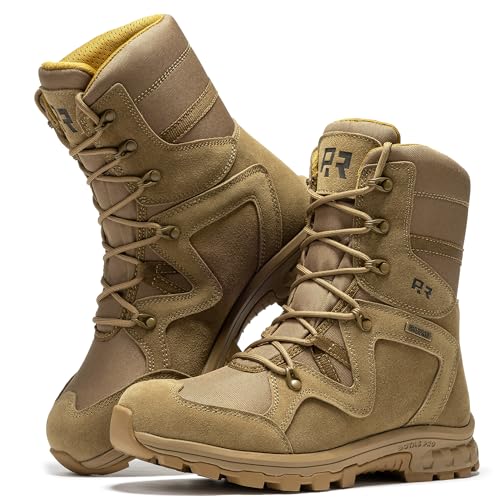
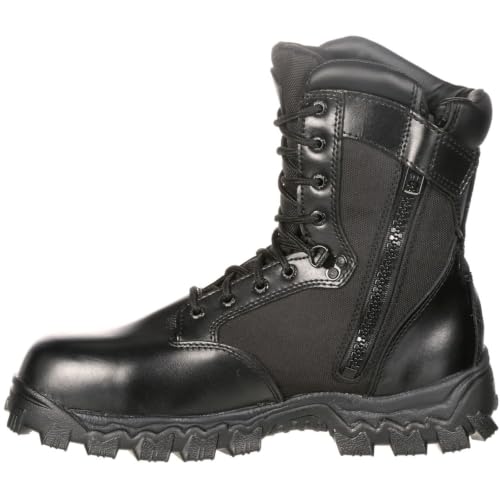
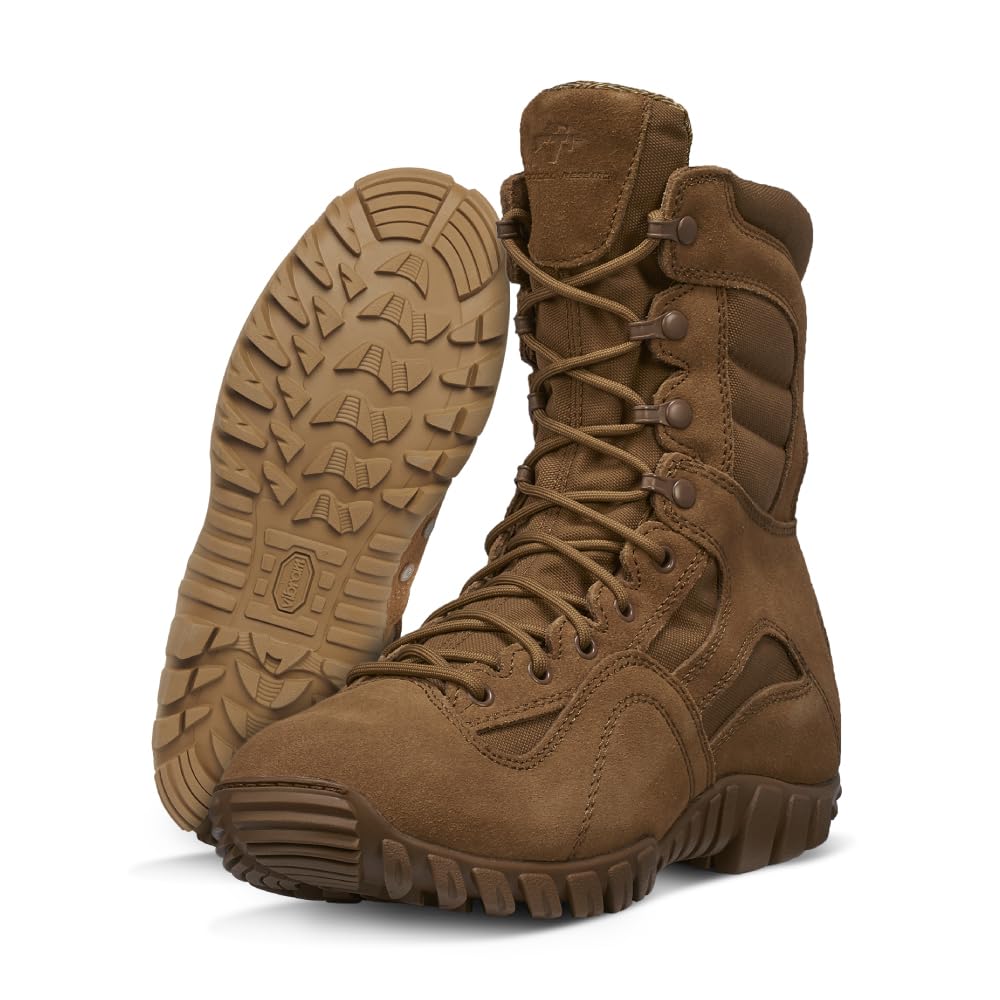
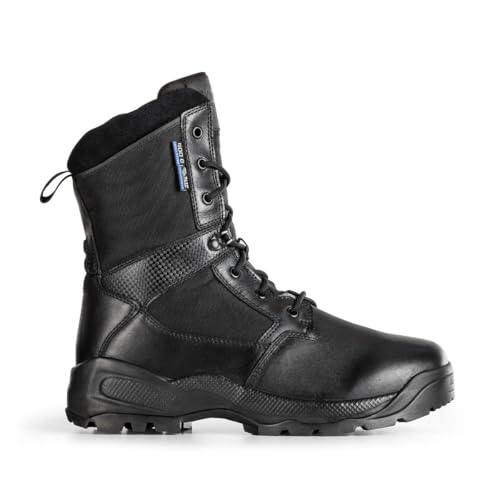
Prices for insulated combat boots run from under $100 to well past $300, and the gap is not mostly about looks. The money buys insulation weight, membrane quality, and how long the boot stays warm during a still, cold duty. This guide sorts best cold weather combat boots into three price bands so you can see what each step up actually adds. The product table lays the current options out side by side.
One warning before any band makes sense. Maker temperature ratings are not standardized, so a rating printed by one maker is not measured the same way by another, and the figure should be read as a rough guide only. What decides warmth in use is insulation weight, fit, and how much you move, because a still wearer cools far faster than a moving wearer. If your toes go numb, treat that as a stop signal: get moving, or get inside and warm up before you push on.



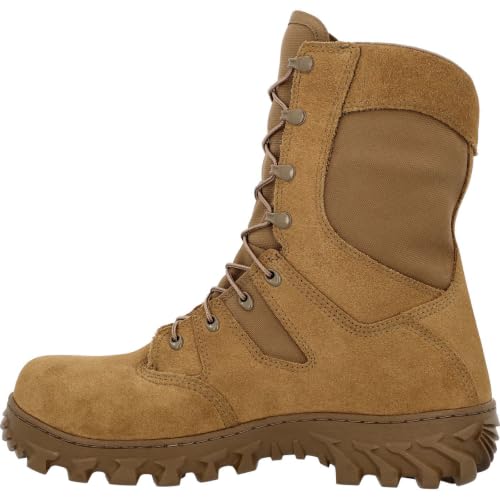
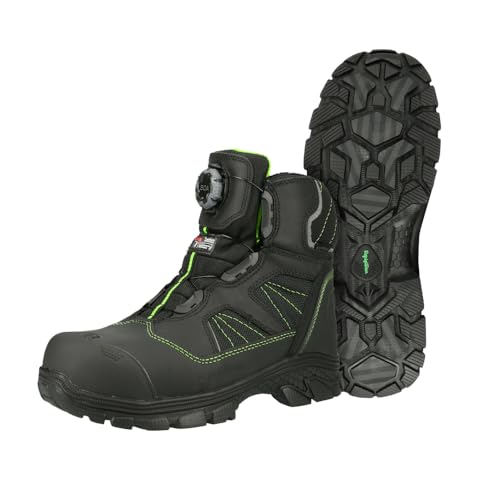
Who Should Buy Which Cold Weather Combat Boots?
The combat class is a duty class, so uniform rules and the load you carry shape the purchase before comfort features do. All three groups below start from the broader class of best cold weather boots and then split by how the duty is spent. Most of these bands are sold in men's sizing first, and the wider civilian shelf is covered by best cold weather men's boots.
Static Duty in Severe Cold
Sentries, gate guards, and anyone standing post in deep cold need the heaviest insulation and a roomy fit that leaves room for thick socks and toe movement. Movement is what warms a foot, and static duty removes it, so this group should buy for the coldest hour of the shift, not the average. Look at the premium band first.
Active Field Duty
Patrols, field training, and long movements on foot generate their own heat, so midweight insulation and ankle support matter more than maximum warmth. A boot that is too warm on the move soaks its lining with sweat, and that moisture chills the foot at the next halt. Traction and a sole that flexes with the stride also count for more here.
Vehicle Crews and Support Roles
Drivers and support crews split their day between a heated cab and short trips outside. They need a flexible sole that works pedals safely, moderate insulation, and an easy on and off fit. Some buyers also wear the same boots off duty through winter, and if hunting is the main job rather than an extra, compare best cold weather hunting boots, which trade uniform looks for broken patterns and colors and quieter soles. Where a uniform boot is not required at all, best cold weather work boots add safety toe options for workshop and yard duty.
What Your Money Gets You at Each Price Tier
The three bands below are the same boot class at three levels of insulation, materials, and build. Read them against your duty group above, not against the weather in a mild home town.
Budget Band: Insulation Basics for Mild Cold and Short Duties
Budget boots at about $90 to $140 carry light insulation of about 200 to 400 grams, basic water resistant treatments rather than a true membrane, and glued soles. They handle short duties, vehicle work, and milder cold where deep winter never really arrives. The honest limit is static warmth: on a long still post in hard cold, this band fades first. Buy here when the duty is short or the cold is moderate.
Midrange Band: The Working Middle for Most Cold Duties
Midrange boots at about $140 to $220 step up to about 400 to 800 grams of insulation, a genuine waterproof membrane, deeper outsole lugs, and sturdier leather and stitching. This is the band that covers most real winter duty: cold enough for long days outside, flexible enough for active work. If you buy one pair for mixed duties, buy it here and put the savings toward good socks.
Premium Band: Severe Cold Builds for Long Static Duty
Premium boots at about $220 to $350 carry insulation of about 800 grams and up, the best membranes, full grain leather, and hardware that survives seasons of lacing with cold hands. Some add removable liners that dry fast between shifts. The returns shrink for active wearers, who overheat in this much insulation, so this band earns its price mainly on static duty in severe cold.
Cold Weather Features Worth Paying For (and Ones to Skip)
Fit, Sizing, and Toe Box
The sock class is part of the insulation class, so fit the boot with the sock you will actually wear on duty. Try boots late in the day, when feet are at their largest, with the thick sock on, and check for about a thumb width of space in front of your toes. A tight boot cuts circulation and makes feet colder, no matter how much insulation surrounds them. Room in the toe box also lets you wiggle your toes on a static post, which keeps blood moving.
Traction and Outsoles
Cold weather grip comes from deep lugs and rubber compounds that stay flexible when frozen, since hard rubber skates on packed snow and ice. Look for lugs that clear snow rather than clog, and a defined heel for slopes and ladders. Walkers crossing over from civilian boots can compare best hiking boots for cold weather, which drop the uniform styling and put more of the budget into trail traction.
Upper Materials and Waterproofing
Full grain leather uppers resist abrasion and hold waterproofing treatments well, while leather and nylon panel mixes cut weight and break in faster. The point of a waterproof membrane is to keep meltwater and slush out during long exposure, and it matters most when you stand in wet snow rather than dry powder. In very cold, dry conditions the membrane matters less, and a well treated leather upper can be enough.
Weight and Flexibility
Heavy boots tax your legs over a long shift, and insulation always adds weight, so match the weight to the duty rather than chasing the warmest boot on the shelf. Flexibility matters for driving, kneeling, and climbing, where a rigid boot fights every movement. Active groups should accept a little less insulation in exchange for a boot they can move in all day.
Ones to skip: chasing the lowest printed temperature rating as your main reason to buy, polished fashion finishes that scuff on the first field day, and insulation so heavy it leaves a boot clumsy and sweaty on mild days.
Long Term Costs to Factor In
The purchase price is not the whole bill. Budget for replacement insoles once the originals pack down, waterproofing treatments for leather uppers each season, and spare pairs of heavy socks, since socks wear out faster than boots. Some premium boots can be resoled, which spreads their higher price across more winters. A midrange boot replaced every three winters and a premium boot resoled once often land at a similar cost per year, so judge by your duty, not the ticket alone.
Cold Weather Combat Boot Questions Answered
Are expensive cold weather combat boots worth it?
They are worth it when your duty is static and the cold is severe, because that is where heavy insulation and better membranes earn their keep hour after hour. For active duty or mild winters, the premium mostly buys warmth you will sweat out. A fair test is cost per winter: a premium pair lasting five winters can undercut a budget pair replaced every two.
How often should I replace my cold weather combat boots?
Replace them when the warmth fades, not only when the outside looks worn. Insulation slowly packs down with use, so a boot that once handled a static post may leave your feet cold years before the leather fails. Other end signs are lugs worn smooth, cracked leather at the flex points, and a lining worn through at the heel. Most duty boots give about three to five winters of regular cold use.
Can I wear cold weather combat boots all day in mild weather?
You can, but heavy insulation will overheat your feet, and the sweat it produces soaks socks and linings. That moisture is more than uncomfortable: when the temperature drops later in the day, damp feet chill far faster than dry ones. For mild days, a lighter uninsulated duty boot is the smarter wear, and the insulated pair stays dry and ready for real cold.
How long is the break in period for cold weather combat boots?
Expect about one to two weeks of short wears before a leather pair softens at the ankle and toe flex points. Break them in before the cold season starts, because new stiff boots plus thick socks plus a long shift is a reliable recipe for blisters. Start with a few hours around the building, then a full shift, and only then a long duty.
Do cold weather combat boots need to be waterproof?
It depends on the snow. Wet snow, slush, and thaw conditions soak an untreated boot, so a waterproof membrane earns its place there. In deep cold with dry powder snow, very little melts against the boot, and a treated leather upper without a membrane can serve well. Match the choice to the wettest conditions in your duty, not the driest.
How should cold weather combat boots fit?
They should hold the heel firmly with almost no lift, while the toes get clear space to spread and move. That split is the key point many buyers miss: a snug heel prevents blisters, and a roomy toe box protects warmth, so the two ends of the boot are fitted to opposite standards. If your toes feel pressed at the front, go up half a size rather than hoping the boot stretches.
Wrapping Up
Match the band to the duty first: static work in severe cold needs the premium insulation, active work does better in the midrange, and short or milder duties are honestly served by the budget band. Fit every candidate with your duty socks on, and treat printed temperature ratings as rough guides only. Judged that way, the best cold weather combat boots for your shift are the ones that keep your feet warm at the coldest hour, and the product table above can help you compare the current options in each band.


