
Best Coffee Grinders for Travel (2026): A Guide for Real Trips
Disclosure: We may earn a commission when you buy through links on this page, at no extra cost to you. As an Amazon Associate I earn from qualifying purchases. Learn more
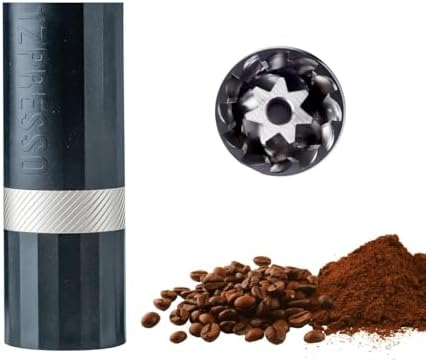
The best coffee grinder for travel is small, burr based, and matched to your power access and brew method. Compare manual, electric, and battery styles.
You check into a rental with a decent kettle and a bag of good beans, then realize the only grinder in the kitchen is a dusty blade model that smells like old spices. Packing your own grinder solves that problem, and finding the best coffee grinder for travel comes down to three things: how much luggage space you can spare, whether you will have reliable power, and how you brew on the road.
This guide walks through the types that travel well, the specs that actually matter away from home, and the mistakes that leave people with a grinder that stays in the drawer. The product table sums up the main types side by side so you can match one to your next trip.


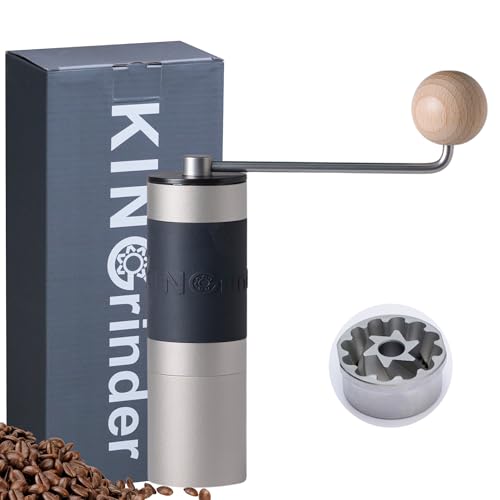
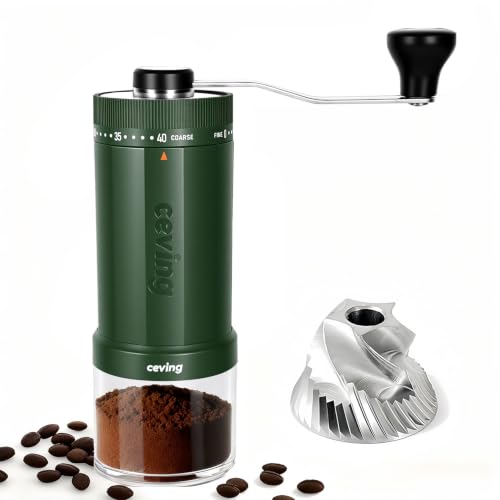
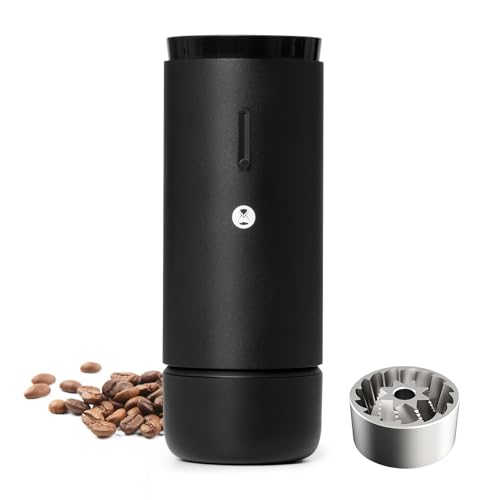


Quick Answer: The Types That Travel Well
Three types cover almost every trip. A manual burr grinder is the smallest and lightest option, needs no power at all, and suits one or two cups at a time. A compact electric burr grinder packs a motor into a body not much taller than a water bottle and grinds faster when an outlet is nearby. A small battery powered burr grinder sits between the two, recharging from a USB port and working in cabins, campsites, and hotel rooms alike.
Blade grinders also appear in travel kits because they are cheap and tiny, but they chop beans unevenly, so your cup tastes muddy one day and sour the next. If you care about flavor enough to pack a grinder at all, a burr model is the better starting point.
Before You Buy: A Quick Checklist for Choosing a Coffee Grinder for Travel
Which Type Fits Your Routine
Start with how you actually make coffee away from home. If your mornings are slow and you enjoy the ritual, a hand crank burr grinder turns grinding into a quiet minute of work and never needs a cord. If you brew for a partner or a small group, hand grinding for several cups gets old fast, and a compact electric model earns its luggage space. Our breakdown of burr vs blade coffee grinder designs explains why burrs give a more even grind, which matters even more in a small travel brewer with a short brew time.
Grind Range and Your Brew Method
A travel grinder only needs to cover the methods you truly use on the road. Pour over, French press, and moka pot all sit in the medium range, so a grinder with clear steps around that zone serves most travelers well. Espresso is the demanding exception, since it needs a very fine and very consistent grind that few small grinders deliver. If espresso is your plan, read our guide to the best coffee grinder for espresso before assuming a travel model will keep up, and consider a press or pour over kit for trips instead.
Size, Weight, and Packing
Measure the grinder against your bag, not your counter. Slim manual grinders often fit inside a popular travel brewer or slide into a shoe, which saves surprising space in a carry on. Electric models should be weighed with their cord and catch cup included, because those extras add up in a checked bag with a weight limit. Look for a body with no glass parts, a lid that stays shut in transit, and a grounds container that locks or seals so stray grounds do not dust your clothes.
Power Options Away From Home
Power decides where a grinder works. Manual models work anywhere, including a tent or a train seat. Plug in models need the right voltage and plug shape for your destination, and a converter adds bulk you may not want. Battery models remove the outlet problem but add a charging habit, and a weak battery mid trip means coarse, rushed grinding. Match the power source to your destination first, then compare grind quality within the types that fit.
Realistic Budget Ranges
Most travel grinders cost about $25 to $150. Simple manual burr models run about $25 to $60 and cover the needs of most solo travelers. Sturdier manual grinders with steel burrs and a smoother crank action cost about $60 to $120. Compact electric and battery models generally run about $80 to $150, and you pay for the motor, the battery, and faster grinding rather than better flavor alone. Spending past that range usually buys a home grinder that happens to be small, not a better travel tool.
Travel Grinder Types Compared
Manual Burr Grinders for Unplugged Trips
Manual burr grinders are the default choice for travel because they remove power from the equation entirely. Most hold about 20 to 30 grams of beans, enough for one generous mug or two small cups. The crank effort depends on the burr size and the roast, and light roasts take noticeably more turns than dark roasts. Choose this type if you travel light, camp, or stay in places with uncertain outlets. Skip it if you grind for a group every morning or have wrist or hand pain that makes cranking uncomfortable.
Compact Electric Grinders for Rentals and Road Trips
A compact electric burr grinder suits travelers who drive, stay in rentals, or work from hotel rooms for weeks at a time. It grinds a full dose in seconds, which matters when two or three people want coffee before a morning drive. The trade off is size and dependence on an outlet, plus more parts to keep track of in a kitchen that is not yours. If you want one grinder that serves both home and travel, our roundup of the best burr coffee grinder options covers larger models worth comparing before you commit to a small one.
Battery Powered Grinders for Flexible Stays
Battery powered burr grinders appeal to travelers who move between places with mixed power access, such as a cabin weekend followed by a hotel stay. A full charge usually handles several days of single cups, and USB charging means the same cable as your phone can top it up. The limits are dose size and stamina, since small motors slow down on dense, light roast beans. Treat this type as a convenience pick for short trips rather than the main grinder for a long tour.
How to Compare Travel Grinders
Compare any two models on the same short list of factors: packed size and weight, dose capacity per grind, burr material, number of grind settings around your brew method, and how the grounds container seals. Then check the details that listings bury, such as whether the crank handle detaches for packing and whether replacement burrs are sold at all. A grinder that wins on those points will serve you better than one chosen on looks or on a long feature list you will never use away from home.
Living With It: What Really Matters on the Road
Noise matters more in travel than at home. A manual grinder is nearly silent, so you can make coffee while a partner sleeps in the next bed. A small electric grinder in a thin walled hotel room at dawn is far less considerate. Think about where the sound lands before you choose speed over quiet.
Daily use also exposes small annoyances. Static can scatter fine grounds across a rental counter, and a container that is hard to open with wet hands slows your morning. Grounds left in the burr chamber go stale and flavor the next cup, so a design you can brush out in seconds gets cleaned more often. If you lean manual, our guide to the best manual coffee grinder options explains the crank and burr differences that shape that daily routine.
Common Buying Mistakes to Avoid
- Buying for espresso first. Most travel grinders cannot grind fine and even enough for espresso, so the purchase disappoints on the very first trip.
- Ignoring the catch cup seal. A loose lid lets grounds spill inside a suitcase, and one spill is enough to scent every shirt you packed.
- Choosing capacity you never use. A large hopper adds bulk, while most travelers grind one dose at a time for freshness.
- Forgetting voltage abroad. A plug in grinder built for one voltage can fail or overheat on another, even with a plug adapter fitted.
- Prioritizing tiny size over burr quality. The smallest grinder in the bag is no bargain if its wobbling burrs make every cup taste uneven.
Cost of Ownership and Care
A travel grinder asks little in running costs. There are no paper filters or pods to buy, and the main upkeep is keeping the burrs clean and dry. Brush loose grounds out after each trip, and wipe oily residue from the burrs every few weeks if you grind dark roasts often. Our step by step guide on how to clean a coffee grinder covers the deeper cleaning routine, including what to do about stale odors.
Store the grinder dry and, for manual models, with the handle packed beside the body rather than attached, since a bent crank shaft causes wobble that ruins grind consistency. Steel burrs wear slowly and often last for years of travel use, while cheap plastic parts around the burr are what usually fail first. Budget nothing for parts in the first year, but favor brands that sell replacement burrs and handles so a worn part does not end the grinder.
Your Questions, Answered
What should I look for in a coffee grinder for travel?
Look for a slim body that fits your bag, burrs rather than blades, a dose size that matches how many cups you make at once, and a sealed grounds container. Then confirm the power source fits your destination. A detail many shoppers miss is crank handle storage on manual models, since a handle that slips off and packs flat saves more space than the body dimensions suggest.
Is a coffee grinder worth packing for a short trip?
For a trip of two or three days, it depends on what waits at the other end. If your stay has a decent grinder already, packing beans ground the night before you leave is a fair trade and frees bag space. For stays of a week or more, pre ground coffee fades fast enough that a small grinder earns its weight, especially if you brew once and sip slowly all morning.
How do you clean a coffee grinder in a hotel room?
Empty the grounds, tap the body over a bin, and brush the burr area with the small brush most grinders include or a dry toothbrush kept for the job. Skip water entirely, since burrs and bearings dry slowly in a packed bag and trapped moisture can rust steel parts. Save any washing of the catch cup for the sink, and dry it fully before the lid goes back on.
How long does a travel coffee grinder last?
A well built manual grinder can last many years because it has few parts to fail, and the burrs are often the only wear item. Electric and battery models tend to give up sooner through their motors and batteries, with a few years of regular trips being a fair expectation. Treating the grinder as luggage, padded and kept dry, does more for its lifespan than any spec on the box.
Can a travel grinder grind coffee for cold brew?
Yes, and cold brew is one of the easiest methods to serve on the road because it wants a coarse grind, which small burrs produce with the least effort and the least heat. Steeping in a bottle overnight also removes the need for a kettle or brewer, so a coarse grinding travel setup can be as simple as the grinder, a bottle, and a cloth or paper filter for straining in the morning.
Final Thoughts
The right travel grinder is the one that matches your bag, your power access, and your brew method, not the one with the longest feature list. Manual burr models cover most trips with the least fuss, compact electrics earn their space on longer stays, and battery models fill the gaps between the two. Weigh the types in the product table against your next itinerary, and the best coffee grinder for travel for your routine should stand out clearly. For a wider look at home options before you narrow down, see our main guide to the best coffee grinder range.


