
Best Coffee Grinder for Drip Coffee Makers: A Buying Guide for 2026
Disclosure: We may earn a commission when you buy through links on this page, at no extra cost to you. As an Amazon Associate I earn from qualifying purchases. Learn more

The best coffee grinder for drip coffee makers gives even medium grounds, simple adjustment, and easy cleaning for a sweeter daily pot.
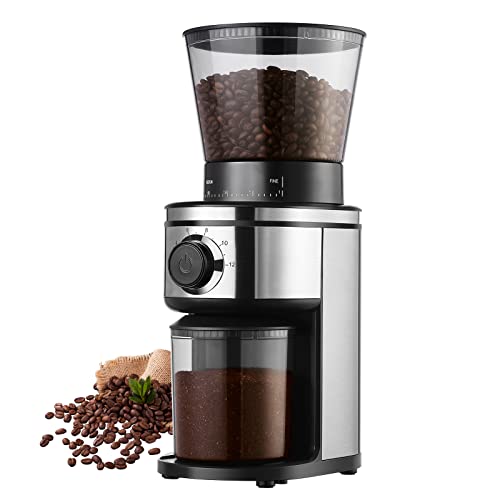
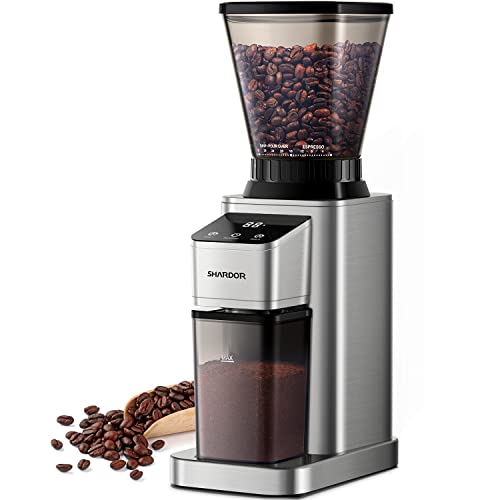
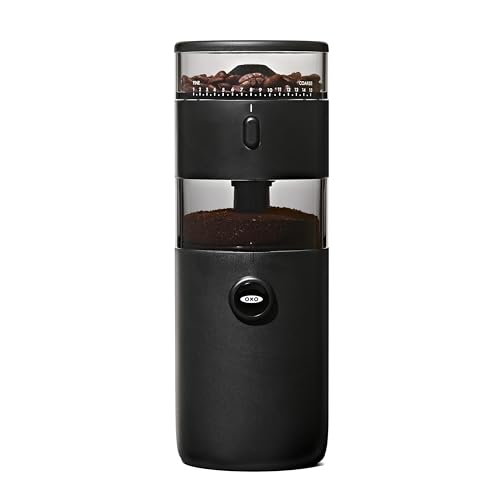
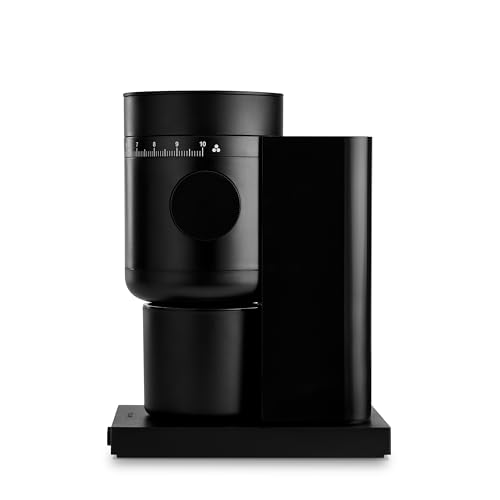
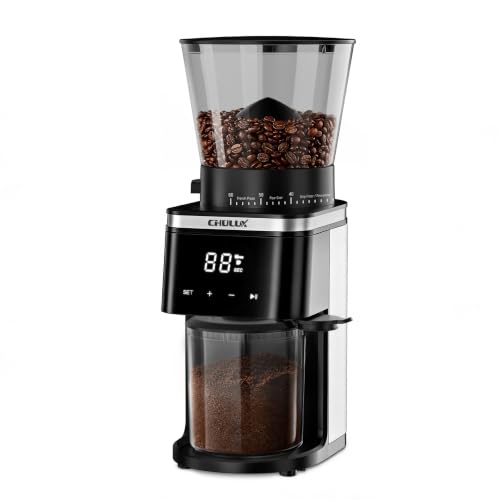
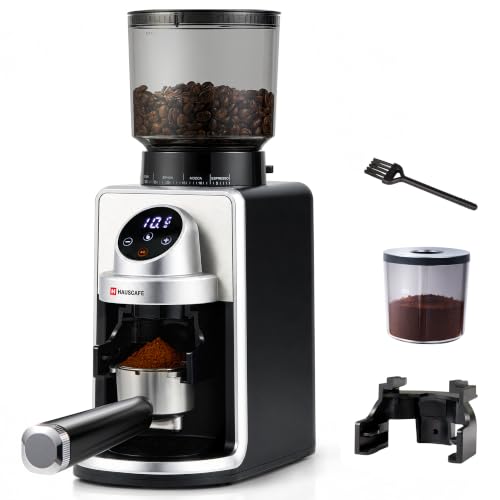
A good best coffee grinder for drip coffee makers matters more than many brewers expect, because grind size shapes extraction in every pot. Too fine a grind over extracts and tastes bitter, while too coarse a grind under extracts and tastes thin and sour. The product table can help you compare burr type, grind range, and capacity before you buy.
Fresh grinding also beats pre ground coffee for aroma, since ground coffee loses fragrance quickly once exposed to air. Grinding just before brewing keeps volatile aromas in the cup, which is why even a modest burr grinder lifts a daily pot. You do not need espresso fine adjustment for drip, but you do need consistent medium grinds without too many fines.



Who Should Buy a Dedicated Grinder
A dedicated grinder suits anyone who brews drip coffee daily and wants a noticeably sweeter, clearer cup. It also suits households that buy whole beans in bulk, since whole beans stay fresh far longer than pre ground coffee. If you brew only occasionally or use pods, a grinder may sit unused, so weigh your routine honestly.
Blade grinders chop beans unevenly and create dust that over extracts, so they rarely improve drip coffee much. A burr grinder crushes beans between two surfaces for a far more even result, which is the key upgrade. If you already own a good burr grinder for other methods, check that it grinds evenly at medium settings before buying a second one.
Key Features Worth Comparing
Burr Type and Grind Evenness
Conical burrs are common, quiet, and forgiving, giving good medium grinds for drip at a fair price. Flat burrs can give very even grinds and clear flavor, though they often cost more and need careful alignment. Either type beats a blade grinder by a wide margin, so do not overthink the choice for drip brewing. Look for reviews that report grind distribution at medium settings, since that is where your brewer lives.
Adjustment and Capacity
Stepped adjustment clicks between set sizes and is simple to repeat, which suits households that brew the same way daily. Stepless adjustment gives finer control but is easier to lose track of, so mark your usual setting with tape or a note. Hopper capacity matters if you grind for a full pot each morning, while a small hopper suits single mugs and fresher beans. A grinder that holds about enough for your daily pot avoids stale beans sitting in the hopper.
Cleaning and Noise
Coffee oils and fines build up inside grinders and turn stale, so a grinder that opens easily for brushing lasts better in daily use. Removable burrs and a clear cleaning path save frustration, while sealed designs need more patience. Noise matters for early mornings, since some grinders wake the house while others hum quietly. If you brew before others wake, check noise or choose a slower, quieter model.
Getting the Most From Your Grinder
Start at a medium grind, about the feel of coarse sand, and adjust one step at a time based on taste. If the pot tastes bitter and heavy, go coarser; if it tastes thin and sour, go finer. Weigh beans with a cheap scale for repeatable results, since scoops vary with bean size and roast. Clean the burrs every few weeks with a brush, and purge a small amount after changing beans to clear the old grind.
Mistakes to Avoid
The most common mistake is grinding too fine for drip, which clogs the filter and drags out a bitter brew. Another mistake is buying a grinder with a huge range for espresso you will never brew, instead of one that excels at medium. Finally, do not store beans in the hopper for weeks, since light and air stale them faster than a sealed bag. Buy beans in smaller bags, grind fresh, and enjoy the difference.
Related Buying Guides
If you are choosing the rest of your drip setup, see the best coffee for drip coffee makers, the best coffee pot makers, the best coffee machine makers, the best small drip coffee makers, and the best inexpensive drip coffee makers.
Living With a Burr Grinder
Daily life with a burr grinder settles into a quick routine of weighing beans, grinding fresh, and brushing out grounds. The whole process takes under a minute once you know your usual dose and setting, so fresh coffee costs little extra effort. Keep beans in a sealed bag away from light, and grind only what you need for each pot. This habit alone lifts flavor more than most equipment upgrades, since freshness fades fast once beans are ground.
Grinder care becomes second nature with a simple weekly brush and a deeper clean every few weeks. Remove loose grounds from the burr chamber, wipe the hopper, and check for stale oils that smell rancid. Some grinders need burr removal for deep cleaning, so learn your model early rather than during a busy morning. A clean grinder tastes noticeably better, and the difference grows with time as oils build up unseen.
Bean choice matters as much as grinder choice, since fresh, well roasted beans reward even grinding while stale beans taste flat regardless. Buy smaller bags more often, note roast dates, and try different origins to learn your preference. Medium roasts often suit drip brewing best, balancing sweetness and clarity without excessive bitterness. With good beans and a clean grinder, daily drip coffee becomes a genuine pleasure.
A Final Check Before You Order
Confirm that the grinder does well at medium settings, since drip brewing lives there rather than at espresso fineness. Check hopper size against your daily pot, burr access for cleaning, and noise for early mornings. Read the warranty and parts availability, since burrs and hoppers wear over years of daily use, and measure the height under your cabinets before ordering. Budget for fresh beans alongside the grinder, because even a good grinder cannot rescue stale coffee.
Frequently Asked Questions
What grind size suits drip coffee makers?
Drip coffee makers suit a medium grind, roughly the feel of coarse sand, which lets water pass steadily without clogging the filter. Too fine a grind slows the brew, over extracts, and tastes bitter, while too coarse a grind rushes through and tastes thin and sour. Start at medium and adjust one step at a time, tasting each pot before you change again. Paper filters tolerate slightly finer grinds than metal mesh filters, which need a coarser setting to avoid sediment.
Is a burr grinder better than a blade grinder?
Yes, a burr grinder crushes beans to a far more even size than a blade grinder, which chops beans into mixed dust and chunks. Even grinds extract evenly, giving a sweeter and clearer cup, while dust over extracts and adds bitterness. Blade grinders also heat beans slightly with longer grinding, which can dull aroma. For daily drip brewing, even an entry level burr grinder beats a blade grinder noticeably.
How much should I spend on a drip grinder?
A solid burr grinder for drip brewing often costs about $100 to $250, which buys even medium grinds and durable burrs. Cheaper burr grinders can work, but they may produce more fines and wear faster with daily use. Very expensive grinders add precision that matters more for espresso than for drip, so extra cost brings smaller gains here. Spend enough for even grinds and easy cleaning, and put remaining budget toward fresh beans.
Should I grind fresh for every pot?
Yes, grinding just before brewing keeps aroma and flavor that ground coffee loses quickly in air. Whole beans stay fresh for weeks in a sealed bag away from light, while ground coffee fades within days. Grinding fresh takes under a minute with an electric burr grinder, so the effort is small for the gain. If mornings are rushed, grind the night before and store the grounds sealed, but fresh grinding still tastes better.
How do I clean a coffee grinder?
Brush out loose grounds weekly and deep clean the burrs every few weeks, following the maker guide for your model. Unplug electric grinders before opening them, and never wash burrs unless the maker says they are washable. A dry brush and a soft cloth remove most oils, while grinder cleaning tablets can help with stubborn buildup. Let parts dry fully before reassembly, since damp burrs rust and trap stale grounds.
Final Thoughts
The right grinder for drip brewing gives even medium grinds, simple adjustment, and easy cleaning, without espresso features you will never use. Fresh grinding lifts aroma and sweetness in a way that a new brewer alone rarely does. Use the product table to compare burr type, adjustment, and capacity for your daily pot.
Start at medium, taste, and adjust slowly, and keep the burrs clean. With a steady routine, best coffee grinder for drip coffee makers becomes a small daily habit that makes every morning pot taste its best.
