
Best Coffee Machine Makers: A Buying Guide for 2026
Disclosure: We may earn a commission when you buy through links on this page, at no extra cost to you. As an Amazon Associate I earn from qualifying purchases. Learn more
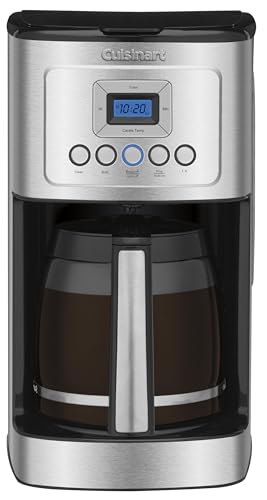
The best coffee machine makers match your brew method, cup count, and cleaning habits. Compare drip, espresso, and single serve styles before you buy.
Shopping for the best coffee machine makers starts with a choice that has nothing to do with brand: what kind of coffee do you want in the cup every morning? Drip machines brew a pot, espresso machines make concentrated shots for milk drinks, and single serve brewers make one mug in about a minute. This guide sorts those machines by flavor, effort, and daily cost, then explains capacity, cleaning, and counter space in plain terms.
The product table lists current machines across the main styles. Read the sections below first if you are still deciding which style fits your kitchen and your mornings.


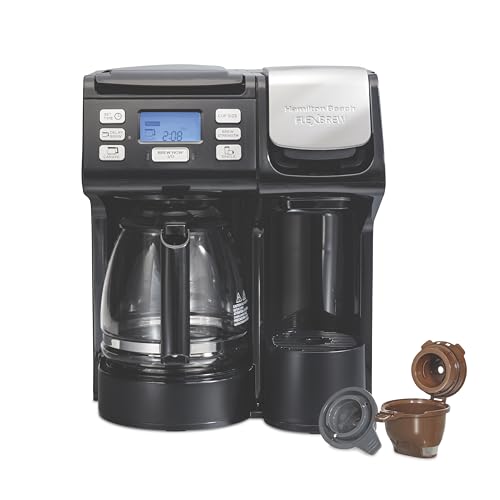
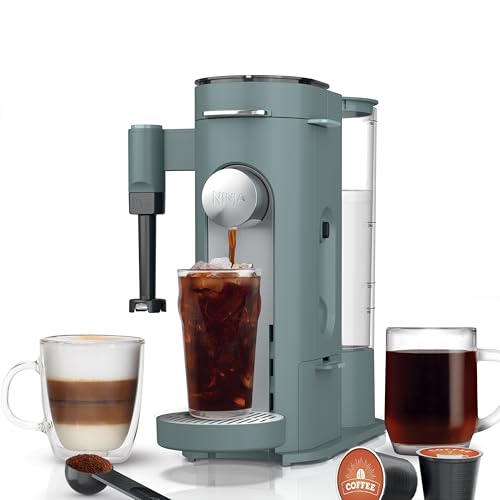


Who Should Buy Which Style
If you drink two or more mugs at breakfast, or you often serve guests, a drip machine gives the most coffee for the least effort. If you love lattes and cappuccinos, an espresso machine pays off, but it asks for more learning and cleaning. If you live alone or everyone in the house wants a different drink, a single serve machine removes waste and waiting. Households with mixed tastes sometimes keep a drip machine for weekdays and a small espresso machine for weekends.
Key Features to Compare
- Brew method. Drip and pour over style machines give a balanced cup, espresso gives concentrated flavor, and pods give speed and variety.
- Capacity. A carafe that holds 10 to 12 cups serves a family, while a single serve tank may need refilling every few cups.
- Heating and temperature. A machine that reaches a steady brew temperature extracts flavor evenly, while a weak heater gives sour, thin coffee.
- Programming. A timer lets you wake up to a finished pot, and a strength setting adjusts a mild coffee without changing beans.
- Cleaning. Removable baskets, tanks, and brew parts make daily cleaning realistic, and a descale reminder protects the heater.
- Footprint. Measure the height under your cabinets with the lid open, and leave room to fill the water tank.
Fit and Everyday Use
Think about your morning routine before you compare features. A household that drinks several cups at once needs a larger carafe, while a single drinker wastes coffee and counter space on the same machine. Count the steps from bean or pod to cup, since a machine you dread cleaning will sit unused. Weight and handle design matter too: a carafe that pours cleanly and a water tank that lifts out for filling make daily use easier.
Materials and Durability
Glass carafes show how much is left and clean easily, but they break. Thermal carafes keep coffee hot without a warming plate, which prevents the burnt taste that develops after an hour. Stainless steel housings resist stains and wear better than thin plastic, while plastic keeps cost and weight down. Check where the machine uses plastic around heat and water, since those parts decide how long it lasts.
Budget and Value
Basic drip machines cost very little and make good coffee when the heater and filter basket are well designed. Mid priced models add thermal carafes, timers, and better temperature control. Espresso machines and machines with built in grinders cost more and need extra accessories such as a grinder, a scale, or a milk pitcher. Count running costs as well as the purchase price: paper filters, pods, descaling solution, and replacement parts can add more over a few years than the price difference between two machines.
Care and Maintenance
Rinse the carafe and basket after use, wipe the exterior, and leave the lid open so the tank dries. Descale every one to three months depending on water hardness, since scale slows heating and dulls flavor. If your machine makes milk drinks, rinse the frother after each use. Easy maintenance is a feature in its own right, especially for a machine you use every day.
Mistakes to Avoid
- Choosing by price or size alone without checking cup count, fit, and cleaning effort.
- Ignoring running costs such as pods, filters, and descaler until after purchase.
- Buying extra features for a drink you rarely make while missing a basic feature you need daily.
- Skipping the water quality question: filtered water protects both flavor and the heater.
Related Guides
For related angles, see the best coffee pot makers, the best espresso coffee machines, the best drip coffee machines, the best brewing coffee makers, and the best single coffee makers.
Frequently Asked Questions
Which brew method tastes best?
Taste depends on your preference for body, clarity, and strength. Espresso gives a concentrated cup, drip gives a balanced batch, and single serve gives speed and variety. Try the same beans across methods if you can, and choose the method whose flavor you enjoy most days.
How much should I spend?
Budget machines make good coffee if the heating and filter design are sound, while higher prices usually buy durability, temperature control, and quieter operation. Set a range based on how many cups you drink daily, and weigh running costs alongside the purchase price.
How hard are they to clean?
Daily cleaning should take only a few minutes: rinse the carafe, empty grounds, and wipe the exterior. Descaling every few months prevents mineral buildup that dulls flavor. Machines with removable brew groups and dishwasher safe parts save the most time over a year of use.
Do I need a grinder too?
Freshly ground beans improve flavor noticeably, but pre ground coffee suits busy mornings and single serve machines. If you enjoy experimenting, a burr grinder gives even grounds and better extraction. If you value speed, choose a machine that works well with the coffee you already buy.
What size fits a small kitchen?
Measure your counter depth and the height under your cabinets, including space to open lids and refill water. Compact single serve and small drip machines suit tight kitchens, while espresso machines need extra room for cups, a tamper, and a milk pitcher.
Final Thoughts
Start from your routine, then match brew method, capacity, and budget in that order. Use the product table to compare real machines, and think about the cleaning routine you will actually keep. With those priorities in place, the best coffee machine makers for your kitchen will be the ones you enjoy using every morning, not the ones with the longest feature list.

