Best Coffee Pot Makers 2026 Buying Guide
Disclosure: We may earn a commission when you buy through links on this page, at no extra cost to you. As an Amazon Associate I earn from qualifying purchases. Learn more
Best coffee pot makers brew a full pot for the family. Compare capacity, timers, brew strength and carafe design, from budget to premium.
A coffee pot maker is the machine many of us grew up with: pour in water, add grounds and come back to a full pot. The best coffee pot makers still do that job well, with better timers, steadier temperature and cleaner pots than the models of a decade ago. They suit families, offices and anyone who drinks several cups in a row.
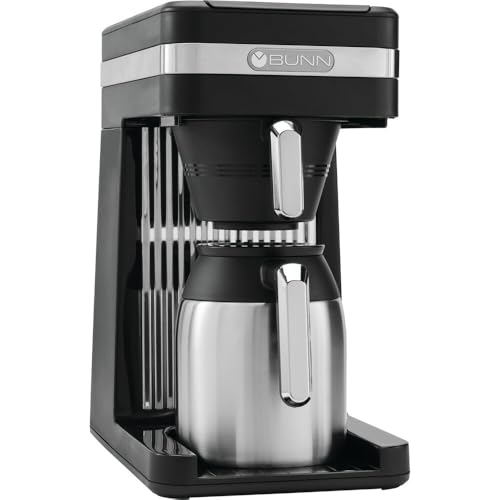
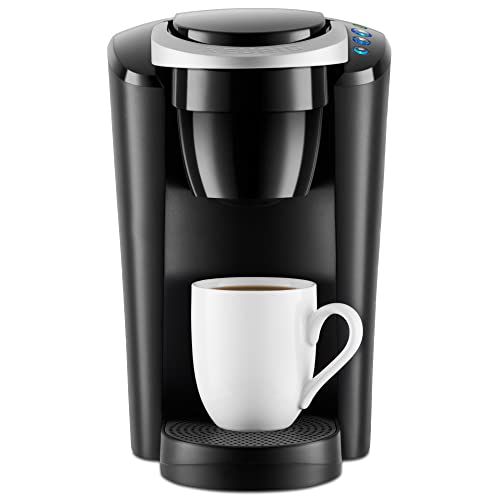
The product table above covers drip machines with a glass or steel pot, from simple budget models to programmable machines with extra features. This guide helps you choose a pot maker by capacity, brewing quality and daily convenience.




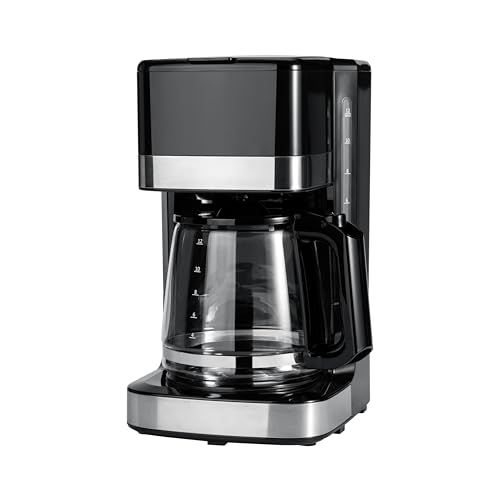

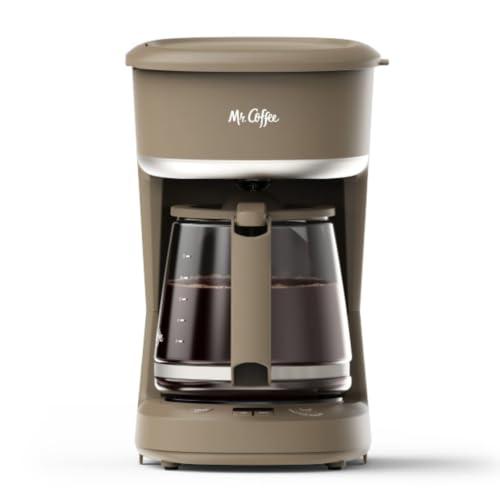

How the best coffee pot makers work
Water from the tank is heated and sprayed over a basket of ground coffee. The brewed coffee drips into the pot below. A warming plate keeps the pot hot, and many machines have a pause and serve feature that stops the flow when you pull the pot out mid-brew. The process is simple, which is why these machines last for years.
Among the best coffee pot makers, quality varies mainly in water temperature, spray design and the pot itself.
Choosing capacity
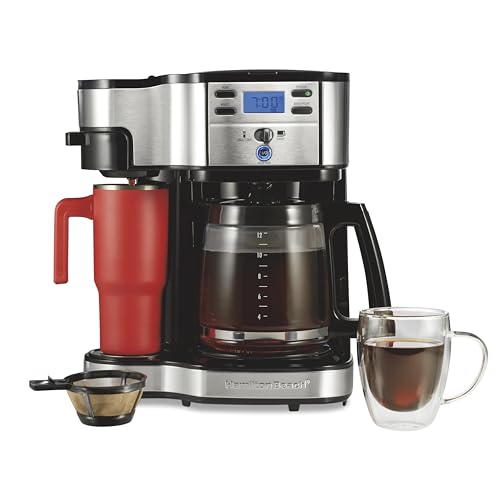
Makers are often described by cups, but a cup here is a small measure, so a twelve-cup pot is roughly six large mugs. Count how many mugs you pour in the morning and add a margin. A small household can pick a five-cup model, while a family or office needs twelve cups or more.
Brewing less than half the capacity may produce weaker coffee on some machines, so choose a size close to your typical batch.
Timers and programmable features
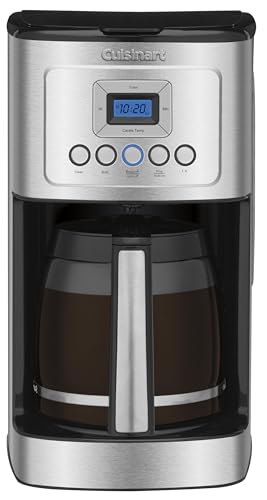
A programmable timer lets you set coffee to brew before you wake. A 24-hour clock and a simple display make the setup easy. Other helpful features include an auto shut-off, a brew strength selector and a pause and serve function. A clear water window also makes filling easier.
Glass pot or thermal pot
A glass pot is cheap and lets you see the level, but it relies on a warming plate that can scorch the coffee after an hour. A thermal pot keeps heat without a plate, but costs more and hides the level. Choose according to how long you take to finish a pot.
Flavor and brewing quality
A good pot maker spreads water evenly over the grounds and heats it to a steady temperature. A showerhead with multiple holes helps. A permanent filter saves money and paper, while paper filters give a cleaner cup. Try both if the machine allows.
Use fresh grounds and clean water, as these influence flavor more than any machine feature.
Cleaning and upkeep
Wash the pot, lid and basket after each use. Run a descaling cycle every few months, depending on your water. Wipe the warming plate and the outside regularly. A removable basket and a wide pot opening make the job easier.
Price and value
The table covers pot makers from around $25 to roughly $180. The cheapest machines brew well but have fewer features. Mid-priced machines add timers and better build quality. Higher prices bring larger tanks, thermal pots or extra brew styles.
Choosing the best coffee pot makers for your kitchen
Think about the space and the routine. A compact five-cup model slips under a cabinet and suits a couple. A large twelve-cup machine feeds a family but needs more room. Look at the height with the lid open, the width of the pot and the length of the cord, since an outlet far from the counter limits your placement.
If you need to bring the pot to the table, choose one with a sturdy handle and a lid that locks. A drip-free spout saves your tablecloth.
Paper or permanent filters
Paper filters trap oils and fine particles, producing a bright, clean cup. Permanent mesh filters let more oils through, giving a fuller body, and they save paper. Both work well, so the choice is personal. Paper filters are easier to clean, because you throw them away with the grounds.
If you use a permanent filter, rinse it after each use, and wash it with soap weekly to remove oil build-up that causes bitterness.
Making better coffee with any pot maker
Measure the coffee rather than guessing. A common starting point is two level tablespoons of ground coffee for each six ounces of water, which you can adjust to taste. Use fresh grounds, ideally ground just before brewing, and filtered water if your tap tastes strong. Do not leave coffee on the warming plate for long periods.
If your coffee tastes weak, use more grounds or choose a finer grind. If it tastes bitter, use less or choose a coarser grind, and clean the machine.
Safety and everyday habits
Keep the machine on a flat, dry surface away from the edge of the counter. Turn it off after use if there is no auto shut-off, and unplug it when you leave for a long trip. Let the pot cool before washing, since a hot glass pot can crack in cold water.
Never run the machine without water, and check the cord for damage from time to time.
When to replace an old pot maker
A pot maker that takes noticeably longer to brew, leaves the coffee lukewarm or drips onto the counter is telling you something. Scale inside the lines is the usual culprit, and a thorough descaling sometimes brings it back. If a descale does not help, or the pot is cracked and the cord is worn, replacement is the safer and more economical choice.
Keep the manual, the receipt and any warranty details together, so that a claim is easy if something fails early.
Questions people ask
How many cups do I need?
Count your mugs and add a margin. Twelve cups suit most families.
Why does my pot taste burnt?
Coffee left on a warming plate can scorch. Pour it into a thermal flask.
Is a permanent filter better?
It saves paper, but needs more washing.
How often should I descale?
Every few months, or more often in hard water.
Final thoughts
The best coffee pot makers brew a full pot reliably and are easy to clean. Choose capacity to match your household, pick a timer if you like to wake to coffee, and compare the machines in the table above.