
Best Coffee Grinder for Drip Coffee for 2026: A Guide for Real Homes
Disclosure: We may earn a commission when you buy through links on this page, at no extra cost to you. As an Amazon Associate I earn from qualifying purchases. Learn more

The best coffee grinder for drip coffee suits your home: burr types, grind size, capacity, and cleaning tips matched to your routine and budget.
On a busy weekday morning, one person wants a full pot ready before work, another wants a smaller brew later, and the beans on the counter are still whole. Choosing the best coffee grinder for drip coffee solves that daily problem by giving you fresh grounds at the right size, in the right amount, without a lot of fuss. A good match makes the pot taste balanced and keeps the routine calm.
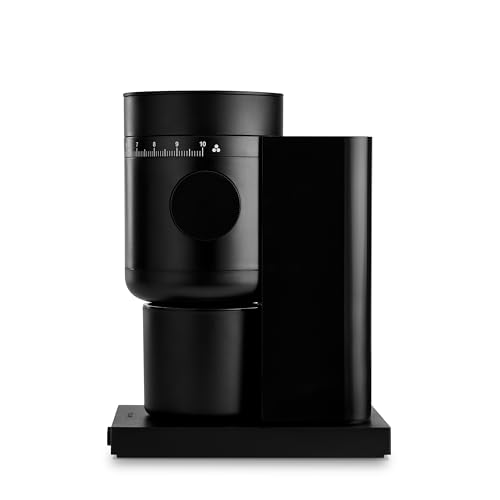
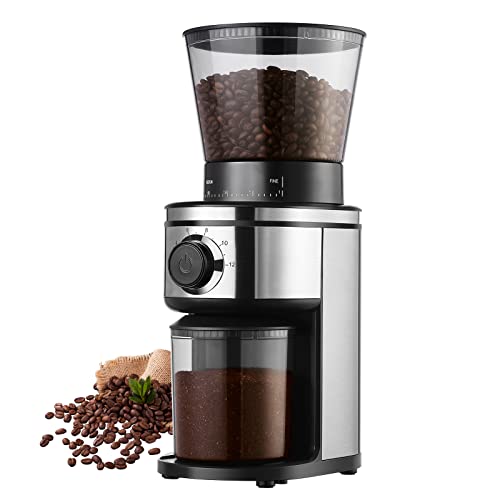
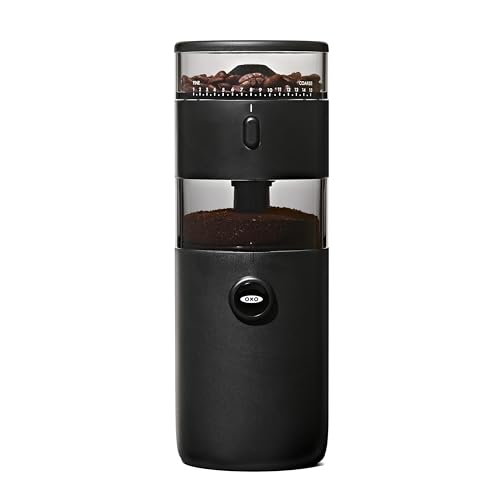
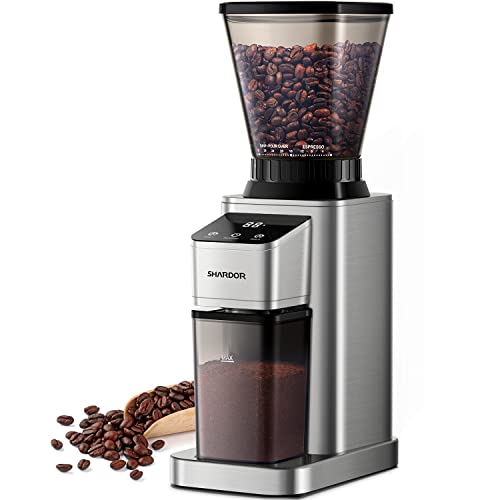
This guide helps you choose by household size, counter space, and budget rather than by brand names. You will learn which burr type fits your routine, what grind range drip brewing needs, and what ownership costs to expect. The product table sums up the main types.



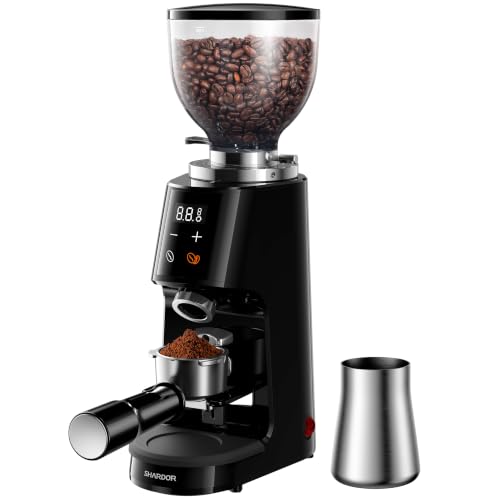
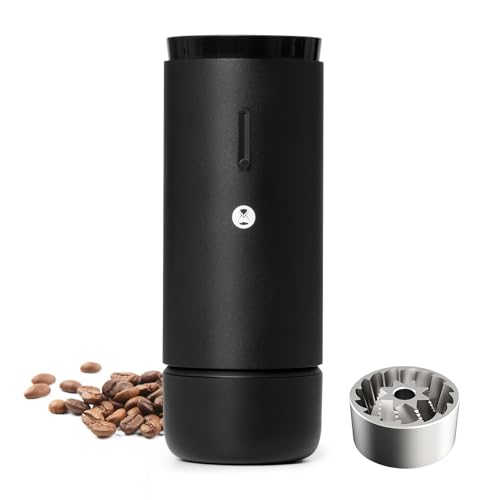
Quick Answer: What to Look for in 30 Seconds
For most homes, choose an electric burr grinder with clear medium settings, a dose size that matches your usual pot, and parts that are easy to clean. Burrs cut beans into more even pieces than blades, and even pieces extract at a similar rate in hot water. That even extraction gives drip coffee a sweet, clear flavor instead of sour and bitter notes in the same cup.
If you brew only a few cups and value quiet, a manual grinder or a compact electric model may fit better than a large hopper model. If you brew large pots every day, capacity and speed matter more. In every case, prioritize grind consistency, a useful range around medium, and simple cleaning over extra settings you will never use for drip brewing.
Before You Buy: A Quick Checklist for Drip Coffee
Which Type Fits Your Routine
The main choice is between blade and burr designs, and for drip coffee the difference shows up in the cup. A blade chops beans into uneven pieces, with fine powder mixed with coarse chunks, so some grounds overextract while others underextract. Burr designs crush beans between two surfaces at a set gap, which gives a far more even result. Our explainer on burr vs blade coffee grinder types covers that trade off in plain terms. For regular drip brewing, a burr model is the sensible default.
Burr Shape and Grind Consistency
Conical burrs sit one inside the other and tend to run quieter in compact home models, while flat burrs sit face to face and are often praised for very even particle size. For drip coffee, both shapes can work well, and consistency at medium settings matters more than the shape alone. What you taste is the spread of particle sizes, not the label on the box. Read the guide to conical vs flat burr grinder designs before you decide which shape suits your budget.
Grind Size Range for Drip Brewing
Drip brewers work best with a medium grind that feels like coarse sand, with adjustments on either side for taste. If coffee tastes sour and thin, try a slightly finer setting so water extracts more as it passes through. If it tastes bitter and harsh, try a slightly coarser setting and check your coffee amount. A grinder for drip use needs clear, repeatable steps around medium so you can return to the setting that worked, not a huge range built for other methods.
How Grind Works With Your Brewer
Your brewer, not your grinder, controls water temperature, and good drip brewing uses water at about 195 to 205 degrees. Grind size controls how much flavor that hot water can pull out in the time it spends in the basket, so the two work together. Match grind to filter shape as well, since flat bottom baskets and cone baskets flow at different rates. Keep the brewer clean and descale it on the maker schedule, because scale slows flow and can make a well ground batch taste dull.
Hopper Capacity and Household Size
Think about how much coffee your home brews on a normal day, not on the busiest holiday morning. A small household that brews about 4 to 6 cups can use a compact hopper or grind beans by dose, weighing beans for each pot. A larger household that brews 10 to 12 cups daily will save time with a bigger hopper and a dose that is easy to repeat. Storing a week of beans in a hopper is convenient, but beans stay fresher in a sealed container away from heat and light.
Counter Footprint and Storage
Measure the space under your cabinets before you shop, including room to lift the lid and pour in beans. Many home grinders need about 14 to 17 inches of clear height when the lid is open, and tall models can clash with low cabinets. Note depth and cord length too, since a grinder that sticks out or needs moving each morning will annoy you fast. If space is tight, look for a compact body and a grounds bin that slides in from the front.
Realistic Budget Ranges
Under about $50, expect mostly blade models and basic manual options, which can work for occasional brewing but give less even grounds. About $50 to $100 is where useful electric burr models for home drip use begin. About $100 to $250 often brings better burrs, clearer settings, quieter motors, and parts that are easier to replace. Above about $250, you mostly pay for finer adjustment and stronger build, which helps heavy daily use but is not required for a good pot.
Three Buying Profiles and What to Prioritize
Profile One: Most Homes Brewing Daily Pots
If your home brews a pot most mornings, prioritize an electric burr grinder with repeatable medium settings, a dose control you can set and forget, and a grounds bin that is easy to empty. You will value speed and low fuss more than a huge setting range. Look for a hopper that holds a few days of beans and a body that wipes clean when grounds scatter. This profile is the best burr grinder for drip coffee use in the broad sense: even grounds, simple controls, and steady results day after day.
Profile Two: Small Budgets and Small Kitchens
If you brew a few cups, live in a small space, or are buying your first grinder, prioritize low cost, small footprint, and simple cleaning over capacity. A compact electric burr model or a manual grinder can give you fresh grounds without taking over the counter. Accept a smaller hopper and fewer settings, but do not accept uneven grinding, since that limits drip flavor most. Choose a light model you will actually take out and use if you store it in a cabinet.
Profile Three: A Long Term Investment for Larger Households
If your home brews a lot of coffee and you plan to keep the grinder for years, prioritize durable burrs, a strong motor, and spare parts the maker sells openly. Replacement burrs, hopper lids, and grounds bins should be easy to order, because those parts decide how long the grinder stays useful. A larger footprint and higher price can make sense here, as long as controls stay clear for every adult in the house. Pay for build and support, not for modes meant for other brew methods.
How to Evaluate a Grinder for Drip Coffee
Judge each model on five points: grind consistency at medium settings, ease of use in a half awake morning routine, how simple it is to clean, build quality of burrs and motor, and the cost of parts over time. Spec sheets and verified buyer comments can help, especially notes about static and settings that drift. If you also shop for other brew methods, our broader guide to the best burr coffee grinder options explains how drip needs differ. Be wary of any model with no clear path to replacement burrs.
Living With It: What Really Matters at Home
Noise is the first thing families notice, because an electric grinder at dawn can wake a light sleeper in the next room. Grinding the night before is a last resort, since grounds lose aroma fast. Reading about the best manual coffee grinder styles shows why some small households prefer hand grinding for a few cups, even though it is slower for a full pot. For most homes, a solid lid and a motor that sounds smooth rather than strained will feel easier to live with.
Mess is the second daily factor. Fine grounds cling to bins and counters due to static, and dark roast beans can add oily residue that holds old flavor. A bin that seals to the body and a brush stored nearby help you keep the area tidy in seconds. Dose by weight when you can, so you grind only what the pot needs and your ratio stays easy to repeat.
Common Mistakes to Avoid
- Buying by setting count alone, when you only need clear and repeatable steps around a medium grind for drip pots.
- Choosing a grinder too tall for your cabinets, so you must pull it forward and tilt it to add beans each day.
- Storing beans in a sunny or warm hopper for weeks, which makes coffee taste stale even when the grind is correct.
- Ignoring the cost and supply of replacement burrs and bins, so a small crack or worn burr ends the life of the grinder.
- Changing grind size, coffee amount, and water amount all at once, so you cannot tell which change fixed or hurt the taste.
- Grinding oily beans in your main grinder without a full clean after, which leaves old flavors in the next pot.
Cost of Ownership and Care
Running costs are low, mostly a small amount of power, a brush, and burrs that wear after hundreds of pounds of beans for most home models. Budget for a replacement burr set and a new grounds bin over a long life, and check prices before you buy. Keep tools simple: a sealed canister, a soft brush, and a scale cover most daily needs.
For cleaning, empty the hopper, run the last beans through, unplug the unit, and brush grounds from the burr area and chute on the maker schedule. A deeper guide on how to clean a coffee grinder walks through safe steps for the burr chamber and bin. Wash only parts the maker marks as washable, let them dry fully, and never pour water into the motor body. Wipe the outside weekly and your grinder will stay fresh tasting.
Your Questions, Answered
What is the most reliable coffee grinder brand?
Reliability depends more on burr quality, motor design, and parts support than on a single brand name. Look for makers that sell replacement burrs, hoppers, and bins, publish clear care steps, and honor warranties without fuss. A simple model with good support will often outlast a complex model with no spare parts.
How do you clean a coffee grinder for drip coffee?
You clean a coffee grinder for drip coffee by unplugging it, emptying beans, and brushing loose grounds from the burrs, chute, and bin. Wash only removable parts the maker allows, dry them fully, and wipe the body with a dry cloth. One extra point is timing: clean soon after grinding oily dark roasts, because oil holds stale flavor and builds up faster than residue from medium roasts.
Is a coffee grinder worth it for drip coffee?
Yes, a coffee grinder is worth it for drip coffee if you now use pre ground coffee or a blade model and want a clearer, sweeter pot. Fresh grinding just before brewing keeps aroma in the cup, and even medium grounds help water extract flavor evenly. The gain is biggest when you also use a steady coffee to water ratio and fresh beans.
How long does a coffee grinder for drip coffee last?
A coffee grinder for drip coffee can last about 5 to 10 years in a typical home, depending on daily volume, bean oil, and care. Burrs dull slowly and are the main wear part, so a model with replaceable burrs has a longer useful life. A new point to watch is grind drift: if your usual setting starts to taste uneven, inspect the burrs before you blame the beans.
What should I look for in a coffee grinder for drip coffee?
You should look for even grinding at medium settings, clear setting steps you can repeat, and a size and dose style that fit your pot and counter. Add easy cleaning, a bin that contains mess, and replacement parts you can buy later. One factor many buyers miss is handling in dim morning light, so favor large, clear markings and a lid that locks without force.
What is the best coffee grinder for drip coffee?
The best choice is the burr grinder that fits your pot size, counter space, and budget while giving even medium grounds and simple care. For most homes that means an electric burr model with repeatable settings and good parts support, not the model with the most features. Use the product table to compare types against your profile. If two profiles fit, choose the one with easier cleaning, since daily care decides long term flavor.
Final Thoughts
A calmer morning and a better pot both start with even grounds, a setting you can repeat, and a grinder your household finds easy to clean and store. Match capacity to your real pot size, spend first on burr quality and parts support, and let taste guide small changes one step at a time. Review the product table against the profile that sounds like your home, and you will be ready to choose the best coffee grinder for drip coffee with confidence.
