Best Coffee Machine Cleaning Tablets: A First Time Buyer's Guide for 2026
Disclosure: We may earn a commission when you buy through links on this page, at no extra cost to you. As an Amazon Associate I earn from qualifying purchases. Learn more

Shopping for the best coffee machine cleaning tablets for the first time? Learn the terms, compare types, and avoid common mistakes with this easy guide.
If your coffee has started tasting flat or bitter even though the beans are fresh, the machine itself may be the problem, and cleaning tablets are the usual fix. This beginner friendly guide explains the best coffee machine cleaning tablets in plain terms, from what they dissolve to how often you should use them. You will finish knowing how to match a tablet to your machine type and how to avoid the mistakes new owners make.
Start with your machine manual, then use the product table to compare pack sizes and intended uses before you buy.




Coffee Machine Cleaning Tablets 101: The Basics
A cleaning tablet is a measured dose of cleaning powder pressed into a solid form that dissolves in hot water during a cleaning cycle. Its job is to strip away coffee oils and residue that build up on brew groups, valves, and internal paths where a cloth cannot reach. Those oils turn rancid over time, which is why neglected machines produce stale, harsh flavors.
Cleaning tablets are not the same as descaling products, and confusing the two is the most common beginner error. Cleaning removes oils and coffee residue, while descaling removes mineral scale from hard water, and most machines need both jobs done on different schedules. Some tablets are made for fully automatic espresso machines with a cleaning program, while others suit drip brewers or single serve machines. Always match the tablet type to the machine named on the pack.
Safety basics come first. Keep tablets sealed, dry, and out of reach of children and pets, and never treat them as food or drink for any reason. Run the full rinse the machine program calls for, and discard the cleaning solution rather than tasting it. If a tablet is swallowed or gets in eyes, follow the pack first aid directions and contact a medical professional or poison control promptly.
Cost per clean is the number worth checking before you buy. A larger pack usually lowers the price of each cycle, but only if you will use the tablets before they age in a humid drawer. Compare the cost of a monthly clean across a full year, and remember that one neglected machine repair costs far more than a year of tablets. If you are still choosing the machine itself, our overview of the best espresso coffee machines shows which styles include an automatic cleaning program.
Key Specs Explained in Plain English
Brewing Method and Coffee Style
Your machine type decides which tablet you need more than any other factor. Fully automatic espresso machines use tablets in a dedicated cleaning cycle that backflushes the brew group. Drip machines usually need a solution run through a normal brew cycle with the carafe in place, while single serve machines often use their own format. The makers listed in our guide to the best coffee machine makers publish approved cleaning steps for each model, so check there if your manual is missing.
Footprint and Countertop Fit
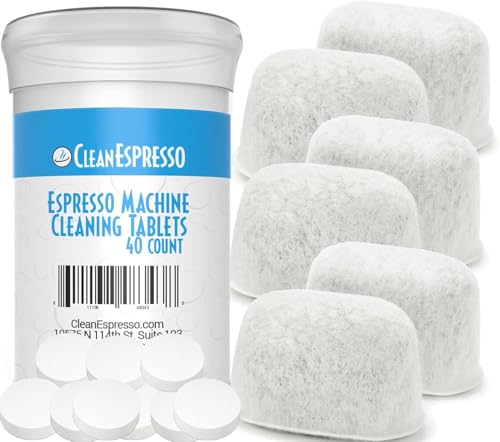
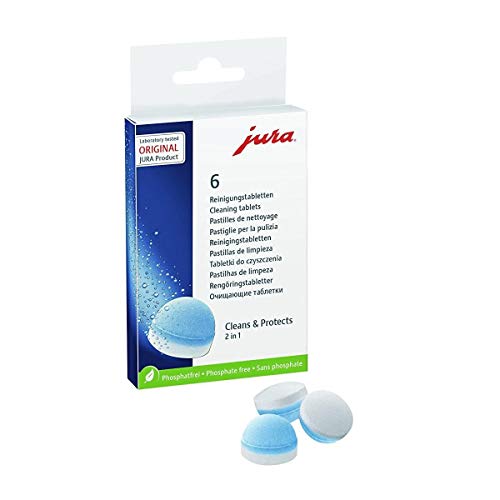
Tablets take almost no storage space, but pack size and packaging still matter in a small kitchen. A slim box of individually wrapped tablets stores neatly in a drawer and keeps each dose dry until use. Bulk tubs cost less per tablet yet can absorb moisture if the lid is left loose in a steamy kitchen. Store the pack away from food prep areas and clearly apart from anything edible, since the tablets can look like mints or candy to a child.
Brew Temperature and Extraction
Cleaning cycles run hot because heat helps the solution dissolve oils, and your machine handles that temperature automatically during its program. You do not set a cleaning temperature yourself, but you should let the cycle finish without interrupting power. For context, espresso extraction itself happens under about 9 bar of pressure, which forces water through fine passages that clog fastest with oil. That is exactly why internal cleaning matters more for espresso machines than for simple brewers.
Built In Grinder vs Pre Ground
If your machine has a built in grinder, know that brew cleaning tablets do not clean the grinder. Grinder parts need their own food safe cleaning pellets or a brush, a different product covered by our guide to the best coffee grinder cleaning tablets. Never put a brew tablet into the grinder chute, since it is dosed and shaped for water paths, not burrs. Machines fed with pre ground coffee still need regular tablet cleaning, because oils come from the coffee itself, not the grinder.
Capacity and Serving Size
For tablets, capacity means pack count and dose size rather than cups. A pack of 8 to 10 tablets suits a household that cleans monthly for most of a year, while heavy daily use or a large family machine may justify a bigger box. Check that each tablet matches the dose your machine program expects, since some compact machines use smaller tablets. Buying the right count also keeps stock fresh, because old tablets stored in humidity lose strength.
Rookie Mistakes to Avoid
- Using a cleaning tablet when the machine actually needs descaling, or the reverse, since the two products solve different problems.
- Skipping the rinse cycle, which can leave cleaning solution in the water path and ruin the next drinks.
- Buying espresso machine tablets for a drip brewer, or any tablet not listed as suitable for your machine type.
- Waiting for bad flavor before cleaning, because heavy oil buildup takes repeated cycles to remove.
- Storing tablets loose near food or within reach of children, instead of sealed in their original labeled pack.
Getting Started: Setup and First Use
Your first cleaning is simple if you prepare in order. First, empty the drip tray and grounds container, fill the tank with fresh filtered water, and place a large container under the outlets to catch the solution. Second, add the tablet exactly where the manual directs, which may be the brew group, a cleaning compartment, or the water tank, depending on design. Third, start the cleaning program and let it run fully, including every rinse.
After the cycle, wipe the shower screen and any removable brew parts, then brew and discard one plain drink to confirm the taste is clean. Note the date on your calendar, because tying cleaning to a monthly cue makes the habit stick. Owners of dedicated espresso gear can compare tablet formats in our guide to the best espresso machine cleaning tablets for a closer match.
Frequently Asked Questions
How often should I descale if I use a coffee machine cleaning tablet?
Descale every 1 to 3 months depending on your water hardness, separately from tablet cleaning. Tablets remove oils, while descaling removes mineral deposits, so one never replaces the other. Many machines track water use and prompt you when descaling is due. If your coffee flow slows or temperature seems low, scale is the likely cause rather than oil buildup.
How long does a coffee machine cleaning tablet usually last?
A single tablet is used up in one cleaning cycle and does not carry over to the next. In storage, sealed tablets generally stay effective for a year or more when kept dry and cool. Once a wrapper is opened, use that tablet promptly rather than saving half. If tablets feel soft or crumble from moisture, replace the pack so dosing stays accurate.
Is a coffee machine cleaning tablet enough for a machine with a built in grinder?
No, a tablet cleans only the wet brew path and leaves the grinder untouched. Built in grinders need brushing out and, where the maker allows, their own grinder cleaning pellets on a separate schedule. Grounds and oil collect around burrs and can stale new beans even in a freshly cleaned brew unit. Treat the two cleanings as a pair and your coffee stays consistent.
What grind size works best when using a coffee machine cleaning tablet?
Grind size does not affect the tablet, because cleaning runs with water and solution rather than coffee. For your normal brewing, keep the grind your machine was set up for, usually a medium fine range for espresso and medium for drip. If flavor stays poor after cleaning, adjust grind before blaming the beans. A clean machine makes grind changes far easier to judge.
Can I use regular coffee in place of a coffee machine cleaning tablet?
No, brewing regular coffee cannot clean the machine and actually adds more oil to the parts you are trying to clear. Running plain hot water helps rinse loose grounds, but it will not dissolve built up oils the way a formulated tablet does. Use water only cycles between proper cleans, not instead of them. Your manual cleaning interval is the schedule to trust.
Final Thoughts
Match the tablet to your machine type, keep cleaning and descaling as separate jobs, and run the full rinse every time. Those three habits protect flavor and extend the life of pumps, valves, and seals. Look back at the product table for pack sizes and formats, then choose the best coffee machine cleaning tablets option your manual supports, and set a monthly reminder so the first pack actually gets used on schedule.