Best Cleaning Tablets: A Home Care Guide for 2026
Disclosure: We may earn a commission when you buy through links on this page, at no extra cost to you. As an Amazon Associate I earn from qualifying purchases. Learn more
Compare cleaning tablets for washers, dishwashers, toilets, and bottles on use, safety, and value so you can keep appliances fresh with less effort.
Cleaning tablets dissolve in water to clean appliances and containers that are hard to scrub by hand, from washing machine drums to baby bottles. Best cleaning tablets match the appliance, dissolve fully, and clean without harsh residues, while staying safe to store and handle. The comparison table below gives a quick overview, while this guide explains types, use, and safety.
Tablets look interchangeable, yet a dishwasher tablet in a washing machine, or a toilet tablet in a bottle, causes poor results or damage. Each tablet type is formulated for a specific job, temperature, and water volume, so matching the tablet to the appliance matters more than brand. This guide keeps the choices clear.



Who Should Use Cleaning Tablets
Busy households suit cleaning tablets well, since a tablet and a cycle clean an appliance without scrubbing or measuring liquids. Washing machine owners use tablets to remove detergent build up and smells, while dishwasher owners use them to clear grease and limescale from sprays and filters. Bottle and flask owners use small tablets for narrow containers that brushes cannot reach.
Consider frequency too. Appliances used daily need cleaning monthly, while lightly used appliances need cleaning less often. A regular tablet routine prevents smells and build up, while waiting until problems appear makes cleaning harder and sometimes needs professional help.
Key Features Worth Comparing
Tablet Type and Appliance Match
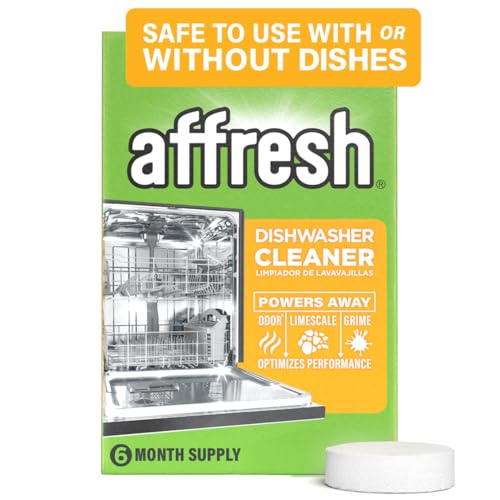
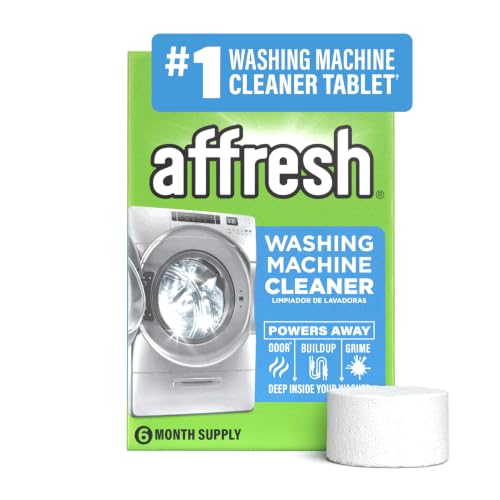
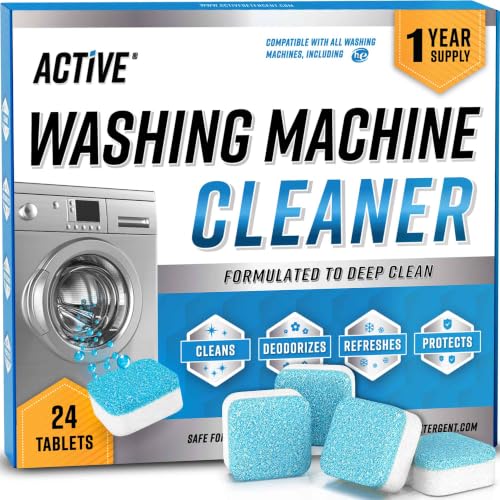
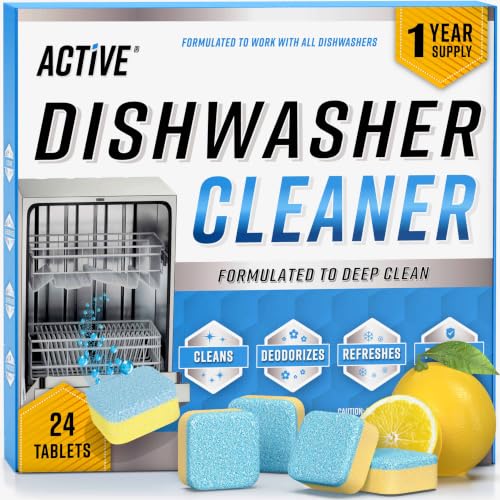
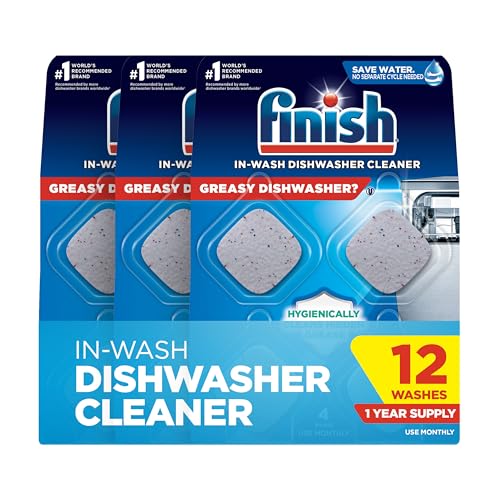
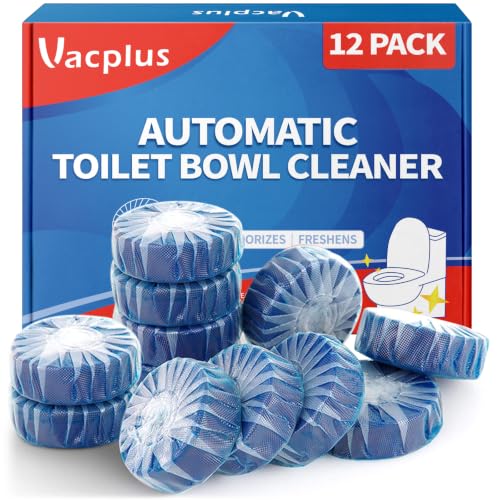
Washer tablets clean drums, seals, and pipes, removing detergent residue and musty smells from front loaders especially. Dishwasher tablets clean filters, sprays, and interiors, cutting grease and limescale that dull glasses. Toilet tablets clean bowls and cisterns, while bottle tablets clean narrow bottles, flasks, and sippy cups without scratching.
Never swap types casually. A tablet made for one appliance may foam excessively, leave residue, or damage seals in another, so read the label and use only the tablet type the maker specifies. When in doubt, choose the tablet made for that exact appliance, even if another tablet looks similar.
Dissolving, Residue, and Effectiveness
Dissolving matters for results. Tablets should dissolve fully in the cycle temperature, since undissolved pieces leave residue on drums, dishes, or bottles. Check the temperature guidance, and run the recommended cycle, since a quick cold cycle may not dissolve a tablet made for a hot maintenance cycle.
Residue and rinse matter for food contact items. Bottle and dishwasher tablets should rinse clean without taste or film, so run a full rinse where advised and inspect before use. If residue appears, run an extra rinse cycle and check the dose, since overdosing causes more residue, not cleaner results.
Safety, Storage, and Children
Safety starts with storage. Keep cleaning tablets locked away from children and pets, in original packaging with labels intact, since tablets look like candy to young children and can cause serious harm if swallowed. Never transfer tablets to unlabeled jars or food containers, and wash hands after handling.
Never mix cleaning tablets with other chemicals, especially bleach or acids, since mixing can release dangerous gases or damage appliances. Use one product at a time, follow the label exactly, and ventilate the room during cleaning cycles. If a tablet is swallowed or splashed in eyes, follow the label first aid and seek medical help promptly.
Best Cleaning Tablets by Appliance Type
Washer tablets suit monthly drum care, dishwasher tablets suit grease and limescale, toilet tablets suit bowl and cistern freshening, and bottle tablets suit narrow food containers. Descaling tablets differ from cleaning tablets, since they target limescale in kettles and coffee machines rather than grease and smells, so match the chemistry to the problem.
Related cleaning guides include best washer cleaning tablets, best dishwasher cleaning tablets, best toilet cleaning tablets, and best bottle cleaning tablets. Each guide covers dose, cycle, and safety for its appliance, so routines stay simple and safe.
Practical Checks Before You Buy
Before ordering, confirm the appliance type, the recommended cycle and temperature, and the pack size that matches your cleaning frequency. Check the label for septic safety where relevant, since some products suit septic systems better than others, and keep the receipt until a tablet has been tried in the appliance.
Set a simple routine, such as a washer tablet monthly and a dishwasher tablet monthly, and note the date on the pack. Regular small cleans beat rare deep cleans, and a steady routine keeps appliances fresh with little effort.
A Monthly Appliance Care Calendar
A monthly calendar keeps appliance care simple. Clean the washing machine in the first week, the dishwasher in the second, and bottles and kettles as needed through the month, so no appliance waits too long. Note each clean on the calendar, and the routine becomes automatic within a few months. Small regular cleans beat rare deep cleans every time.
Limescale areas need attention beyond tablets. Descale kettles and coffee machines on maker schedules, since limescale dulls taste and strains heating elements. Use descaling products made for each appliance, rinse thoroughly, and never mix descalers with cleaning tablets in one cycle. Targeted products solve targeted problems best.
Smell prevention beats smell removal. Leave washer doors ajar after cycles, wipe seals dry, and run maintenance cycles before smells appear, since established mold and odor need far more effort. Dishwasher smells often come from filters, so rinse filters weekly and clean them monthly. Prevention takes minutes, while cure takes hours.
Eco habits fit tablet routines well. Use the recommended dose only, since extra tablets waste product and leave residue, and choose larger packs to reduce packaging when storage allows. Run full loads and maintenance cycles together where sensible, and dispose of packaging responsibly. Effective cleaning and low waste go together easily.
Family routines share the work fairly. Teach older children to run a dishwasher clean or wipe a washer seal, and keep tablets locked away from younger children always. A shared calendar on the fridge makes appliance care visible, and a household that shares small tasks keeps machines fresh with little effort from anyone.
A cleaning log on the fridge door keeps the whole household on track. Note each appliance clean with a tick and date, so no machine waits months between cleans. Visible logs share responsibility fairly, and children enjoy ticking completed tasks, which turns appliance care into a small family habit rather than a forgotten chore.
Keep a small stock of each tablet type in a labeled box, so monthly cleaning never waits for a shop trip. Check stock quarterly and replace damp or damaged packs promptly.
Frequently Asked Questions
How often should I clean my washing machine with tablets?
A washing machine used daily should be cleaned with a washer tablet about once a month, since detergent residue and damp seals breed smells and mold. Lightly used machines can be cleaned every two months, while musty smells signal an overdue clean. Run the recommended hot maintenance cycle, wipe the seal after, and leave the door ajar to dry.
Can I use dishwasher tablets in a washing machine?
No, dishwasher tablets should not be used in a washing machine, since they are formulated for different temperatures, water volumes, and soils, and they may foam excessively or damage seals. Use only washer tablets in a washing machine and dishwasher tablets in a dishwasher. Matching the tablet to the appliance protects both cleaning results and the machine itself.
Are cleaning tablets safe for septic systems?
Some cleaning tablets are labeled safe for septic systems, while others are not, so check the label before use when your home uses a septic tank. Septic safe products break down without harming tank bacteria, while harsh chemicals can disrupt the system. When unsure, choose a labeled septic safe tablet and use the recommended dose only.
Why do cleaning tablets sometimes leave residue?
Cleaning tablets leave residue when the cycle is too cold or too short to dissolve them fully, or when too many tablets are used at once. Run the recommended cycle and temperature, use one tablet per clean, and run an extra rinse for food contact items. If residue persists, check water hardness and tablet age, since old damp tablets dissolve poorly.
How should cleaning tablets be stored?
Store cleaning tablets in their original labeled packaging, in a cool dry place locked away from children and pets. Never transfer tablets to unlabeled jars or food containers, since tablets can look like candy to young children and cause serious harm if swallowed. Wash hands after handling, and keep tablets away from bleach and acids.
Final Thoughts
The right tablet matches the appliance, dissolves fully at the recommended temperature, and rinses clean without residue. Use one type at a time, store tablets safely, and keep a simple monthly routine. The product table above recaps the main types, but the label on the pack guides every clean.
Choosing best cleaning tablets well keeps appliances fresh with little effort. Match, dose, rinse, and store safely, and the machines that serve daily will stay clean and reliable.