Best Coaxial Speakers: Buying Guide for Cars in 2026
Disclosure: We may earn a commission when you buy through links on this page, at no extra cost to you. As an Amazon Associate I earn from qualifying purchases. Learn more

Coaxial speakers put the tweeter inside the woofer for a compact car upgrade. Learn how size, power handling, and sensitivity shape sound before you buy.
A coaxial speaker mounts its tweeter in the center of the woofer, so one unit covers highs, mids and bass in a single factory sized opening. The best coaxial speakers for your car depend less on brand slogans and more on size, sensitivity and how much clean power your stereo or amplifier can deliver. This guide explains those points in plain terms so you can match a pair to your vehicle and your listening habits.
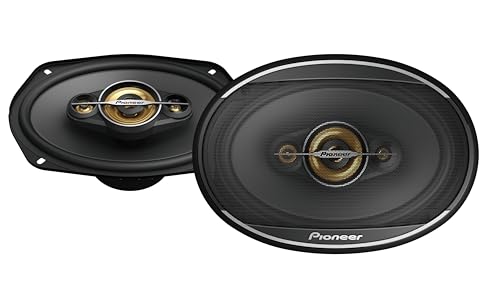
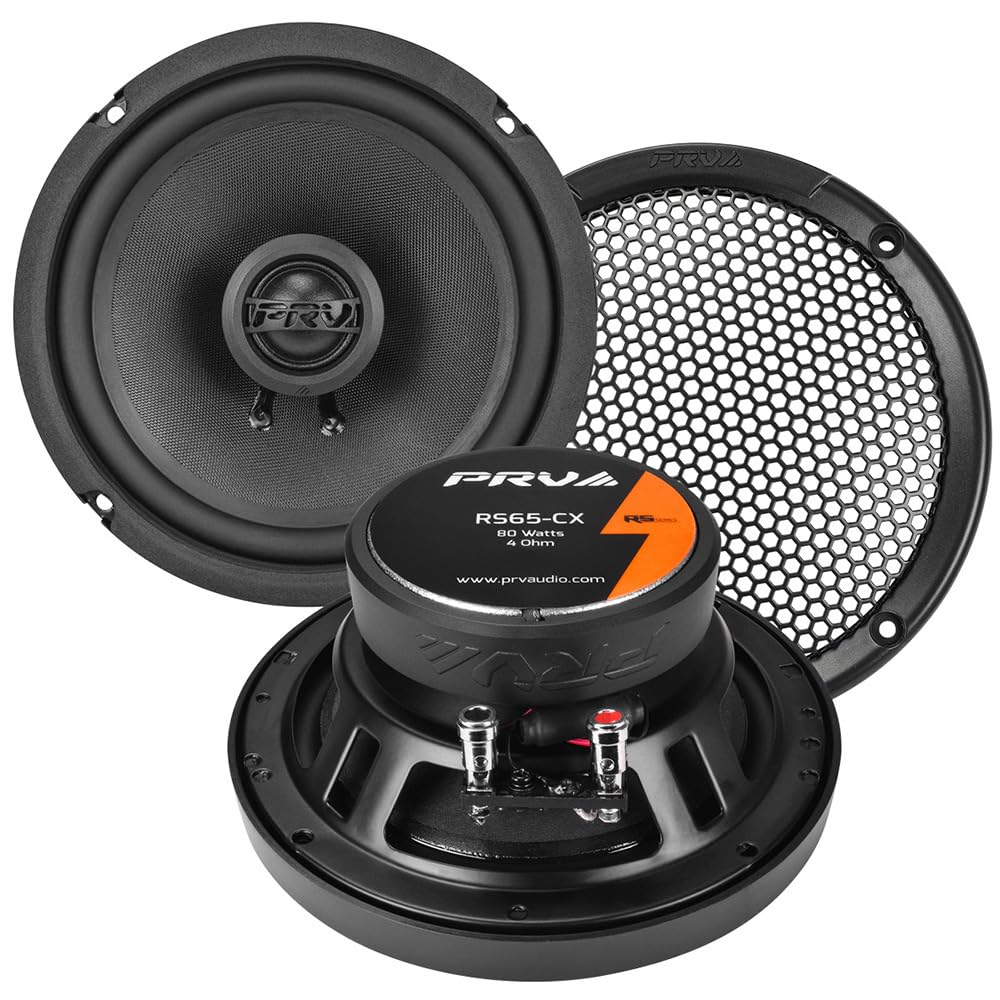
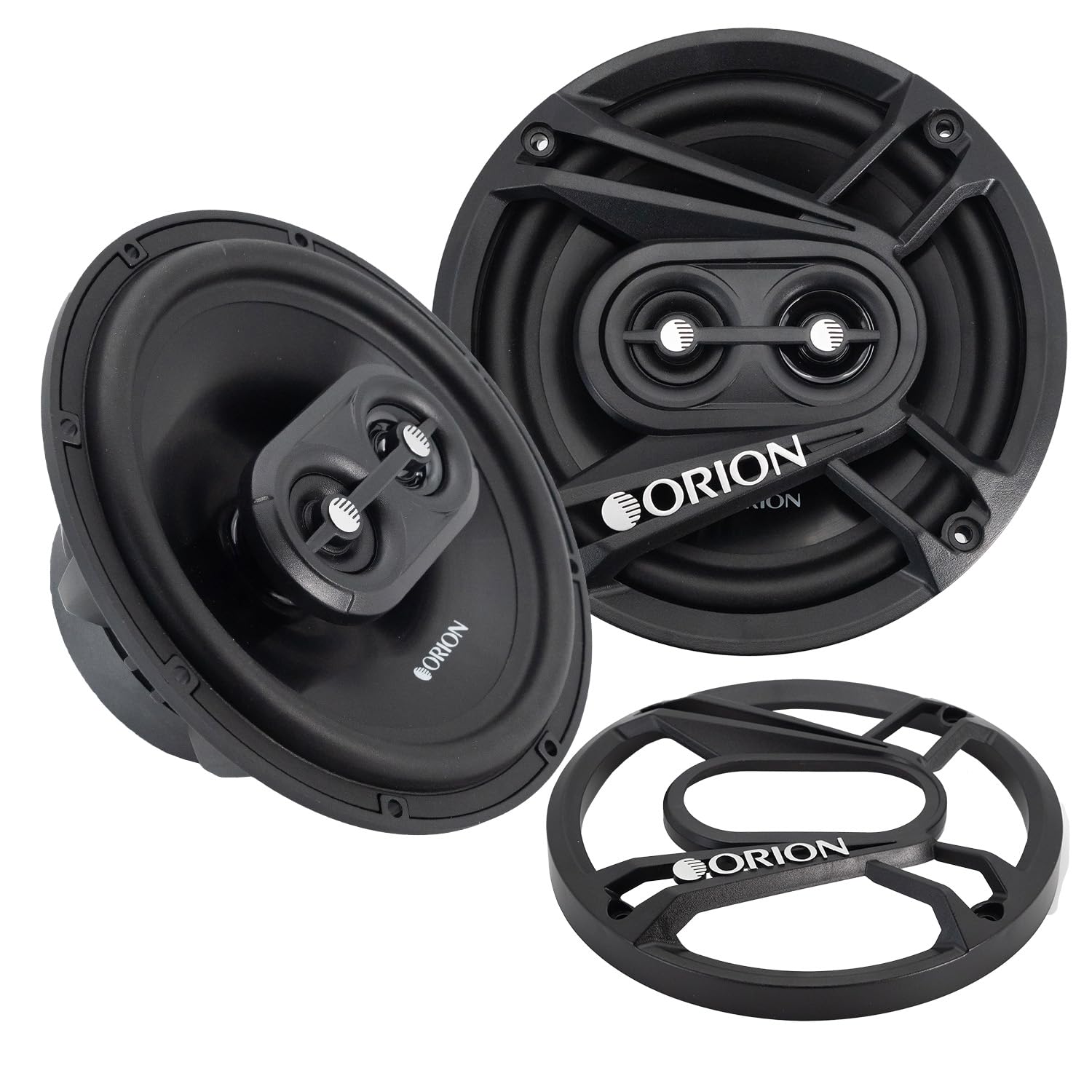
Because the tweeter and woofer share one frame, coaxial speakers drop into most factory locations without custom cutting. The trade off is that the tweeter position is fixed and cannot be aimed at your ears the way a separate component tweeter can. The product table below lists pairs in the common car sizes to compare.



Who Should Buy Coaxial Speakers
Factory Stereo Upgrades
If your factory speakers sound muddy, flat or crackly, a coaxial pair is often the simplest fix. You keep the factory wiring and mounting points, and the new tweeter restores the clarity that tired paper cones lost. Confirm the size and mounting depth for your doors before ordering.
Budget Conscious Listeners
Coaxial pairs cost much less than component sets and need no separate crossover boxes or tweeter pods. They suit drivers who want clearer vocals and tighter bass without rebuilding the whole system, and they pair well with a small amplifier added later.
Sizes and Fit
Cars use a handful of standard openings: small round (around 4 inch), 5.25 inch, 6.5 inch round, and oval 6 x 9 inch. Which one your car takes depends on the model, trim and sometimes the door, so check a fit guide for your exact year and audio package. Our guides to the best car coaxial speakers and the best 6x9 coaxial speakers go deeper on the most common choices.
Diameter is only half of the fit. Measure the depth behind the opening and check that the window can travel past the magnet when it is fully lowered. Adapter rings fix a diameter mismatch, but they cannot fix a speaker that is too deep for the door. Other sizes, such as 6x8 inch and 5x7 inch openings, appear on some trucks and older cars, and they are worth checking before you assume a round pair will work.
Specs That Shape the Sound
Sensitivity and Power Handling
Sensitivity tells you how loud a speaker plays on a given amount of power. A high sensitivity pair is the better partner for a factory stereo, which only has a few watts to give, while a low sensitivity pair needs an amplifier to reach the same volume. Look at RMS power handling rather than peak numbers. RMS describes the continuous power a speaker can take cleanly, while peak figures describe brief bursts and make the box look more impressive than it is.
Cone and Tweeter Materials
Polypropylene cones sound smooth and shrug off moisture, which suits door mounting. Treated paper cones can sound warmer but age faster in damp doors. Silk dome tweeters usually sound softer, and metal or ceramic domes sound brighter and more detailed. Bright tweeters can tire your ears on long drives, so pick the character you can live with every day.
Bass Expectations
Bigger cones move more air, so a 6 x 9 pair reaches lower than a small round pair. Even so, door speakers are not subwoofers. If you want deep, rumbling bass, look at coaxial speakers for bass or add a separate subwoofer, and let the coaxials focus on vocals and detail.
Installation Details That Matter
- Sound deadening: a patch of damping material on the door skin stops panel rattle and often improves bass more than a pricier speaker.
- Foam or sealing rings: they direct sound into the cabin instead of the door cavity.
- Wiring adapters: a plug in harness avoids cutting factory wires and makes a later swap easy.
- Tight, even screws: a loose mount rattles and makes a good speaker sound cheap.
- Break in: give the speakers some listening hours at moderate volume before judging their sound.
Mistakes Worth Avoiding
When you compare the best coaxial speakers, do not chase peak wattage. A speaker with a huge peak number but low sensitivity can sound quieter than a modest one with high sensitivity. Do not push a factory stereo into distortion to make up for weak speakers: clipping damages tweeters faster than clean power ever will, so lower the volume or add an amplifier instead. Finally, do not skip the depth measurement, because a door panel removed twice is the most common cost of a rushed order.
Frequently Asked Questions
What size coaxial speakers fit my car?
Most cars take a round 5.25 or 6.5 inch pair in the front doors and oval 6 x 9 inch pairs in the rear deck, but it varies by model. Use a fit guide for your exact year and trim, then measure depth and window clearance yourself.
Do coaxial speakers need an amplifier?
Not always. A high sensitivity pair runs well from a factory stereo. An amplifier adds clean headroom, which means louder music with less distortion, and it becomes worthwhile when your music distorts at the volume you enjoy. Keep amplifier output within the speaker's RMS range.
Are coaxial speakers worse than component speakers?
Component sets image better because their tweeters mount higher and aim at the listener. Coaxials trade some of that for easy installation and lower cost, and in a noisy car cabin many people find the difference modest.
What does RMS power mean?
RMS is the continuous power a speaker can handle during normal playback. Match your amplifier's RMS output to the speaker's RMS range and treat the peak number on the box as marketing.
Can I install coaxial speakers myself?
Many drivers do. You need basic hand tools, trim removal tools and a wiring adapter. Disconnect the battery first, take photos before removing panels, and work slowly with plastic clips.
Final Thoughts
Match size and depth first, then sensitivity, then the sound character you enjoy, and use the product table above to compare pairs. A well fitted pair on clean power beats an expensive pair forced into the wrong door. The best coaxial speakers for you are the ones that fit, suit your stereo and sound good on your daily commute.