
Best 6x8 Coaxial Speakers for Every Need: How to Pick the Right One for 2026
Disclosure: We may earn a commission when you buy through links on this page, at no extra cost to you. As an Amazon Associate I earn from qualifying purchases. Learn more

A use case guide to the best 6x8 coaxial speakers: match driver design, power handling and fit to daily driving, first cars and amplifier builds.
There is no single right answer when you shop for coaxial speakers, because the pair that suits a quiet sedan on factory power is wrong for a loud truck with an amplifier. Coaxial simply means the tweeter sits in the center of the woofer, which keeps the install simple and the cost sane. The best 6x8 coaxial speakers for you depend on your power source, your cabin and how you listen, and this guide sorts the choice by use case first.
Start with the comparison table below to see the spread of designs and prices, then use the sections that follow to match a type to your driving. A few minutes spent on fit and power matching now saves the classic mistake of buying speakers your radio cannot drive or your door cannot swallow.


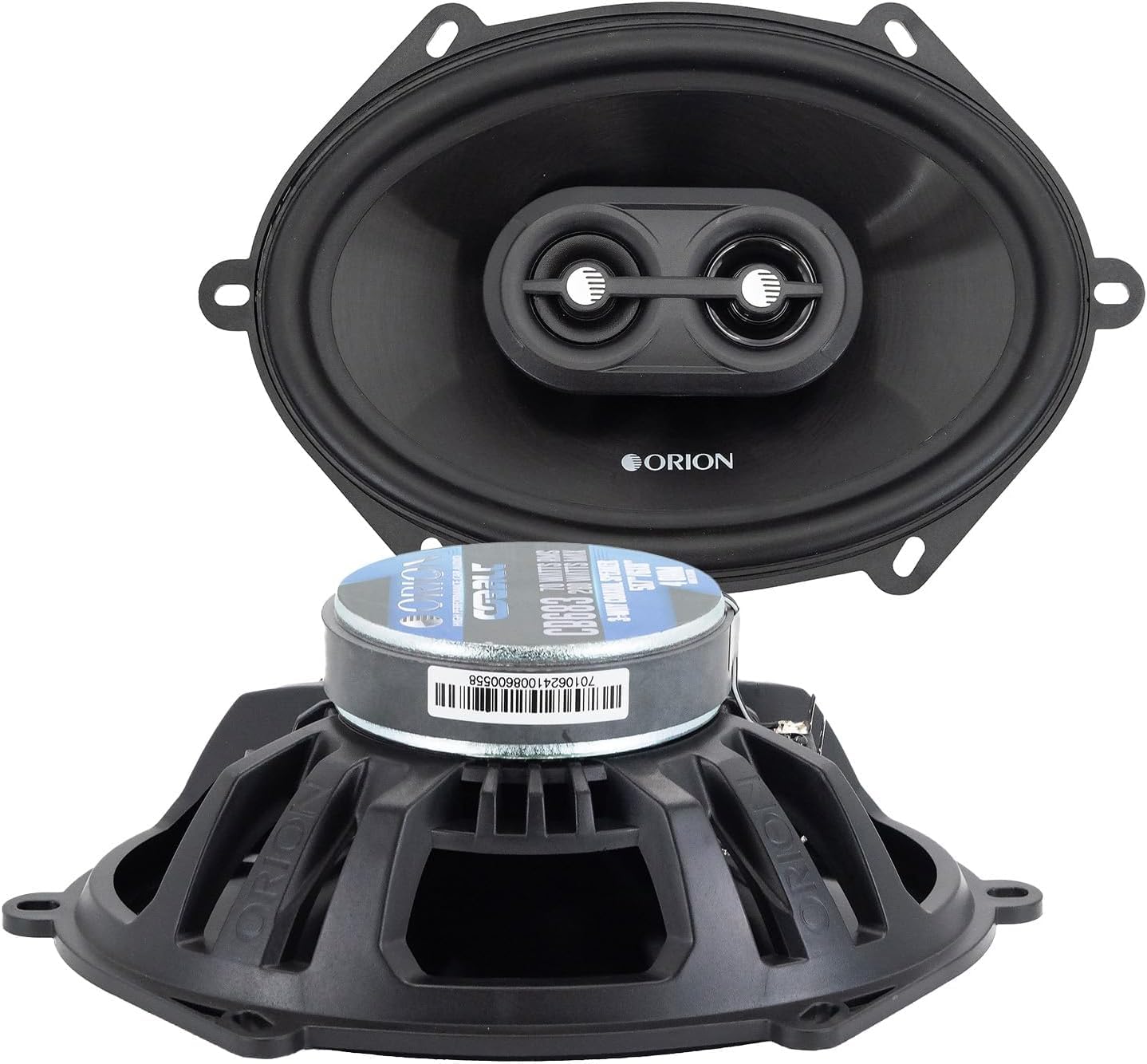


Who Should Buy the Best 6x8 Coaxial Speakers?
Three driver profiles cover most purchases. Find yours, note the priorities, and the rest of the guide will make quick sense.
For Students and Everyday Users
If this is a first car or a daily runabout, prioritize value, durability and easy installation. Choose a two way coaxial pair with high sensitivity, around 90 dB or more, so a factory radio drives it to healthy volume without strain. Rubber surrounds and treated cones matter more than exotic tweeter materials at this level, because the pair must survive wet doors and hot summers on a student budget. Skip three way and four way designs with extra tiny drivers, since on this frame size they add harshness rather than detail. Your money goes furthest on a simple, well built two way pair.
For Commuters and Long Distance Drivers
Hours at highway speed change what matters. Road and wind noise mask bass and push you to raise the volume, so you need speakers that stay clean when played louder for longer. Look for silk or soft dome tweeters, which stay smooth on voices and podcasts, and cones stiff enough to keep midrange clear under power. Heat tolerance in the voice coil is a quiet virtue here, because a coil that overheats on a long drive fades and distorts. Pair your choice with basic door deadening and the whole cabin gets calmer, which helps every genre.
For Drivers Planning an Amplifier Upgrade
If an amplifier is coming later, buy speakers that can grow. That means RMS ratings comfortably above factory levels, crossovers with real components rather than a single capacitor, and terminals that accept proper gauge wire. A coaxial pair with a pivoting tweeter also helps, because you can angle treble toward your ears instead of firing it at your ankles. Buy once at this level and the speakers stay in the car through two or three rounds of electronics upgrades. Our guide to the best 6x8 speakers covers the wider size range if you are comparing coaxial against component layouts.
Key Features to Compare
Five features decide how a coaxial pair performs in your car. Each one below is tied to a real listening situation, so you can weigh them against your own driving.
Sound Quality and Tuning
Tone in a coaxial speaker comes from the partnership between cone and tweeter. A stiff, light cone keeps vocals and guitar clear, while the central tweeter handles the sparkle. Because the tweeter fires from low in the door, soft dome materials usually sound more natural than hard metal at this mounting height. Check the crossover point if it is published, since a well chosen blend avoids a hole in the upper midrange where voices live. If tone is your top priority, our guide to the best sounding 6x8 car speakers focuses on exactly that quality across this size.
Power Handling and Sensitivity
Read these two specs together. Sensitivity tells you loudness per watt, which rules your life on factory power, and RMS handling tells you the continuous power the speaker accepts, which rules your life with an amplifier. A high sensitivity pair with modest RMS suits a stock radio, while a lower sensitivity pair with high RMS only wakes up on amplifier power and sounds dull without it. Mismatching in either direction disappoints: the first distorts when you upgrade, the second underwhelms from day one. Match the pair to the power you actually have or firmly plan to buy.
Fit, Depth and Mounting
The 6x8 footprint is standard, but depth is not. Measure behind your current speaker to the window glass at its lowest point, then compare with the mounting depth on the specification sheet, leaving a few millimeters of safety. Some doors need a spacer or adapter plate, which also moves the cone closer to the grille, so check front clearance too. If your doors are the destination, our guide to the best 6x8 door speakers goes deeper on door specific fitment. A dry fit before you route wires saves the frustration of a finished install that stops the window.
Tweeter Design and Aim
The tweeter is where coaxial designs differ most. Fixed tweeters are simple and rugged, while pivoting or angled tweeters let you aim treble upward, which compensates for low door mounting. Material shapes tone: silk is smooth, polyetherimide is a durable middle ground, and metal domes are bright and detailed but can glare on poor recordings. Some designs add a small level switch on the tweeter, useful when the speaker sits close to reflective glass. If your doors mount speakers very low, aimable tweeters are worth real money, often more than a fancier cone.
Materials, Sealing and Bass Response
Bass from a 6x8 cone is limited by physics, so honest expectations matter. A rigid cone, a healthy magnet and a sealed mount against the door panel extract what low end the size can give, and a foam ring between speaker and panel stops air leaks that thin the sound. Rubber surrounds keep cone movement controlled for years, while foam surrounds soften and crumble. If deep bass is a priority rather than a bonus, plan a small subwoofer later and let the coaxials handle clarity. Our guide to the best 6x8 speakers for bass explains how to get the most low end from this footprint.
Common Mistakes to Avoid When Buying 6x8 Coaxial Speakers
- Shopping by peak watts, which describe a burst and tell you nothing about music, instead of RMS ratings and sensitivity.
- Ignoring mounting depth, then discovering the magnet blocks the window glass only after the door is apart.
- Buying extra driver counts, such as three way or four way layouts, that cram tiny tweeters onto a small cone and sharpen treble without adding clarity.
- Forgetting the install extras, including harness adapters and sealing foam, then wondering why the new speakers sound thinner than expected.
- Skipping the warranty check, because door speakers face moisture, and cover terms reveal how confidently a maker seals its design.
Care and Maintenance Tips
Coaxial speakers ask for little, but a few habits extend their life. Keep the door drain holes clear so water never pools around the lower edge of the speaker, and refit the factory water shield or a baffle if it was removed during installation. Once a year, play a familiar track at moderate volume and listen for buzzes that signal a loosening mount or a tiring surround, then tighten screws gently. Wipe dust from the grille area with a soft brush rather than spraying cleaner into the panel. If you later add an amplifier, recheck the gain setting, because overdriving is the fastest way to cook a voice coil.
6x8 Coaxial Speakers: Your Questions Answered
Is sound deadening worth the extra cost?
Yes for most doors and rear decks. Deadening the outer skin and sealing the speaker to the panel cuts rattles and tightens midbass, often improving sound more than moving up one speaker price tier.
Coaxial or component: which sounds better?
Component sets give better imaging because the tweeter mounts higher, but they cost more and take longer to install. Coaxial pairs are simpler, cheaper, and the right choice for most factory upgrades.
How do I protect speakers from door moisture?
Choose treated or polypropylene cones and rubber surrounds, keep door drain holes clear, and fit a foam baffle or the factory water shield behind the speaker so rain running down the glass does not reach the cone.
Will 6x8 coaxial speakers fit my car?
They fit if your vehicle has 6x8 or 5x7 openings and the depth clears the window track. Check a fitment guide for your exact year and trim, then compare the speaker depth with the space behind your current unit.
What sensitivity should I look for?
Aim for about 90 dB or higher if you run factory power. Each small increase in sensitivity makes a real difference, so a 93 dB pair plays noticeably louder than an 87 dB pair from the same head unit.
Wrapping Up
Match the pair to your life: high sensitivity and simple build for everyday cars, smooth tweeters and heat tolerance for long commutes, and real RMS headroom if an amplifier is coming. Then confirm depth, seal the mount and ignore peak watt claims. For a broader view of designs beyond coaxial, our guide to the best coaxial speakers compares the layout across sizes. Check your profile against the product table above, and the best 6x8 coaxial speakers for your car will be the pair that fits your power, your doors and your ears.


