Best Comfort Tires 2026: Quiet and Smooth Ride Guide
Disclosure: We may earn a commission when you buy through links on this page, at no extra cost to you. As an Amazon Associate I earn from qualifying purchases. Learn more

Choose the best comfort tires for a quiet, smooth ride by tread design, noise, sidewall height and wet grip, plus upkeep that preserves comfort.
Choosing the best comfort tires is about how a tire absorbs bumps, controls road noise, and keeps steering calm on daily roads. A comfort focused tire uses a softer tread compound, a flexible sidewall, and a tread pattern designed to reduce vibration, but those choices can affect handling and tread life. The right tire balances smoothness with safe braking and stable cornering for your car and driving style.
The comparison table below outlines the main comfort tire styles, and the sections that follow explain how to judge them. You will learn how tread design affects noise, why size matters, and which maintenance habits preserve a quiet ride.

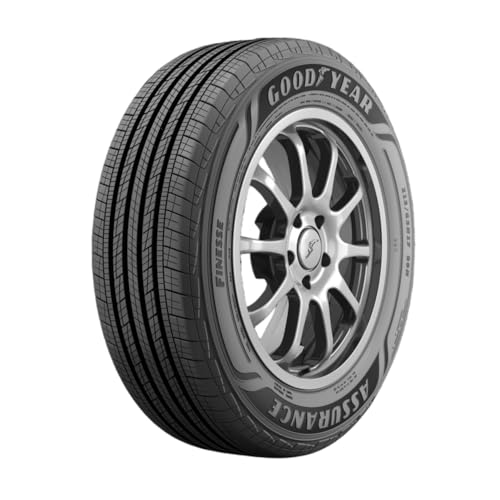

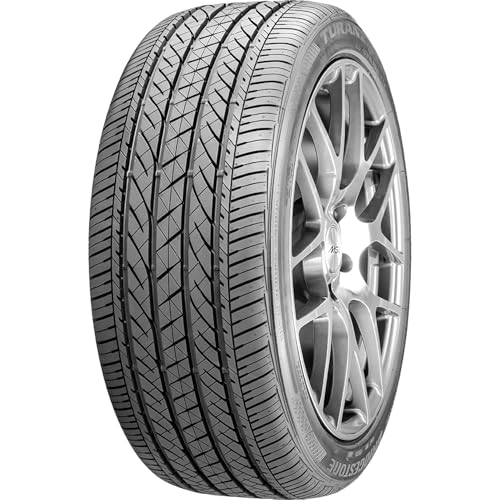


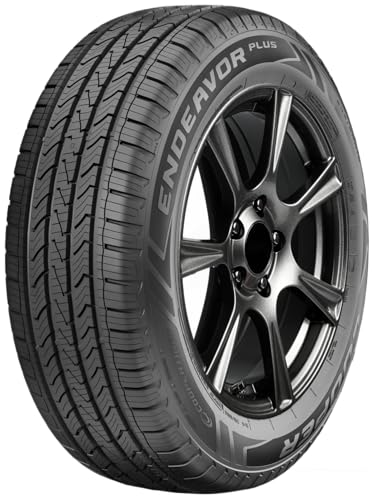

Who Should Choose the Best Comfort Tires
Comfort tires suit drivers who prioritize a quiet cabin, smooth highway cruising, and less fatigue on long commutes. They are a good fit for family cars, sedans, and SUVs used mainly on paved roads, where ride quality matters more than sporty handling or off road grip. If you drive mostly on smooth highways, comfort tires can transform daily driving.
Drivers who tow heavy loads, drive aggressively on winding roads, or use rough unpaved surfaces may need a different tire priority. Comfort tires can still work, but handling and durability trade offs become more noticeable under those demands. Match tire choice to your usual roads, not to an occasional trip.
Think about your car suspension and cabin noise too. A car with firm suspension benefits more from a comfort tire, while a car with soft suspension may feel less precise with a very soft tire. Balance tire softness with your car character for the best overall feel.
Tread Design, Noise, and Ride Quality
Tread design affects noise through pattern pitch and groove shape. Varied pitch patterns break up sound waves, while closed shoulders reduce noise from the tire edge. A tire designed for quiet running often uses smaller tread blocks and a continuous center rib for smooth rolling.
Ride quality depends on sidewall flexibility and tread compound. A flexible sidewall absorbs small bumps, while a softer compound grips and damps vibration. Both can improve comfort, but very soft sidewalls may feel less precise during quick steering changes, so check handling as well as smoothness.
Wet grip should not be sacrificed for comfort. Check wet braking and handling ratings, because a quiet tire that struggles in rain is a poor trade. Comfort and safety can coexist, but only if you compare wet performance alongside noise and ride ratings.
Size, Load, and Seasonal Considerations
Tire size affects comfort strongly. A taller sidewall, from a smaller wheel and larger tire profile, usually rides softer than a low profile tire on a large wheel. If comfort is your priority, avoid upsizing wheels without considering the ride impact, because a stylish larger wheel can make daily roads feel harsher.
Load rating must match your vehicle and typical load. A tire rated too low for your car or cargo can wear unevenly and handle poorly, while a correctly rated tire maintains shape and comfort under load. Check the vehicle placard for size and load requirements before you shop.
For comfort and noise focused options, compare best tire for comfort and noise and best quality tire for general quality trade offs. Winter focused buyers should check best tires for winter and best tire for snow, because winter compounds and tread patterns differ from comfort summer designs.
Maintenance, Replacement, and Safety
Maintenance preserves comfort. Keep pressures at the vehicle recommended level, rotate tires on schedule, and check alignment if wear looks uneven. Underinflation increases noise and wear, while overinflation can make the ride harsher and reduce grip.
Replace tires when tread depth reaches the legal minimum, when age or cracking appears, or when noise and vibration increase suddenly. A tire that suddenly becomes loud may signal uneven wear, damage, or a suspension issue, so inspect it promptly rather than ignoring the change.
Always replace tires in pairs or sets where recommended, and match size and load ratings across an axle. Mixing very different tires can affect handling and braking, especially in wet conditions. If you are unsure about fitment, ask a tire professional before purchase.
Getting More From Your Choice
Think about the roads you drive most, because smooth highways, rough city streets, and rural lanes stress tires differently. A comfort tire that feels superb on a highway may feel less composed on potholed streets, where sidewall strength matters more. Note your daily roads and choose a tire that balances smoothness with durability for those surfaces, rather than optimizing for a road you rarely use.
Correct pressure is essential for comfort, safety, and tread life. Check pressures monthly with a reliable gauge while the tires are cold, and adjust for heavy loads such as holiday luggage. A pressure monitoring system helps, but it may only warn after pressure has already dropped, so it does not replace manual checks.
Treat rotation and alignment as comfort maintenance, because uneven wear creates the noise and vibration that comfort tires are meant to reduce. Rotate on the maker schedule and have alignment checked after a hard pothole or curb strike. Early correction stops uneven wear from becoming permanent.
Climate matters too. All season comfort tires are a compromise, while dedicated winter tires grip better in snow and dedicated summer tires handle heat better. Choose for your climate extremes, not just the average weather. Finally, remember that tires are sold by size, such as the numbers printed on your current sidewall and door placard, so confirm the exact size for your car before you order any pair from the table above.
Frequently Asked Questions
Do comfort tires really reduce road noise?
Yes, comfort tires use tread patterns and compounds designed to reduce noise and vibration, especially on smooth highways. The difference is most noticeable at steady cruising speeds, but tire noise also depends on road surface and vehicle insulation. Try them on your usual roads if possible.
Will comfort tires affect handling?
Comfort tires may feel less sharp during quick steering than sport tires, because softer sidewalls flex more. For normal daily driving, the difference is modest and often worth the smoother ride. If you drive aggressively on winding roads, prioritize handling alongside comfort.
What tire size is best for comfort?
A taller sidewall usually rides softer, so a smaller wheel with a higher profile tire often feels more comfortable than a large wheel with a low profile tire. Check your vehicle placard for approved sizes, because changing size affects speedometer accuracy and clearance.
How long do comfort tires last?
Tread life depends on compound, driving style, alignment, and maintenance, with softer comfort compounds sometimes wearing faster than harder touring compounds. Regular rotation, correct pressure, and alignment checks help maximize life. Check tread depth regularly, not just age.
Should I choose comfort tires for winter?
Comfort tires designed for summer or all season use may not grip well in snow and ice, even if they ride quietly. For cold climates with regular snow, choose a winter tire with appropriate tread and compound. Comfort and winter grip are separate priorities that need separate choices.
Final Thoughts
Prioritize tread design for noise, a sidewall height that suits your roads, and wet grip that keeps comfort safe. Maintain pressure, rotation, and alignment to preserve a quiet ride over the tire life.
With those checks, best comfort tires can make daily driving calmer and less tiring. The product table above can help you compare comfort styles before you buy.