
Best 6x9 Coaxial Speakers: A First Time Buyer's Guide for 2026
Disclosure: We may earn a commission when you buy through links on this page, at no extra cost to you. As an Amazon Associate I earn from qualifying purchases. Learn more

Shopping for the best 6x9 coaxial speakers for the first time? Learn the terms, compare options, and avoid rookie mistakes with this easy guide.
If your factory speakers sound muddy and you have never replaced a car speaker before, a 6x9 coaxial pair is the friendliest upgrade you can buy. This guide walks you from the basic terms to a confident purchase of the best 6x9 coaxial speakers for your car and budget. No jargon without an explanation, and no steps skipped.
By the end you will know what the spec sheet numbers actually mean, which ones matter for a stock radio, and which rookie mistakes waste money. Keep the comparison table below open as you read, and check each model against the plain English rules in the specs section.



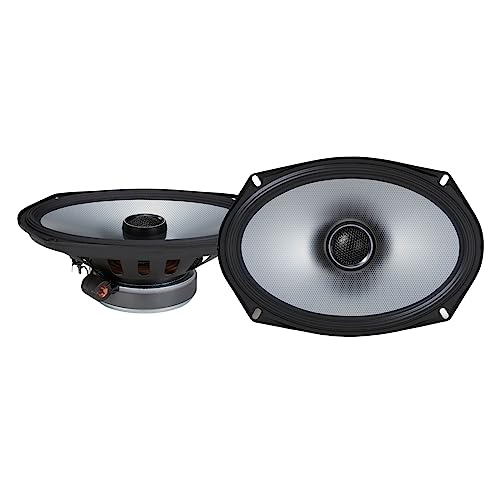
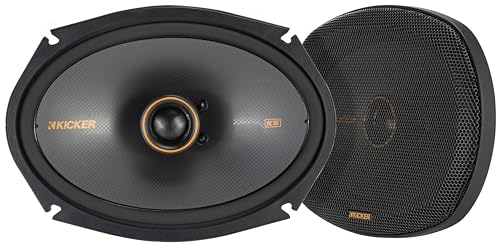
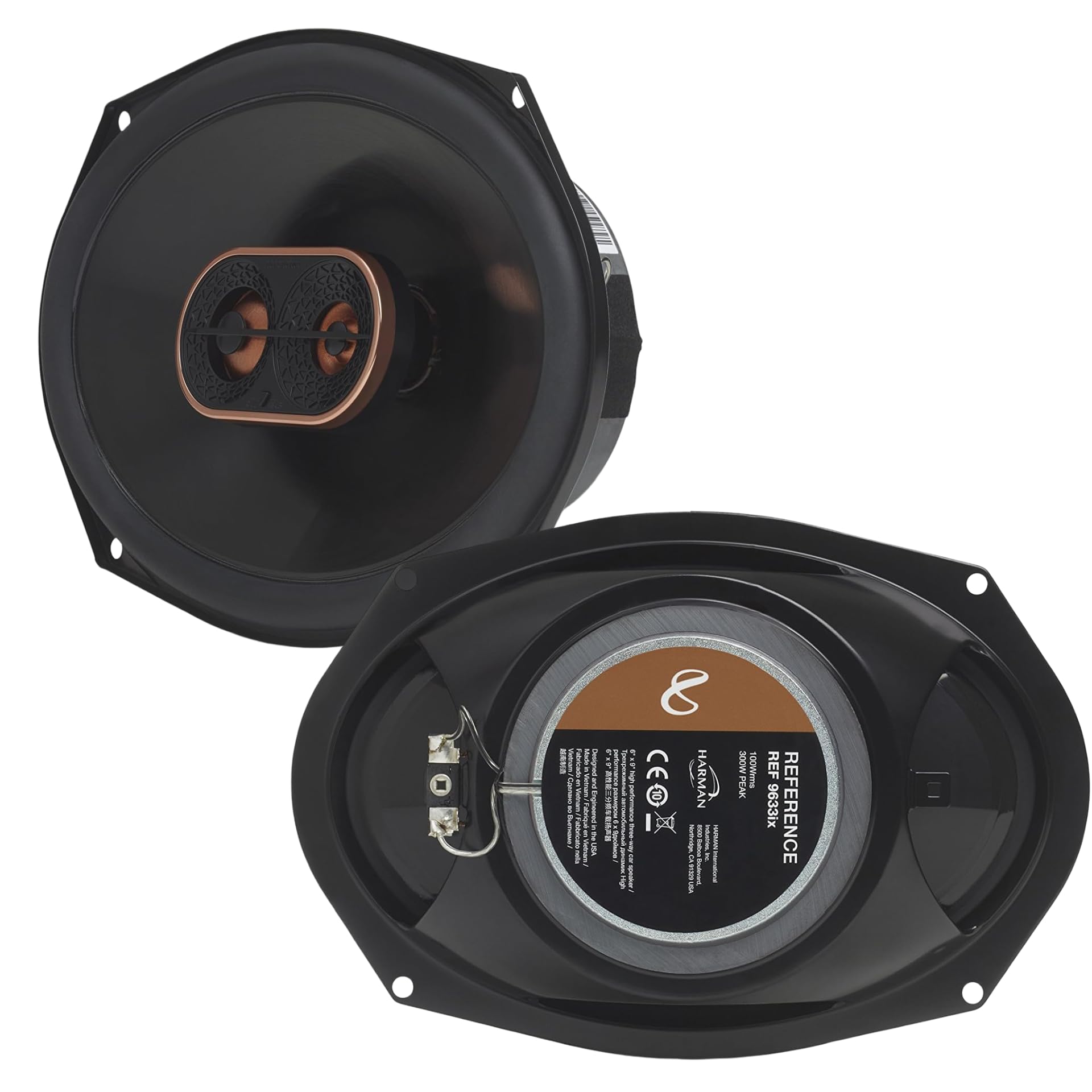

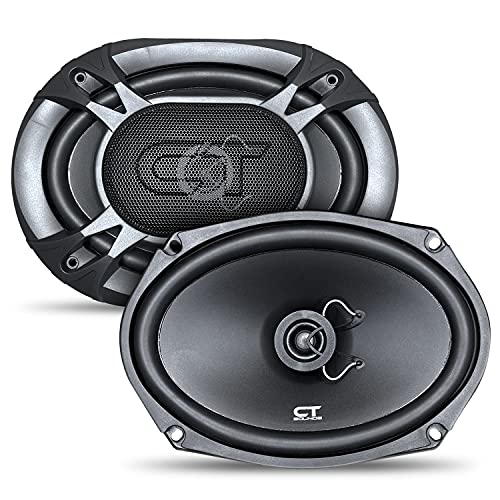
6x9 Coaxial Speakers 101: The Basics
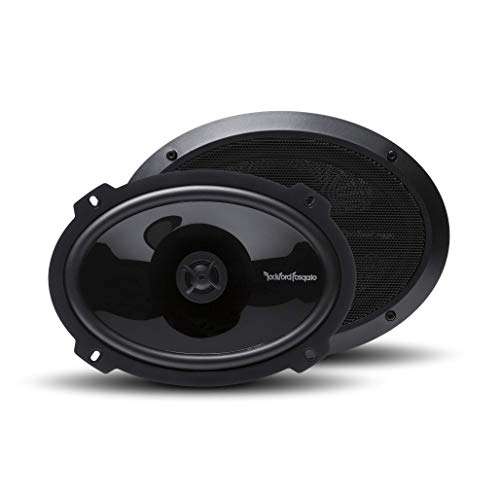
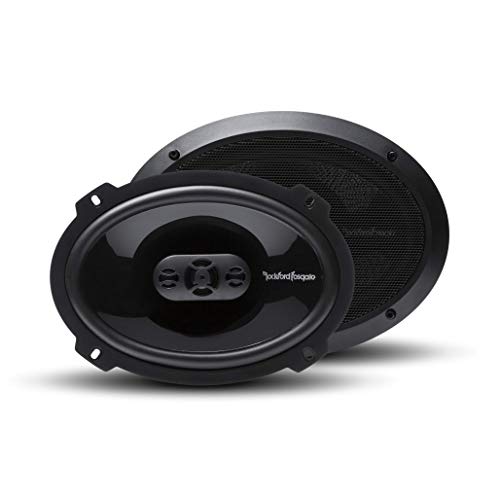
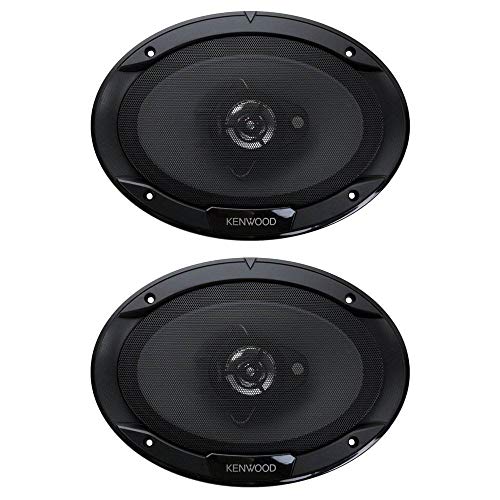
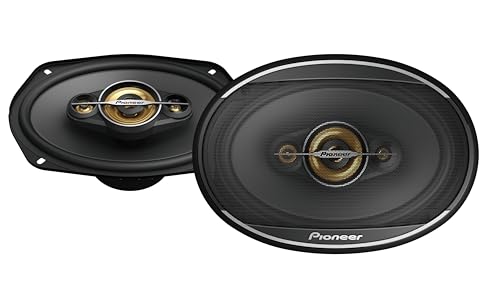
The name tells you two things. The 6x9 part is the size: an oval speaker about 6 inches by 9 inches, a common factory size in rear decks and some doors. The coaxial part means the small tweeter, which plays high notes, sits in the center of the larger woofer, which plays voices and bass. Because both drivers share one frame, a coaxial speaker drops into the factory hole as a single unit with one pair of wires.
You will see two way and three way versions. A two way design has a woofer and one tweeter, while a three way adds a small midrange driver for extra vocal detail. More drivers do not automatically mean better sound, and a well made two way often beats a cheap three way. The alternative is a component set, which separates the tweeter for flexible placement but costs more and installs harder, so first time buyers usually start coaxial. For a wider view of the category, see our guide to the best coaxial speakers in all sizes.
Key Specs Explained in Plain English
Spec sheets look intimidating, but only about five numbers decide whether a speaker suits your car. Here is each one translated, with the range a first time buyer should aim for.
Sound Quality and Tuning
Frequency response describes the range of notes a speaker can play, and a wider low end, down near 40 to 50 Hz, means fuller bass. Treat the number as a rough guide, because cabin acoustics change what you hear. Tweeter material shapes the top end most: silk sounds smooth and forgiving, while metal sounds brighter and more detailed but can tire your ears on long drives. Since you cannot return speakers easily after installing them, favor smooth tuning for a daily driver. Our guide to the best sounding 6x9 speakers explains tonal balance in more depth.
Placement and Fit in Your Car
Most 6x9 speakers live in a rear deck or front doors, and each location sets a hard depth limit. Measure the space behind your panel and compare it with the speaker top mounting depth, leaving a small margin for the magnet to clear window tracks or trunk torsion bars. Oval cutouts also vary slightly between carmakers, so a fitment guide match for your exact trim matters more than a generic size claim. If a speaker needs an adapter ring, that is normal and cheap, but cutting metal is a sign to pick a different model.
Head Unit Features and EQ Apps
Your radio matters as much as the speaker. A factory head unit with a simple three band EQ can still wake up a good coaxial pair, while a modern receiver with time alignment and a multiband EQ gets even more from it. Some receivers pair with phone apps that make EQ adjustments easier from the driver seat. The practical point for beginners: buy speakers that sound balanced on a flat EQ setting, because heavy EQ boosts to fix a dull speaker also add distortion at volume.
Durability and Moisture Resistance
Car speakers are not rated with phone style IP codes, so judge durability by materials instead. Doors channel rainwater past the speaker, so a polypropylene or coated cone and a rubber surround resist moisture and heat far better than untreated paper and foam. Look for a protective splash guard or foam baffle if your doors are known to get wet inside. In convertibles and trucks that live outdoors, that material choice decides whether the pair lasts three years or ten.
Connectivity: Wiring, Harnesses, and Impedance
Coaxial car speakers are wired only, so connectivity means the two speaker wires behind your panel. A vehicle specific harness adapter plugs the new speaker into your factory wiring with no cutting, and it guarantees correct polarity, which keeps your bass strong instead of thin. Check impedance too: most aftermarket speakers are 4 ohms, and some are 3 ohms to draw a bit more power from a factory radio. Either works on a stock system, but never wire extra speakers in parallel without checking the load your radio can handle.
Choosing 6x9 Coaxial Speakers for Your Situation
Your power source should drive the decision. On a factory radio, which often delivers only about 10 to 20 watts RMS per channel, sensitivity is king: choose a rating around 90 dB or higher so the speaker plays loud on little power. If you already own an amplifier or plan to add one, prioritize RMS power handling around 75 watts or more per speaker so the pair keeps up. Music taste matters less than people think, because a balanced coaxial handles every genre decently, while bass heavy listeners should note the low frequency response figure. If deep bass is the whole point, compare the options in our guide to the best 6x9 speakers for bass as well.
Best Handmade 6x9 Coaxial Speakers: Tips for First Time Buyers
Shoppers sometimes search for the best handmade 6x9 coaxial speakers, meaning small batch or carefully assembled designs rather than mass production. Judge these the same way, but add three checks: consistent build quality from pair to pair, published RMS and sensitivity figures that the maker stands behind, and a real warranty with a reachable support contact. Hand assembly can mean tighter tolerances and better crossover parts, yet without published specs you cannot match the speaker to your radio, so ask for the numbers before paying a premium.
Rookie Mistakes to Avoid
- Buying by peak watts. Peak power is a burst figure. Shop by RMS watts and sensitivity instead, or you will buy a speaker your radio cannot drive well.
- Skipping the depth check. A magnet that hits a window track means a panel that never sits right. Measure first, buy second.
- Reversing polarity on one side. One backwards speaker cancels bass. Use harness adapters or double check the marked terminals.
- Judging sound in a store wall only. A demo board is not your cabin. Favor speakers described as smooth and balanced, since car glass and plastic add brightness.
- Cranking a new install immediately. Play at moderate volume for the first several hours so surrounds loosen up, and set your EQ flat before making small changes.
Getting Started: Setup and First Use
Disconnect the negative battery cable before you touch any wiring, then remove the panel with a plastic trim tool to avoid broken clips. Swap one speaker at a time so the factory unit remains as a wiring reference, and test each new speaker at low volume before the panel goes back on. That quick test catches a reversed wire or a dead channel while the fix is still easy. Once both sides play cleanly, reinstall the panels, set bass and treble to flat, and live with the sound for a few days before tuning. Small EQ cuts usually beat big boosts, and keeping volume below audible distortion protects your new drivers. If clarity at highway speed is your main goal, our guide to the best sounding 6x9 car speakers covers placement and aiming tips next.
Frequently Asked Questions
Do 6x9 coaxial speakers need an amplifier?
No, a high sensitivity coaxial pair sounds great on a factory radio alone. An amplifier adds volume headroom and cleaner bass at high levels, but it is an upgrade for later, not a requirement. Buy speakers with RMS handling that leaves room to grow, around 50 watts or more, and you can add an amp next year without replacing the speakers again.
What does sensitivity mean for 6x9 coaxial speakers?
Sensitivity measures how loud a speaker plays with one watt of power, stated in decibels. Around 90 dB or higher is the target for factory radios, because each 3 dB step roughly doubles or halves the power needed for the same volume. A 93 dB speaker on a weak stock radio can play as loud as an 87 dB speaker on four times the power, which is why this number matters more than wattage for beginners.
Two way or three way 6x9 coaxial speakers: which should I choose?
Choose a two way design for most cars, because a quality tweeter plus a good woofer covers voices and instruments cleanly. A three way adds a small midrange driver that can sharpen vocals, but in budget models that extra driver is often a cheap part that adds harshness instead. Spend the same money on a better two way pair and you usually come out ahead on clarity per dollar.
Can I install 6x9 coaxial speakers myself?
Yes, most first timers finish a pair in one to two hours with a screwdriver, a trim tool, and harness adapters. Work slowly on panel clips, test before reassembly, and never force a connector. Choose a shop only if your car hides sensors or airbags in the panel, or if the factory opening needs modification, since cutting and sealing is a job where experience pays.
How long do 6x9 coaxial speakers last?
Expect roughly five to ten years from a decent pair. Rubber surrounds and moisture resistant cones reach the long end, while foam surrounds in hot climates age faster. The fastest killer is daily distortion from an underpowered radio pushed too hard, which overheats the voice coil. Keeping volume just below the point where vocals rough up will double the useful life of most pairs. For more on judging clarity specs, see our guide to the best sound quality 6x9 speakers.
Our Verdict
For a first upgrade, fit, sensitivity, and honest RMS ratings decide everything. Measure your depth, pick a pair rated around 90 dB or higher with materials that shrug off door moisture, and use harness adapters so the wiring stays clean. Do that and the best 6x9 coaxial speakers for your car will sound like a far bigger upgrade than the price suggests. Compare your finalists in the product table above and buy the pair that passes every check.


