Best Clothing Dye: Types Compared and How to Choose for 2026
Disclosure: We may earn a commission when you buy through links on this page, at no extra cost to you. As an Amazon Associate I earn from qualifying purchases. Learn more
The best clothing dye depends on your fabric. Compare fiber reactive, all purpose, acid, and disperse dyes, plus fixatives, prep steps, and care basics.
Choosing a dye sounds simple until you face fiber reactive powders, all purpose liquids, acid dyes, and bottles that promise bold color on almost any fabric. The truth is that dye chemistry is picky, and the right formula for a cotton shirt can barely tint a polyester jacket. This guide explains each major type in plain language so you can match the dye to your fabric the first time.
Start with the best clothing dye options in the comparison table below, then read on for fiber matching, fixatives, application methods, and the mistakes that cause pale or patchy results.



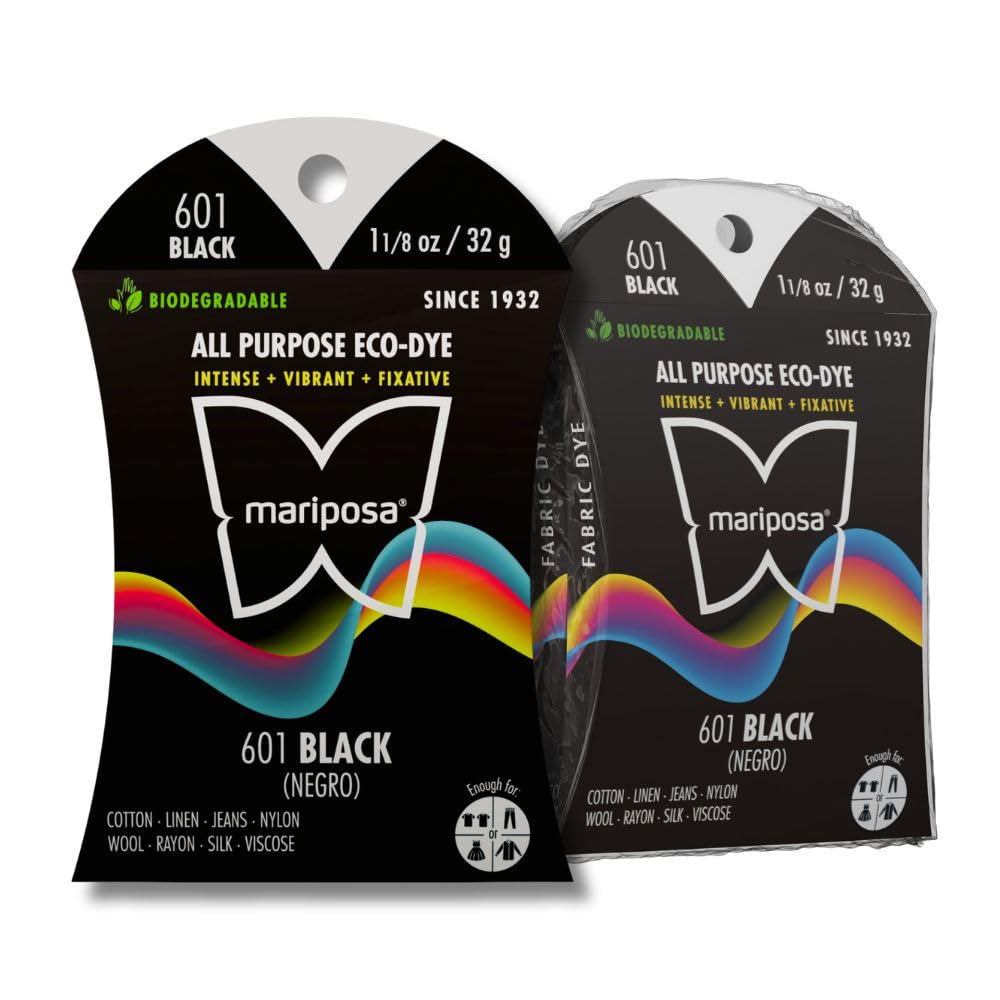


Types of Clothing Dyes Compared
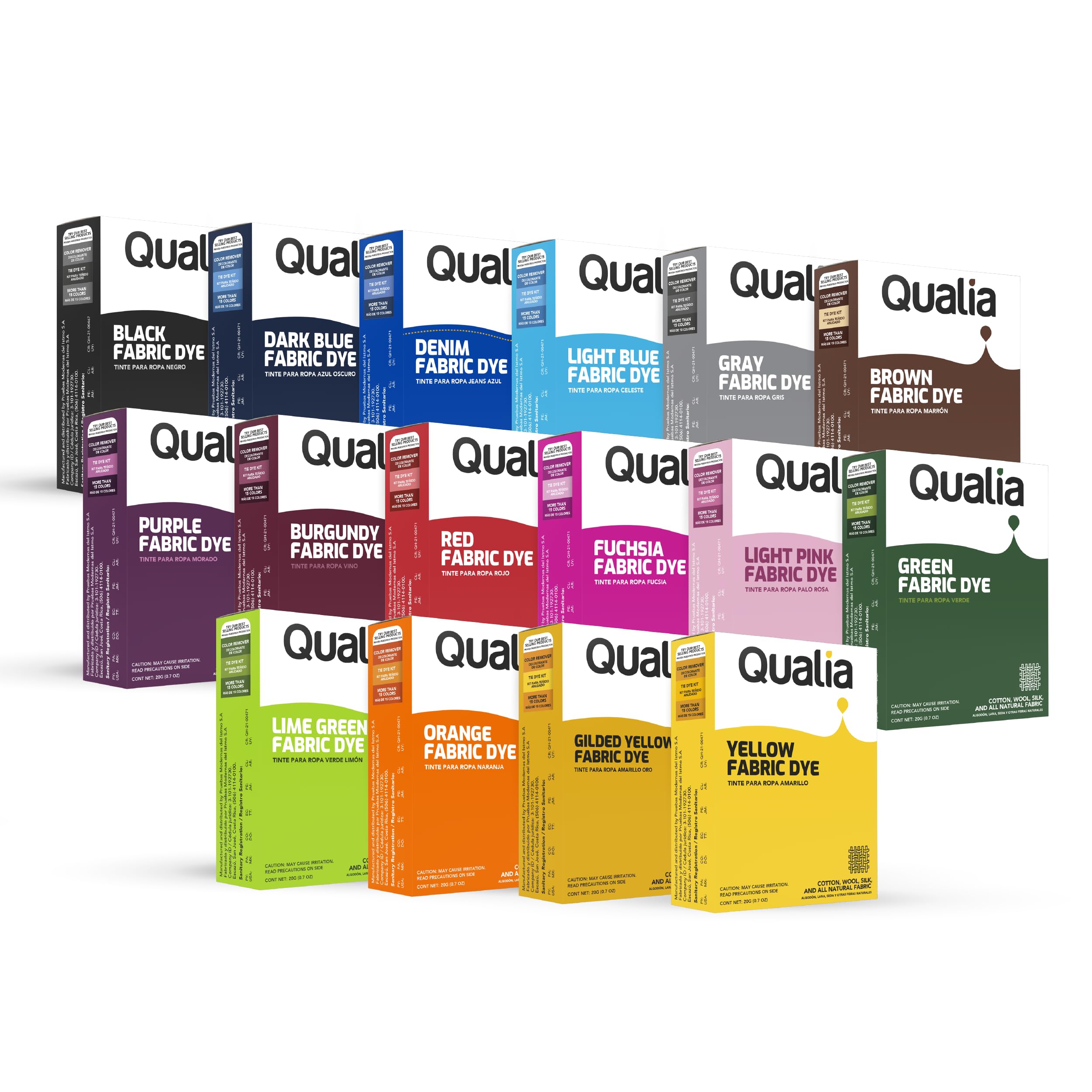
Dyes fall into families based on how they bond with fiber. Some form a chemical bond with the fabric itself, and some lodge inside synthetic fibers with heat. The product table above groups the main types, and the sections below explain how each behaves and who should reach for it.
Fiber Reactive Dyes for Cotton and Linen
Fiber reactive dye is the strongest choice for plant fibers such as cotton, linen, rayon, and hemp. With the help of soda ash, the dye forms a permanent bond with the fiber, so colors stay rich through many washes. It works in cool to warm water, which makes it gentle on fabric and easy to use in a tub or bucket at home.
This is the type behind most tie dye kits and ice dye projects, and it lets you mix custom shades freely. The trade off is prep time, since you soak the garment in soda ash solution first. For a faded cotton tee or linen napkins, no other home dye matches its depth and wash resistance.
All Purpose Dyes for Mixed Wardrobes
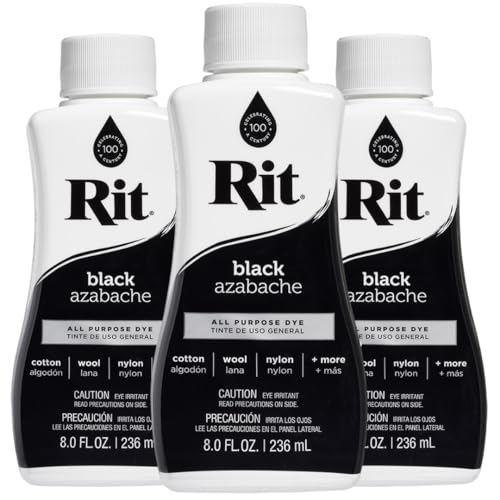
All purpose dye is a blend designed to color several fiber types in one hot dye bath, usually on the stovetop or in a washing machine. It can refresh cotton, wool, silk, nylon, and blends in a single session, which makes it handy when a garment label is missing or a fabric mixes fibers. Most bottles and powders in this group cost around $10.
The compromise is strength. On cotton, the color bonds less firmly than fiber reactive dye, so deep shades may fade faster and need a fixative rinse to reduce bleeding. On wool and silk it performs respectably because the blend includes acid dye components. Choose it for convenience and small refresh jobs, not for pieces you want to stay vivid for years.
Acid Dyes for Wool, Silk, and Nylon
Acid dyes are made for protein fibers and nylon. Despite the name, the acid involved is mild, usually plain white vinegar or a measured amount of citric acid added to a hot dye bath. Heat opens the fiber, the dye moves in, and the result is level, saturated color with excellent light resistance on wool sweaters, silk scarves, and nylon leggings.
You do need a dedicated pot, steady heat, and patience, because rushing the temperature can felt wool or create blotchy patches. Acid dye will barely touch cotton, so never buy it for plant fibers. If you knit, thrift silk, or want to rescue a faded merino top, this family gives polished results that all purpose dye rarely matches on those fibers.
Disperse Dyes for Polyester and Acetate
Polyester resists almost every home dye because its fibers are smooth and tightly packed. Disperse dye is the exception. It needs a long, near boiling stovetop bath so the dye can migrate into the synthetic fiber, and it works best on polyester and acetate rather than acrylic. Expect paler results on dark garments, since dye only adds color and never lightens.
This matters most for athletic wear, because the synthetic fabrics discussed in our guide to the best sport clothing are usually polyester blends that shrug off standard dye. Use a pot you will never cook in again, ventilate the room, and accept that a blend will come out softer in tone than a pure natural fiber garment.
Natural Dyes for Gentle, Earthy Color
Natural dyes come from plants, minerals, and sometimes insects, and sources include onion skins, avocado pits, and madder root. They produce soft, earthy shades that shift slightly with water and sunlight. Most need a mordant, a mineral helper such as alum, to grip the fiber and resist washing out.
Plan on more time and variability than with synthetic dye, since results depend on your water and mordant. Wool takes natural dye most evenly, while cotton needs extra mordant steps. Pick this route when the process itself is part of the pleasure and exact shade matching is not critical.
Fiber Reactive Dye vs All Purpose Dye: Which Should You Choose?
These two families cover most home projects, so it helps to compare them directly. For pure cotton, linen, or rayon, fiber reactive dye wins on color strength, wash resistance, and cool water use. The cost is extra prep, since the soda ash soak and longer rinse are not optional steps.
All purpose dye wins on speed and flexibility. One bath can handle a mixed load, a blend, or a garment whose fiber content you cannot confirm. Choose fiber reactive dye when the fabric is natural and the piece matters to you. Choose all purpose dye when convenience matters more than maximum depth, or when the garment mixes fibers and needs one product that treats them all fairly evenly.
How to Choose the Right Clothing Dye
Choosing the best clothing dye for your project starts with the fiber tag, not the color on the box. Once the fiber is confirmed, work through the factors below in order. Each one narrows the field, and together they prevent the most common reason dye jobs fail, which is a simple mismatch between formula and fabric.
Match the Dye Class to Your Fabric Fiber
Read the care label and note the fiber percentages before you buy anything. Plant fibers take fiber reactive dye, protein fibers and nylon take acid dye, and polyester needs disperse dye. Blends split the difference, because only the fibers that accept the dye will change color, so a cotton and polyester shirt dyed with a cotton formula emerges lighter and sometimes heathered in tone.
If the label is long gone, start with a cautious all purpose bath, or dye a hidden inside seam area first and let it dry fully, since wet fabric always looks darker than the finished shade.
Fixatives, Soda Ash, and Mordants
Many dyes need a helper chemical to lock color in place, and skipping it is a quiet cause of early fading. Fiber reactive dye needs soda ash, which raises the water pH so the bond can form. All purpose dye on cotton benefits from a commercial fixative soak after dyeing, which reduces color bleeding onto other laundry. Natural dye usually needs a mordant applied before the dye bath.
Check whether the helper is included in the box or sold separately, and budget about $10 for extra supplies on a single garment project. Never guess with random household acids without checking the dye instructions, because the wrong pH can block the bond entirely.
Application Method and Batch Size
Decide how you will apply the dye before you choose a package size. Tub dyeing gives the most even color for single garments. Machine dyeing suits large loads and dark refresh jobs but needs careful cleanup afterward. Tie dye, dip dye, and ice dye trade evenness for pattern, and they use fiber reactive dye almost exclusively because it works without heat.
Quantity matters just as much. Dye is dosed by dry fabric weight, and a heavy hoodie can need two or three times the powder a thin tee requires. Weigh the dry garment, follow the ratio on the package, and remember that skimping is the fastest route to a pale, uneven finish.
Shade Choice, Existing Color, and Color Mixing
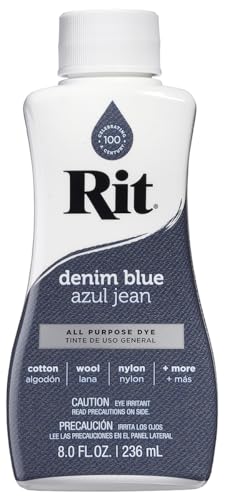
Dye is transparent, so the color already on the garment always shows through the new shade. A yellow dye over a blue shirt gives green, and no dye will turn a dark garment lighter. If you need a true fresh start, a color remover product can lift much of the old dye first, though it may leave the fabric slightly weaker and never returns it to pure white.
Many people dye to revive a faded favorite rather than replace it, and if you end up shopping for replacements instead, see our guide to the best brand clothing for how labels differ in fabric quality. Buy a shade one step deeper than your target, try mixed colors on a fabric scrap, and keep notes so a successful blend can be repeated.
Preparation and Application Steps That Protect Your Result
Good dyeing is mostly preparation. Wash the garment first with a strong detergent and no fabric softener, because factory finishes and body oils block dye uptake and leave pale spots. Mix the bath fully before the fabric goes in, and use a container that food will never touch again.
Keep the garment moving during the first ten to fifteen minutes, when most color strikes, so folds do not trap lighter patches. Wear gloves and protect nearby counters. When the bath time ends, rinse in cool water until it runs mostly clear, then wash the piece alone in cold water. Pressing the dry garment smooth is easier with the heat guidance in our guide to the best clothing iron, since some dyes prefer low heat on delicate fibers.
Common Mistakes to Avoid
- Buying dye before reading the fiber label, which leads to a formula that cannot bond with your garment at all.
- Using too little dye for the dry weight of the fabric, which leaves the color pale and impossible to deepen evenly later.
- Skipping the prewash, which lets oils and finishes block the dye and create blotchy light patches.
- Crowding the tub so the garment cannot move freely, which traps folds and produces streaks and uneven tone.
- Dyeing in a kitchen pot you still cook with, which risks contaminating food surfaces with dye chemicals.
- Judging the shade while the fabric is still wet, which makes the color look far darker than the dry result.
How to Care for Freshly Dyed Clothing
The first few washes decide how much loose dye leaves the fabric, so wash new pieces alone or with like colors in cold water for the first three to five cycles. Turn garments inside out, use a gentle detergent, and skip hot water, which encourages bleeding.
Dry dyed clothing away from direct sun when you can, because strong light slowly fades fresh color. A folding rack in a shaded spot works well, and our guide to the best clothing rack options covers sturdy styles for heavy wet garments. Once the color is stable, store pieces away from bright windows, following the light and moisture principles in our guide to best clothing storage.
Frequently Asked Questions
Which clothing dye works best on cotton shirts?
Fiber reactive dye works best on cotton shirts because it bonds directly with the fiber and resists fading. Use a soda ash soak before the bath and enough powder for the dry weight of the shirt. One extra tip the type section only touches on briefly: for very dark shades, extend the bath time rather than doubling the powder, since extra time deepens color more evenly than an overloaded bath.
Can clothing dye change the color of polyester fabric?
Yes, but only disperse dye made for synthetics can do it, and it needs a long, very hot stovetop bath. Standard and all purpose dyes will rinse almost completely out of polyester. Also note that stitching thread is often polyester even on cotton garments, so seams may stay their original color after dyeing, which some people like as a contrast and others find surprising.
How much clothing dye do I need for one garment?
Most packages dose by dry fabric weight, and a typical adult shirt needs roughly one standard box or bottle when used at full strength. Heavy items like jeans or hoodies often need double. Weigh the garment dry before you shop rather than guessing by size, and buy a little extra if you want a deep shade, because running short mid project means a second bath and a less even result.
Will clothing dye stain my washing machine or sink?
It can leave temporary color on plastic machine parts, rubber seals, and worn enamel, though stainless steel usually wipes clean. Run an empty hot cycle with detergent right after dyeing, and wipe seals by hand. In a sink, rinse splashes immediately and avoid leaving a full bath sitting overnight, since standing dye water leaves the stubborn ring.
Can I dye a garment that already has a stain?
You can, but the stain will usually still show, because dye colors the stain and the clean fabric at slightly different rates. Grease stains are the worst, since oil resists water based dye and leaves a pale ghost of the mark. Treat the stain first, and choose a darker shade or a patterned method if it refuses to lift.
Final Thoughts
Every good dye job comes back to three checks: confirm the fiber, pick the dye class built for that fiber, and use the right helper and enough dye for the fabric weight. Compare the types in the product table above once more with your garment label in hand, and you will know which formula belongs in your cart. Choose your best clothing dye by fit for the fabric, not by the brightest box, and your refreshed garment should reward you with color that lasts.