Best Clothing Storage Made Simple: A Clear Buying Guide for 2026
Disclosure: We may earn a commission when you buy through links on this page, at no extra cost to you. As an Amazon Associate I earn from qualifying purchases. Learn more
Learn how to choose clothing storage that fits your space, protects fabrics, and stays easy to use. Compare bins, boxes, bags, and hanging options by size.
Choosing the best clothing storage can feel confusing when every box, bin, and bag looks useful at first glance. The right choice depends less on how much a container holds and more on what you store, where it will live, and how often you need to reach it. A clear plan helps you avoid buying containers that are too large, too flimsy, or hard to open in a crowded closet. The comparison table below gives a quick overview of the main storage styles before you look at details.
This guide starts with the basics, then explains the features that matter in plain language. You will learn how to measure a space, judge materials, protect clothes from dust and damp air, and set up a system you can keep tidy.
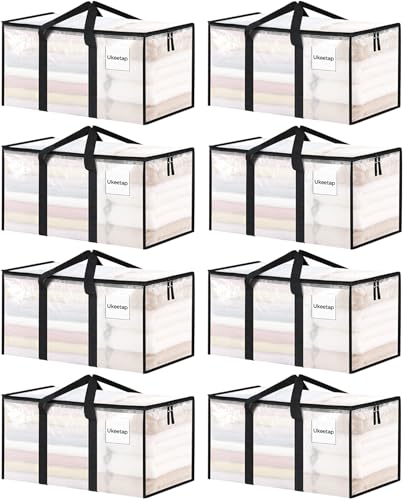


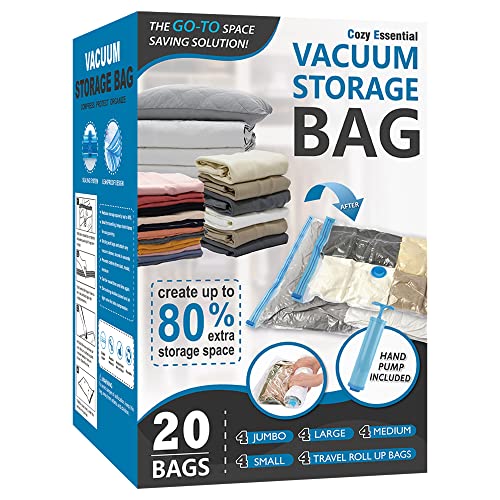
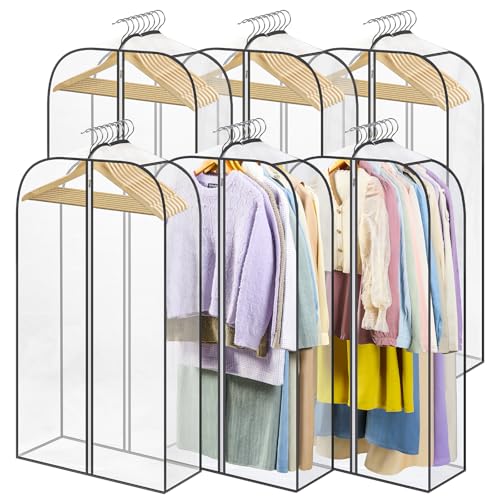
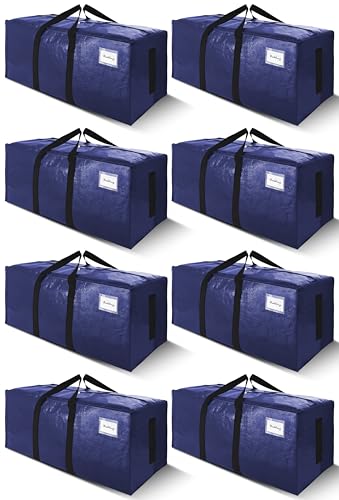

Clothing Storage Basics for First Time Buyers
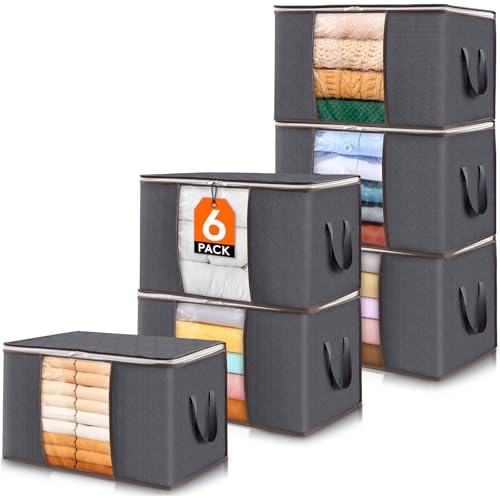
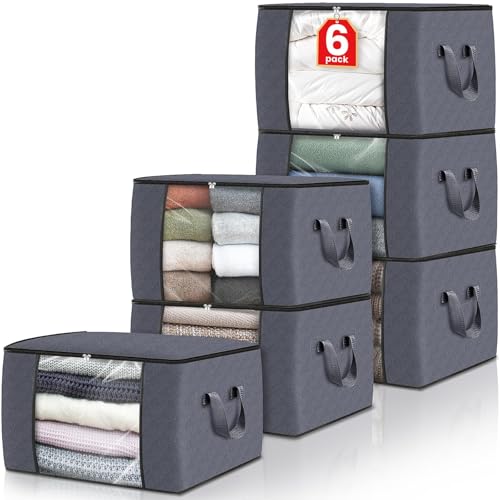
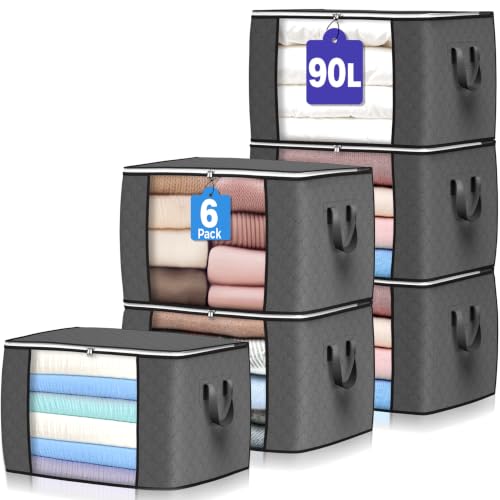
Clothing storage is any container or organizer that keeps garments clean, visible, and easy to reach. Common styles include open bins, lidded boxes, fabric boxes, vacuum bags, hanging shelves, garment bags, and under bed boxes. Each style suits a different job. Open bins work well for everyday items you grab often.
Lidded boxes suit seasonal clothes that will sit untouched for months. Hanging organizers help in closets where shelf space is tight.
Start by sorting clothes into groups before you buy anything. Put daily wear, work clothes, seasonal items, bulky coats, and delicate pieces in separate piles. Count how many items are in each pile and note which ones are heavy, fragile, or rarely used. This simple sort prevents the most common first time mistake, which is buying one size of box for everything.
A tall coat needs a different container from a stack of folded shirts, and a delicate sweater needs gentler handling than a pile of play clothes.
Next, measure the space where storage will go. Measure closet shelves, under bed clearance, and any spare shelf or cupboard from front to back and side to side. Leave a small gap at the front so you can lift a lid or pull a box out without moving everything else. If a box will sit on a high shelf, choose a lighter option that is easy to lift safely.
A storage plan that fits the room will stay in use far longer than a neat looking set that is hard to reach.
Key Features to Compare in Plain Language
The features below explain what to look for without technical jargon. Use them as a checklist when you compare options in a store or online. Pay most attention to the features that match your space and your clothes, and worry less about extras you will rarely use.
Material and Construction
Storage containers are often made from plastic, fabric, cardboard, or a mix of these materials. Sturdy plastic suits damp rooms, garages, and long term storage because it resists moisture and keeps its shape when stacked. Fabric boxes are lighter and easier to fold flat when empty, which helps in small homes. Cardboard is cheap and light, but it weakens in damp air and is a poor choice for a basement or a garage.
Look for firm sides, a lid that closes fully, and handles that feel secure when the box is full.
Size, Capacity, and Fit
Size matters more than a large capacity claim. A box that is too deep makes clothes at the bottom hard to reach, while a box that is too tall may not fit under a bed or on a shelf. Measure your folded clothes and your space, then choose a size that leaves room for your hands. For hanging space, check the width of the closet rod and the length of the garments.
For folded items, a shallow box often works better than a deep one because you can see each layer without lifting a heavy stack. That approach also makes it easier to find one item without unpacking everything.
Access and Organization
Good storage lets you reach what you need without a search. Clear sides or a clear window help you see contents at a glance. Labels work even better, especially for boxes stored on high shelves or in a spare room. Use short, plain labels such as winter sweaters, summer shirts, or work clothes.
Inside a box, dividers or smaller pouches keep socks, scarves, and accessories from mixing with larger items. Choose access that matches how often you reach for the clothes inside.
Durability and Care
Durability means a container keeps its shape, closes well, and survives repeated use. Check seams, zippers, lids, and handles before you buy. A zipper that sticks or a lid that warps will cause frustration long before the container wears out. Fabric boxes should have firm inserts that hold their shape when loaded.
Plastic boxes should stack without bowing, and lids should stay in place when a box is moved.
Care is simple for most storage. Wipe plastic boxes with a damp cloth and let them dry fully before use. Shake out fabric boxes and wash them only if the maker says they can be washed. Keep cardboard away from damp floors.
Following maker care guidance helps containers last longer and keeps clothes from picking up musty smells or dust.
Ventilation and Protection
Clothes need protection from dust, insects, sunlight, and damp air, but they also need some air flow. A fully sealed bag can trap moisture, which may lead to musty smells on natural fabrics. A lidded box with a close fit usually offers a good balance for most homes. For long term storage, clean and fully dry clothes before packing them, and avoid storing them in a room with leaks or standing damp.
For delicate or valuable items, a breathable garment bag or a cotton cover is often a better choice than a plastic bag. Keep stored clothes out of direct sunlight, which can fade colors over time. In a humid room, a dry, raised shelf is safer than a box sitting directly on a cold floor. Small steps like these protect clothes far more than an expensive container alone.
Choosing by Budget and Space
Spending levels help you decide where to invest and where to save. At a lower budget, around $10 to $30, simple fabric boxes, open bins, and labels cover most everyday needs. These options work well for a first apartment or a single closet refresh. At a mid range budget, around $30 to $80, sturdier lidded boxes, hanging organizers, and under bed boxes add durability and a tidier look.
At a higher budget, around $80 to $200, a full closet set with matching boxes, dividers, and garment bags suits a large wardrobe or a long term home.
Rookie Mistakes to Avoid
- Buying before measuring: a box that does not fit a shelf or a bed frame wastes money and time.
- Packing dirty clothes: stains and body oils can set during storage and attract insects.
- Using one giant box: heavy, deep boxes make it hard to find items and easy to forget what is inside.
- Skipping labels: unlabeled boxes turn every search into a full unpacking job.
- Storing in damp spots: damp air can damage fabric, weaken cardboard, and leave a musty smell.
Getting Started: Setup and First Use
Begin with a clean, dry surface and a clear plan for each box. Wash or clean clothes that will be stored for a season, and make sure they are fully dry before packing. Fold heavier items at the bottom and lighter items on top. Place items you may need sooner near the top or near the front of a shelf.
Add a label as soon as a box is packed, while the contents are still fresh in your mind.
For technical fabrics, follow maker care guidance. Wash in cold water and air dry when the maker advises it, and skip fabric softener on technical fabrics unless the maker says it is safe. This care keeps moisture wicking finishes working as intended. Once boxes are in place, check them after a few weeks.
Adjust labels, move a box that is hard to reach, and note any change in dampness or smell early.
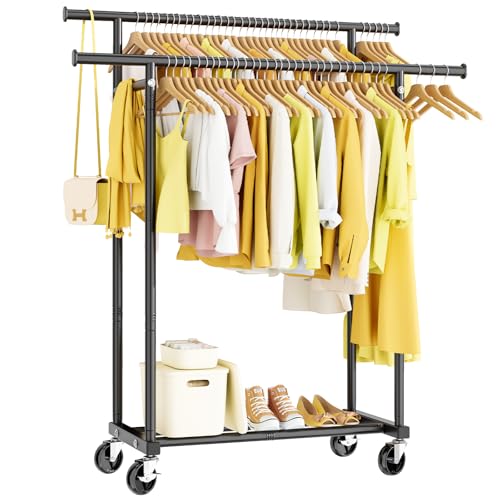
See our guide to the best clothing rack if you need extra hanging space while you reorganize a closet. A rack can hold coats and outfits during a seasonal swap, then move out of the way when the work is done. For clothes that need pressing before storage, see our guide to the best clothing iron and follow maker heat guidance for each fabric.
Frequently Asked Questions
Are premium storage brands worth it for clothing storage?
Premium storage is worth it when you need durability, a precise fit, or long term protection, but it is not required for every closet. A sturdy lidded box or a well made hanging organizer earns its price if it will be moved, stacked, or used for years. For short term use, a simple fabric box often does the same job. Spend more on boxes for heavy coats, delicate items, or damp rooms, and save on everyday bins that stay in one dry place.
How do I clean clothing storage containers?
Clean most plastic boxes by wiping them with a damp cloth and letting them dry fully before packing clothes. Fabric boxes can be shaken out outdoors and spot cleaned, unless the maker says they can be washed in a machine. Cardboard boxes cannot be washed, so replace any that smell musty or feel soft. Always clean a container before reuse, because dust and old smells transfer easily to fresh clothes.
How should clothing storage fit my closet space?
Storage should fit your closet with room to lift, open, and remove each container without moving everything else. Measure shelf depth, shelf height, and rod clearance before buying, and leave a small gap at the front for your hands. Shallow boxes suit deep shelves, while hanging organizers suit closets with spare rod space. If a container only fits by force, choose a smaller size or a different style.
What fabric is best for storing clothes in hot weather?
Breathable cotton covers and fabric boxes suit hot weather better than fully sealed plastic bags, because they allow some air flow around stored clothes. In a hot, humid room, choose a dry shelf away from direct sunlight and check stored items now and then for dampness. Clean, dry clothes store best, and a breathable cover helps reduce musty smells. For very humid homes, a sturdy lidded box in a dry room may still be the safer choice.
How often should I review stored clothing?
Review stored clothing at each seasonal change, or at least twice a year. A quick review lets you remove items you no longer wear, refresh labels, and spot dampness, insects, or damage early. It also keeps your system honest, because boxes that never get reviewed tend to fill with clothes you will never use again. Donating or rehoming unused items frees space for clothes you actually reach for.
Wrapping Up
The best clothing storage for your home is the set that fits your space, protects your fabrics, and stays easy to use week after week. Focus first on size and access, then on material and protection. A few well chosen boxes, clear labels, and a simple seasonal routine will do more than a large collection of mismatched containers. Use the product table above to compare styles side by side, then start with the area that causes the most daily frustration.