Best Cleaning Towels for 2026: Everything to Know Before Your First Purchase
Disclosure: We may earn a commission when you buy through links on this page, at no extra cost to you. As an Amazon Associate I earn from qualifying purchases. Learn more

New to buying cleaning towels? Learn what GSM, material, and weave mean, compare towel types by job, and avoid common first time buyer mistakes.
If you are shopping for best cleaning towels for the first time, the choices can look confusingly similar. Towels differ in material, thickness, weave, size, and edge finish, and each difference changes how well a towel picks up dust, absorbs spills, or wipes glass without streaks. This guide walks you from the basics to a confident choice, so you can match a towel to the job instead of buying a random multipack and hoping for the best. Read through the comparison table below, then use the sections that follow to narrow your options by room, surface, and budget.
The good news is that you do not need a separate towel for every chore. Most homes do well with two or three types: a sturdy general purpose towel for kitchens and bathrooms, a soft lint free towel for glass and screens, and a larger absorbent towel for floors and bigger spills. The rest of this guide explains how to tell those types apart, what specs actually matter, and which mistakes new buyers make most often.

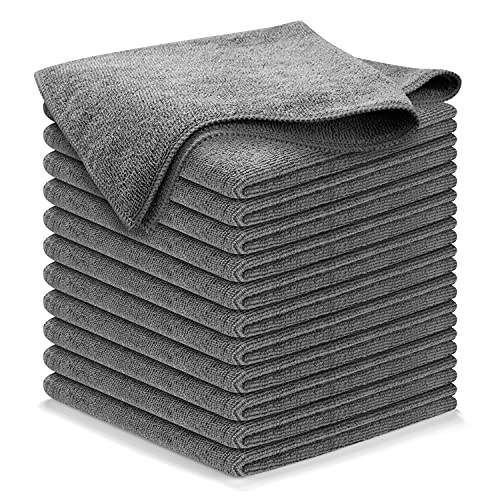


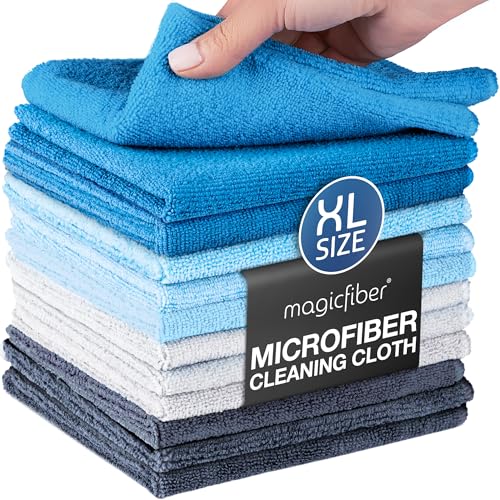

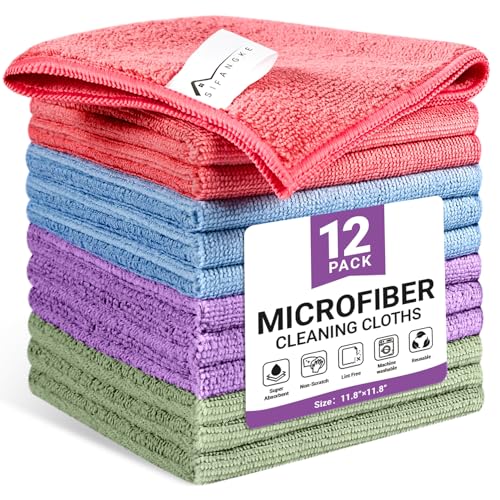

Cleaning Towels 101: The Basics
A cleaning towel is a reusable cloth made to lift dirt, absorb liquid, and wipe surfaces clean, often with water alone or with a small amount of cleaner. Unlike a bath towel, which is made mainly for drying skin, a cleaning towel is judged by how much it holds, whether it leaves lint or streaks, and how well it survives repeated washing. Those three qualities matter more than color or packaging claims.
Most cleaning towels fall into a few broad families. Cotton towels are familiar, absorbent, and easy to wash, and they work well for general wiping and drying. Microfiber towels use very fine split fibers that trap dust and grime in their structure, and they often clean glass and polished surfaces with less streaking. Blended towels mix fibers to balance absorbency, softness, and durability.
Paper towels are a different category altogether: they are disposable, convenient for messy jobs, and useful when you do not want to wash a soiled cloth, but they cost more over time and create more waste.
Weave also changes performance. A flat weave glides smoothly over glass and screens and is less likely to leave lint. A looped or terry weave has more surface area and holds more water, which suits drying dishes, wiping counters, and mopping up spills. A waffle weave sits between the two, with pockets that trap dust while staying fairly smooth.
When you compare towels, look at material and weave together, because a thick towel made from the wrong weave can still streak glass, while a thin flat weave towel can still dry a counter well if it is absorbent enough.
Key Specs Explained in Plain English
Spec sheets can make a simple towel sound technical. The terms below are the ones that actually help you choose, explained without jargon, along with the level that suits most homes.
Material and Construction
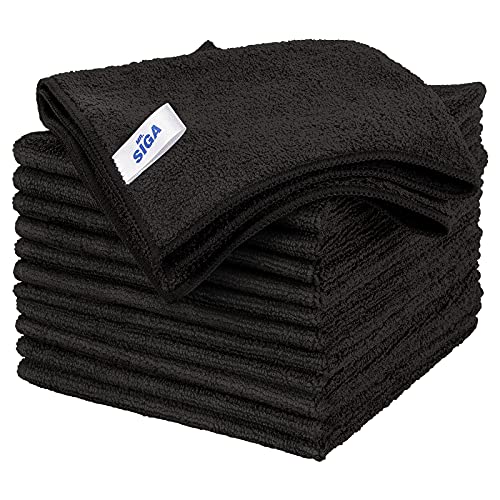
Cotton towels feel natural, absorb water readily, and soften with washing, but cheaper cotton can shed lint on glass and dark surfaces. Microfiber towels, usually a mix of polyester and polyamide, grip dust and hold several times their weight in water, yet they need gentler washing to keep their fibers working well. The edge finish matters too: a stitched or bound edge resists fraying far longer than a raw cut edge, and a rolled edge is softer on delicate surfaces. For everyday cleaning, a well stitched microfiber or cotton towel in a medium weight is a safe starting point, and you can add specialty towels later.
Performance: Absorbency, Lint, and Streaking
Absorbency tells you how much liquid a towel can hold before it starts pushing water around instead of picking it up. Thicker towels usually absorb more, but thickness alone is not proof, because a dense flat weave towel can outperform a fluffy towel that sheds. Lint matters most on glass, mirrors, screens, and dark counters, where loose fibers show up clearly.
Streaking depends on the weave, the surface, and how much cleaner you use, so a towel that works beautifully on a counter may still streak a window. If glass is a priority, choose a flat weave towel labeled lint free and try it with water alone before adding cleaner.
Certifications and Safety Labels
The most useful certification for cleaning towels is OEKO TEX, which means the finished textile has been checked for harmful substances at set limits. That label is worth looking for if you clean around children, pets, or food contact surfaces, and if you want reassurance about dyes and finishes. Other labels describe recycled content or responsible fiber sourcing, and those can help you compare brands on sustainability. No label guarantees cleaning performance, though, so treat certifications as a safety and sourcing check, not as a substitute for checking material, weave, and GSM.
Style and Color Options
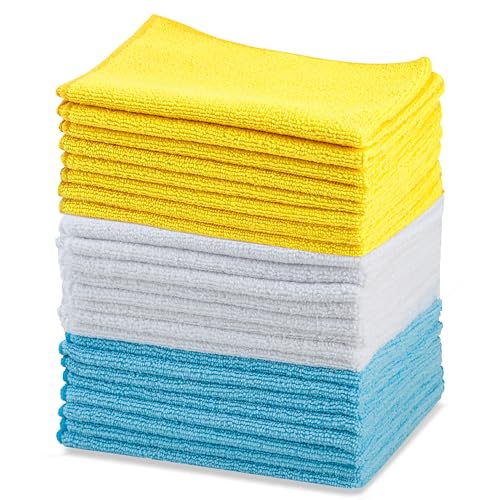
Color is more useful than it first appears, because a simple color system stops cross contamination between jobs. Many households keep one color for kitchens, another for bathrooms, and a third for glass or dusting, which makes it easy to grab the right towel and to keep bathroom towels away from food surfaces. Neutral colors hide stains less, so they show when a towel needs washing, while darker colors hide stains but can bleed dye in early washes. Wash new colored towels separately at first, and avoid using a towel that has touched a bathroom cleaner on a kitchen counter or a cutting board.
Durability and Care
Durability depends on fiber quality, edge stitching, and how you wash the towel. Well made towels keep their absorbency for many washes, while thin towels with weak edges fray, thin out, and start shedding within a few months. Wash cleaning towels in warm water with a mild detergent, skip fabric softener because it coats fibers and cuts absorbency, and dry them on low heat or line dry them when you can. Keep cleaning towels away from lint producing items such as fleece blankets in the dryer, and replace a towel once its edges fray badly or it stops absorbing even after a proper wash.
Best Cleaning Towels for Specific Needs
Once you understand the basics, the next step is matching towel type to the job. The two groups below cover the most common first time buyer needs, and each one favors a different mix of size, weave, and material.
Best Home Cleaning Towels
For general home use, look for a medium weight towel that balances absorbency, durability, and easy care. A looped or waffle weave in cotton or microfiber handles counters, sinks, appliances, and dusting without needing a separate cloth for each task. Choose a size you can fold into quarters, since a folded towel gives you several clean faces before you need to refold or swap it. A color coded set helps here too, so kitchen towels stay in the kitchen and bathroom towels stay in the bathroom.
See our guide to best microfiber towels for cleaning if you want a low lint option for everyday wiping.
Best Large Cleaning Towels
Large towels earn their place when the job covers more area: drying a car, wiping a floor, cleaning a large table, or soaking up a big spill. Extra size means fewer passes and fewer trips to wring the towel out, but it also means a heavier towel when wet, so look for a weight you can wring comfortably. A large waffle weave towel is a good compromise, since it absorbs well without becoming as bulky as a thick terry towel.
For glass and mirrors, pair a large towel with a smaller flat weave cloth for the final pass, because even a good large towel can leave faint marks on glass if it is already damp. See our guide to best glass cleaning towels for a dedicated glass option.
Rookie Mistakes to Avoid
- Using fabric softener on cleaning towels, which coats the fibers and sharply reduces absorbency and dust pickup.
- Using one towel for every room, which moves bathroom germs and grime onto kitchen surfaces and food contact areas.
- Choosing the thickest towel for glass, where a flat weave lint free towel usually wipes cleaner with fewer streaks.
- Overloading the washer with towels and other laundry, which stops towels from rinsing clean and leaves detergent residue behind.
- Keeping a worn out towel in rotation, because frayed edges shed fibers and a towel that no longer absorbs only spreads liquid around.
Two more habits are worth breaking early. First, avoid spraying a large amount of cleaner directly onto a surface and then wiping with a dry towel, since excess cleaner is a common cause of streaks on glass and stainless steel. Second, do not store a damp towel bunched up in a closet or bucket, because trapped moisture leads to musty smells that are hard to wash out. A towel that smells musty after washing should be washed again in hot water with a small amount of detergent and dried fully before use.
Getting Started: Setup and First Use
When your towels arrive, wash new towels before first use to remove loose fibers, sizing, and dye residue. Wash them separately from other laundry, use a mild detergent, skip fabric softener, and dry them fully so they start out fresh and absorbent. This first wash also tells you how much a towel sheds: if it leaves heavy lint in the dryer filter, keep it for rough jobs and choose a different towel for glass.
For the first cleaning session, start with water alone on a small area, especially on glass, screens, and polished stone. Add cleaner only if water does not lift the grime, and use the smallest amount that works, since less residue means fewer streaks. Fold the towel into quarters, work in straight overlapping passes, and flip to a clean face when the current face looks dirty.
If you need a towel for a car or windows, see our guide to best car cleaning towels and our guide to best window cleaning towels for job specific guidance. For quick disposable cleanup, see our guide to best paper towels for cleaning.
FAQs
How do I keep cleaning towels fresh longer?
Wash cleaning towels promptly after use, dry them fully, and store them unfolded or loosely folded in a dry place with air flow. Skip fabric softener and dryer sheets, since both coat fibers and trap odors over time. Wash heavily soiled towels separately from kitchen towels, and run an occasional hot wash with a small amount of detergent to remove buildup. If a towel still smells musty after a full wash and dry cycle, retire it to a rough job such as garage wiping, where odor matters less.
How often should I replace cleaning towels?
Replace a cleaning towel when it frays badly, sheds lint on clean surfaces, or stops absorbing even after a proper wash without softener. For most homes, a well made towel lasts many months of regular use, while a thin towel may wear out in a few months. Kitchen towels used daily wear faster than dusting towels used weekly, so judge each towel by condition rather than by a fixed calendar date. Keep a spare set on hand so you can retire a worn towel without being left short.
What GSM is best for towels?
GSM measures grams per square meter, so a higher number usually means a thicker, heavier towel. For general cleaning, a medium GSM around 300 to 400 suits most jobs, balancing absorbency with easy wringing and fast drying. Lower GSM towels around 200 to 300 are thinner and better for glass and dusting, where a smooth finish matters more than bulk. Higher GSM towels above 400 absorb more and suit large spills and drying, but they take longer to dry and feel heavy when wet.
Are luxury options worth it?
Luxury towels are worth it when the extra cost buys denser fibers, stronger edge stitching, and a weave that stays lint free after many washes. For rough jobs such as garage floors and outdoor furniture, a basic towel does the same work for less money, so luxury is hard to justify there. For glass, screens, and polished surfaces, a higher quality flat weave towel often saves time and rework, which can justify the price. Buy one quality towel for your most frequent delicate job first, then add basic towels for rough work.
Can cleaning towels scratch glass or screens?
A clean, soft towel should not scratch glass, but a towel carrying grit, sand, or hard debris can leave fine marks on glass and screens. Always shake out a towel used outdoors or on a dirty floor before using it on a delicate surface, and keep a separate towel for glass that never touches rough jobs. Avoid pressing hard with a dry towel on a dusty screen, since trapped particles do the damage rather than the fibers themselves. If a screen has a special coating, check the maker guidance first and use only water and a soft cloth.
Our Verdict
Start with material and weave, then size, then color coding, and you will avoid most first time buyer mistakes. A medium weight microfiber or cotton towel covers most home jobs, a flat weave towel handles glass, and a larger towel covers floors and big spills. Check the product table above once more with your main job in mind, and choose the towel type that fits that job rather than the thickest or cheapest pack on the page. With the right towels in hand, the best cleaning towels stop being a confusing shelf of lookalikes and become a small, practical kit you reach for every day.