
Best Brand Clothing for 2026: An Honest Comparison
Disclosure: We may earn a commission when you buy through links on this page, at no extra cost to you. As an Amazon Associate I earn from qualifying purchases. Learn more
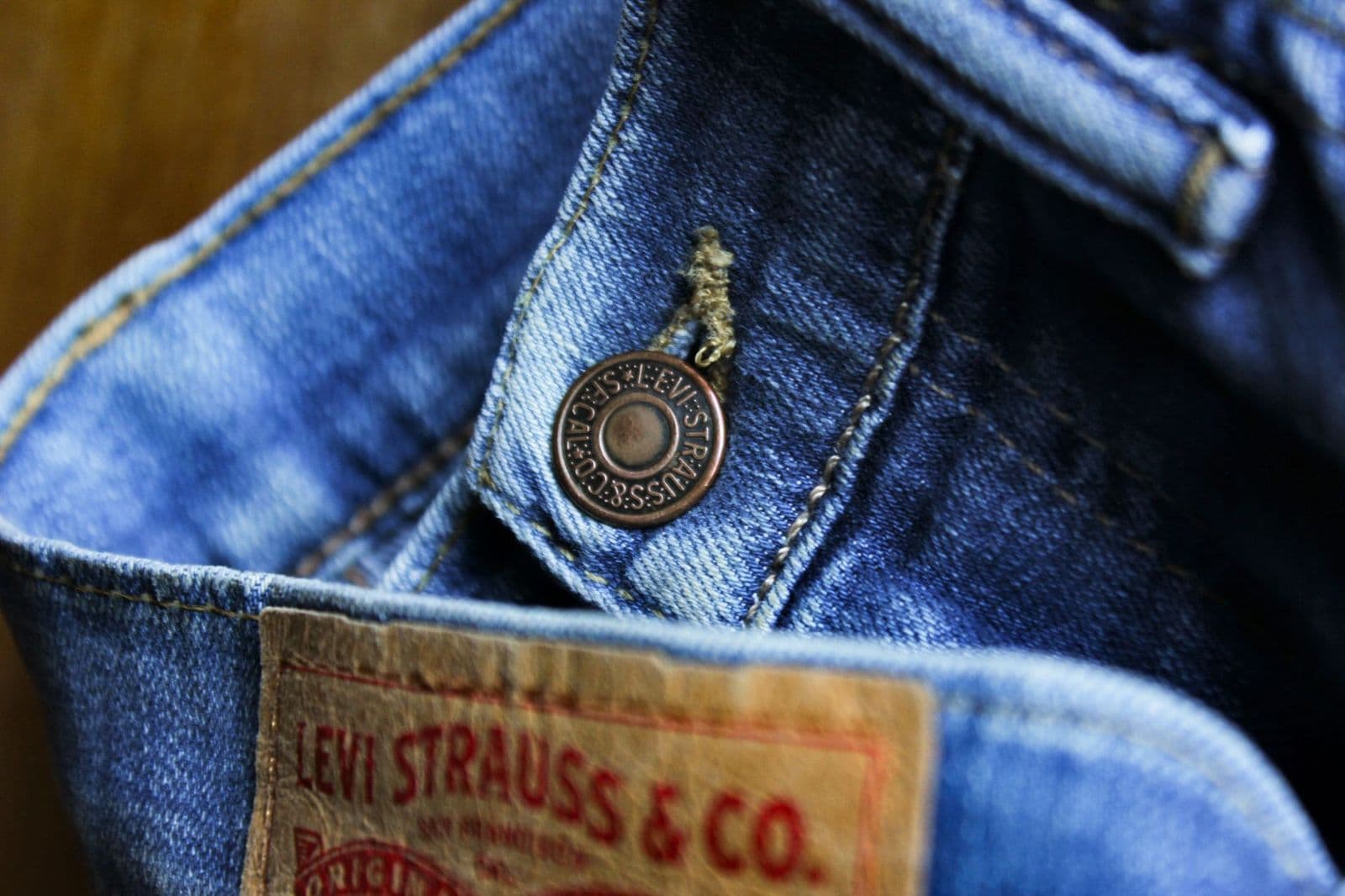
Compare brand clothing by fabric, construction, sizing, returns and cost per wear so you know what a brand premium buys and what it never buys you.
Every clothing rack promises quality, and every label hints that its name alone justifies the price. This honest comparison of best brand clothing separates what a brand premium genuinely buys from what it never can. Some names earn their markup through fabric, construction, and service that show up after fifty washes. Others sell a logo stitched onto ordinary cloth, and the difference is learnable once you know where to look.
You will find the comparison table below setting the criteria side by side, and the sections after it walk through each one in plain terms. You will find no brand recommendations here, because the right maker depends on your body, your climate, and your budget, so instead you get a repeatable way to judge any label: check the materials, read the policies, inspect the stitching, and divide the price by the wears you will honestly get.
What Makes a Great Clothing Brand?
A strong clothing brand is a promise kept repeatedly, across seasons and across garments. Consistency is the real product a brand sells, and the factors below are where that consistency shows itself or falls apart.
Fabric and Construction That Survive Washing
The clearest thing a premium buys is cloth that behaves the same after a year of laundry as it did on the hanger, because better makers disclose fiber blends in full, choose denser weaves, and finish seams so edges do not curl, pucker, or shed threads. Collars hold their shape and dark colors fade slowly and evenly, none of which shows in a product photo, which is exactly why brands charge for a reputation built on it.
Construction details separate shelves quickly once you handle a garment, because stitches per inch run higher and straighter on better made pieces, stress points such as pocket corners and buttonholes get reinforcement, and linings sit smooth instead of twisting. Buttons are sewn through with thread that matches the load they carry, and spare buttons arrive attached rather than as a hope. Turn any garment inside out before buying, since the hidden side tells the truth the display side is paid to hide.
Consistent Sizing Across Seasons
Shoppers pay for a brand partly to stop gambling on fit. A reliable maker holds its size chart steady year after year, so a medium bought last spring matches a medium bought this fall in the same line. Consistent grading across sizes matters too, because a brand that scales patterns carelessly fits nobody well at the ends of the range.
Check this before committing to any label by reading the published measurements rather than the letter size, comparing them with a garment you already love, and reordering one staple before rebuilding a wardrobe around a name. Keep notes on what fits, since your own record beats any chart and catches the quiet cut changes that marketing never announces.
Returns, Repairs, and Support That Exist in Practice
Policies are part of the product, because a brand with a sane return window, prepaid labels, and repairs or spare parts for items such as buttons and zips is selling a longer relationship than a brand that vanishes after checkout. Read the fine print for time limits, restocking deductions, and whether worn items can be returned when a seam fails early, since the wording tells you how the maker expects its own clothing to perform.
Support quality shows in small moments, because clear washing guidance, honest country of origin statements, and a service team that answers sizing questions with measurements rather than slogans all signal a maker that plans to keep customers. Warranty language in clothing rarely mirrors electronics, yet some makers do guarantee stitching or hardware for a stated period. Treat any such written promise as a genuine point in that brand favor, and treat its absence as neutral rather than damning.
How to Compare Makers Side by Side
Run these three checks on any garment, budget or premium, and the price gap either explains itself or evaporates.
| Check | What to look for | Why it matters |
|---|---|---|
| Materials label | Full fiber percentages, fabric weight stated | Disclosure signals confidence and predicts care needs |
| Inside finish | Neat seams, reinforced stress points | Construction decides lifespan more than styling does |
| Written policies | Return window, repair options, guarantee terms | Service is part of what the premium buys |
Materials Disclosure as a Trust Signal
Honest makers name every fiber and its share of the blend, because blends decide softness, breathability, stretch, and how a garment ages. A label that hides behind vague words such as premium fabric or special weave is asking you to pay for mystery. Natural fibers, synthetics, and mixes each have honest uses and none is automatically superior, so what matters is whether the chosen cloth suits the garment job and whether the maker tells you plainly what it is.
Fabric weight, when stated, adds a second clue, because very light cloth in a garment meant for daily wear often forecasts thinning knees, elbows, and seat areas, while heavier cloth can feel stifling in warm weather gear. Compare weight within the same garment type only, and where weight is not stated, hold the cloth to the light and look for an even, dense weave.
Stitching and Hardware Classes
Hardware sorts makers as clearly as fabric does, because metal zips with smooth action, buttons of dense material rather than hollow plastic, and rivets set cleanly through reinforced cloth all cost the maker more and repay you in years. Drawcord ends, eyelets, and snaps deserve the same squeeze and pull test in store, since a premium price attached to flimsy hardware is the fastest tell that the markup funds advertising instead of the garment.
Seam allowances tell a quieter story, because generous allowances let a tailor adjust fit and let seams survive strain, while skimpy allowances save the maker cloth on every unit and leave you no options. None of this requires expertise to judge: tug gently at a side seam, look for daylight through the stitching, and check that patterned pieces meet at the seams. Mismatched patterns at a premium price mean the factory saved time that your money was supposed to buy.
What a Brand Premium Does Not Buy
Honesty cuts both ways, and a fair comparison names the limits of paying more. Three common beliefs about branded clothing fail under plain inspection, and letting go of them saves more money than any sale.
A Logo Alone Adds No Quality
A famous mark guarantees distribution and recognition, nothing about the cloth underneath, because large groups often run several labels from the same factories at different prices and the garment differences can be smaller than the label differences. Outlet lines complicate this further, since some makers produce separate lower grade goods that carry the main name into a cheaper channel. Read the full tag, including where and for which channel the piece was made, to know which line you are holding.
None of this means premium brands are a trick, only that the verification steps in this guide apply at every price with no exemptions for famous names. The moment a buyer assumes a logo settles the quality question, the logo has done its marketing job and the inspection stops. Keep inspecting and you will find budget pieces that pass every check standing beside premium pieces that fail two, so let your wardrobe follow the checks, not the fame.
No Brand Can Guarantee Your Fit
Fit lives on your body, not in a brand reputation. Makers cut for an averaged figure that may match your shoulders and miss your waist, or suit your torso and run short in the arm. Even a brand praised for consistency is only consistent with itself, which helps once you know its cut suits you and not before. First orders from any label should be single pieces with a return path, never a full wardrobe bought on confidence.
Bodies also change, and cuts drift when a brand changes designers or factories, so the shirt that fit five years ago proves little about this season version and your own measurement notes matter more than memory. Treat glowing fit reviews from strangers as weak evidence, since their proportions are not yours. The only fit guarantee in clothing is a tape measure, a clear size chart, and a seller who accepts returns without punishing you for learning.
Trends Reach Every Label
No premium protects a garment from looking dated. If longevity is the goal, spend the premium on classic cuts in quiet colors, where fabric quality compounds over years, and let trend pieces be the cheap experiments you retire without regret.
Resale value softens this picture for a few categories, and it deserves an honest mention as a class observation, because recognized labels in good condition do tend to resell more readily than unknown ones and can return part of a premium when you rotate a wardrobe. Treat that as a possible bonus rather than a plan, since condition, size, and timing decide resale outcomes. Buy to wear, and let resale be a pleasant surprise.
How to Choose Between Brands
Start from the garment, not the label, because a specific well made piece from a modest maker beats a weak piece from a famous one, and you wear the stitching and cloth, not the reputation. Decide the job first, since daily work wear, warm weather comfort, formal occasions, and rough outdoor use each reward different fabrics and construction. Then shortlist makers whose stated materials and policies suit that job, and compare single garments across them using the checks in this guide.
Price bands help organize the search, because entry level branded clothing, often about $20 to $50 for core pieces, competes on decent basics with thinner policies. The middle band, roughly about $50 to $120, is where fabric quality, steadier sizing, and real return support usually converge, and most buyers find their value here. Premium pieces above that range must justify themselves in cloth, finish, and service that you can verify in hand. Anyone wondering about the best brand for denim, tailoring, or workwear should run the same checks inside that category rather than trusting a general reputation.
Counterfeit and Gray Market Cautions
Popular labels attract copies, and the copies improve every year, so a suspiciously cheap branded item from an unknown seller is usually counterfeit or stolen returns stock, not a secret bargain channel, and either way its fabric, sizing, and policies will not match the genuine article. Buy from authorized sellers, the maker own store or site, or established retailers whose return desk gives you recourse. Keep receipts until you have worn and washed the piece, because problems often surface at the first laundry cycle rather than in the fitting room.
Gray market goods sit in a murkier middle: genuine items sold outside authorized channels, sometimes imported from another region, where the garment may be real while the warranty, return rights, and even sizing conventions are not what your market expects. If a deal depends on looking the other way about where stock came from, price in the loss of service before calling it a saving, because a modest discount is rarely worth surrendering the return path.
Care Costs and Cost Per Wear
The honest price of a garment is its ticket plus its upkeep, divided by the times you wear it, so a premium shirt worn weekly for three years can cost less per outing than a cheap one replaced each season, but only if its care fits your life. Dry clean only pieces add a fee and a trip to every few wears, and delicate fabrics that demand special washing quietly tax your time. Read the care label as part of the price tag, because a garment you dread laundering is a garment you stop wearing.
Do a quick projection before buying by estimating wears per year honestly, adding expected cleaning costs across that span, and comparing the result with a washable alternative at a different price. Hand washing and line drying extend the life of good cloth and cut costs, yet they only count if you will actually do them on a busy weeknight. Makers who print clear, modest care instructions are signaling that their clothing is built for real routines, not for a care ritual nobody sustains.
Brand Clothing Questions Answered
How do I wash technical clothing without ruining it?
Wash technical pieces in cool water on a gentle cycle and skip fabric softener, because softener coats performance fibers and dulls moisture management and stretch recovery, which is the detail care labels rarely explain. Zip every zip, turn pieces inside out so hardware cannot snag shells and prints, and air dry them, since air drying protects elastic far better than machine heat does. Wash a new piece once before judging its fit, since some fabrics relax slightly after the first cycle.
What fabric is best for hot weather clothing?
Lightweight linen and open weave cotton lead for still air and shade, while quality synthetics and merino blends manage sweat better during activity. The deciding factor is how you spend the day: a walking commute rewards moisture moving fabrics, while a sedentary outdoor lunch rewards loose linen. Whatever the fiber, fit matters as much as cloth, because a close fit traps the warm layer of air your body is trying to shed. Pale colors help outdoors by reflecting sun rather than absorbing it.
Are premium clothing brands worth the money?
They are worth it when the premium buys verifiable things: disclosed fabrics, dense construction, steady sizing, and policies that survive contact with a returns desk. They are not worth it when the only evidence is a logo and a launch campaign. One extra test helps: compare the premium piece with the same maker own entry line in hand. If the step up is invisible inside and out, your money is buying the label alone, and the honest answer is to walk away.
How should branded clothing fit when I buy it?
It should fit your body today, in the posture you actually use, with room to sit, reach, and climb stairs without seams straining. New denim and raw fabrics are a partial exception, since some ease or tighten predictably with early wears, and a good seller can state which way a given cloth moves. Never buy a size down as a motivation project at premium prices. If between sizes, choose the one a tailor can adjust, which is usually the larger across the shoulders.
How can I spot counterfeit branded clothing?
Start with the inside: counterfeits often pair a convincing outer label with sloppy inner seams, misspelled care text, and fiber labels that contradict the feel of the cloth. Check spelling on every tag, since copy factories slip on small words more than logos. Prices far below every authorized seller are the loudest warning of all. When in doubt, buy the same item from the maker own channel and compare in hand, then return the suspect piece using the protection of a proper retailer.
Final Thoughts
Judge every label by the same evidence: disclosed materials, construction you can inspect, sizing that stays steady, and policies written to be used. Pay premiums where those things are real, refuse them where a logo is the whole offer, and count care costs before calling anything a bargain. These checks keep working long after any single season list goes stale.
Chosen that way, the best brand clothing for your wardrobe stops being a famous name and becomes a short personal list of makers that have earned your repeat orders. Build it one verified garment at a time, note what fits and what survives the wash, and let that record guide the next purchase. A wardrobe assembled on evidence costs less over five years than one assembled on advertising, and it looks like you, not like a campaign.


