Best Clothing Iron: What Actually Matters Before You Buy
Disclosure: We may earn a commission when you buy through links on this page, at no extra cost to you. As an Amazon Associate I earn from qualifying purchases. Learn more

Our checklist for the best clothing iron: soleplate, steam, hard water protection and safety, plus three irons that pass.
A good iron makes a crisp shirt take two minutes instead of ten, glides over cotton without snagging and never spits brown water onto a white collar. A poor one heats unevenly, leaks when you set it down and loses steam after a few months of hard water. To find the best clothing iron for your home, we built a checklist around the details that decide how an iron performs week after week.
This guide explains each criterion with clear good and poor thresholds, names three irons that pass, and gives you a quick checklist, the red flags to avoid and simple habits that keep any iron working well. Use it to judge our picks or any other iron in the product table.





How We Evaluate Clothing Irons
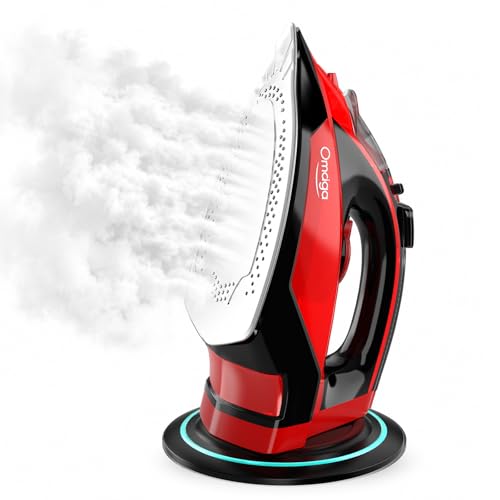
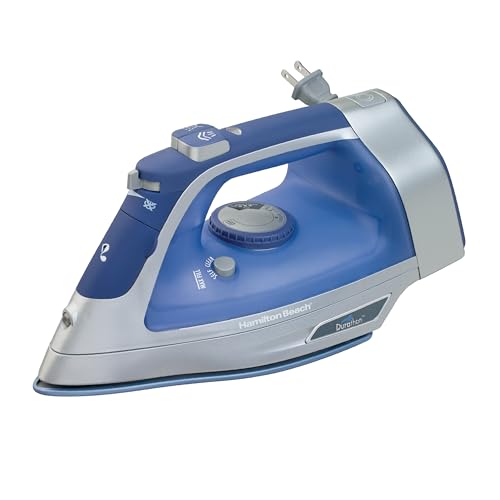
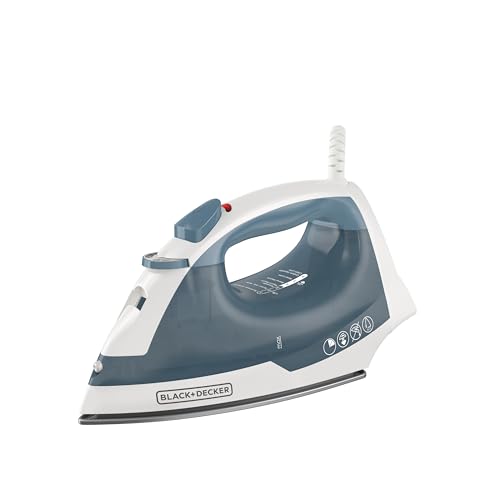
Every iron in the table above was compared on seven criteria using maker specifications, product listings and patterns in owner feedback. We did not run our own trials. Instead we focused on measurable details such as wattage, steam output in grams per minute, soleplate material, safety shutoff behavior and warranty terms.
An iron that passes all seven heats quickly, removes wrinkles in one or two passes, stays safe if you forget it and lasts years. Missing one criterion is not always a dealbreaker, but irons that fail on steam or leaking tend to frustrate their owners quickly.
Why a checklist instead of a single ranking? Because the best clothing iron for a student pressing a few shirts a month differs from the right choice for a family ironing school uniforms every Sunday. The criteria below let you weigh what matters for your own routine.
Soleplate Material
The soleplate is the heart of an iron. Stainless steel soleplates glide well, resist scratches and distribute heat evenly, which is why Rowenta and many premium brands use them. Ceramic and titanium infused ceramic soleplates heat evenly and glide smoothly over delicate fabrics, while basic nonstick coatings are common on budget irons.
Match the soleplate to the fabrics you iron most. Ceramic suits silk, synthetics and mixed loads, while stainless steel handles heavy cotton and linen well. Good: stainless steel or quality ceramic with many evenly spaced steam holes. Poor: thin nonstick coatings that scratch easily and drag on cotton.
Steam hole layout matters as much as material. More holes spread across the whole plate, including the tip, distribute moisture evenly so fabric relaxes in one pass. A grooved tip helps steam reach under buttons, while a smooth, rounded edge prevents catching on seams and pleats.
Practical Features
Practical features are the details that make daily ironing easier. A precision tip reaches around buttons and collars. A retractable cord or cord reel keeps storage tidy. A large, easy to fill water tank with a clear window saves trips to the sink, and a spray nozzle helps dampen stubborn creases.
Fabric presets or a digital display remove guesswork about temperature, which protects delicate clothes. Good: precision tip, clear water window, simple fabric settings and a cord long enough to reach your outlet. Poor: tiny tanks, unclear dials and short cords that limit where you can stand.
Small design details save time too. A wide fill opening reduces spills, a heel rest that keeps the iron stable when standing prevents tipping, and a temperature ready light tells you when the soleplate has reached the right heat so you do not press too early and leave water marks.
Hard Water Protection
Hard water is the hidden enemy of every steam iron. Minerals in tap water build up inside the steam chamber and can clog steam holes or flake out onto clothes. Anti calc systems, self cleaning functions and removable scale collectors fight this buildup.
If you live in a hard water area, these features matter more than wattage. Good: anti calc protection plus a self clean function, and clear guidance on which water to use. Poor: no scale protection and no cleaning instructions, which often leads to white or brown spitting within a year.
If your tap water is very hard, the manual may recommend mixing it with distilled water. Avoid using only distilled water unless the maker says so, since some irons are designed for a little mineral content. Never add perfumed water, starch or vinegar to the tank, which can damage seals and void the warranty.
Weight, Handling and Cord
Comfort comes down to weight, balance and cord design. A heavier iron presses wrinkles out with less effort, while a lighter one is easier on your wrist during long sessions. Most full size irons weigh between about 2.5 and 3.5 pounds.
A cord that swivels at the base, or a 360 degree pivot, prevents tangling as you work. Cordless irons give total freedom but need regular returns to the base to reheat. Good: comfortable grip, balanced weight and a swivel cord at least 8 feet long. Poor: stiff, short cords and handles that feel cramped in larger hands.
Left handed users should check that the cord exits in the center or swivels freely, since side exiting cords can drag across already ironed areas. A textured grip helps when your hand gets warm and slightly damp during long sessions.
Steam Performance
Steam does most of the work in modern ironing. Continuous steam output, measured in grams per minute, keeps fabric relaxed as you iron, while a steam burst blasts out deep creases. Vertical steam lets you freshen hanging garments, curtains and suits without an ironing board.
As a guide, continuous steam around 30 to 40 grams per minute and bursts above 120 grams per minute handle most household ironing. Good: adjustable continuous steam, a strong burst and vertical steaming. Poor: weak steam with no published output figures.
Wattage supports steam output. Higher wattage irons heat faster and recover temperature quickly after a burst, which keeps steam consistent. That is why most irons that deliver strong steam sit in the 1,600 to 1,850 watt range, while compact low wattage irons produce gentler steam suitable for touch ups.
Durability and Care
Durable irons combine a solid soleplate, reliable steam valves and good scale protection. Anti drip systems prevent water from leaking at low temperatures, which protects clothes and extends the iron's life by reducing internal mess.
Warranty terms indicate confidence. Many established brands offer one to two years of coverage. Good: anti drip, anti calc, self clean and a clear warranty. Poor: frequent reports of leaking or steam failure within the first months.
Storage habits affect lifespan as well. Let the iron cool fully before putting it away, wrap the cord loosely rather than tightly around the body, and keep it upright on a shelf where it cannot fall.
Size and Wattage
Choose the iron size and power that match how much you iron. Full size irons with 1,500 to 1,850 watts suit weekly household ironing. Compact irons around 1,000 to 1,200 watts are lighter and cheaper, good for occasional touch ups and small spaces. Steam stations with separate tanks suit large families and heavy ironing loads.
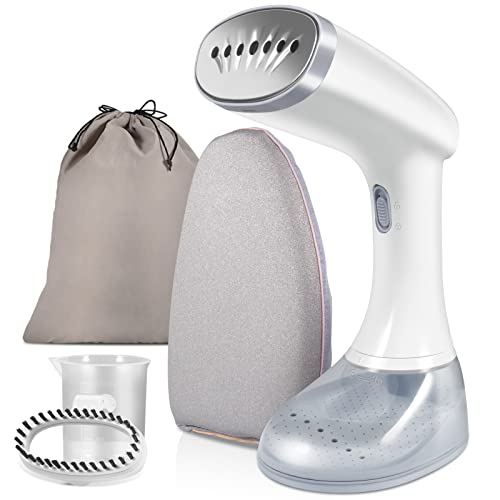
Travel irons and handheld steamers fill a different role, refreshing clothes in hotel rooms or before events. Good: wattage and size matched to how often you iron. Poor: a tiny travel iron used for a full basket of cotton shirts.
Steam stations deserve a closer look if you iron for several people. A separate large tank delivers more continuous steam at higher pressure, so thick fabrics like denim and linen smooth out faster. They cost more and take up storage space, but they turn a big weekly pile into a much quicker job.
3 Picks That Pass Our Checklist
These three irons clear all seven criteria for the uses we describe. Each is sold new on Amazon US from an established appliance brand.
Best Overall: Rowenta Focus Excel DW5280
The Rowenta Focus Excel DW5280 suits households that iron regularly and want dependable steam, at around $82. It runs at 1,725 watts with continuous steam up to 35 grams per minute and a boost up to 135 grams per minute, delivered through more than 400 steam holes in the soleplate.
Two strengths stand out: anti drip protection and an anti calc system with a self cleaning function, which help it keep performing in hard water homes, and an auto off feature for safety. The limitation is weight, which some users find tiring during long sessions. Skip it if you want a very light iron or a cordless design.

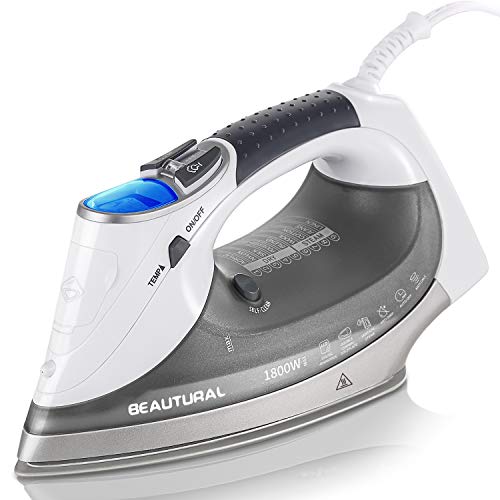
Best Value: BEAUTURAL 1800W Steam Iron with LCD
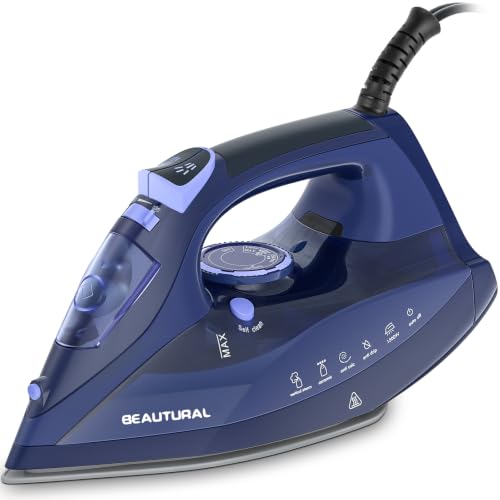
The BEAUTURAL 1800W steam iron is for budget conscious buyers who still want modern features, at around $42. It offers nine fabric presets on an LCD screen, a double ceramic soleplate and 1,800 watts of power with spray and steam bursts.
Its strengths are easy temperature selection and three way auto shutoff that turns the iron off if it is left motionless, which adds peace of mind. The trade off is long term durability compared with premium brands, especially in hard water. Skip it if you iron large loads daily and want a heavy duty steam station.
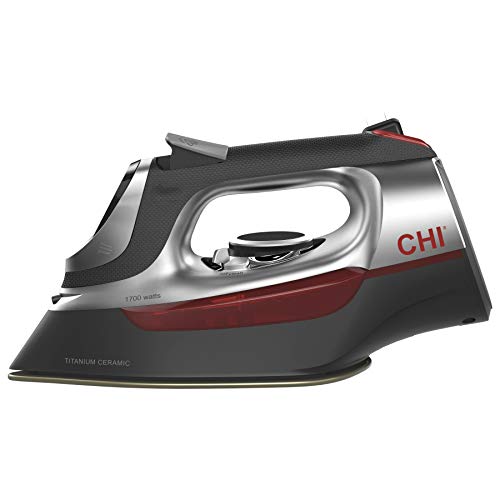
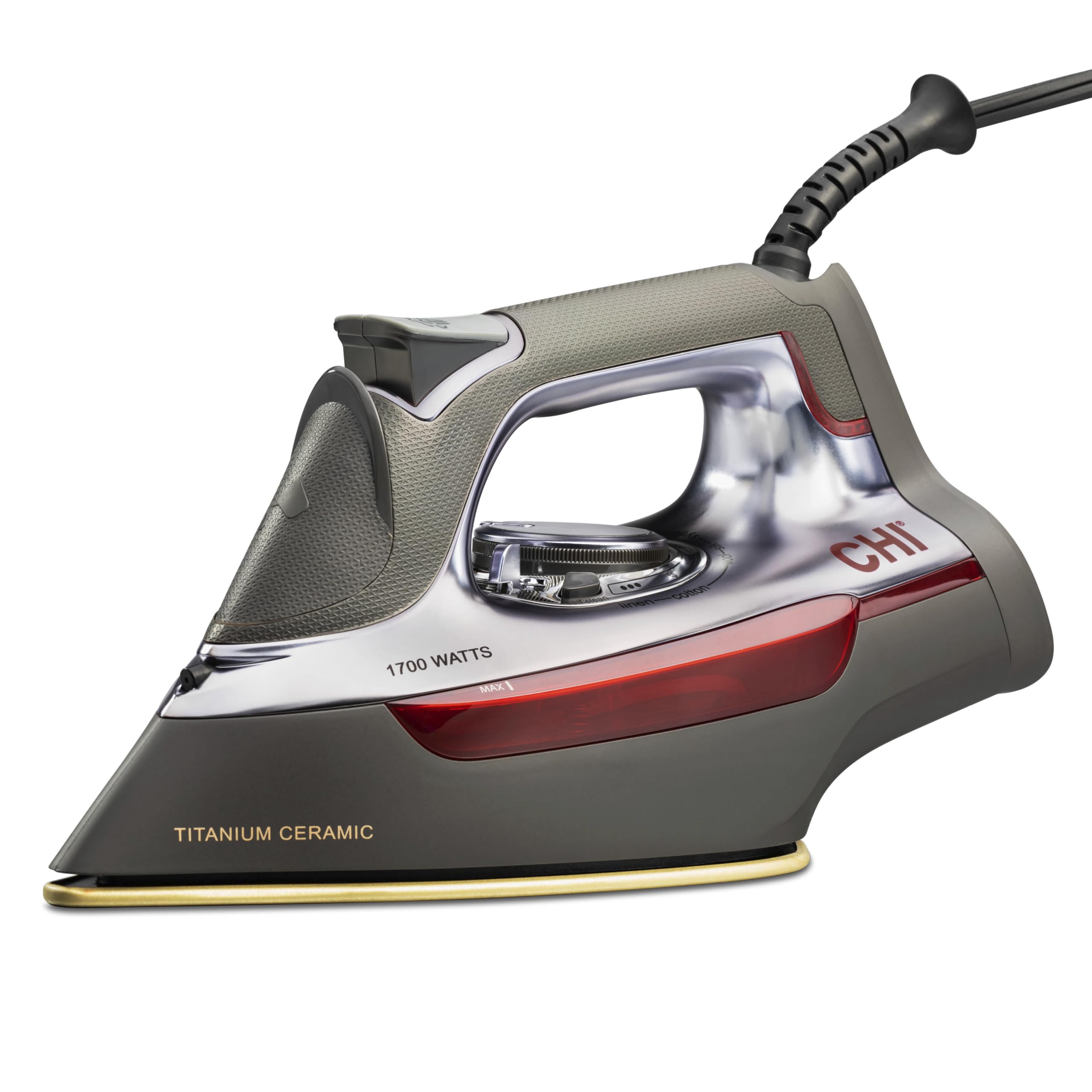
Best Premium Pick: CHI Steam Iron with Vertical Steam Burst
The CHI steam iron suits people who want a smooth glide and versatile steaming, at around $126. It uses a titanium infused ceramic soleplate inspired by CHI's flat iron technology, 1,700 watts, more than 400 steam holes and an 8 foot retractable cord.
The appeal is an illuminated electronic temperature control, vertical steam burst for suits and delicates, and three way auto shutoff. The limitation is price, which is higher than many irons with similar steam figures. Skip it if you mostly need occasional touch ups, where a budget iron or handheld steamer is enough.

Quick Buyer Checklist
- Does the soleplate material suit the fabrics you iron most?
- Is continuous steam output listed, ideally around 30 grams per minute or more?
- Does it have anti drip and anti calc protection for your water?
- Does it shut off automatically when left flat, on its side or upright?
- Is the cord long enough and does it swivel freely?
- Can you see and fill the water tank easily?
- Is the weight comfortable for the length of your ironing sessions?
- Does the warranty cover at least one year?
Red Flags to Watch For
Some irons look appealing but disappoint quickly. Watch for these signs before buying.
- No steam output figures. Vague claims like "powerful steam" without grams per minute often hide weak performance.
- Repeated leak complaints. Many reviews about spitting or dripping suggest poor valves or missing anti drip protection.
- No auto shutoff. An iron without automatic shutoff is a safety risk in busy homes.
- Unusual review patterns. Clusters of short, similar five star reviews deserve caution.
- Missing warranty details. A reputable maker states warranty length clearly.
Tips to Get the Most From Your Clothing Iron
Use the water type your manual recommends; some irons work best with tap water, others with a mix of tap and distilled water. Empty the tank after each use and store the iron upright to prevent leaks and scale buildup.
Run the self clean function monthly in hard water areas. Iron delicate fabrics first at low heat, then move to cotton and linen as the iron heats up. Wipe the cool soleplate with a damp cloth to remove residue, and avoid ironing over zippers or metal buttons that can scratch the surface.
Turn dark fabrics inside out or use a pressing cloth to avoid shine, and slightly dampen very dry cotton before ironing for crisper results. Hang or fold garments immediately after ironing while they are still warm, which helps creases set and keeps them wrinkle free for longer.
FAQs
How hot should an iron be for different fabrics?
Use low heat for synthetics, silk and wool, medium for blends and polyester, and high heat for cotton and linen. Check the care label first, since it shows the safe ironing temperature. Fabric presets on digital irons make this easy. When in doubt, start low on an inside seam and increase gradually.
Are premium brands worth it?
Premium brands are worth it if you iron often and want strong, reliable steam, better scale protection and a smoother soleplate. For occasional ironing, a well rated budget iron with auto shutoff handles most tasks. Spend more for features you will use, such as vertical steam, a precision tip or a large tank.
How do I clean an iron?
Clean the soleplate when cool with a damp cloth, or use an iron cleaner for stubborn residue. For the inside, run the self clean function if your iron has one, following the manual. In hard water areas, clean monthly. Never use abrasive pads on coated soleplates, since scratches cause drag and snagging.
Iron or steamer: which is better for hot weather wardrobes?
For lightweight summer fabrics such as linen and cotton blends, both work. An iron gives crisp creases on shirts and trousers, while a handheld steamer quickly relaxes wrinkles in dresses and delicate tops without a board. Many households keep both: an iron for crisp results and a steamer for quick refreshes.
Final Thoughts
The best clothing iron combines strong, consistent steam, a soleplate that suits your fabrics and safety features that protect your home. The Rowenta Focus Excel DW5280 is our best overall pick for regular ironing, the BEAUTURAL 1800W is a feature rich value choice, and the CHI steam iron offers a premium glide with vertical steaming.
For related gear, see our guides to the best ironing board, the best clothing steamers and the best iron sets, plus our picks for the best curling iron and the best brand clothing roundup. Then compare current prices in the product table above.