Best Closed Toe Sandals for Plantar Fasciitis Made Simple: A Clear Buying Guide for 2026
Disclosure: We may earn a commission when you buy through links on this page, at no extra cost to you. As an Amazon Associate I earn from qualifying purchases. Learn more

Learn how to choose the best closed toe sandals for plantar fasciitis with clear guidance on arch support, cushioning, fit, and daily comfort.
Heel pain first thing in the morning can make even a short walk to the kitchen feel like work. If you are shopping for the best closed toe sandals for plantar fasciitis for the first time, this guide keeps it simple: what these sandals do, which specs actually help sore heels, and how to fit them well. A closed toe design also protects your toes at work, on trails, and in busy places where open sandals leave you exposed.
This article explains support in plain language and does not promise a cure, because sandals manage load and comfort rather than treat the condition itself. If your heel pain is sharp, lasts more than a few weeks, follows an injury, or comes with numbness or swelling, see a doctor or a foot specialist promptly. Use the comparison table below alongside the fit checks here to narrow your choices with confidence.




Closed Toe Sandals 101: The Basics
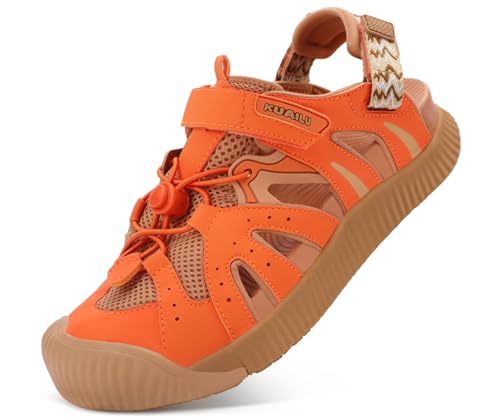
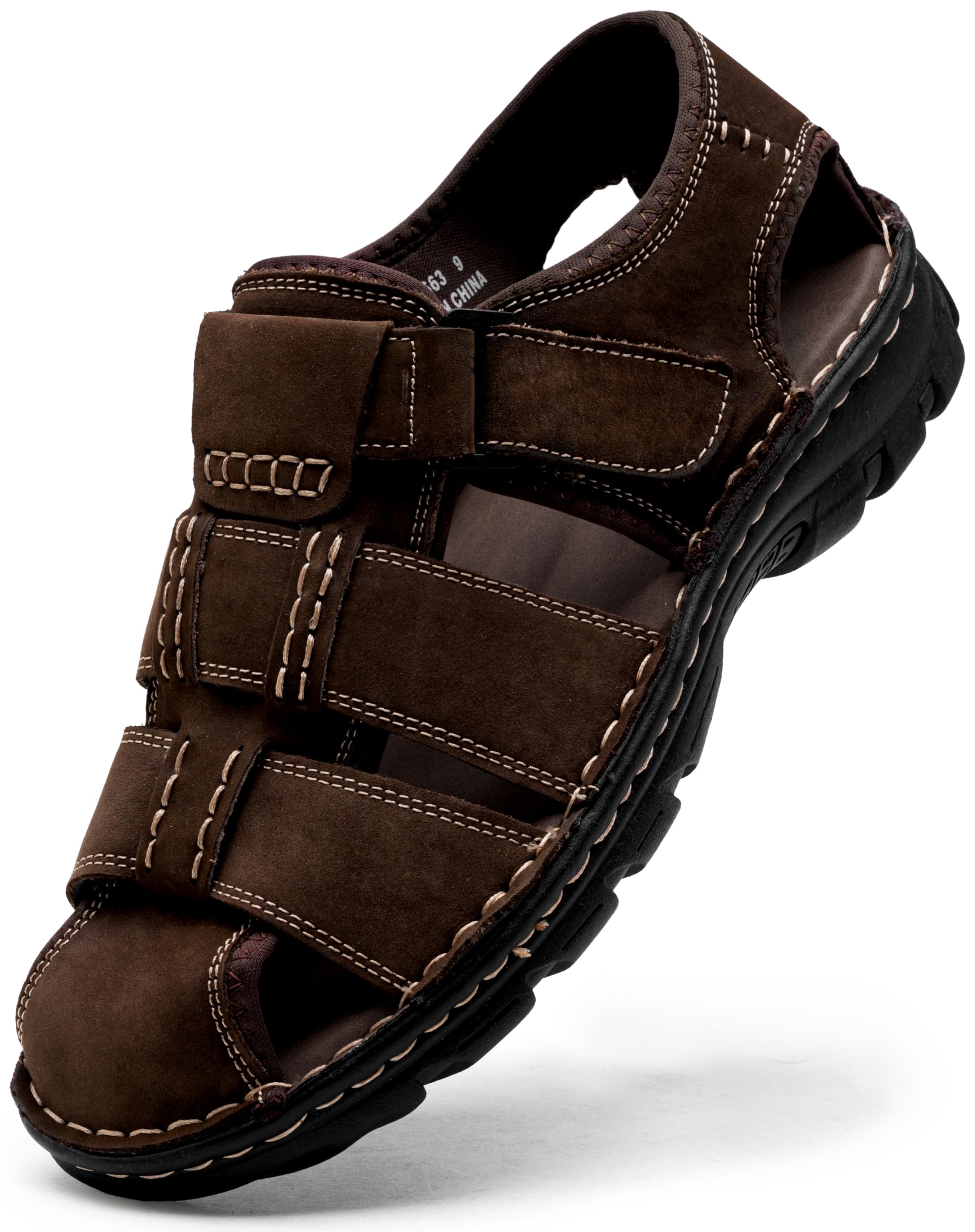
A closed toe sandal is a warm weather shoe with a covered front, open or vented sides, and a sandal style sole and straps. The covered toe box protects against stubs, dropped items, and rough ground, which is why many workplaces and camps prefer this style over open sandals. For heel pain, the important part is underfoot: the footbed shape, the arch support, and the cushioning decide how much strain reaches the plantar fascia, the band of tissue along the bottom of your foot.
A few terms will help you shop. The toe box is the space around your toes, and it should feel roomy in width and height. The heel to toe drop is the height difference between heel and forefoot, and a small drop of about 4 to 10 mm often feels easier on a sore heel than a flat zero drop sandal.
Stability describes how well the shoe controls side to side motion, and a firm heel counter, the cup around your heel, is a big part of it. Breathable uppers and a grippy outsole, the rubber bottom layer, complete the basics for summer use.
Key Specs Explained in Plain English
Features That Matter for Plantar Fasciitis
Plantar fasciitis pain comes from strain and tiny stress in the tissue that supports your arch, so the best sandals reduce that strain with every step. Prioritize a contoured footbed with clear arch support that matches your arch height, a deep heel cup that centers your heel, and cushioning that absorbs impact without feeling mushy. A slightly rockered or gently curved sole can also reduce how hard the tissue works as your foot rolls forward.
Look for a firm midsole rather than a very soft one, because support that collapses under your weight stops helping within an hour. Guidance from foot health groups such as the American Podiatric Medical Association points to supportive, well fitting footwear as a core part of managing heel pain, alongside rest and stretching advised by your clinician.
Fit, Sizing, and Toe Box
Measure your feet in the afternoon, when they are at their largest, and stand while you measure because feet spread under weight. You want about a thumb width of space in front of your longest toe inside the closed front, with no rubbing on top of the toes. The toe box should let your toes lie flat and spread a little, since cramped toes change how your whole foot rolls.
If you wear orthotic inserts at times, check whether the sandal footbed is removable and whether the insert fits without lifting your heel out of the cup. When you are between sizes, the larger size usually works better in a closed toe style, as long as the heel still holds securely with the straps adjusted.
Durability and Expected Lifespan
A supportive sandal only helps while its midsole still holds its shape, so lifespan matters for your budget and your feet. With daily summer use, expect about one to two seasons of strong support, and less if the foam compresses or the outsole smooths out. Signs of wear include a footbed that feels flat, a heel that tilts, and tread that no longer grips wet pavement.
Rotating two pairs extends life because each midsole gets a day to recover. For walking shoes the common guide is replacement after about 300 to 500 miles, and heavy daily sandal use adds up to a similar limit faster than most people expect.
Weight and Flexibility
Light sandals feel easy on short errands, but the lightest models often trade away the firm support a sore heel needs. A moderate weight pair with a structured sole usually serves plantar fasciitis better than an ultralight flexible pair. Check flexibility by hand: a good supportive sandal bends at the ball of the foot, where your foot bends, and resists twisting through the middle.
If you can wring it like a towel, it will likely feel too soft for long walks. Keep in mind that protection counts too, and a closed toe with a sturdy bumper adds a little weight that is worth carrying.
Break In Period and Comfort Out of the Box
Supportive sandals should feel comfortable right away in length and width, with no sharp edges or strap rub. The arch support itself may feel new for a few days if you are used to flat shoes, and that is normal. Wear a new pair for one to two hours at home first, then add time over a week before a long outing.
Stop and reassess if you get blistering, new pain in the arch, or pain that is worse the next morning, because those are signs the shape does not suit your foot. Talk with your clinician about personal needs if soreness keeps building instead of easing.
Many readers also compare open styles for home use, and our guide to the best sandals for plantar fasciitis covers those options. For full shoes at work or in cooler months, see our guide to the best shoes for plantar fasciitis for the same support ideas in a closed shoe.
Rookie Mistakes to Avoid
- Choosing the softest cushioning. Very soft foam feels kind in the shop but often lacks the arch support that unloads the fascia during a full day.
- Buying flat fashion sandals for long walks. A thin flat sole gives your arch no help and can leave heel pain worse by evening.
- Ignoring the heel cup. A shallow heel lets your foot slide and shifts pressure, while a deep cup keeps padding under the sore spot.
- Sizing from your morning foot. Feet swell during the day, so a closed toe pair that fits at breakfast may pinch by afternoon.
- Expecting sandals to fix the problem alone. Footwear is one part of care, and ongoing pain needs a clinician, not a bigger shoe budget.
Getting Started: Setup and First Use
Start by adjusting every strap so your heel sits deep in the cup and your forefoot feels held, not squeezed. Walk on a hard floor at home for the first wear, because hard surfaces show you the true level of support faster than carpet. Keep the first outings short, around home and errands, and build toward longer walks over one to two weeks.
Air dry wet sandals away from direct heat, since heat can warp foam footbeds and loosen glue. Replace walking shoes every 300 to 500 miles as a general guide, and apply the same thinking to sandals you walk in daily.
If you want the broader closed toe range beyond heel pain models, our guide to the best closed toe sandals compares general styles. Readers who prefer an open slide at home can also see the best slide sandals for plantar fasciitis guide for house and recovery use.
Frequently Asked Questions
What features matter most in closed toe sandals for plantar fasciitis?
Arch support, a deep heel cup, and firm cushioning matter most, in that order. The arch support reduces strain on the plantar fascia, the heel cup centers the natural fat pad under your heel for better shock absorption, and firm cushioning softens impact without collapsing. A closed toe adds protection but does not change pain on its own. If one feature must win, choose the footbed shape that matches your arch.
Do I need waterproof shoes?
Only if your routine includes wet ground, boat decks, or rainy commutes. Water friendly sandals use synthetic straps and drainage friendly soles that dry fast, which is handy at the beach or pool. For dry daily wear, a breathable leather or mesh upper often feels cooler and softer against the skin. Note that very water focused models can have flatter footbeds, so check the arch support rather than assuming it is there.
Are expensive closed toe sandals worth it?
They can be, when the higher price buys a shaped footbed, better midsole foam, and straps that adjust in more than one place. Expect a useful range around $60 to $130 for supportive models, with higher prices tied to leather quality and durability. Price alone proves nothing, so judge the support and fit first. A mid priced pair that matches your arch will serve you better than a costly pair built for a different foot shape.
How should closed toe sandals fit?
Your heel should sit fully in the heel cup with no overhang, your toes should have room to lie flat, and the straps should hold the sandal without tight hot spots. Walk and check that your heel does not lift out and that the toe bumper never presses your toenails on a downhill slope. Fit them in the afternoon with the socks you plan to wear, if any. A good fit feels secure the moment you fasten the straps, not after a week of hope.
How often should I replace my closed toe sandals?
Replace them when the support fades, even if they still look fine on top. For daily walkers that is often after one to two summer seasons, or roughly when the midsole feels flat and morning heel pain starts creeping back in that pair. Check the outsole for smooth worn spots and the footbed for deep compression. Rotating pairs and keeping sandals out of heat will stretch the useful life of each pair.
The Bottom Line
Put arch support first, fit second, and toe protection third, and your choice gets much easier. Measure in the afternoon, demand a deep heel cup and a firm shaped footbed, and give any new pair a gradual first week. If pain persists, sharpens, or limits your daily life, see a doctor or foot specialist rather than trying pair after pair. Compare your finalists with the product table above and choose the best closed toe sandals for plantar fasciitis that support your heel through the whole day.