
Best Brand Sandals for Plantar Fasciitis: Who Makes the Most Reliable Models for 2026?
Disclosure: We may earn a commission when you buy through links on this page, at no extra cost to you. As an Amazon Associate I earn from qualifying purchases. Learn more

Which names can you trust? We compare the best brand sandals for plantar fasciitis on reliability, features, support, and value so you can shop with confidence.
A logo on a strap tells you very little about how a sandal will treat a sore heel at hour six. Some companies build their whole line around structured support, while others sell soft, flat sandals with a comfort label. Reliability is what separates the two groups.
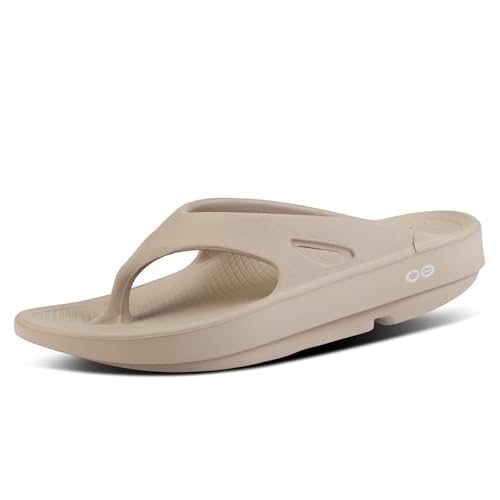
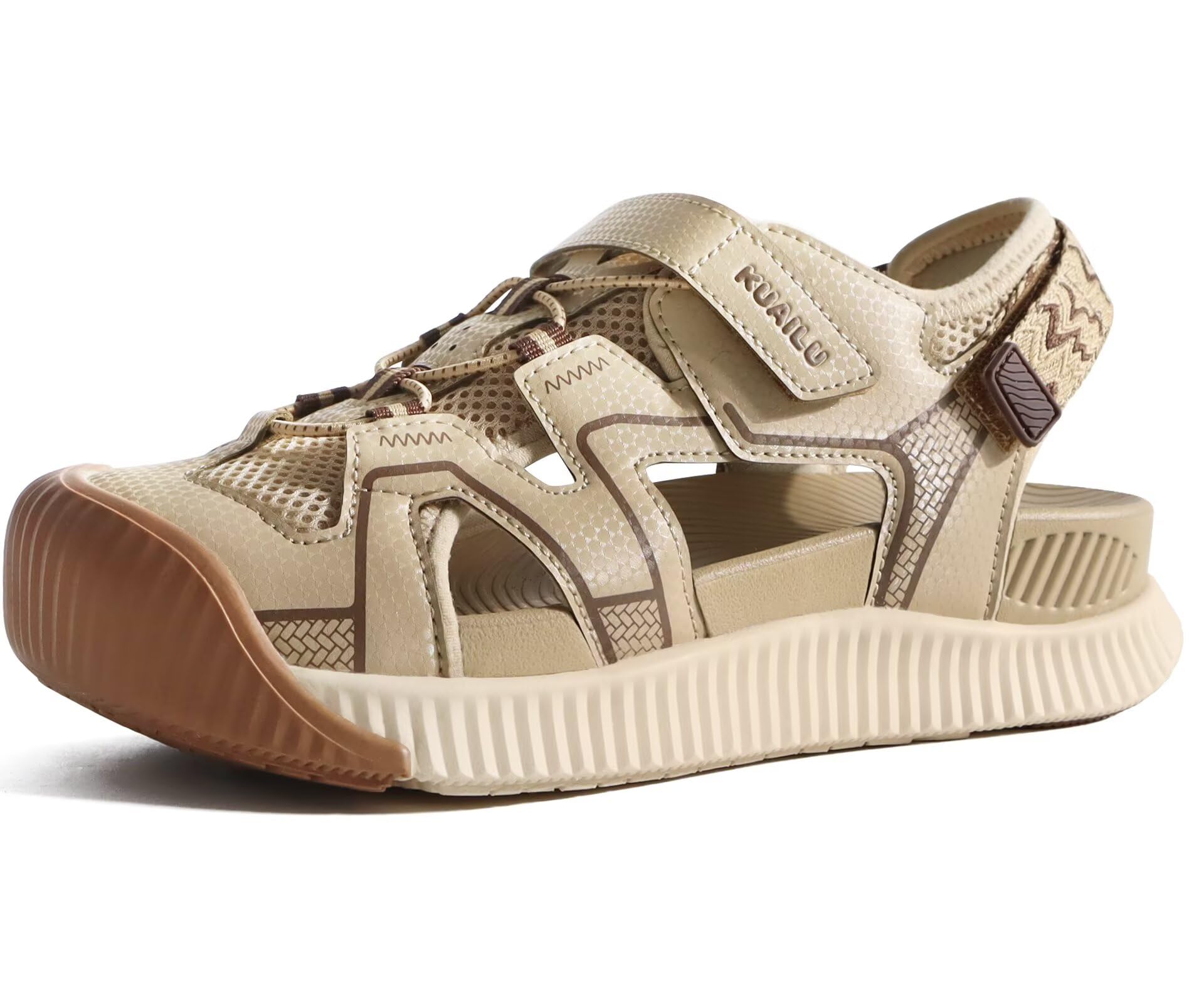
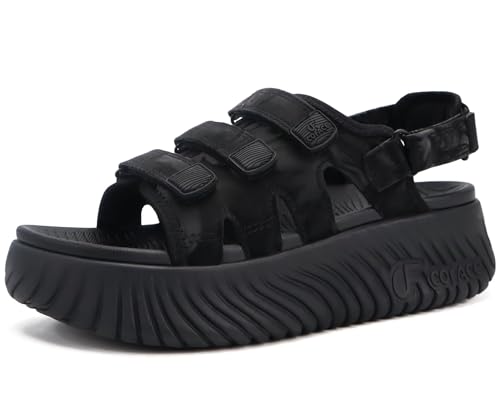
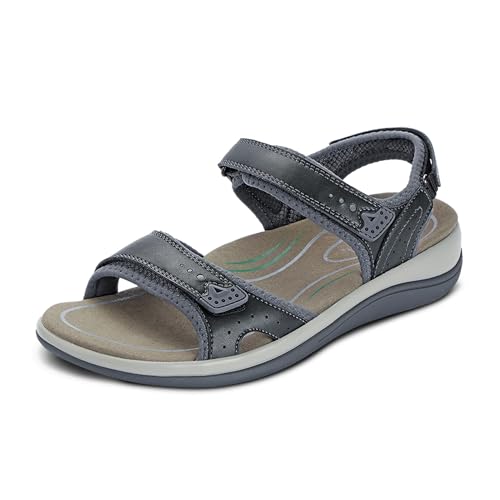
This article uses a simple evaluation checklist to judge the best brand sandals for plantar fasciitis shoppers can actually rely on. Check the comparison table below for the models and features in play, then use the checklist to score any brand you are considering.




What Makes a Great Sandal Brand?
Start your evaluation before you look at styles. A reliable brand publishes honest specifications, keeps its sizing consistent from one season to the next, and answers support questions with real detail. It also sells through retailers with clear return terms, because supportive footwear often needs a home trial before you know the fit is right.
Use this checklist as you shop. Does the brand describe its arch shape and heel cup, or only promise comfort? Does it offer wide and narrow options? Can you replace straps or footbeds, or reach a support team in the US? Brands that answer yes most often tend to serve plantar fasciitis shoppers best over time.
Features That Matter for Plantar Fasciitis
Plantar fasciitis puts repeated strain on the tissue along the sole, so generic softness is not enough. Prioritize a contoured footbed, firm arch support that matches your arch height, and a deep heel cup that keeps the heel pad centered under the bone. A modest heel to toe drop, roughly 4 to 10 mm, and a stable base matter more than extra thick foam. Seek medical advice promptly for sharp pain, numbness, swelling, or pain after an injury, and let a podiatrist confirm that sandals fit your treatment plan.
Fit, Sizing, and Toe Box
Consistent sizing is a reliability signal you can test. Order your usual size and check that the arch rise sits under your own arch, not under the ball of your foot. Your toes need room to spread in a toe box that is wide enough, yet the midfoot should stay secure so the foot does not slide and shear against the footbed. Measure both feet late in the day, fit the larger one, and use the brand exchange policy if the first pair misses.
Cushioning and Support
Cushioning and support do different jobs. Cushioning absorbs impact at heel strike, while support controls how far and how fast the foot rolls inward. Neutral, softly cushioned sandals suit some feet, but many plantar fasciitis shoppers do better with a stability leaning design that pairs a firm arch with a shock absorbing heel. Thick soles feel kind at first touch, yet a sole that compresses unevenly can tilt the foot. Judge the pair after a long indoor walk, not after ten steps.
Top Brands at a Glance
The comparison table above shows individual models, but brands fall into clear families with shared habits. Reading the families below will help you predict how a new model from a given label is likely to behave, even before you try it on. Prices are general ranges for the US market and change with sales and season.
Podiatry Led Labels
Labels guided by foot specialists put structure first. Expect firm, shaped footbeds, documented arch heights, and staff who can discuss conditions in plain terms. These brands often earn repeat buyers because each new model keeps a familiar fit. Styles lean plain and prices often run about $85 to $150, yet the support per dollar is strong for daily wear. If your heel pain greets you with your first morning steps, start your search in this family and compare return terms carefully.
Running Recovery Labels
Brands born in running recovery make plush slides and sandals for tired legs after training or long shifts. Their foams feel forgiving and light, and prices often sit around $45 to $90. As house footwear they can reduce barefoot time on hard floors, which is a common goal in our guide to the best slide sandals for plantar fasciitis. The limit is control, since very soft soles give little guidance to an overpronating foot. Treat them as one part of a rotation, not your only support.
Trail and Travel Labels
Outdoor labels contribute grip, drainage, and straps that adjust at several points. That adjustability helps swollen summer feet and makes these sandals practical for trips that mix pavement, sand, and rain. Support quality is the variable, because some models are flat beneath the rugged outsole. Read the footbed description closely and favor contoured versions. Shoppers who want a broader view across styles can start with our overview of the best sandals for plantar fasciitis and then narrow by use case.
Everyday Comfort Labels
Mainstream comfort labels sell the sandals most people actually wear to work, school events, and dinners out. They balance moderate support with looks, leather options, and prices around $60 to $120. For women, the range of dressier supportive straps is widest here, a point covered further in our guide to the best women's sandals for plantar fasciitis. These brands rarely offer the firmest arch, so shoppers with severe symptoms may find them fine for evenings but thin for full days of standing.
Value and House Brand Labels
Store brands and value labels copy the shapes of premium footbeds at prices near $25 to $55. Quality control is the gamble, since sizing and foam density can shift between batches. They can still serve as a spare pair for the yard or locker room, and a low price lets you learn what arch shape suits you. Men shopping this tier should check strap durability and wide availability, topics detailed in our page on the best men's sandals for plantar fasciitis.
Heritage Leather Labels
Heritage labels build leather sandals on cork or molded footbeds that gradually shape to your foot. The break in takes patience, but loyal wearers prize the custom feel and the ability to resole or repair some models. Prices often run about $100 to $170, balanced by long service life when you keep leather away from soaking water. Fit runs firm at first, so this family rewards shoppers who can commit to a gradual start and follow the maker care guidance closely.
How to Choose Between Brands
Score your finalists against the checklist in order: footbed shape, size range, return window, warranty, then price. A famous name cannot rescue a model whose arch lands in the wrong place on your foot, and a lesser known label with the right shape and a fair return policy is often the smarter buy. Read recent buyer comments for sizing patterns rather than star averages.
Two practical habits protect your purchase. First, trial each pair indoors on hard floors across two or three days, keeping packaging intact. Second, rotate sandals with supportive closed shoes during the week; our article on the best shoes for plantar fasciitis explains how to keep support consistent at work. Consistency across your footwear usually matters more than finding one flawless brand.
FAQs
How often should I replace my sandals?
Plan on replacement when the heel cushion stays compressed or the outsole tread wears smooth in your strike zone, commonly after a season or two of heavy use. A useful home check is comparing a worn pair with a new pair of the same model; a visible drop in footbed height means support has faded. Keeping a purchase date note in your phone makes the timing easy to judge.
Can I wear plantar fasciitis sandals all day?
Yes, many wearers manage full days in supportive sandals, provided the fit is right and they build up wear time over a week or two. Jobs on concrete still call for breaks and, on some days, closed supportive shoes instead. Alternate footwear through the week so no single pressure pattern repeats daily. If pain climbs hour by hour, that is feedback about fit or workload, not something to push through.
How should sandals fit?
A good fit centers your heel in the cup, leaves a short space ahead of your toes, and holds the midfoot without squeezing. The arch rise should feel present but not like a stone underfoot. Try pairs late in the day, when feet are slightly swollen, and walk on the hardest floor in your home. Any sliding forward as you step means the straps or size need adjustment.
Are expensive sandals worth it?
Higher prices are justified when they buy denser foam, better strap materials, more sizes, and service you can actually reach. They are not justified by branding alone. Compare cost per season of use instead of sticker price, and weigh the return policy heavily, since a returnable premium pair is safer than a final sale bargain. Many shoppers land in the middle range once they score brands with a checklist.
How long is the break in period?
Expect roughly one to two weeks of part time wear before a structured footbed feels natural. Begin with an hour or two at home, then extend the time as long as comfort improves day by day. Cork and leather footbeds can take longer because they mold slowly. Persistent pinching, hot spots, or new joint pain means the model does not suit your foot, regardless of brand reputation.
Do I need waterproof sandals for plantar fasciitis?
Only if your week includes pools, docks, wet grass, or rainy travel days. Synthetic sandals shed water, resist odor, and keep their shape after getting soaked, while leather versions need drying time away from heat. One dedicated wet use pair protects your main supportive pair from damage. Check that wet grip is part of the design, since a smooth wet outsole is a fall risk on tile and boat decks.
Wrapping Up
Reliability comes from a shaped footbed, honest sizing, and a brand that supports you after checkout. Score every finalist with the checklist, lean on the comparison table above, and remember that the best brand sandals for plantar fasciitis choice for a friend may not match your arch at all. When in doubt, choose the return friendly option, and talk with your clinician about how sandals fit your personal foot health needs.


