Best Chef Shoes For Plantar Fasciitis Explained for 2026
Disclosure: We may earn a commission when you buy through links on this page, at no extra cost to you. As an Amazon Associate I earn from qualifying purchases. Learn more

Learn how to choose best chef shoes for plantar fasciitis with confidence, covering fit, features, costs, and care for a sound daily choice.
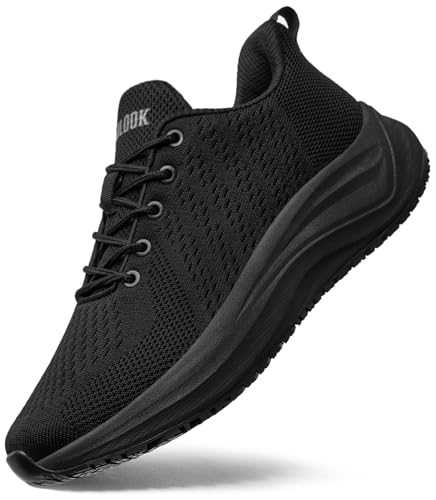
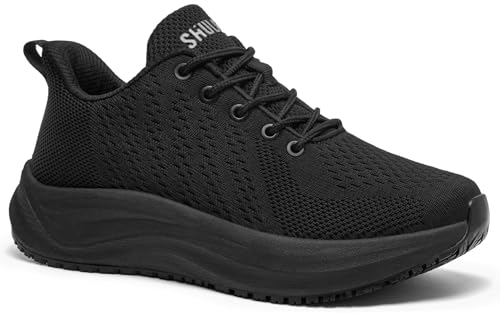
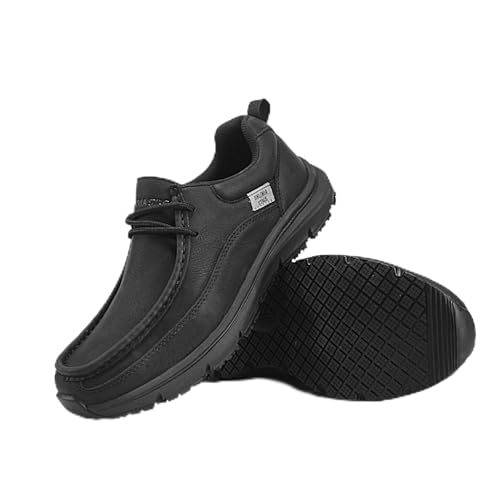
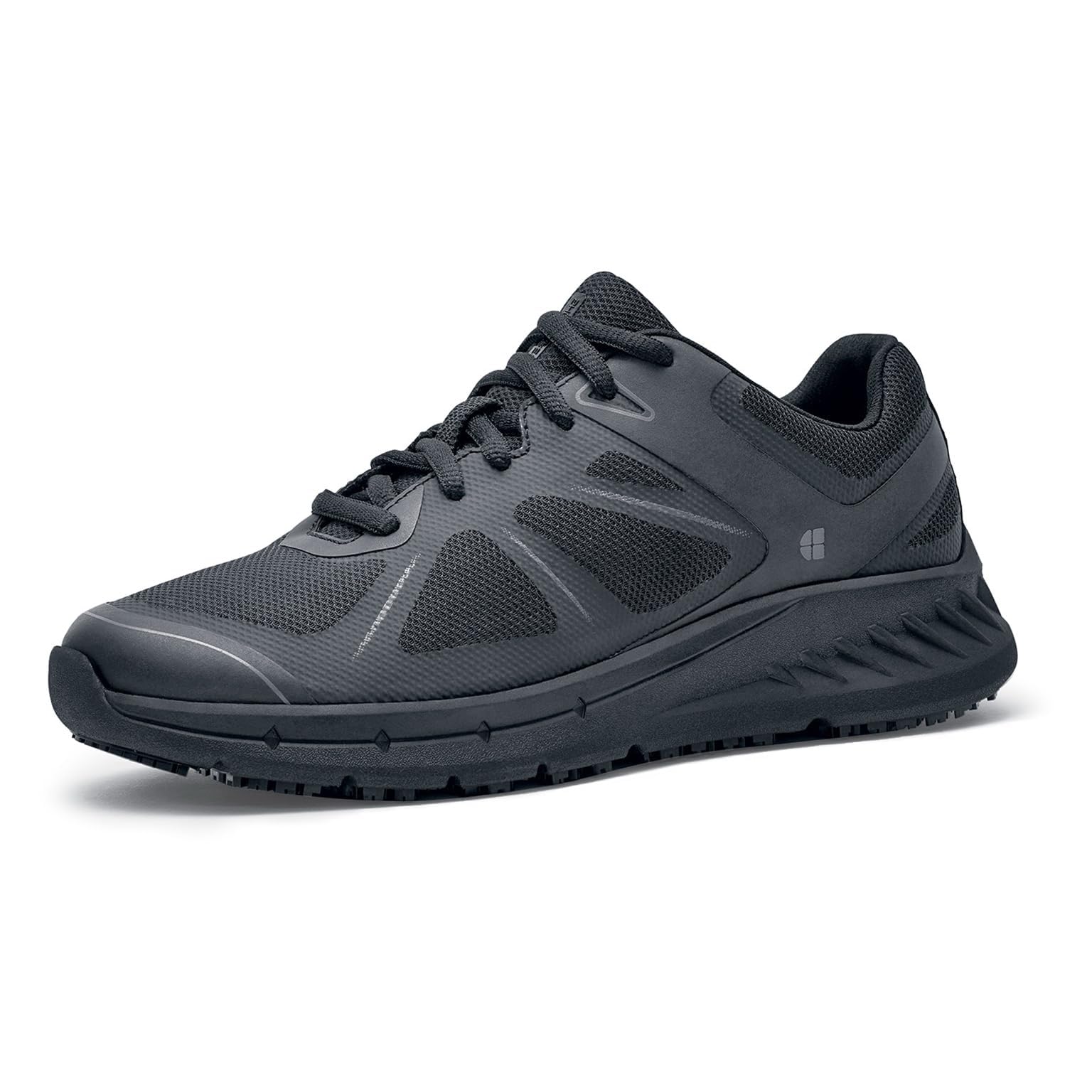
Heel pain that flares on the first steps of a shift makes a long service feel even longer, and shoes are one of the few things you can change yourself. The best chef shoes for plantar fasciitis pair firm arch support and a stable heel cup with the slip-resistant sole a kitchen demands. The product table below compares supportive styles so you can see how they differ in support, weight and price.
This guide explains which features matter when you shop for the best chef shoes for plantar fasciitis, how to fit a shoe for a full shift and how to care for a pair so the support lasts. It offers general footwear guidance only, so check with your doctor or a podiatrist about heel pain.



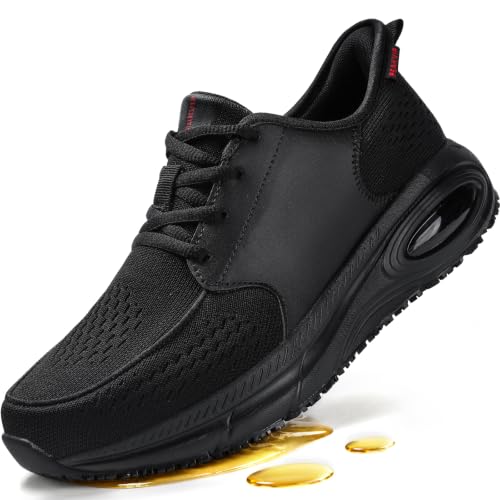

What to Look for in Chef Shoes for Plantar Fasciitis
Arch Support That Holds Its Shape
Support should match the height of your arch and keep its shape after hours of standing. A soft insert that flattens by mid-shift offers little, so stand in the shoe for several minutes before you judge it, rather than pressing the insole with your thumb. Many cooks prefer a structured footbed that fills the arch without pushing hard into it.
Heel Cushioning and a Stable Heel Cup
Each step on a hard floor sends impact into the heel. Cushioning softens that impact, while a firm heel cup keeps the foot landing in the same place step after step. Very soft shoes with no structure can feel pleasant at first and then collapse as the foam compresses.
Slip Resistance and Protection
A kitchen sole must grip wet, greasy tile and clear liquid through its tread. A closed toe, a closed heel and a water-resistant upper are standard requirements in most kitchens. A shoe that is supportive but slippery is not a safe choice, so check the sole description before you check the cushioning.
Toe Room and Fit
Toes need space to spread under load, because a cramped toe box changes how the foot bears weight. Try shoes late in the day, when feet are slightly swollen, and wear your work socks. Leave about a thumb's width in front of the longest toe, and make sure the heel stays put without lifting.
A Removable Insole
A removable insole lets you add a custom or off-the-shelf support if your clinician suggests one. Bring any inserts you already use to the fitting, and check that the shoe still has enough depth with the insert in place.
Styles to Consider
Clog-Style Kitchen Shoes
Clogs are roomy, easy to clean and simple to slip on, and some models include a contoured footbed. They suit cooks who want quick changes and extra toe room. Check the heel strap, because support is lost if the heel slides.
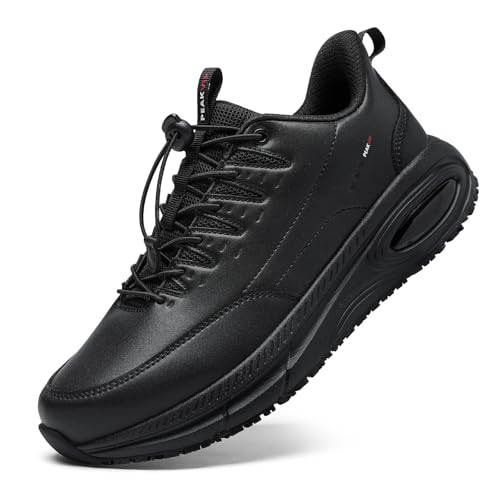
Lace-Up Work Sneakers
Lace-ups hold the midfoot and heel more closely, and you can loosen or tighten them as your feet swell during the shift. They suit cooks who need precise support while moving quickly between stations.
Slip-On Work Shoes
Slip-ons use elastic or a strap for fast changes. They suit busy kitchens where shoes come off for cleaning, but they must still hold the heel firmly or the support is wasted.
How to Choose, Step by Step
- Note when your heel pain is worst, such as the first steps of the day, mid-shift or after standing still.
- Try shoes late in the day, with your usual socks and any inserts.
- Stand, walk and pivot on a hard floor for several minutes, not only on carpet.
- Check arch hold, heel stability, grip and toe room before you decide.
- Keep the receipt and the box until you have worn the shoes through a full shift.
Care and Replacement
Wipe the upper and rinse the sole after each shift so grease does not harden in the tread. Rotate two pairs if you work back-to-back long days, because cushioning recovers when it rests. Replace the shoes when the support feels flat, the tread wears smooth or the old aches return in a pair that once felt good.
Many readers also look at insoles. Our guides to the best plantar fasciitis insoles and the best shoes for plantar fasciitis cover the options beyond the kitchen.
Common Mistakes to Avoid
- Choosing soft, flat shoes that feel kind at first and flatten by mid-shift.
- Ignoring slip resistance because a shoe looks supportive.
- Buying a tight size to feel supported, which squeezes the toes and changes the way you walk.
- Skipping a break-in period before a long double shift.
- Keeping worn-out shoes because the upper still looks fine.
When to Get Medical Advice
Heel pain that is sharp, sudden or paired with swelling, bruising, numbness or difficulty putting weight on the foot needs prompt attention. Talk with your doctor or podiatrist about pain that lasts for weeks or keeps getting worse. Use shoes and insoles for comfort and fit, not as a substitute for medical advice.
Frequently Asked Questions
What makes a chef shoe good for plantar fasciitis?
Firm arch support, a stable heel cup, balanced heel cushioning and a slip-resistant sole matter most. Together they keep the foot aligned through a long shift instead of letting it collapse as you tire. A removable insole adds flexibility if you need to swap in your own support.
Should I wear insoles in chef shoes?
Insoles can help if they match your arch and fit inside the shoe without crowding the toes. Bring any insoles you already use to the fitting and try the whole combination on a hard floor. Ask your clinician which type suits your feet.
Are clogs or lace-ups better?
Clogs offer easy cleaning and a roomy fit, while lace-ups offer a closer, more adjustable fit. The better choice is the one that holds your heel and arch firmly through a full shift.
How do I break in new chef shoes safely?
Wear them for short periods first, then build up to a full shift over several days. Stop and check for blisters or new pain, because a shoe that hurts early rarely becomes comfortable later.
When should I see a doctor about heel pain?
See a doctor if pain lasts for weeks, gets worse or changes the way you walk, and seek prompt care for sudden pain, swelling or numbness. A clinician can find the cause and advise on treatment beyond footwear.
Final Thoughts
Match the support to your arch, put grip and protection first and test the fit on a hard floor before you commit. Compare the options in the product table above, then choose the best chef shoes for plantar fasciitis that stay supportive through your longest day, and talk with your doctor about any heel pain that does not ease.