
Best Clipless Shoes for Road Bike: A First Time Buyer's Guide for 2026
Disclosure: We may earn a commission when you buy through links on this page, at no extra cost to you. As an Amazon Associate I earn from qualifying purchases. Learn more

Shopping for the best clipless shoes for road bike for the first time? Learn the terms, compare options, and avoid rookie mistakes with this easy guide.
Buying your first pair of shoes that clip into your pedals can feel confusing, because the names, cleat systems, and stiffness numbers all sound technical at first. This guide walks you from the plain basics to a confident choice, step by step and in simple language. If you are shopping for the best clipless shoes for road bike use, the comparison table below gives you a quick view of common options while you learn what each feature actually means for your feet.
You do not need racing gear or a huge budget to benefit from clipped in riding. You need a shoe that matches your pedals, fits your foot shape, and suits the kind of miles you plan to ride each week.

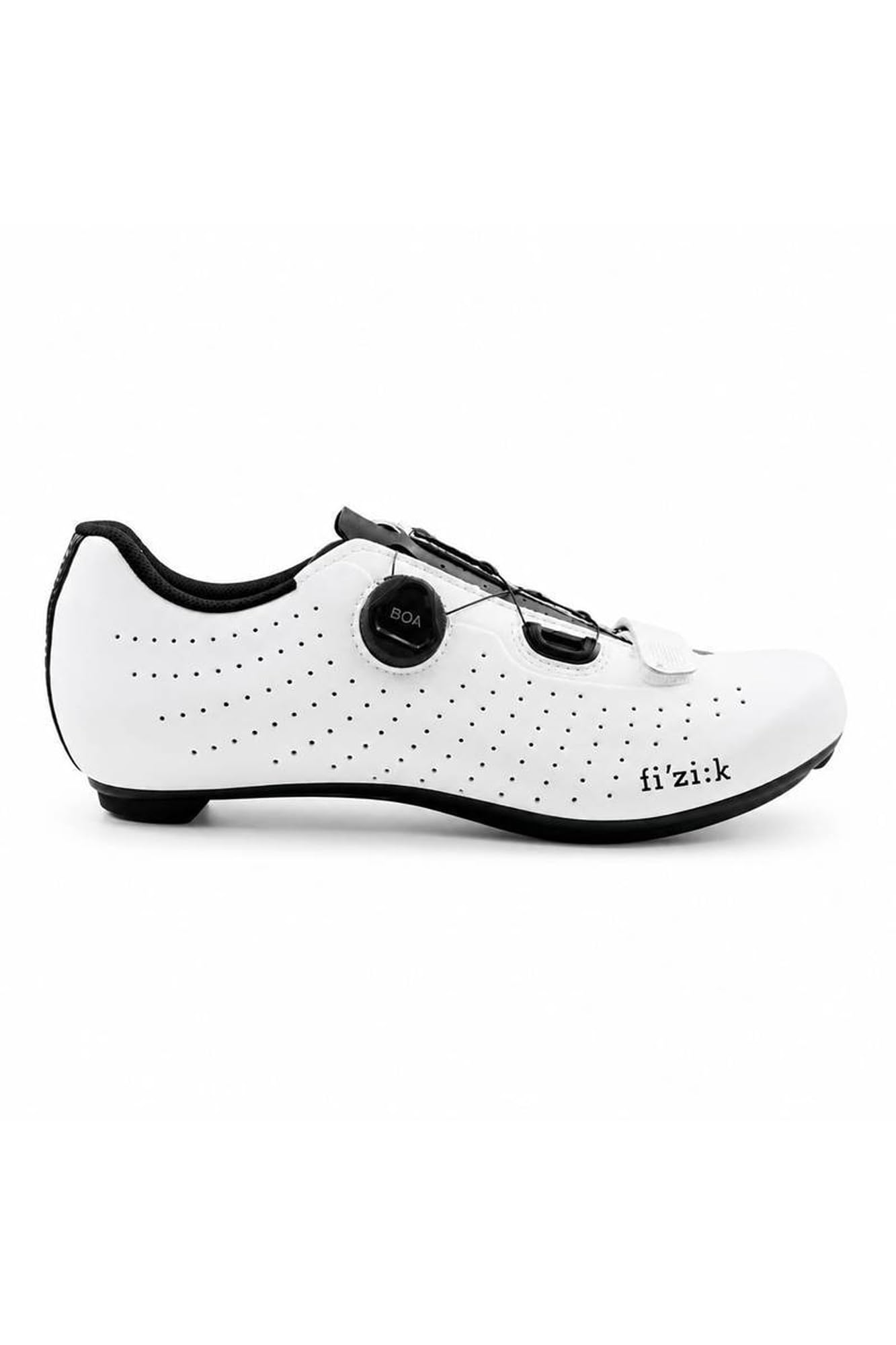


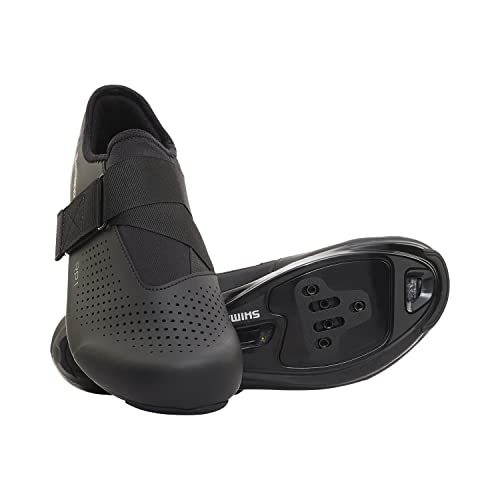

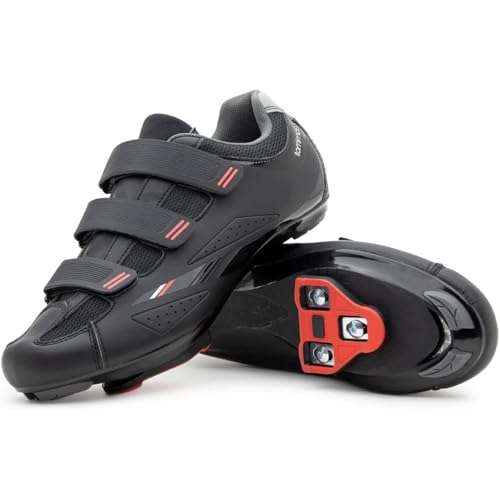
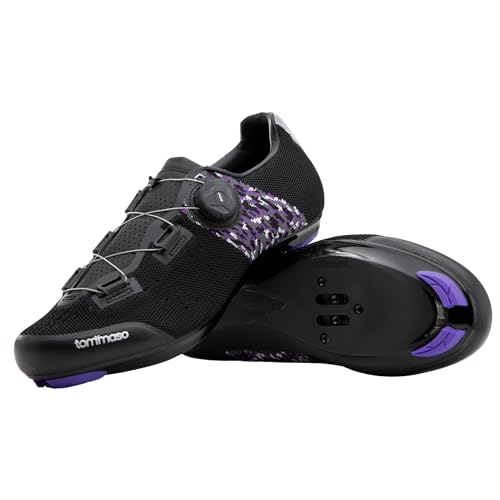


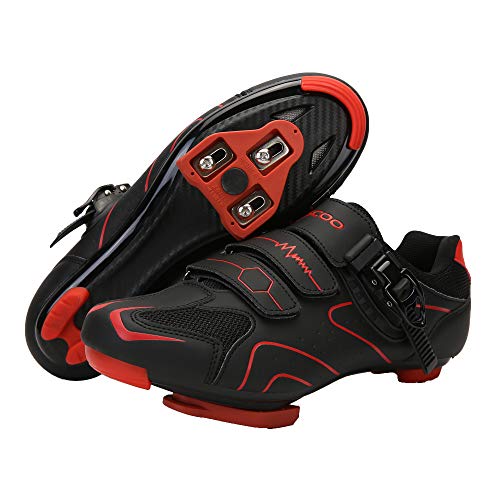
Clipless Shoes 101: The Basics
The name sounds backwards, but clipless simply means the shoe has no old style toe cage on the pedal. Instead, a small metal or plastic cleat bolts to the sole of your shoe, and that cleat clicks into a matching pedal with a firm, secure snap. A twist of your heel outward releases the cleat, and with a little practice that motion becomes automatic at stops and starts.
Clipping in keeps your foot in the right spot on the pedal, so your leg power goes into the bike instead of sliding around on a flat surface. It also helps you pedal in smooth circles and keeps your shoes steady on fast descents and rough pavement. The trade off is a short learning period, plus the need to buy shoes and pedals that share the same cleat standard.
Two families dominate road riding. Three bolt systems use a large cleat that gives a wide, stable platform and suits most road pedals. Two bolt systems use a smaller recessed cleat that is easier to walk in, and they appear more often on gravel and indoor cycling shoes. Your first decision is always which family your pedals use, because a shoe drilled for one pattern will not fit the other without an adapter.
Key Specs Explained in Plain English
Features That Matter for Road Bike
Road riding rewards a stiff sole, because a sole that barely flexes sends more of your effort to the pedal and reduces hot spots on long rides. Look for a stiffness rating in the middle to upper range for fitness and club riding, and leave the most extreme race soles for riders who chase speed above comfort. Closure matters too.
Dial closures let you adjust tension in tiny steps while you ride, straps cost less and stay simple, and laces give a classic look with slower changes. A snug heel cup and a firm toe area round out what matters most.
Bike Type and Riding Style
Your riding style shapes the shoe you need more than any single spec. Endurance riders who spend three or four hours in the saddle should favor comfort, a roomy fit, and a sole that is stiff but not punishing. Riders who join fast group rides or race short events can accept a tighter fit and a stiffer sole for sharper response.
If you also ride gravel or commute on the same bike, a two bolt shoe with a recessed cleat walks better at coffee stops and office doors. Be honest about your main use, and let that use lead the choice.
Cleat Systems: Three Bolt and Two Bolt
The cleat pattern is the one spec you cannot work around. Three bolt soles accept the large plastic cleats used by most road pedals, and they give a wide, stable platform with the cleat sitting flush on the sole. Two bolt soles take the small metal cleats common on mountain and gravel pedals, usually recessed into a rubber tread so you can walk normally.
Some shoes drill both patterns, which is handy if you ride a road bike outdoors and a spin bike indoors. If you are still choosing a bike to go with the shoes, our guide to the best bike for mountain and road explains how one bike can cover both kinds of riding, and the pedal choice follows from there.
Sole Material and Stiffness
Road soles come in nylon, nylon reinforced with glass fiber or carbon, and full carbon. Nylon soles flex a little, which feels forgiving on a first pair and costs the least. Reinforced soles sit in the middle and suit most club riders for years.
Full carbon soles are the stiffest and lightest, but they transmit every bump and punish a poor fit, so they reward riders who already know their size and cleat position. Makers often print a stiffness index on the box, and the numbers only compare within one brand, so judge by material and feel rather than chasing the highest figure.
Closures: Dials, Straps, and Laces
Closures decide how evenly the shoe holds your foot and how easily you can loosen it when your feet swell on a hot ride. Dials tighten a thin cable in small clicks and release with a pull, so you can adjust while rolling. Hook and loop straps cost less, weigh little, and are easy to replace, though they lose grip as they age.
Laces spread pressure most evenly and look classic, but they cannot be changed on the move and need a keeper so they stay clear of the chain. A single dial with one strap at the toe is the most common midrange layout and a sensible first choice.
Ventilation and Weather
Road shoes run warm because a stiff sole and a snug upper trap heat. Mesh panels and perforated uppers keep summer rides comfortable, while a mostly solid upper suits cooler regions and pairs well with overshoes in winter. Vents in the sole help on long climbs but let water in through puddles, so riders in wet climates often prefer a plainer sole. Light colors stay cooler in the sun and show dirt sooner, which matters only if you mind cleaning them.
Sizing and Fit
Measure both feet late in the day, when they are at their largest, and shop by length in millimeters where a size chart offers it. Cycling shoes should feel snug at the heel and midfoot with a little room for your toes to spread, because feet swell on warm rides. If you fall between sizes, most riders do better with the larger size plus a thicker sock or an insole swap. Wide feet deserve a wide fit model rather than a bigger standard size, since extra length alone leaves the front of the shoe loose and sloppy.
Rookie Mistakes to Avoid
- Buying shoes before pedals. The cleat standard comes from the pedal, so choose pedals first or confirm that the shoe drilling matches the pedals you already own.
- Chasing the stiffest sole. A race level sole can cause numbness and hot spots for new riders, and comfort usually wins over a small gain in stiffness.
- Sizing like street shoes. Cycling shoes run narrower and longer than trainers, so guessing your usual size often ends in returns.
- Setting cleats once and forgetting them. Cleat position changes knee comfort, so small adjustments after the first rides are normal and expected.
- Skipping practice. Your first clips and releases should happen while holding a wall or riding on soft grass, not in busy traffic.
Getting Started: Setup and First Use
Start by bolting the cleats on loosely, sitting on the bike, and finding the spot where the ball of your foot sits over the pedal axle. Tighten the bolts in small steps, alternating sides, then check that both cleats point straight ahead. Set the pedal release tension to its lightest setting for your first week, so unclipping takes only a gentle heel twist.
Practice in a quiet parking lot. Clip in, pedal a few turns, then twist out and put a foot down, repeating on both sides until the motion feels boring. Add basic bike care to the same routine.
Check tire pressure before every ride, since soft tires waste effort and invite flats, and a frame pump from our guide to the best road bike pumps makes that quick. Clean and lube the chain every 100 to 200 miles to keep the drivetrain quiet.
Frequently Asked Questions
What features matter most in clipless shoes for road bike?
Cleat compatibility, fit, and sole stiffness matter most. First confirm the shoe drilling matches your pedals, then check that the heel stays planted and your toes have light room to move. A midrange stiffness sole suits most new riders. Dial closures add easy adjustment on the move, which many beginners grow to love within a few rides.
Can I walk in road cycling shoes?
You can walk short distances, but three bolt road shoes feel awkward on hard floors because the cleat sits proud of the sole and the sole barely bends. Most riders clip on rubber cleat covers at cafe stops to protect the cleats and gain some grip. If you walk a lot during rides, a two bolt shoe with a recessed cleat is the better tool, and our guide to the best clipless mountain bike shoes covers that style in detail.
Do road cycling shoes come with cleats?
Usually not. Cleats ship with the pedals, because the cleat has to match the pedal brand and model rather than the shoe. Check the pedal box before you order a second set, and buy spare cleats from the same system when the first pair wears, which shows up as a sloppy or sticky release.
How tight should clipless road shoes feel?
Snug through the heel and midfoot, with light room for your toes to spread, and no pressure points when you stand on the pedals. Your heel should stay planted when you pull up through the stroke. A shoe that feels perfect in the shop often feels tight an hour into a warm ride, so leave a little more room than you think you need and fine tune with the closure.
How long do clipless road shoes last?
A well made pair lasts several seasons of regular riding. The first things to wear are the closures, the heel pad on the sole, and the cleat bolts, all of which can be replaced on many shoes. Replace the whole pair when the sole starts to separate from the upper, the heel cup collapses, or the upper tears around the closure anchors.
How much should I spend on my first pair of road cycling shoes?
Most beginners land between about $80 and $180 and get a durable, comfortable pair. Spending more mainly buys lighter materials, finer closure adjustment, and stiffer soles. Put fit ahead of price tier, because a mid priced shoe that fits your foot shape will serve you better than a costly shoe that pinches. Save part of the budget for pedals and cleats if you do not own them yet.
Wrapping Up
Start with cleat compatibility, then judge fit in person, then pick a sole stiffness that matches your longest planned ride. Those three checks will narrow the product table above to a short list very quickly. Riders who want a broader view of road footwear can also read our guide to the best road bike shoes and the related roundup of best road bike cycling shoes for more context. Choose the best clipless shoes for road bike setup for your own miles, practice your exits, and enjoy how connected the bike feels from the first ride.


