
Best Auto Focus Binoculars: Types Compared and How to Choose 2026
Disclosure: We may earn a commission when you buy through links on this page, at no extra cost to you. As an Amazon Associate I earn from qualifying purchases. Learn more

Compare the best auto focus binoculars by type, focus range, lens size and price, with plain advice on eye fit and weather sealing.
Many shoppers feel stuck because several binocular styles share the same shelf label while working in very different ways. This guide compares each type plainly so you can match size, focus range and price to the way you actually watch. The best auto focus binoculars for you will depend on distance, light and how much weight you want to carry, and the comparison table below lays out the main types side by side.
One point matters before any type comparison. In binoculars, the auto focus name describes a fixed focus design. There is no motor inside that drives focus for you, and depth of field does the work of keeping distant scenes acceptably sharp.

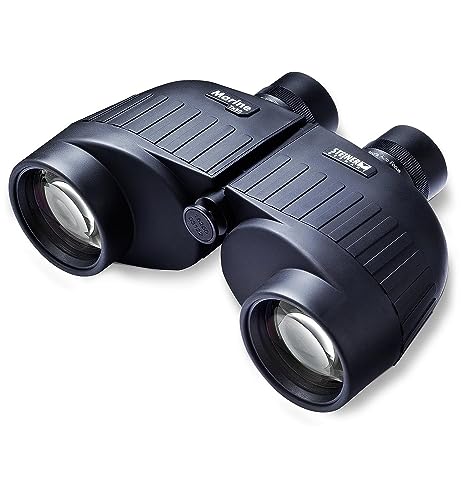


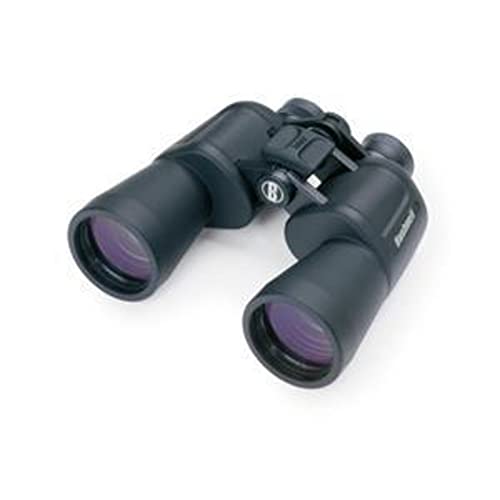

Types of Auto Focus Binoculars Compared
The product table gives a quick view of prices and sizes. The sections below explain what each type does well, where it struggles and who should choose it, so the table numbers make sense in context.
| Type | Best For | Pros | Cons | Typical Price |
|---|---|---|---|---|
| Compact fixed focus | Travel and casual watching | Light, simple, quick to raise | Smaller lenses gather less light | about $40 to $90 |
| Full size fixed focus | Stadium and general outdoor use | Brighter view, wider field | Heavier to carry all day | about $70 to $160 |
| Porro prism fixed focus | Wide scenes on a budget | Strong depth and value | Bulkier body shape | about $50 to $130 |
| Roof prism fixed focus | Hiking and mixed weather | Slim body, often sealed well | Costs more at the same lens size | about $90 to $220 |
Compact Fixed Focus Binoculars
Compact models use small objective lenses, often around 21 to 26 mm, in a body that fits a jacket pocket or a small bag. They suit travel, theatre visits and casual sports viewing where the subject is already at a moderate distance. The trade is brightness, since small lenses gather less light at dusk. Choose this type when low weight matters more than a bright view in fading light.
Full Size Fixed Focus Binoculars
Full size models use larger objective lenses, often around 42 to 50 mm, and give a brighter and more comfortable view for longer sessions. They suit stadium events, harbour watching and open country where subjects stay far away. The body is heavier, so a neck strap or a harness helps during a long day. Choose this type when view comfort matters more than pocket size.
Porro Prism Fixed Focus Binoculars
Porro prism models have a stepped body shape with widely spaced objective lenses. That spacing can give a strong sense of depth in a scene, and the design often delivers good optical value at lower prices. The wider body takes more room in a pack and can feel bulky for small hands. Choose this type when value and depth matter and pack space is not tight.
Roof Prism Fixed Focus Binoculars
Roof prism models have a straight and slim body because the prisms sit in line with the barrels. The shape packs easily and sealed versions handle rain and dust well for hiking and travel. At the same lens size they usually cost more than porro prism models. Readers who spend long hours watching birds at middle distance may also value the guide to best binoculars for birdwatching, since eye comfort and field width matter there too.
Compact vs Full Size: Which Should You Choose?
Size decides four things you will feel in use: brightness, field of view, weight and steadiness. Compact models win on weight and pack size, and they are easier to hold steady for short looks. Full size models win on brightness and comfort, and their larger exit pupil makes it easier to place your eyes behind the eyepieces. If most of your watching happens in daylight and on the move, compact is the simpler choice. If you watch at dawn, at dusk or for long stretches, full size is worth its extra weight.
Distance also matters. A fixed focus design is sharp from a maker stated distance outward, often around 30 feet and beyond, so close subjects are the trade you accept. If your main interest sits closer than that distance, this whole category is the wrong tool for the job.
How to Choose the Right Pair
Focus Range and Close Subject Limits
Check the nearest distance where the view stays sharp before you buy, and treat that figure as a hard limit rather than a suggestion. Garden birds on a near feeder, insects and flowers will often fall inside that limit and stay soft. Readers whose watching is mainly close range should look at best close focus binoculars instead, since an adjustable focus wheel is the right tool for near subjects. For distant sport and scenery, the fixed range is rarely a problem.
Magnification and Objective Lens Size
The two numbers in a name such as 8x42 describe magnification first and objective lens size in millimetres second. An 8 power view is easier to hold steady and usually shows a wider field, while a 10 power view makes distant detail larger but magnifies hand shake. Larger objective lenses gather more light and help at dusk, but they add weight. Most general buyers do well with 8 power and a lens size that matches how long they plan to carry the pair.
Eye Fit and the Diopter Adjustment
The diopter adjustment is the fit that matters most in this category. Many people have eyes that focus a little differently from each other, and a small diopter dial on one eyepiece lets you balance the two sides. Without that adjustment, one eye may see a softer image and long sessions can feel tiring. Also check eye relief if you wear glasses, and set the barrel hinge width so both circles merge into one round view.
Durability and Weather Sealing
Sealed bodies with internal gas filling resist internal fog when you move between warm and cold air, and rubber armour helps the pair survive knocks in a bag. Sealing claims vary, so look for a clear statement about water resistance rather than a vague weather word. Readers who watch game across open ground may also compare the guide to best auto focus binoculars for hunting for distance focused notes on size and light. A separate guide covers best auto focus cameras for video, which is a camera topic about recording moving subjects and not a binocular type.
Tips to Get the Most From Your Pair
Clean the lenses with a soft lens cloth and a blower, never with a shirt sleeve that can drag grit across the coating. Store the pair in a dry padded bag with the caps on, and let a wet pair dry at room temperature before you seal it away. Star scores in listings for best rated binoculars summarise buyer opinion and do not measure optical clarity or focus range. Recheck the diopter setting after anyone else uses the pair, since that dial is personal to your eyes.
Frequently Asked Questions Answered
What specs matter most for beginners choosing fixed focus binoculars?
Beginners should start with magnification, objective lens size and the stated nearest sharp distance. Those three figures decide how large subjects look, how bright the view stays and how close you can stand. A moderate 8 power view is easier to hold steady than a stronger one. Also confirm the pair offers a diopter adjustment, since that small dial decides whether both eyes see an equally sharp image during longer sessions.
How much should a first fixed focus pair cost?
A first pair usually costs about $50 to $150, and that band covers sound compact and full size models for general use. Spending less often means dimmer lenses and weaker sealing that can fog in damp air. Spending more mainly buys better coatings, stronger sealing and a brighter view at dusk. Set the budget by your light conditions first, because lens quality matters more than extra magnification at any price.
Is a smartphone enough instead of binoculars for distant viewing?
A smartphone is not enough for sustained distant viewing, because digital zoom crops the image and quickly turns detail into noise. Binoculars use real optical magnification, so feathers, sails and player numbers stay clearer at the same distance. A phone still wins for sharing a quick photo with friends. Many watchers carry both, using the phone for records and the binoculars for the actual watching, which is the more comfortable division.
What does 8x42 or 10x42 mean on a binocular label?
The first number is magnification and the second is objective lens diameter in millimetres, so 8x42 magnifies eight times with 42 mm front lenses. Dividing lens size by magnification gives the exit pupil, which hints at brightness in low light. A 10x42 pair reaches further but shows a narrower field and more hand shake. Neither figure says anything about focus range, so always check the nearest sharp distance separately before buying.
Which fixed focus type is better for low light viewing?
Full size models with larger objective lenses are better for low light, because they gather more light and present a larger exit pupil to your eyes. Compact models fade quickly once the sun drops, even with good coatings. Watching at dawn or dusk also rewards moderate magnification, since an 8 power view keeps the image brighter than a 10 power view at the same lens size. If low light is your main use, size should outrank portability.
Wrapping Up
Choose by distance first, light second and weight third, and the right type becomes clear. Compact models suit travel and daylight, full size models suit long sessions and dim light, and prism shape then settles pack size and price. Look again at the product table to compare the types against your budget. Picked with those limits in mind, the best auto focus binoculars are simply the pair whose fixed range matches the scenes you watch most.


