
Best Clipless Shoes 2026: A Practical Buying Guide
Disclosure: We may earn a commission when you buy through links on this page, at no extra cost to you. As an Amazon Associate I earn from qualifying purchases. Learn more

Learn how to choose clipless shoes for road and trail riding, from cleat fit and sole stiffness to closure, comfort, and long ride support on every ride.
Choosing the best clipless shoes starts with how you ride, not with a brand name. Road riders usually want a stiff sole and a smooth pedal stroke, while trail riders need grip for walking and protection from rocks and roots. The comparison table below can help you sort those priorities before you spend money on a pair that fights your riding style.
Fit matters more than any single feature, because a shoe that pinches your forefoot or lifts at the heel will spoil every ride. Try shoes late in the day when your feet are slightly swollen, and walk around the shop in them before you decide. A good pair should feel snug without pressure points, and your toes should have room to spread when you push down as if pedalling.


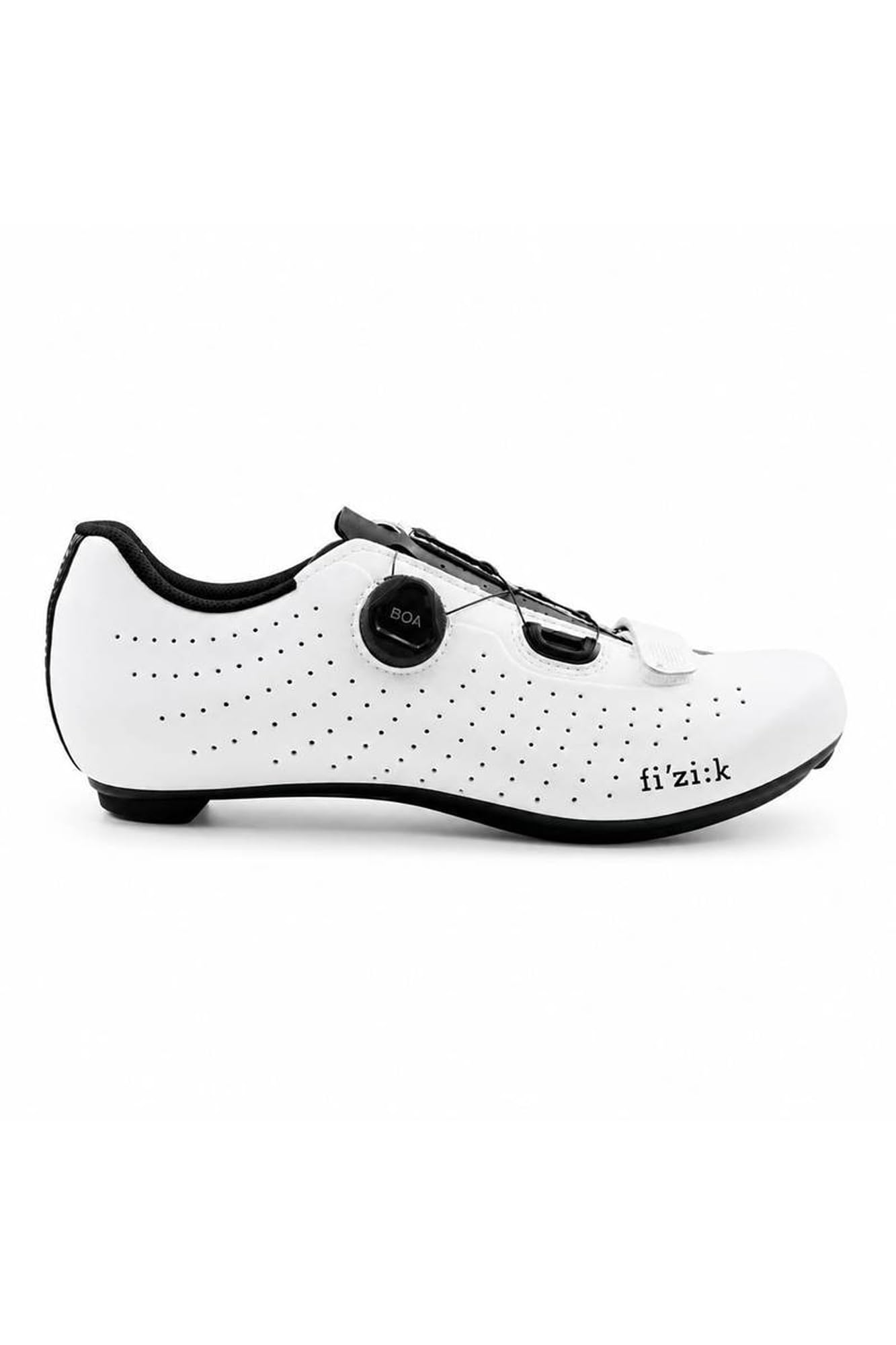
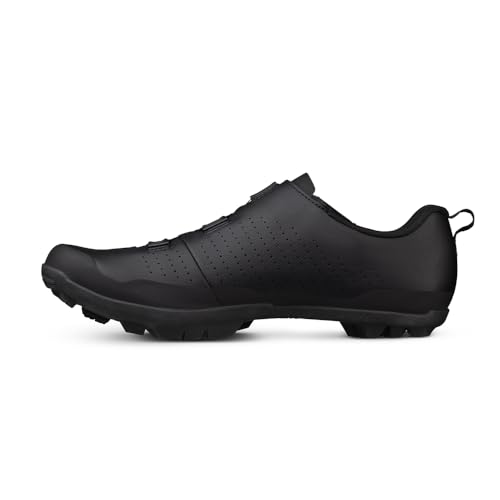


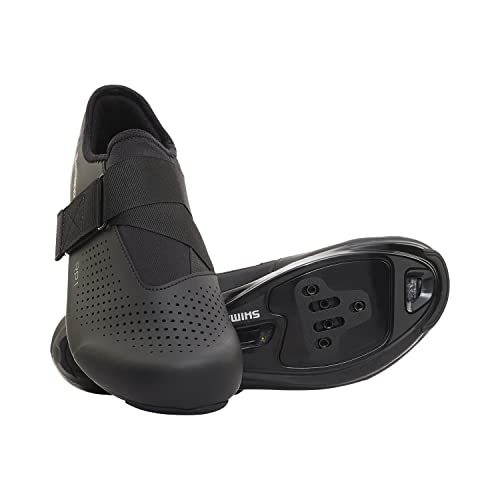


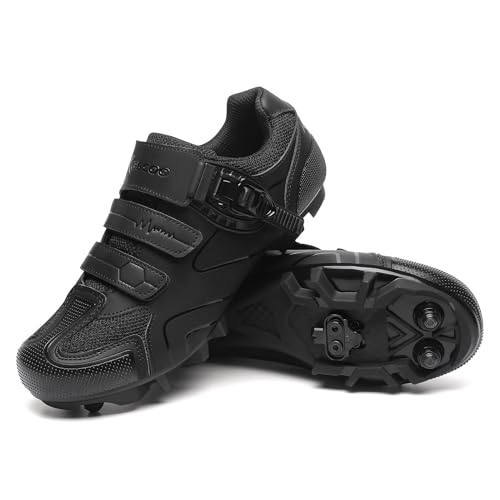
Who Should Buy Clipless Shoes
Clipless shoes suit riders who want a secure connection to the pedals and a more efficient pedal stroke. Commuters who ride in traffic every day may prefer a shoe that is easy to walk in, while racers usually accept a stiffer shoe that is harder to walk in. If you ride short trips around town and stop often, a recessed cleat shoe that looks like a normal shoe can be the smarter choice.
New riders sometimes worry about falling over at a stop, and that fear is fair. Practice clipping in and out on grass or a quiet street before your first group ride, and set the pedal release tension low at first. Most riders adapt within a few rides, and the confidence that follows is worth the awkward first week. If you have knee trouble, look for pedals and cleats with float, which lets your foot rotate slightly instead of locking it in one position.
Key Features Worth Comparing
Cleat Compatibility
Two bolt and three bolt systems are not interchangeable, so check your pedals before you buy shoes. Two bolt shoes suit mountain bike and gravel pedals and usually have a recessed cleat that makes walking easier. Three bolt shoes suit road pedals and give a wider platform, but they are awkward to walk in and the cleats wear faster on hard floors. Some shoes accept both patterns, which is handy if you own two bikes with different pedals.
Sole Stiffness and Walking Grip
A very stiff sole transfers power well but can feel harsh on long rides and painful if you walk far. A slightly flexible sole is kinder on the feet and better for bikepacking, commuting, and trail riding where you often hike. Look at the tread pattern too, because deep lugs grip mud and loose gravel while shallow tread slips on wet roots. Rubber quality matters as well, since soft rubber grips better but wears faster on pavement.
Closure and Fit
Laces are light, cheap to replace, and easy to adjust, but they can loosen and snag on trail debris. Dials give fine adjustment on the move and hold tension well, though they add cost and can break in a crash. Straps sit between the two, offering simple adjustment with fewer parts to fail. Whichever system you choose, check that the shoe holds your heel down when you pull up on the pedal, because heel lift causes blisters and wasted effort.
Getting the Most From Your Shoes
Set your cleats with care, starting near the ball of your foot and making small changes one at a time. Mark the cleat position with a pen before you move anything, so you can return to a setting that felt good. Replace cleats when they feel loose or hard to release, since worn cleats can release without warning. After wet rides, remove the insoles and let the shoes dry away from direct heat, which protects the sole bond and keeps odours down.
Mistakes to Avoid
The most common mistake is buying shoes a half size too small because they feel racy in the shop. Feet swell on long rides, so a shoe that feels tight at first will only get worse after an hour. Another mistake is ignoring cleat position and blaming knee pain on the shoe itself, when a small cleat adjustment often fixes it. Finally, do not judge a shoe by how it looks on the shelf, since comfort, cleat fit, and walking grip decide whether you will enjoy the shoes for years or leave them in the cupboard.
Related Buying Guides
Trail riders who want grip for hike a bike sections can narrow the field with our guide to the best mtb clipless shoes, and riders who push hard on steep descents will find more protective designs in the best enduro clipless shoes. If your rides run for days with camping gear on the bike, the best clipless shoes for bikepacking explains how walking comfort and drying time change the decision. For the two most common starting points, see our guides to the best clipless mountain bike shoes and the best clipless shoes for road bike use.
Living With Clipless Shoes
Daily life with clipless shoes gets easier once clipping in and out becomes muscle memory, and most riders stop thinking about their feet within a few weeks. Keep a pair of light shoes at your destination if you commute, since walking far in road shoes wears cleats and feels awkward on smooth floors. Mountain bike shoes with recessed cleats handle short walks far better, which is why many commuters choose them even for road bikes. A small brush in your bag clears mud from cleats before you clip back in after a trail stop.
Weather changes how clipless shoes feel, since rain soaks uppers and cold numbs toes faster than expected. Overshoes add warmth and keep water out on wet rides, while summer mesh uppers breathe better on hot climbs. In winter, thicker socks help only if the shoe still fits without pinching, so size winter shoes with your thickest socks in mind. After wet rides, stuff shoes with newspaper and let them dry slowly away from radiators to protect glues and shape.
Long term comfort depends on small habits, such as checking cleat bolts monthly and replacing worn cleats before they release unexpectedly. Loose bolts let cleats shift and cause knee soreness that feels mysterious until you check the shoe. Insoles wear too, so replace flattened insoles rather than blaming the whole shoe. With steady care, a good pair of clipless shoes supports thousands of miles and becomes a trusted part of your riding kit.
A Final Check Before You Order
Before ordering, confirm your pedal system and cleat pattern, since two bolt and three bolt shoes do not interchange. Check the maker size chart against your foot length in centimetres, rather than trusting your usual street shoe size alone. Read the return policy carefully, since trying shoes indoors on carpet lets you check the fit without marking soles. If you ride in a group, ask experienced riders about sizing for the model you want, since some brands run narrow or long.
Compare sole stiffness against your riding, favouring stiff soles for smooth road miles and more flexible soles for mixed riding with walking. Look at tread depth if you ride trails, since shallow tread slips on mud while deep lugs grip better. Check closure durability too, since dials and straps wear differently and replacements vary in cost. A final check of these points takes minutes and prevents the common disappointment of a shoe that fits the foot but not the ride.
Budget for cleats and possibly new pedals, since shoes alone do not complete the system. Cleats wear and need periodic replacement, while pedals with adjustable tension suit beginners better than fixed tension models. Add these small costs to your budget before you buy, so the first ride is not delayed by a missing part. With pedals, cleats, and shoes matched, your first clipped ride can start with confidence rather than compromise.
Frequently Asked Questions
Do clipless shoes work with any pedals?
No, clipless shoes must match the pedal system you own, so check whether your pedals use a two bolt or three bolt cleat before you buy. Two bolt shoes pair with mountain bike and gravel pedals and usually allow easier walking, while three bolt shoes pair with road pedals and give a wider platform. Some shoes accept both patterns, which helps if you ride two bikes. When in doubt, bring your pedals or a photo of them to the shop and ask staff to confirm the match.
Are clipless shoes hard to walk in?
Road shoes with exposed three bolt cleats are awkward to walk in and can slip on smooth floors, so they suit riders who rarely leave the bike. Mountain bike shoes with recessed cleats walk much more easily and look closer to normal shoes, which makes them better for commuting and bikepacking. Tread depth also matters, since deeper lugs grip loose ground while shallow tread suits pavement. If you walk far at stops, choose a recessed cleat shoe with a flexible sole.
How tight should clipless shoes feel?
Clipless shoes should feel snug around the midfoot and heel without pinching your toes or cutting off circulation. Your toes should be able to spread slightly when you press down, and your heel should stay put when you pull up. Try shoes late in the day, since feet swell during rides, and wear the socks you plan to ride in. A shoe that feels tight in the shop will usually feel worse after an hour on the bike, so size up if you are between sizes.
What is cleat float and do I need it?
Float is the small amount of side to side rotation your foot can make while clipped in, and it helps your knees track naturally instead of being locked in one angle. Riders with sensitive knees often feel better with more float, while sprinters may prefer less float for a firmer feel. Most pedals let you change float by swapping cleats, so you can experiment cheaply. Start with a moderate amount of float and adjust only if your knees complain.
How long do clipless shoes last?
Clipless shoes often last several seasons of regular riding, though cleats wear faster and may need replacing once or twice a year. Sole wear depends on how much you walk, since pavement grinds down tread and road cleats quickly. Replace shoes when the sole delaminates, the closure no longer holds, or the upper tears near the cleat bolts. Keeping shoes dry and clean after wet rides also extends their life noticeably.
Final Thoughts
The best pair is the one that fits your feet, matches your pedals, and suits the riding you actually do. Stiff road shoes reward smooth tarmac miles, while walkable trail shoes reward mixed days on and off the bike. Use the product table above to compare cleat type, sole stiffness, and closure, then try your shortlist in person if you can.
Once you find a comfortable pair, set the cleats carefully, practise clipping out before your first busy ride, and replace worn cleats promptly. A thoughtful choice here pays off on every ride, because the best clipless shoes are the ones that disappear under you and let you focus on the road or trail ahead.


