
Best Binoculars for Birdwatching of 2026: Complete Buying Guide
Disclosure: We may earn a commission when you buy through links on this page, at no extra cost to you. As an Amazon Associate I earn from qualifying purchases. Learn more

Compare the best binoculars for birdwatching by habitat, field of view, close focus and eye relief, with price bands and a spec table to guide your choice.
A warbler crosses a canopy gap for three seconds, and whether you catch the wing bars and eye stripe in that moment depends on decisions made at purchase time. This guide works through the specifications that decide what you see, so you can choose the best binoculars for birdwatching for your habitats, your eyes and your budget with the numbers in front of you.
The comparison table in the guide lines up the main configurations side by side. Around it, the guide covers price bands, the full spec list from magnification to sealing, the four binocular types worth knowing, and the setup habits that protect a good pair for years.


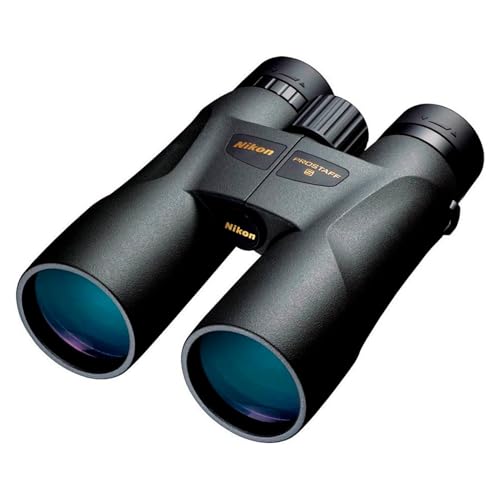


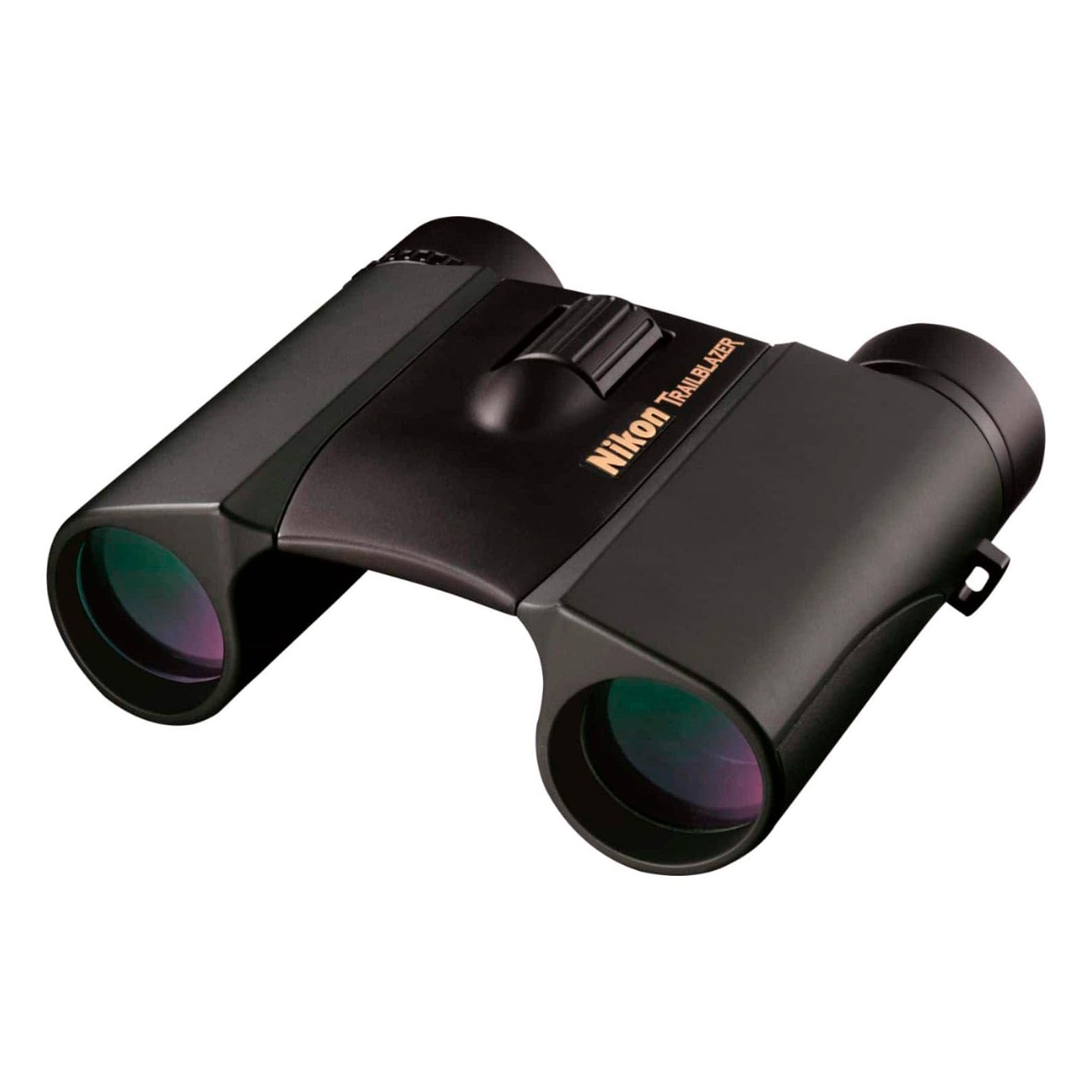

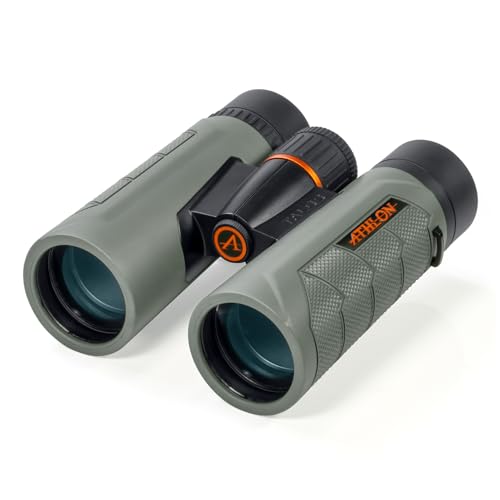
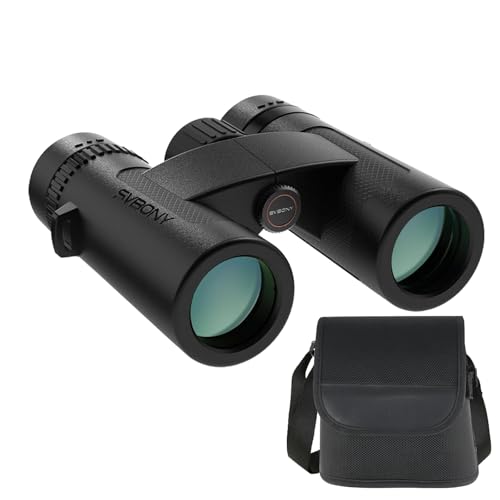


What Your Budget Buys: Three Price Bands
Starter Glass: About $50 to $120
This band covers honest entry optics for backyard feeders, park walks and learning the hobby. Expect usable center sharpness, simpler coatings that lose some light, and fields of view on the narrower side. Many pairs here skip full sealing, so treat them gently in rain. A starter pair is a rational purchase if you are unsure birding will stick, because it teaches you your preferences in magnification and size at low cost, though its real limit shows at dawn, when the view turns noticeably dimmer than the scene in front of you.
The Working Birder Band: About $120 to $300
Most committed hobbyists land in this band, where the step up is easy to see: phase coated roof prisms become standard, glass quality improves, waterproof and fogproof bodies are normal, and eye relief grows friendlier for glasses wearers. Twilight performance improves enough that early morning chorus walks stop feeling like guesswork. If you bird every week, this is the band where money converts directly into identified birds rather than into decoration. It is also where warranties lengthen, which matters for an instrument that rides in a car and gets rained on.
Reference Level Optics: About $300 and Up
Above about $300 you pay for refinement: extra low dispersion glass that cleans up color fringing, wider and flatter fields, smoother focus mechanics and brighter images in poor light. The gains are real but smaller per dollar than the jump from the starter band, and they reward experienced eyes most. Buy at this level when you already know your size, because a reference grade pair in the wrong configuration is still the wrong pair. Weight and balance also improve here, which your neck notices on a six hour hawk watch.
How to Choose the Best Binoculars for Birdwatching: Specs That Decide the Image
Every listing for the best binoculars for birdwatching leads with two numbers and hides the rest in a spec table. Read in the order below and the table starts making decisions for you.
One listing habit deserves a warning first: vague rating labels. No shared standard sits behind phrases like top rated or premium grade optics, and two pairs carrying the same label can deliver very different images, so treat those words as marketing rather than measurement. Our overview of best rated binoculars shows how widely such labels are used across categories.
Features That Matter for Birdwatching
Birding optics serve a fast and visual task, so three traits outrank the rest. First, focusing speed: the center wheel should travel from close focus to distance in roughly one full turn, so you can chase a bird moving toward you. Second, a wide and sharp field, because finding the bird is half the battle. Third, close focus, because not every subject is across a marsh, and honest sealing plus a focus wheel that works with cold fingers completes the core of a birding binocular.
Magnification and Objective Lens: Decided by Habitat
Woodland and garden birders should default to 8x42. The wider field suits birds moving through branches, and the exit pupil, found by dividing 42 by 8, is about 5.25 mm, which keeps the image bright at dawn. Shore, wetland and raptor watchers often prefer 10x42 for the extra reach across open ground, accepting a narrower field and an exit pupil of about 4.2 mm. Remember that 10x also magnifies hand shake, so its detail advantage vanishes if you cannot hold it steady, and no daylight binocular performs after full dark; that job belongs to the electronic devices in our guide to the best night binoculars, which is a different category altogether.
| Configuration | Exit pupil | Typical field of view at 1000 yards | Typical weight | Best suited to |
|---|---|---|---|---|
| 8x32 | 4.0 mm | About 390 to 430 feet | About 15 to 19 ounces | Travel and long hikes in good light |
| 8x42 | 5.25 mm | About 340 to 420 feet | About 24 to 28 ounces | Woodland, gardens and dawn walks |
| 10x42 | 4.2 mm | About 310 to 360 feet | About 24 to 30 ounces | Shorelines, wetlands and open country |
Field of View and Close Focus Distance
Field of view is quoted in feet at 1000 yards, and wider is genuinely better for birding because a moving bird stays in frame longer. Around 380 feet or more at 8x feels generous; under 320 feet starts to feel like looking through a tube. Close focus is the shortest distance the binocular can focus on, and for feeder watching, butterflies and dragonflies you want about 6.5 feet or less. Some full size pairs only focus down to 10 feet or beyond, which quietly rules them out for garden use no matter how good their glass is.
Prisms and Glass: What Changes in the Image
Two prism layouts dominate, and roof prisms give the straight, slim barrels most birders carry, but they need phase coating on the prism surfaces to keep contrast high, so check that the listing states it. Porro prisms offset the barrels and often deliver equal image quality for less money, at the cost of bulk. Inside the prism, BaK 4 glass passes light more cleanly than BK 7, which can gray the edges of the exit pupil. Extra low dispersion glass, usually labeled ED, reduces the purple and green fringe you see around a white egret against dark water, which is a genuine identification aid on high contrast birds.
Eye Relief for Glasses Wearers
Eye relief is the distance your eye can sit behind the eyepiece while still seeing the full field, and it decides whether glasses wearers lose the edges of the view. Look for about 16 mm or more, and 18 mm or more if your glasses sit far from your eyes. Twist up eye cups let you set the distance precisely; cheap push and pull cups wander. Try the pair with your glasses on if you can, and remember that sunglasses count as glasses on bright days at the shore, because losing the field edges means losing the bird at the moment it moves.
Weight and Balance Over a Full Day
A full size pair typically weighs about 24 to 30 ounces, which sounds trivial until hour four of a migration watch. Weight carried on a thin neck strap also makes the binocular swing and bounce as you walk, so a harness that moves the load to your shoulders changes the whole day. Balance matters as well: a pair that sits settled in the hands shakes less than a lighter but nose heavy one. If your outings run long, put weight and carrying system on the same decision level as the glass.
Sealing: Waterproof and Fogproof Construction
Waterproof birding binoculars are sealed with rubber rings and filled with dry nitrogen, which keeps rain out and stops the internal glass fogging when temperature swings. Understand what the rating does not say: it describes sealed construction as stated by the maker, not permission to soak the pair in a stream or leave it in a wet bag overnight. Coating claims such as fully multi coated are maker descriptions of how many lens surfaces carry coatings, and they are worth having, but they cannot be verified from a listing photo. Buy the sealing, treat the adjectives as secondary.
Types of Birdwatching Binoculars
Full Size Roof Prism Binoculars
The default birding instrument: straight barrels, 42 mm lenses, sealed bodies and the widest choice at every price. If you read only one section of this guide, buy from this type in 8x42 or 10x42 according to your habitat and you will not go far wrong. Readers comparing dedicated hobby advice can also see our guide to the best binoculars birding for more on how birders use them in the field.
Porro Prism Binoculars
The older zigzag shape places the front lenses wider than the eyepieces, which gives a strong sense of depth and often excellent image quality per dollar. The trade offs are size, weight and weaker sealing, since the offset body is harder to make fully waterproof. Porro pairs suit stationary watching from a porch, a blind or a shore scope shelter, where bulk matters less. They also tend to have generous eye relief, which glasses wearers appreciate.
Compact and Midsize Binoculars
Configurations such as 8x32 and 10x25 cut weight dramatically and travel anywhere, which makes them the right second pair or the right only pair for hiking first birders. The cost is brightness: smaller lenses and exit pupils fade fast at dawn and dusk. Choose a compact for travel and daytime use, not as your main dawn chorus instrument. A midsize 8x32 is the honest compromise, keeping a 4 mm exit pupil and a wide field in a package near one pound.
Image Stabilized Binoculars
Electronic stabilization cancels hand shake inside the binocular, letting high magnification stay usable on boats, in wind and for observers with unsteady hands. The penalties are price, weight, batteries and more to go wrong. For most land based birding a steady 8x42 answers the same problem for far less money. Consider stabilized models when your watching happens on water or when a tremor makes ordinary binoculars frustrating, because in those cases the technology solves a real problem rather than a spec sheet one.
Setup and Care Tips
- Set the diopter once, then leave it. Focus with the center wheel using one eye, then adjust the diopter ring for the other eye on a distant, detailed target such as a sign.
- Clean lenses with a lens cloth, never a shirt. Blow loose grit off first, then wipe gently, because trapped dust scratches coatings.
- Never aim binoculars at the sun. Magnified sunlight is hazardous to eyes, so keep that rule for any optic, including when birds cross a bright sky, and follow the manufacturer's instructions.
- Store the pair dry in a padded bag. Add the rain guard and lens caps for transport, and let a rained on pair dry at room temperature before casing it.
- Carry the strap or harness adjusted short. A pair held close to the chest swings less, knocks into fewer branches and is faster to raise.
Questions Answered About Birdwatching Binoculars
Is 10x42 too shaky for handheld birdwatching?
For many observers, yes, at least part of the time, because 10x magnifies hand movement along with the bird. Bracing your elbows on your ribs, a fence or a car roof recovers much of the detail, and short looks beat long stares. A useful check is reading a distant license plate: if the letters swim at 10x but settle at 8x, your hands have voted. New birders with any tremor at all usually identify more birds per hour with the steadier 8x view.
What close focus distance do feeder and butterfly watchers need?
About 6.5 feet or less covers feeders outside a window, butterflies on garden flowers and tame birds on a boardwalk rail. Some pairs reach about 5 feet, which opens up dragonflies and frogs at pond edges. Check the figure before buying, because it is printed in small type and varies more between models than magnification does. Also note that at the closest distances the two barrels overlap less of the scene, so centering the subject takes a little practice.
Does ED glass really matter for identifying birds?
ED glass matters most in high contrast scenes, where ordinary glass fringes a bright bird with purple or green edges that can mask fine markings. Against a bright sky or glittering water, that fringing can hide exactly the eye line or wing bar you need. In soft woodland light the difference shrinks, and a well coated non ED pair performs nearly as well. If your birding is mostly shorebirds, gulls and raptors against the sky, ED glass earns its price; in deep woods, spend the money on field of view instead.
How much eye relief is enough when wearing glasses?
About 16 mm of eye relief is the working minimum for most glasses wearers, and about 18 mm or more is safer if your frames sit high or far forward. Twist the eye cups fully down and check that the whole field is visible without pressing the binocular into your glasses. One extra check helps: try the pair with sunglasses as well, since bright shore and snow days add a second frame to the equation. Short eye relief cannot be fixed later, so treat it as a pass or fail spec.
Can waterproof birdwatching binoculars be rinsed under a tap?
A sealed and waterproof pair can handle a gentle rinse under a tap to remove salt spray or mud, which coastal birders genuinely need to do. Keep the water pressure low, keep the eye cups and caps in place, and dry the pair with a soft cloth afterward. What the rating does not cover is soaking, hot water or high pressure jets, all of which can defeat seals. If the pair is only described as water resistant rather than waterproof, wipe it down instead of rinsing.
Can the same binoculars serve for stargazing?
Yes, within limits, because an 8x42 or 10x42 shows the moons of Jupiter, wide star clusters and the craters of the moon far better than bare eyes. The limits are aperture and steadiness rather than quality: 42 mm of lens gathers modest light, and hand shake grows over long looks upward. A reclined chair that supports your elbows improves the view more than extra magnification would. Keep expectations at the level of bright showpieces rather than faint galaxies, and the same pair serves both hobbies well.
Final Thoughts
Choose the configuration by habitat, 8x42 for cover and 10x42 for open ground, then spend until the sealing, eye relief and focus wheel stop being compromises. The comparison table in this guide puts the main configurations next to each other for a final check. Do that, and the best binoculars for birdwatching for you is simply the pair whose numbers match the places you actually stand.


