
Best Climbing Shoes Narrow Feet: A Buyer Checklist for 2026
Disclosure: We may earn a commission when you buy through links on this page, at no extra cost to you. As an Amazon Associate I earn from qualifying purchases. Learn more

Slim footed climbers get a buying guide to the best climbing shoes narrow feet need, covering low volume fit, closures, rubber, downturn, and sizing.
If your heels lift out of rental shoes and your toes swim side to side on small footholds, the problem is rarely your technique. A wide or medium last leaves dead space around a slim foot, and that space lets the shoe roll when you weight an edge. Choosing the best climbing shoes narrow feet comes down to a short checklist of fit, shape, closure, and rubber, and the comparison table below gathers current options that match those criteria.
This guide walks through that checklist in the order you should apply it. You will learn how to read a size chart, how much stretch to expect, and which details signal a shoe that will stay snug after the break in period ends.
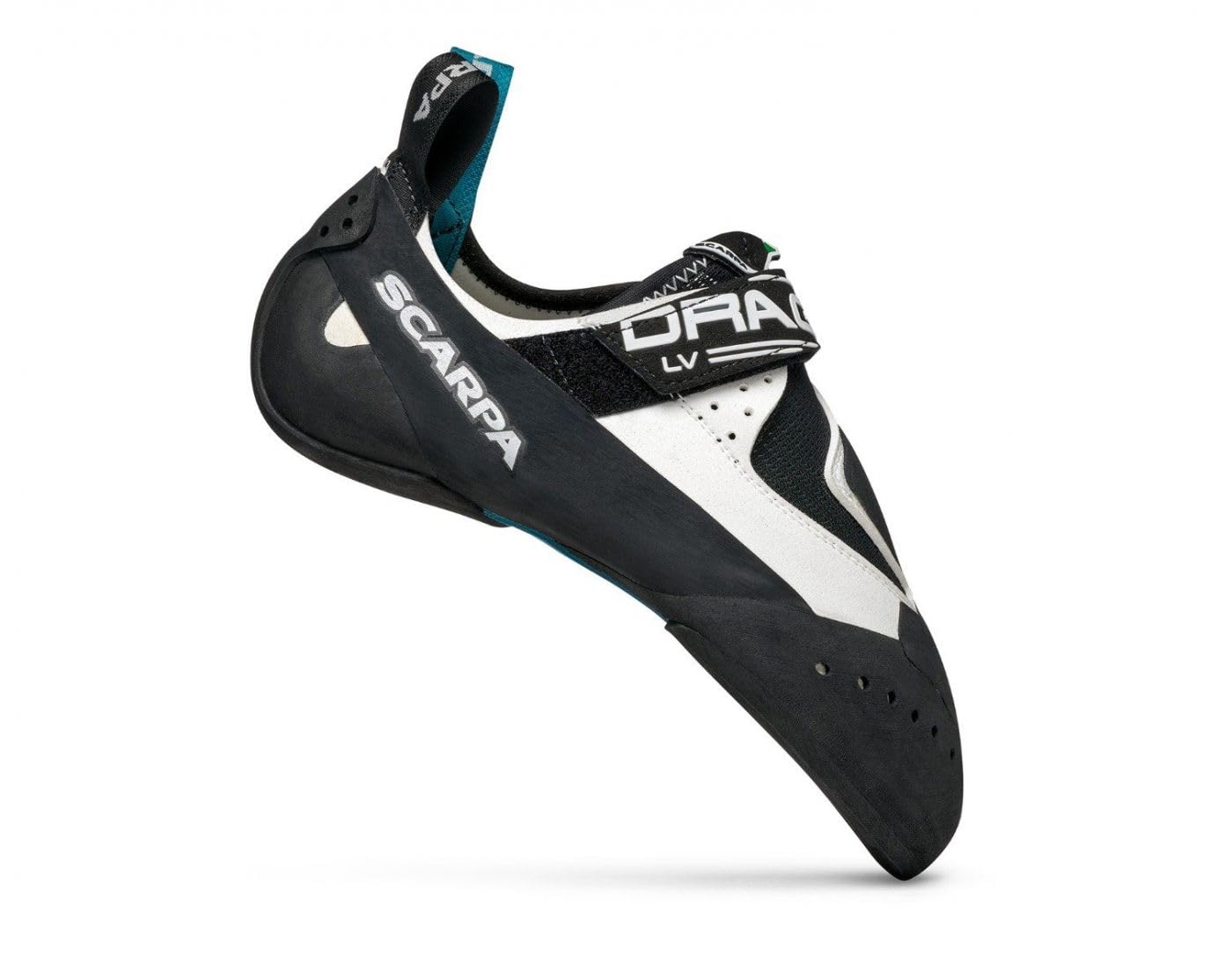


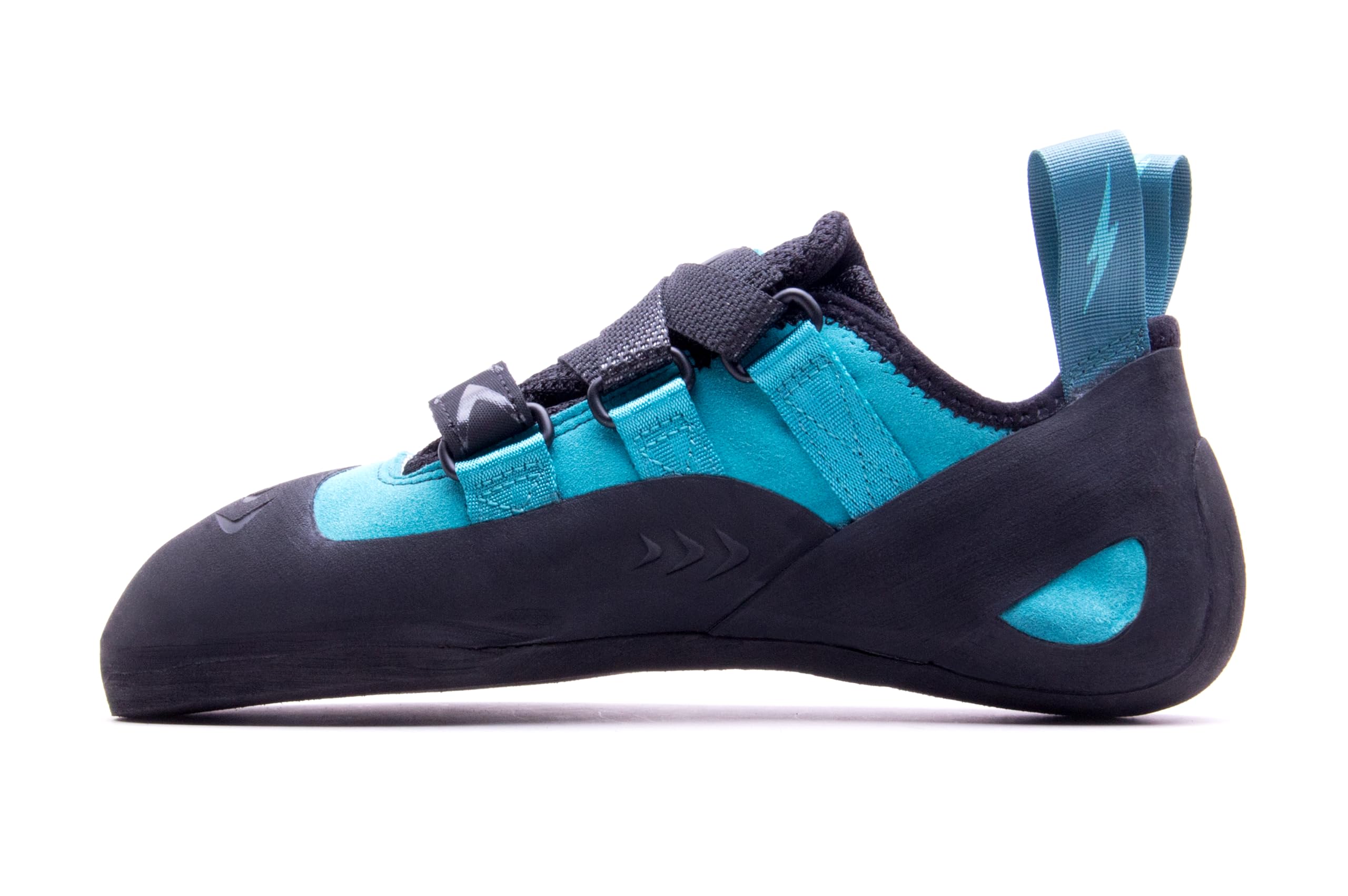


How to Evaluate Climbing Shoes for Narrow Feet
A useful evaluation starts with volume, not with brand or price. Two shoes in the same marked size can hold very different amounts of foot, so the sections below score each model on how completely it wraps a slim foot and how precisely it climbs. This is also where the best climbing shoes narrow feet separate themselves from standard models that were merely sized down.
Skill Level and Intended Use
Beginners with narrow feet do best in a flat or gently curved shoe with a supportive midsole, because it lets the whole foot work and stays tolerable through a long gym session. Intermediate climbers can move toward a moderate downturn for steeper walls, while advanced climbers on overhanging routes often accept a strongly downturned shape that concentrates power over the big toe. Match the shoe to the climbing you do most weeks.
Last Shape, Volume, and Heel Fit
The last is the foot shaped form a shoe is built around, and it decides width, volume, and toe shape before any closure is tightened. For a slim foot, choose a low volume last with a narrow heel cup and a tapered toe box. If you can pinch a fold of empty material above your toes while standing, the volume is too high no matter how tight the straps feel.
Many low volume models are sold as women specific lasts, and they can suit any climber whose foot is slim and whose heel is small. If that describes you, see our guide to the best women's climbing shoes for narrow feet for options built on those lasts. Whatever the label, judge the shoe on three contact points. The heel should cup without a pocket of air, the midfoot should feel held rather than squeezed, and the toes should reach the end without curling hard in a flat shoe.
Size Chart, Stretch, and Sizing Down
Start with the maker size chart and measure both feet in the evening, when they are at their largest, then compare your longer foot in millimeters against the chart rather than trusting your street shoe size alone. A slim foot fills less volume, so going a full size down can crush your toes in length while the width still feels loose, which means pain without precision.
Material controls how much the fit will change. Unlined leather uppers can stretch close to a full size across the width as they mold to your foot, so a leather shoe should feel genuinely snug on day one. Lined leather and most synthetic uppers stretch far less, often only a quarter to a half size, and they hold a narrow shape better over time. If you already wear a narrow width in daily shoes, start one width category down in climbing lasts, the same approach used in our guide to the best shoes for narrow feet.
Closure Systems That Cinch a Narrow Foot
Laces give you the most control over a slim foot because you can tension each section separately, snugging the forefoot while pulling the midfoot in over a low arch. Strap closures are faster between boulder problems and work well when the last is already narrow, but they adjust in fixed zones and cannot fix excess volume between the straps.
Slipper styles rely on elastic and a close last, so they suit narrow feet only when the model has a tight heel and low volume. A slipper that is even slightly too roomy will rotate on heel hooks, so save slippers until you know which last matches your foot shape.
Performance Characteristics: Grip, Edging, and Sensitivity
Rubber does three jobs at once. It grips the wall through friction, it forms a firm platform when you stand on a tiny edge, and it passes information about the hold up to your foot. Softer compounds deform around textured gym volumes and smear well on smooth rock, which builds confidence for newer climbers, but they wear faster and flex more on micro edges. Harder compounds edge with less roll and last longer, which suits climbers on vertical faces and small pockets.
Thickness matters alongside compound. A thicker sole, around 4 to 5 mm, adds support and durability and forgives sloppy foot placements, while a thinner sole near 3 to 4 mm feels more sensitive at the cost of faster wear. Check the product table above for sole thickness and compound notes as you compare.
Indoor and Outdoor Use
Gym climbing rewards grip on smooth plastic holds, quick on and off between problems, and rubber that tolerates constant abrasion from textured walls. A moderate shape with softer rubber is usually the practical gym choice, and the same narrow width logic applies if you also shop using our guide to the best running shoes for narrow feet. Outdoor climbing adds different demands. On granite and sandstone, edging support and a secure heel matter for cracks and slabs, and a lace closure lets you loosen the shoe at a belay on a long route.
How to Get the Fit Right Before You Buy
Your own try on routine is the decision tool here. The steps below replace guesswork with a repeatable routine you can run in a store or during a home return window.
A Simple Try On Protocol for Slim Feet
Put the shoes on in the afternoon and stand on a small edge, such as a thick book, with your full weight on one foot. The shoe should not roll inward or slide forward. Next, press your heel into a heel hook position against a wall corner and pull gently. Any lift at the back means the heel cup is too big, and no amount of strap tension will correct it. Finally, walk a few steps. Mild discomfort is normal in a performance fit, but sharp pain over the knuckles of your toes or numbness within a few minutes is not.
Try both feet and size to the larger one. Recheck the fit after ten minutes, because warmth expands your feet and reveals pressure points a quick fitting hides. Order two close sizes when returns are easy, since narrow lasts vary more between brands than the size chart suggests.
Fit Goals by Climbing Style
For all day trad and long gym sessions, aim for toes that lie nearly flat and just brush the front of the shoe, with even contact along both sides. For sport climbing and bouldering at your limit, a tighter fit with gently curled toes drives more force through the front of the shoe, and many narrow footed climbers find this is where a low volume performance last finally feels secure. For cracks, a flatter lace up shoe that can be loosened protects your toes. Kids and youth climbers should choose a comfortable strap shoe with a little room to grow, never a painfully tight fit, and parents should recheck sizing every few months.
Quick Buyer Checklist
Run through these questions before you pay. A good match should answer yes to nearly all of them, and any no on the first three is a reason to try another last rather than another size of the same shoe. If you are comparing everyday footwear at the same time, our guide to the best athletic shoes for narrow feet covers the same narrow width logic for training shoes.
- Does the heel cup stay seated when you pull into a heel hook?
- Can you feel contact along both sides of your foot with no pinchable fold of material on top?
- Do your toes reach the end without sharp pain or numbness after ten minutes?
- Does the closure let you adjust the midfoot separately from the forefoot?
- Does the downturn level match the steepness you climb most often?
- Is the rubber thickness right for your mix of gym volumes and outdoor edges?
- Have you allowed for the stretch of the upper material in your size choice?
- Can this model be resoled, and is your size easy to reorder later?
Red Flags to Watch For
- The size information gives no millimeter measurements, so you cannot compare your foot length against the size chart with any confidence.
- The shoe is described only as unisex with a single wide last, and no low volume version exists in the same model line.
- The closure is a single strap over a high volume upper, which leaves the midfoot of a slim foot almost completely unsupported.
- The product photos show a visibly wide, rounded toe box while the text claims a precision fit for slim feet.
- There is no mention of upper material, so you cannot predict how much the shoe will stretch after the first few sessions.
- The warranty and return terms are vague, which matters more for narrow feet because size exchanges are common.
Care and Maintenance Tips
Care for climbing shoes is mostly about air, shade, and timing. Loosen the closures fully after each session and open the shoe so the lining can dry, because trapped sweat softens glue and breeds odor fast. Store them out of direct sun and away from car trunks and heating vents, since heat degrades rubber grip. Never machine wash them or dry them with direct heat.
Clean rubber soles with a damp cloth before a session, because a clean contact patch grips better on smooth holds. Brush dirt from outdoor shoes after crag days and let them dry at room temperature. When the sole wears down close to the rand, arrange a resole promptly, since climbing through into the rand turns a routine repair into a far costlier rebuild.
Climbing Shoes for Narrow Feet: Your Questions Answered
How long do climbing shoes for narrow feet last?
A pair of climbing shoes for narrow feet typically lasts about six months to a year of regular gym use before the sole needs attention. Outdoor climbers on rough rock may see faster toe wear. Fit often changes before the rubber fails, because a stretched upper lets a slim foot move again, so judge lifespan by sole thickness and snugness.
What size should I get in climbing shoes for narrow feet?
Start at your street shoe size or a half size below it, then adjust for upper material and downturn. Compare internal length in millimeters when a brand publishes it, since marked sizes vary widely. If you are between sizes in a synthetic shoe, choose the smaller one, because synthetic uppers stretch so little that the larger size rarely becomes more precise with wear.
Do climbing shoes for narrow feet stretch over time?
Yes, climbing shoes for narrow feet stretch, but the amount depends almost entirely on the upper. Unlined leather can give close to a full size across the width, while lined and synthetic models may give only a quarter size. Stretch happens mostly across the forefoot, not in length, so a shoe that is painfully short on day one will not become comfortable later.
Should beginners with narrow feet choose a flat or downturned climbing shoe?
Beginners with narrow feet should choose a flat or mildly downturned climbing shoe. A flat profile builds foot strength, spreads load across the whole sole, and stays comfortable long enough to learn footwork. If flat rental shoes always felt sloppy at the heel, prioritize a low volume last rather than jumping to a downturned model for tightness.
Is a premium climbing shoe worth buying for a beginner with narrow feet?
A premium climbing shoe is rarely worth buying for a beginner with narrow feet. New climbers wear through toe rubber quickly while learning foot placement, so the cost per session is high. Spend the difference on a well fitting midrange pair and a resole later. If the only last that truly matches your slim heel sits in a higher price band, that fit alone can be worth paying for.
Final Thoughts
For a slim foot, the order of decisions matters more than any single feature. Start with a low volume last that cups your heel, confirm the closure can fine tune the midfoot, and only then compare rubber and downturn for the climbing you do most. Use the product table above to line up sole thickness, closure type, and price side by side before you order.
Get those basics right and the best climbing shoes narrow feet stop feeling like a compromise and start feeling like equipment that disappears on the wall. Order two close sizes when returns are easy, run the try on routine at home, and keep the pair that passes every step of it.


