
Best Climbing Shoes Intermediate Climbers Need: Buying Guide for 2026
Disclosure: We may earn a commission when you buy through links on this page, at no extra cost to you. As an Amazon Associate I earn from qualifying purchases. Learn more

Climbers moving past beginner grades can compare the best climbing shoes intermediate buyers rely on, by shape, rubber, stiffness, closure, and fit.
Once the first pair of rentals or beginner shoes stops helping, the next purchase gets harder, because the best climbing shoes intermediate climbers can buy sit between comfort and precision rather than at either extreme. You now climb often enough to feel the difference between a flat shoe and a moderate downturn, but not so hard that an aggressive competition shoe pays off. This guide compares the main shoe types side by side, then explains the fit, rubber, and closure details that matter most at this stage.
Use the comparison table below as a starting point, then read the type comparison and the buying guide that follow. By the end you should know which shape suits your usual walls, how snug to size, and when a second pair makes more sense than a pricier first one.


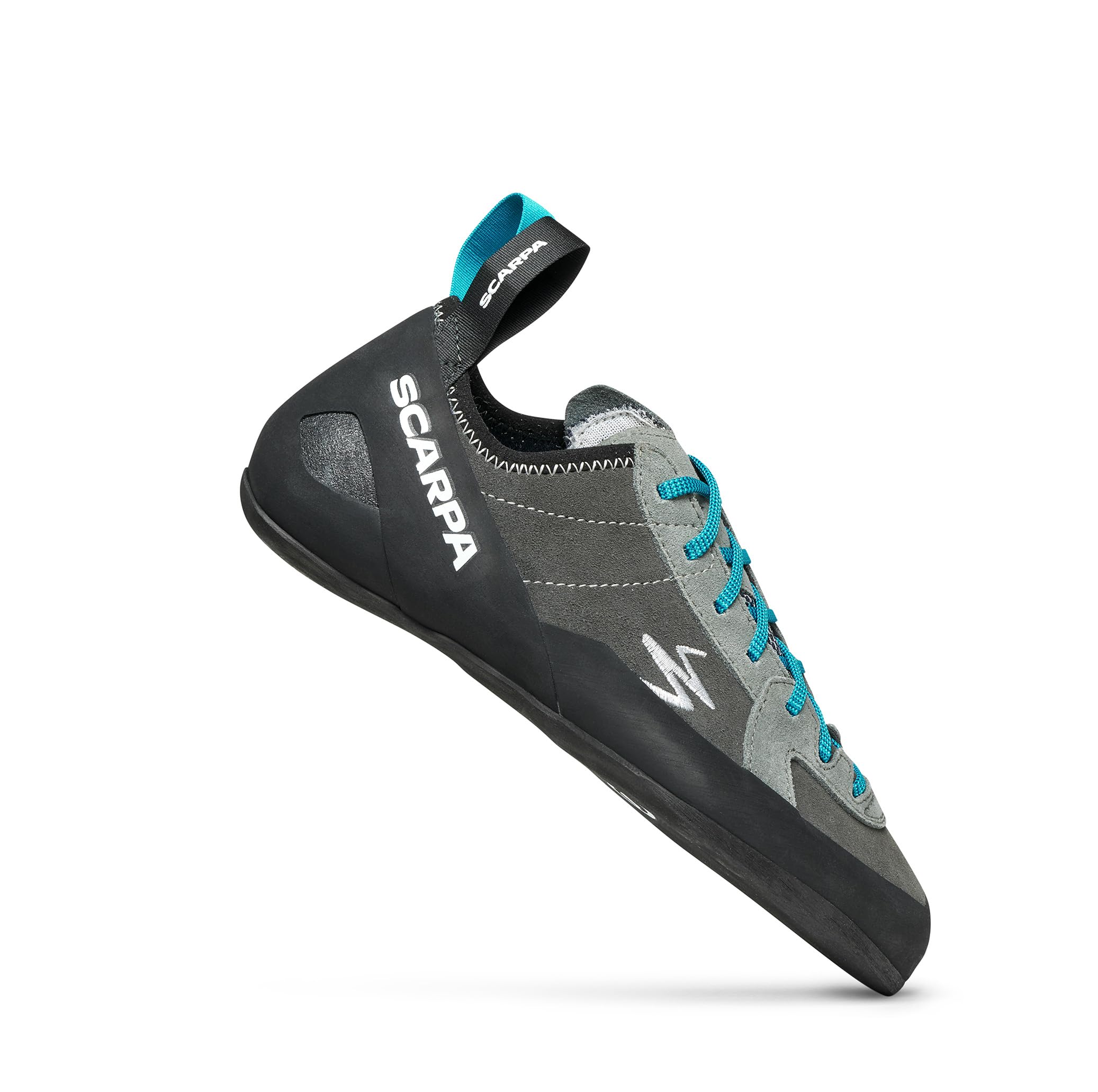

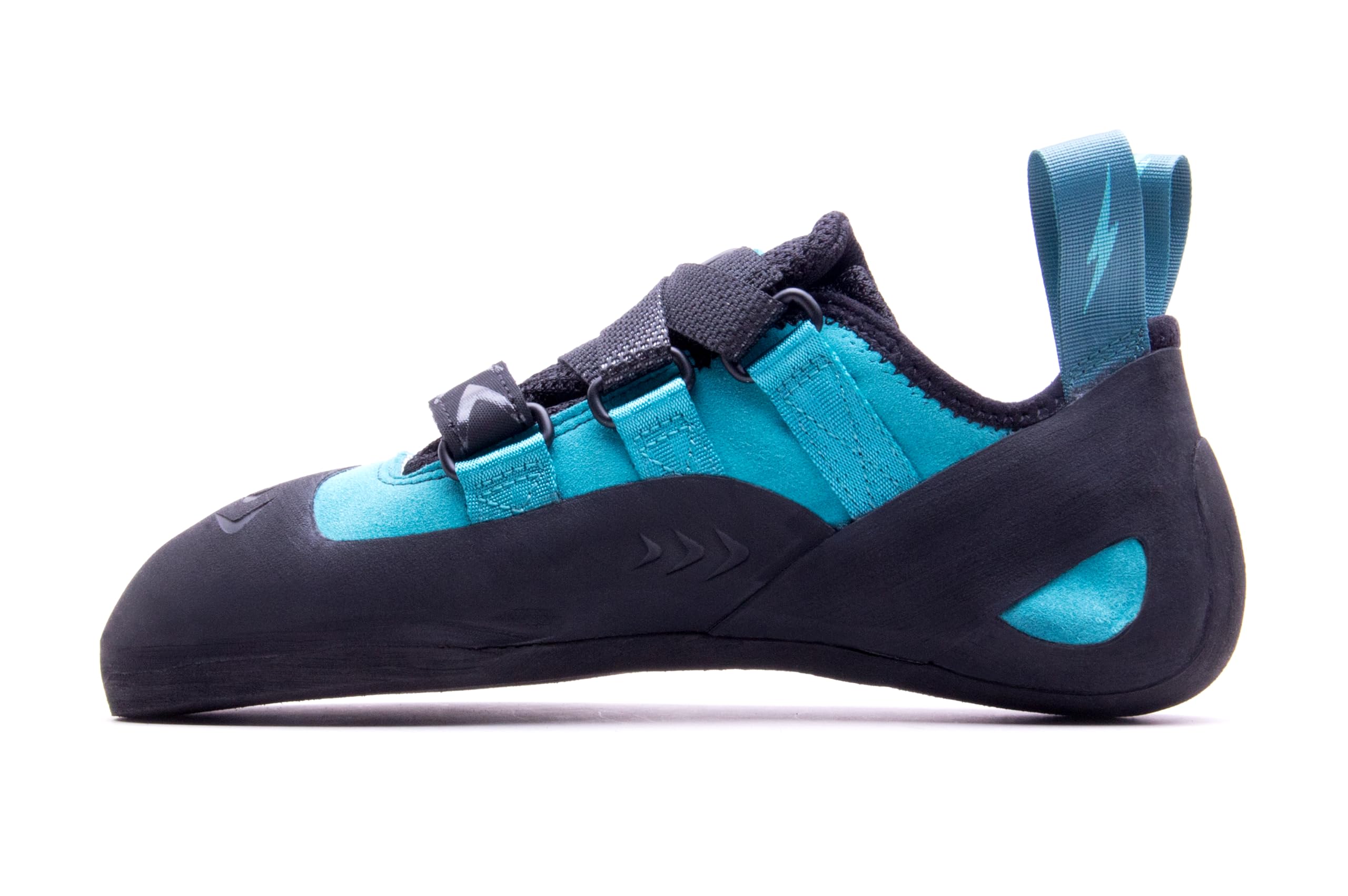


Types of Climbing Shoes for Intermediate Climbers Compared
| Type | Best For | Pros | Cons | Typical Price |
|---|---|---|---|---|
| Flat all day shoes | long gym sessions, slabs, vertical routes | comfortable, durable rubber | little power on steep ground | around $90 to $130 |
| Moderate downturn all around shoes | most intermediate climbers | edges and hooks well, tolerable fit | not the softest on volumes | around $120 to $180 |
| Soft bouldering shoes | gym volumes, steep boards | sensitive, great smearing | fast wear, weak edging | around $130 to $190 |
| Aggressive performance shoes | steep projects only | maximum toe power | painful on long sessions | around $170 to $230 |
Flat All Day Shoes
Flat shoes keep your foot in a natural position, which suits long gym sessions, slabs, and vertical routes where you stand on your feet rather than pull with them. Intermediate climbers often keep a flat pair for warm ups and endurance days, since it lets you climb for hours without taking the shoes off. The limit is steep terrain, where a flat sole cannot drive weight into the toe.
Moderate Downturn All Around Shoes
A moderate downturn curves the toe down slightly and adds mild asymmetry toward the big toe. This is the natural home for most intermediate climbers, because it edges on small holds, hooks reliably, and still fits snugly enough to wear through a full session. If you buy one pair at this stage, this is the type to buy.
Soft Bouldering Shoes
Soft shoes bend around volumes and smear with confidence on modern gym problems. They feel sensitive and fun on steep boards, but they fold on tiny edges and the thin rubber wears quickly. Choose this type as a second pair if your gym sets lots of volume heavy problems, not as your only shoe.
Aggressive Performance Shoes
Aggressive shoes bend the foot strongly downward and inward for maximum power on overhangs. At intermediate level they usually hide footwork problems rather than fix them, and the tight fit shortens sessions. Leave this type until a specific steep project demands it and you already own a comfortable training pair.
Flat Shoes vs Moderate Downturn: Which Should You Choose?
The decision for most intermediate climbers comes down to these two types, so compare them on five points. For comfort over a two hour session, the flat shoe wins clearly. For edging on small footholds, the moderate shoe wins, because the slight curve concentrates force at the toe. For heel hooks and toe hooks on steeper problems, the moderate shoe wins again thanks to a tighter heel and more toe rubber. For rubber life, the flat shoe usually lasts longer, since it tends to use thicker soles. For versatility across gym routes, bouldering, and first outdoor trips, the moderate shoe covers more ground.
If you climb mostly vertical routes and value long sessions, choose flat. If your grades are rising on steeper walls and you want one shoe that does nearly everything, choose a moderate downturn and size it snug but not painful. Many climbers at this stage eventually own both and use the flat pair for volume days.
How to Choose the Right Climbing Shoes at Intermediate Level
Fit and Sizing
Fit matters more than any other feature, and the best climbing shoes intermediate climbers own are the ones that match their foot shape. Your toes should touch the front and bend slightly, the heel should stay seated when you pull a hook against a wall corner, and no part of the foot should go numb within a few minutes. Intermediate shoes usually fit closer than a first pair, often half a size below street size depending on the brand, but pain that lingers after you take the shoe off means the size or the last is wrong. Try shoes late in the day when feet are slightly swollen.
Rubber and Stiffness
Softer rubber grips smears and volumes but wears faster, while firmer rubber edges better and lasts longer. A medium compound with a medium stiff midsole suits most intermediate climbers who mix indoor and outdoor climbing. Check the sole thickness too: thicker soles forgive rough footwork, thinner soles reward precise placement with more feel.
Closure Type
Laces give the finest adjustment across the whole foot and suit climbers with narrow heels or high insteps. Straps are quick to open between boulder problems and work well when the last already matches your foot. Slip on shoes feel sensitive but offer the least adjustment, so they suit climbers who already know exactly which last fits them.
Men's, Women's, and Low Volume Lasts
Many brands offer the same model in a standard and a low volume version, often labeled men's and women's. The low volume version has a narrower heel and less height over the instep, and it suits any climber with a slim foot regardless of label. For dedicated guidance on each fit, see our guides to the best men's intermediate climbing shoes and the best intermediate women's climbing shoes.
Indoor, Outdoor, and Bouldering Use
Gym climbers can lean softer and tighter, since sessions are short and the shoes come off often. Outdoor climbers should lean stiffer and slightly roomier for edging on real rock and longer time in the shoe; our guide to the best intermediate rock climbing shoes covers that side in detail. Boulderers who work steep problems can read our guide to the best climbing shoes for intermediate bouldering for heel and toe hook priorities. For the broader picture across all disciplines, the best climbing shoes for intermediate climbers guide compares shapes for route climbing as well.
Common Mistakes at Intermediate Level
- Buying an aggressive shoe because stronger climbers wear one, then climbing less because your feet hurt.
- Sizing down hard in the belief that pain equals performance, which curls toes off the sole and ruins smearing.
- Choosing by rubber name alone while ignoring heel fit, which decides whether hooks hold.
- Keeping one worn pair for everything instead of rotating two pairs, which wears rubber faster and locks you into one shape.
- Skipping the return policy when ordering a new brand, since lasts differ far more than size charts suggest.
Care and Maintenance Tips
- Air shoes after every session with closures open, and never leave them in a hot car, since heat weakens glue and ages rubber.
- Wipe soles with a damp cloth before hard attempts, because dust on rubber is the fastest way to lose grip.
- Check the toe area often and resole before the rubber wears through to the rand, which keeps the repair simple and the fit intact.
- Brush grit off after outdoor days so sand does not grind into the lining and the sole edge.
- Rotate two pairs if you climb three or more times a week, so each pair recovers its shape between sessions.
Climbing Shoes for Intermediate Climbers: Your Questions Answered
How long do intermediate climbing shoes last?
A pair used two or three times a week often lasts six to twelve months before the toe rubber thins, with softer rubber wearing faster. Clean footwork extends that life more than any material claim, since dragging toes grinds rubber away. Resole while the rand is intact and a good fitting pair can serve two or three seasons.
What size should I get?
Start near your street size, then adjust by brand and shape. Moderate shoes usually fit half a size snugger than a beginner pair, with toes gently bent and no dead space at the heel. Leather uppers stretch more than synthetic ones, so a leather shoe can start tighter. If one foot is larger, fit that foot first.
Indoor vs outdoor: does it matter?
Yes. Indoor holds reward softer rubber and a snug fit for short sessions, while outdoor rock rewards edging support, durability, and a little more room for long days. A moderate downturn with medium rubber bridges both settings well, which is why it suits intermediate climbers who have not yet specialized.
Is it worth buying a premium pair now?
Usually not as your only pair. Premium shoes trade comfort and rubber life for precision that intermediate footwork cannot fully use yet. A well fitting midrange pair plus a resole later costs less and teaches more. Move up when your current shoe, not your technique, clearly limits a specific type of move.
Should I own two pairs?
Owning two pairs makes sense once you climb three or more times a week. A flat or moderate pair for warm ups and volume days protects a softer or more precise pair for hard attempts, and rotating them lets each pair dry and recover. Buy the second pair only after you know what the first pair lacks.
The Bottom Line
Type matters more than brand at this stage. Settle on a moderate downturn for one pair that does nearly everything, or a flat shoe if comfort over long sessions comes first, and save aggressive shapes for a later project pair. Put your two finalists side by side in the product table above, judge heel fit and toe pressure before rubber names, and the best climbing shoes intermediate climbers reach for will be the pair that fits your feet and your usual walls.


