
Best Climbing Shoes for Intermediate Climbers 2026: Buying Guide
Disclosure: We may earn a commission when you buy through links on this page, at no extra cost to you. As an Amazon Associate I earn from qualifying purchases. Learn more

Compare the best climbing shoes for intermediate climbers by fit, shape, rubber, and closure to find a pair that supports harder routes without painful feet.
Choosing the best climbing shoes for intermediate climbers is a step up from a first pair, and the comparison table below shows the main shapes side by side. At this level, you need more precision on small footholds, better heel control on steep walls, and a fit that is snug without causing pain over a full session.
Intermediate climbers often climb several times a week, try harder grades, and start to specialize in bouldering, sport climbing, or indoor routes. That mix means one shoe rarely does everything perfectly, so the goal is a versatile pair that handles edging, smearing, and heel hooks well enough for most of your climbing. This guide explains last shape, downturn, rubber, and closure, and it helps you move from a comfortable beginner shoe to a more performance focused fit without jumping straight to an aggressive competition shoe.


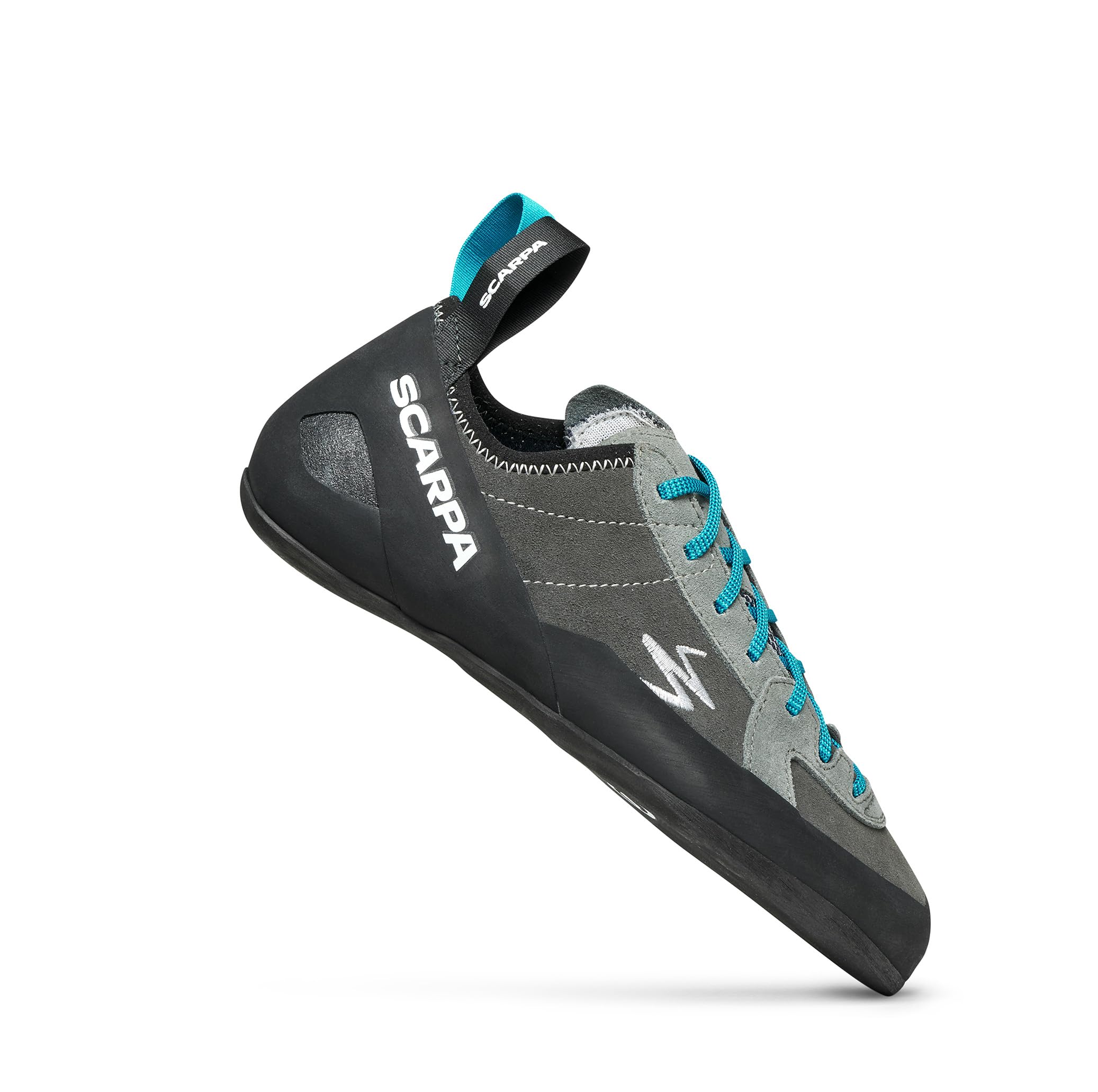
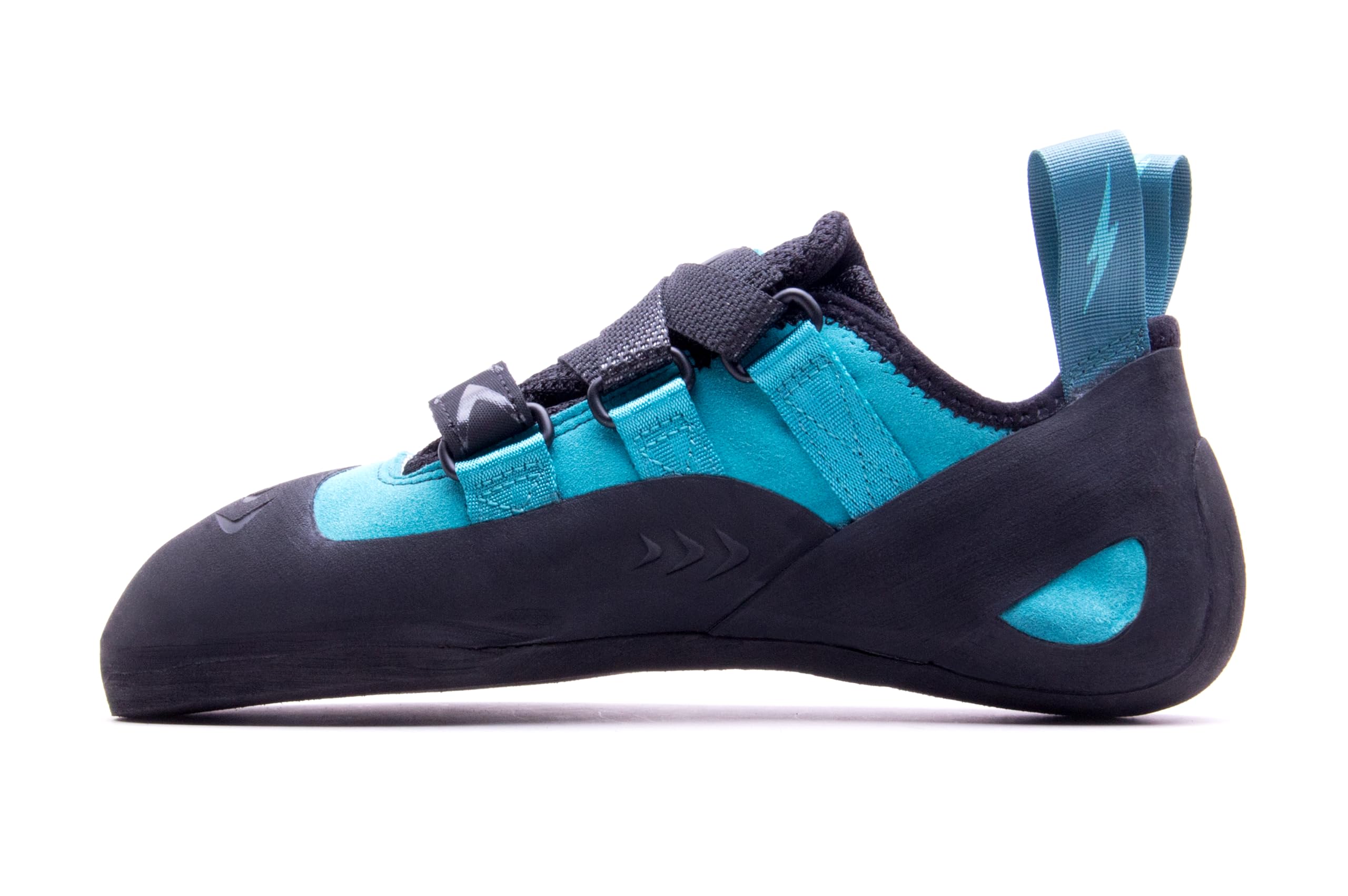


Shoe Shapes and Downturn Explained
Last shape describes the overall curve of the shoe, and it has a big effect on how the shoe feels on the wall. A flat last feels similar to a normal shoe and suits vertical routes and long sessions, while a moderate downturn points the toes down and helps you press into small edges and pockets. Aggressive downturns offer maximum precision on steep terrain, but they can be painful and are often too much for an intermediate climber who still climbs for several hours at a time.
Asymmetry also matters, because a shoe that curves inward helps you drive power through the big toe on small holds. A moderately asymmetric shoe is a good middle ground for intermediate climbers, since it improves precision without forcing the foot into an extreme position. Try shoes in the afternoon when your feet are slightly swollen, because that gives a more realistic sense of fit during a session.
- Flat last: comfortable for vertical walls and long sessions, with less precision on tiny edges.
- Moderate downturn: a good intermediate step, better edging and pocket work with manageable comfort.
- Aggressive downturn: maximum power on steep terrain, best saved for short, hard efforts.
- Moderate asymmetry: helps big toe precision without an extreme foot position.
- Volume: low volume shoes suit narrow feet, while higher volume shoes suit wider feet and longer toes.
Rubber, Stiffness, and Sensitivity
Rubber type affects grip and durability, and intermediate climbers need a balance between stickiness and wear. Softer rubber grips well on smears and volumes, but it wears faster, especially outdoors on rough rock. Harder rubber lasts longer and edges better on small holds, but it can feel less secure on smooth indoor volumes. Many intermediate shoes use a medium rubber that handles both indoor and outdoor climbing reasonably well.
Stiffness also shapes performance, because a stiff shoe supports your foot on small edges and reduces fatigue on long routes. A softer shoe bends more easily and gives better sensitivity, which helps you feel the hold under your foot. If you climb mainly indoors on large holds, a softer shoe may suit you, while a stiffer shoe helps on small outdoor edges.
- Soft rubber: excellent grip on smears, faster wear, best for indoor and short outdoor sessions.
- Hard rubber: better edging and durability, slightly less grip on smooth volumes.
- Medium rubber: a practical intermediate choice for mixed indoor and outdoor climbing.
- Stiff midsole: supports edging and reduces foot fatigue on long routes.
- Soft midsole: more sensitivity and flexibility for smearing and technical footwork.
Fit, Sizing, and Closure
Fit should be snug with no dead space around the heel or toes, but it should not cause sharp pain or numbness. Intermediate shoes are usually sized closer than beginner shoes, often near your street shoe size or slightly smaller, depending on the brand and shape. Leather uppers stretch more than synthetic uppers, so a leather shoe that feels very tight at first may loosen with use, while a synthetic shoe keeps its shape more consistently.
Closure type affects how easily you can adjust fit during a session. Laces allow fine tuning across the whole foot and suit climbers with uneven foot shapes, while hook and loop straps are faster to take on and off between routes. Slip on shoes are simple but offer less adjustment, so they suit climbers whose feet match the shoe shape well.
Matching Shoes to Your Climbing Style
Boulderers need precision and heel security for dynamic moves and steep problems, so a moderately downturned shoe with a good heel cup is a strong choice. Sport climbers who spend time on vertical and slightly overhanging routes benefit from a versatile shoe that edges well and stays comfortable on longer pitches. Indoor climbers who use large volumes and smears may prefer a softer shoe with sticky rubber.
If you climb both indoors and outdoors, choose a shoe that handles small edges outdoors without being too stiff for indoor volumes. Consider your foot shape as well, because a shoe that fits a narrow foot poorly will hurt no matter how good its rubber is. A second pair for a different style can wait until you know which discipline you climb most often.
Care, Resoling, and Common Mistakes
Climbing shoes last longer when they are aired after each session and kept away from heat and direct sunlight. Do not leave them in a hot car, because heat can damage rubber and glue, and avoid washing them in a machine unless the maker allows it. A light brush to remove chalk and dust keeps the rubber cleaner and helps it grip better.
Resoling is worth considering when the rubber wears thin but the upper is still in good shape, because it costs less than a new pair and keeps a shoe you already trust. A common mistake at intermediate level is buying a shoe that is far too tight in the hope of gaining performance, which often leads to pain and less time on the wall. Another mistake is choosing an aggressive shoe before your footwork is ready, which can hide technique problems rather than fix them.
For related intermediate options, see best rock climbing shoes for intermediate climbers for outdoor focused pairs, best intermediate climbing shoes for a wider range, best men's intermediate climbing shoes for mens fits, best intermediate women's climbing shoes for womens fits, and best intermediate rock climbing shoes for rock specific choices.
A Final Check Before You Order
Before you order, try climbing shoes later in the day when your feet are slightly larger, because that gives a more honest sense of fit during a session. Wear the socks, or no socks, exactly as you climb, and stand, crouch, and press your toes into an edge shape on the floor to check pressure. A shoe that feels snug but bearable in that check is usually a better choice than a shoe that feels painfully tight in the shop in the hope that it will stretch.
Next, think about the routes you climb most often, and match downturn and stiffness to those routes rather than to the hardest shoe you can find. A moderate downturn suits a mix of vertical and slightly steep climbing, while a very aggressive shoe can hide footwork problems and cause pain on longer sessions. If you climb both indoors and outdoors, a medium rubber and a medium stiffness often give the most versatile result across surfaces.
Finally, check the closure and heel fit with movement, because a heel that lifts during a heel hook will waste energy and reduce confidence on steep problems. Tighten laces or straps as you would during a session, then step, twist, and crouch to see whether the heel stays secure. A shoe that fits your foot shape well will help you more than a famous model that pinches in the wrong place.
Frequently Asked Questions
How tight should intermediate climbing shoes be?
Intermediate shoes should feel snug with no empty space at the heel or toes, but they should not cause sharp pain, numbness, or loss of feeling. You should be able to stand and walk a few steps without severe discomfort, even if the fit feels firm. If pain appears within minutes, the shoe is too tight or the shape does not suit your foot.
Should I size down from my street shoe size?
Many intermediate climbers wear a shoe close to street size or slightly smaller, but the right size depends on brand, shape, and material. Leather stretches more than synthetic, so a leather shoe may start tighter and loosen over time. Always try both shoes, climb a few easy routes if possible, and check the fit after your feet warm up.
Are downturned shoes worth it at intermediate level?
A moderate downturn is often worth it at intermediate level, because it improves edging and pocket work without the pain of a very aggressive shoe. A flat shoe remains a good choice for vertical routes and long sessions. Choose downturn based on the steepness you climb most often, not on the hardest shoe you can tolerate.
How long do climbing shoes last?
Lifespan depends on frequency, surface, and rubber type, with regular indoor climbers often wearing through rubber in several months of frequent use. Outdoor climbing on rough rock wears rubber faster, while occasional use can last much longer. Resoling before the rand is damaged can extend the life of a pair you already like.
Do I need different shoes for bouldering and sport climbing?
One versatile intermediate shoe can handle both disciplines well, especially if you climb a mix of indoor bouldering and sport routes. Boulderers may later add a more downturned shoe for steep problems, while sport climbers may add a stiffer shoe for edging. Start with a versatile pair and add a second pair only when a clear gap appears in your climbing.
Final Thoughts
An intermediate shoe should improve precision without ruining comfort, and it should match your main climbing style and foot shape. Focus on fit first, then downturn, rubber, and stiffness, because a well fitting moderate shoe will help you more than an aggressive shoe that hurts.
When you compare best climbing shoes for intermediate climbers in the product table above, look for a snug heel, a moderate downturn, and rubber that suits the surfaces you climb most often.


