
Best Beginner Indoor Climbing Shoes in 2026: Which Type Is Right for You?
Disclosure: We may earn a commission when you buy through links on this page, at no extra cost to you. As an Amazon Associate I earn from qualifying purchases. Learn more

The best beginner indoor climbing shoes are flat, stiff and durable. Compare types, fit and price to choose a comfortable first pair for the gym.
Walk into a climbing gym shop and the wall of shoes can stop you cold. Some curve like bananas, some look like slippers, and the prices run from modest to startling. They all promise grip, yet they are built for very different feet and very different stages of learning.
This guide sorts the best beginner indoor climbing shoes by type rather than by brand, so you can see what each style does well, where it struggles, and who should wear it. Once you know your type, the comparison table below becomes a quick final check instead of a guessing game.



How Indoor Climbing Shoes Compare to Other Options
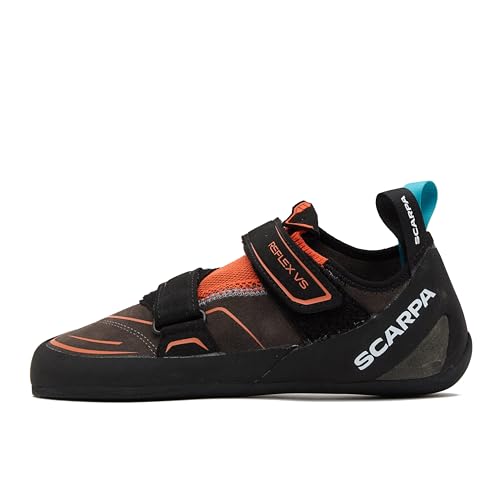
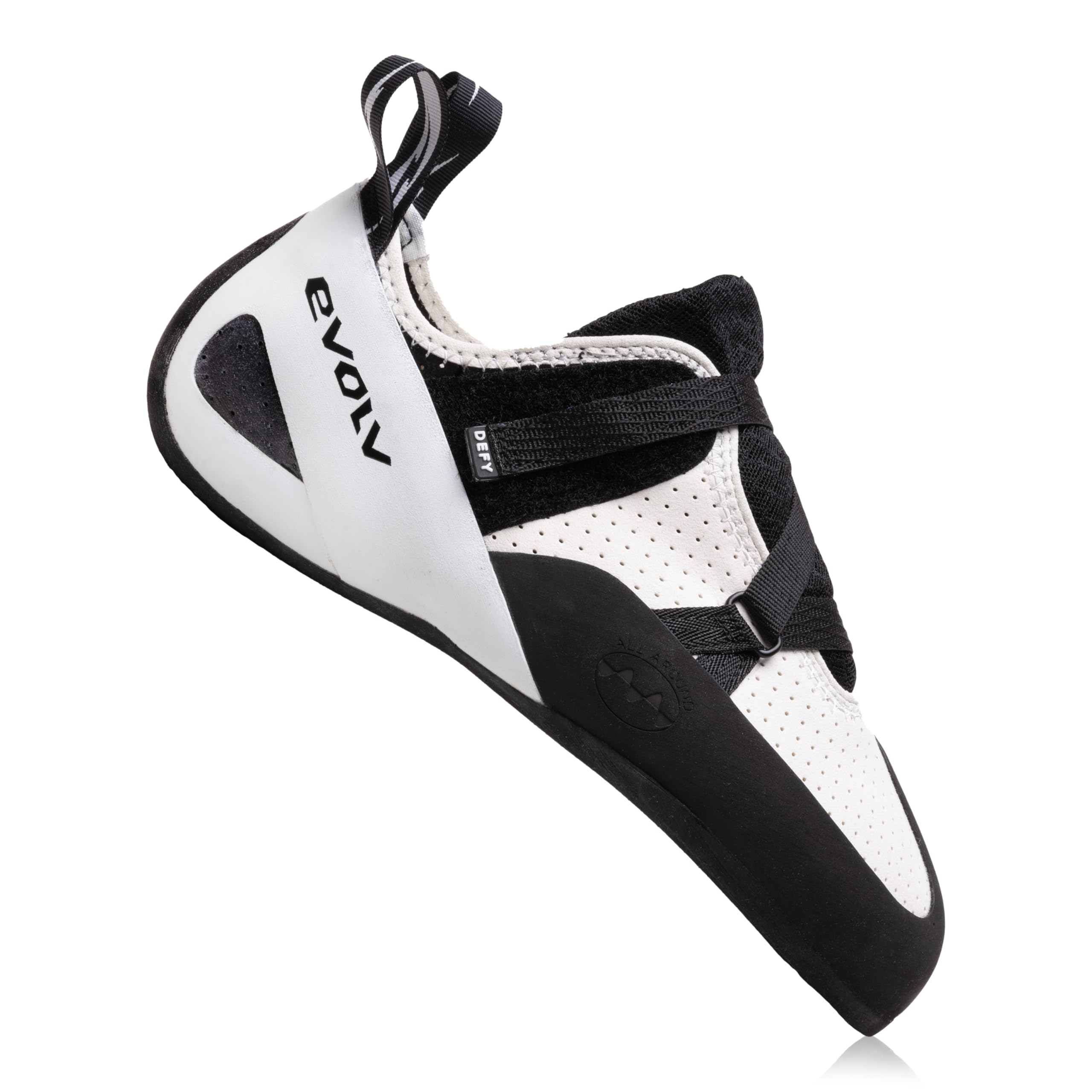
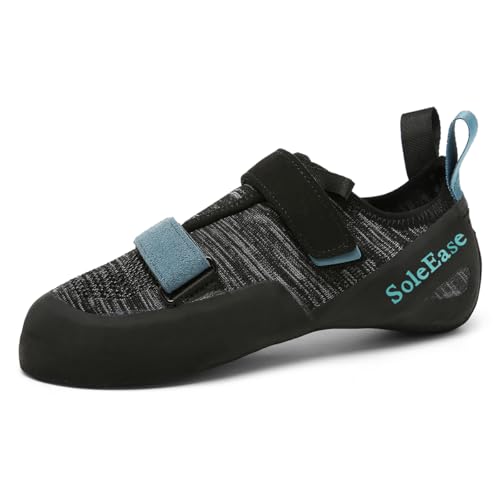
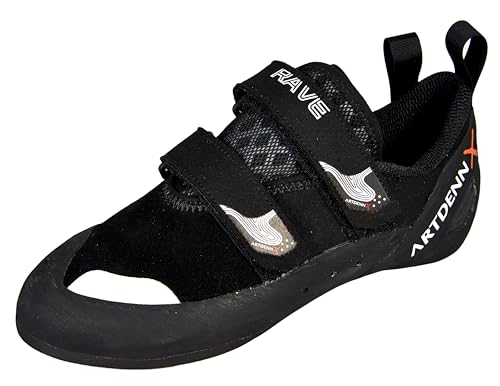
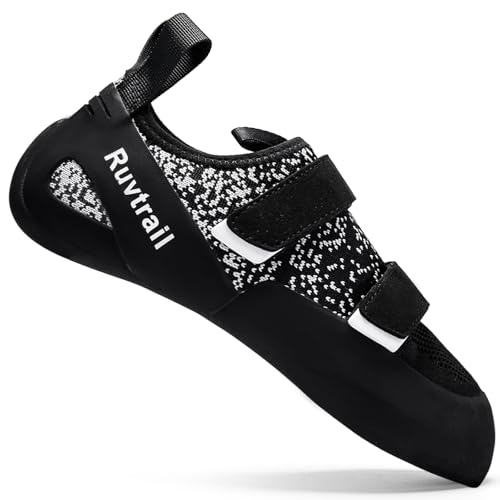
Beginner indoor shoes share a few traits: a fairly flat shape, a stiff sole that supports new foot muscles, durable rubber that survives rental style abuse, and a price that assumes you are still deciding whether climbing is your sport. Typical prices run around $60 to $110. The three comparisons below show what you gain and give up when you step outside that beginner indoor category in any direction.
Indoor Climbing Shoes vs Kids and Youth Options
Kids and youth shoes are smaller versions of the idea, built for growing feet with soft uppers, easy closures, and room to expand. They cost less, often around $40 to $70, and they forgive the constant on and off routine of young climbers. The trade off is support: youth soles flex more, which tires small feet less but teaches less precise footwork. Adults should never squeeze into youth models to save money. Fit and rubber quality differ, and an adult foot will destroy a youth shoe quickly while climbing badly in the process.
Indoor Climbing Shoes vs Advanced and Performance Options
Performance shoes curve sharply downward, squeeze the toes into the front of the shoe, and use thin, soft rubber that grips volumes and steep walls brilliantly. They also hurt beginners, wear out fast on gym plastic, and cost around $150 to $220. New climbers gain nothing from that downturn because beginner routes reward standing confidently on large holds, not pulling with curled toes. Worse, pain shortens sessions, and shorter sessions slow learning. After a year or two of regular climbing, the same shoes that punish you now may suit you perfectly. Until then, our guide to the best indoor climbing shoes shows the full range you can grow into.
Indoor Climbing Shoes vs Intermediate and All Around Options
Intermediate shoes add a slight downturn, softer rubber, and a closer fit, suiting climbers who have finished their first months and want more precision on smaller holds. They cost around $110 to $160 and wear faster than beginner models because the rubber is thinner and stickier. If you already climb twice a week and your feet no longer ache after sessions, this category is a sensible second pair. If you are still renting, start with a beginner model and keep the savings for gym fees. Climbers focused mainly on bouldering problems can also compare notes with our guide to the best climbing shoes for indoor bouldering.
Who Should Choose Indoor Climbing Shoes?
Beginner indoor shoes fit anyone in their first year of gym climbing, whether you boulder, top rope, or mix both. They suit people who climb one to three times a week, value comfort across a two hour session, and want one pair that handles warm up slabs and vertical walls alike. Choose a different category if you climb mostly outdoors on rock, if you compete, or if your feet have unusual needs that a climbing shop should assess in person. Families buying for children should look at youth models sized with growing room, and climbers returning after a long break often find beginner shoes the kindest way back. If your search started with rental shoes that almost fit, the related guide to the best indoor rock climbing shoes for beginners covers the same ground from the rental counter side.
How to Choose the Right Indoor Climbing Shoe
Skill Level and Intended Use
Match the shoe to the climbing you will actually do this season. Mostly bouldering means you will take the shoes on and off constantly, so strap closures save real time. Mostly roped climbing means longer wear, so a lace closure that fine tunes fit across a swollen evening foot earns its keep. Your grade matters less than your frequency: a keen beginner climbing three times a week wears rubber faster than a casual climber and should budget for a resole or a second pair within the year.
Beginner Friendly Features That Matter
The features that help beginners are unglamorous. A flat or gently curved shape lets you stand on holds with your whole foot instead of your toes alone. A stiff midsole supports weak foot muscles while they strengthen. Thick rubber, around 4 to 5 mm, lasts far longer while your footwork is still sloppy and you drag your toes. A padded tongue and a lined upper prevent hot spots. Clear sizing guidance from the maker and a return friendly seller matter too, because first pairs are often exchanged once.
Indoor vs Outdoor Use
Indoor shoes are tuned for plywood walls, textured panels, and plastic holds, where clean rubber and edging support matter most. You can wear them on easy outdoor rock, but gym rubber wears quickly on sharp stone and the snug fit feels harsh on long approaches. Outdoor shoes add stiffer soles and more durable construction for cracks and rough edges. If your climbing will split evenly between gym and crag, buy the indoor pair first, since gym sessions will dominate your early months anyway. Our guide to the best indoor rock climbing shoes explains how gym specific designs differ in more depth.
Safety and Certifications
Climbing shoes carry no safety rating that protects you, and any listing implying otherwise deserves suspicion. Your safety in the gym comes from fit and condition: a shoe that rolls off a hold because it is too loose, or rubber worn smooth and shiny, both raise your fall risk. Check that straps and stitching are sound, keep rubber clean so it grips as designed, and retire shoes with holes at the toes. If you have diabetes, poor circulation, or a history of foot injuries, talk with your clinician before choosing very snug footwear, and stop climbing and seek advice if you notice numbness that does not fade after sessions.
Care and Maintenance Tips
Air your shoes after every session instead of sealing them in a gym bag, because trapped moisture feeds odor and rots linings. Store them out of direct sun and extreme heat, such as a hot car trunk, which dries out rubber and glue. Brush dust off the soles and wipe them with a damp cloth before climbing so the rubber bites instead of skating on chalk. Check wear before each use, especially at the big toe, and plan a resole while the damage is still only in the rubber layer. Never machine wash or dry them with heat.
FAQs
What makes indoor climbing shoes for beginners different?
Beginner models use a flatter shape, a stiffer and more supportive sole, and thicker rubber that tolerates clumsy footwork. They prioritize comfort across long sessions over precision on tiny holds. Performance shoes do the opposite on every count. That is why the best shoes for rock climbing beginners all feel roomy and calm compared with the aggressive pairs experienced climbers wear.
How long does a pair of indoor climbing shoes last?
For most beginners climbing twice a week, the rubber lasts about six to twelve months before the toe area wears thin. Sloppy footwork shortens that a lot, while clean technique extends it. A resole at around half the cost of new shoes can restore a pair once, sometimes twice, if the uppers stay sound. Rotate sessions, avoid walking around the gym in them, and they will last noticeably longer.
What size indoor climbing shoe should I get?
Start near your street shoe size and adjust by fit, not by folklore. Your toes should touch the front and lie flat or bend very slightly, never curl hard. The heel should feel locked with no lift when you stand on an edge. Sizes vary widely between brands, so try two sizes when you can. A useful trick: try shoes late in the day, when your feet are slightly swollen, to match real evening gym conditions.
Indoor vs outdoor climbing shoes: does it matter?
It matters mainly for rubber wear and sole stiffness. Indoor shoes grip gym holds beautifully but wear fast on sharp rock and feel tender on long outdoor days. Outdoor shoes edge better on stone and protect your feet more, yet feel clumsy on slick gym volumes. Owning one pair for the gym first is the normal path, since most beginners log far more indoor hours in year one.
Is it worth buying premium climbing shoes as a beginner?
Usually not, because premium shoes solve problems beginners do not have yet and wear out faster while doing it. The extra money buys downturn and sensitivity that only pay off on steep, technical routes. A mid priced beginner pair plus a resole later costs less and teaches better habits. Spend the difference on a gym membership block, because mileage on the wall improves your climbing far more than footwear does at this stage.
Final Thoughts on Beginner Indoor Climbing Shoes
Pick your type before you pick your shoe: flat, supportive, and durable for your first year indoors, with closures that match how you climb. Fit them snugly without pain, keep the rubber clean, and let technique do the rest. Check your shortlist against the product table above, and the best beginner indoor climbing shoes for your feet will be the pair you forget you are wearing by the third route of the night. Apply these checks to any best beginner indoor climbing shoes you compare.


